
How to Reduce Hand Fatigue Using Hand Pump: Easy Fix!

Quick Summary: Hand fatigue from using a bike pump is common, but avoidable! To reduce it, focus on using proper technique: keep your arms straight and use your body weight. Choose a pump with an ergonomic handle and a long hose. Maintain your pump, and consider using a floor pump for higher-pressure tires. With these tips, you can pump up your tires without the pain!
Are your hands aching after pumping up your bike tires? You’re not alone! Many cyclists experience hand fatigue when using a hand pump, especially when dealing with higher tire pressures. It can be frustrating and even discourage you from keeping your tires properly inflated. But don’t worry, there are simple ways to reduce hand fatigue and make the process much easier.
This guide will show you how to minimize hand strain when using a hand pump. We’ll cover proper technique, pump selection, maintenance tips, and even alternative pumping methods. Get ready to say goodbye to hand pain and hello to enjoyable rides!
Understanding Hand Fatigue from Bike Pumps

Hand fatigue when using a bike pump stems from a combination of factors. Understanding these factors can help you address them effectively.
- Repetitive Motion: The constant up-and-down motion of pumping can strain the muscles and tendons in your hands and wrists.
- High Pressure: Inflating tires to high pressures requires significant force, which puts extra stress on your hands.
- Poor Technique: Using improper technique, such as bending your wrists or relying solely on arm strength, can exacerbate hand fatigue.
- Inadequate Equipment: Using a low-quality pump with an uncomfortable handle can make the process even more difficult and tiring.
Choosing the Right Hand Pump
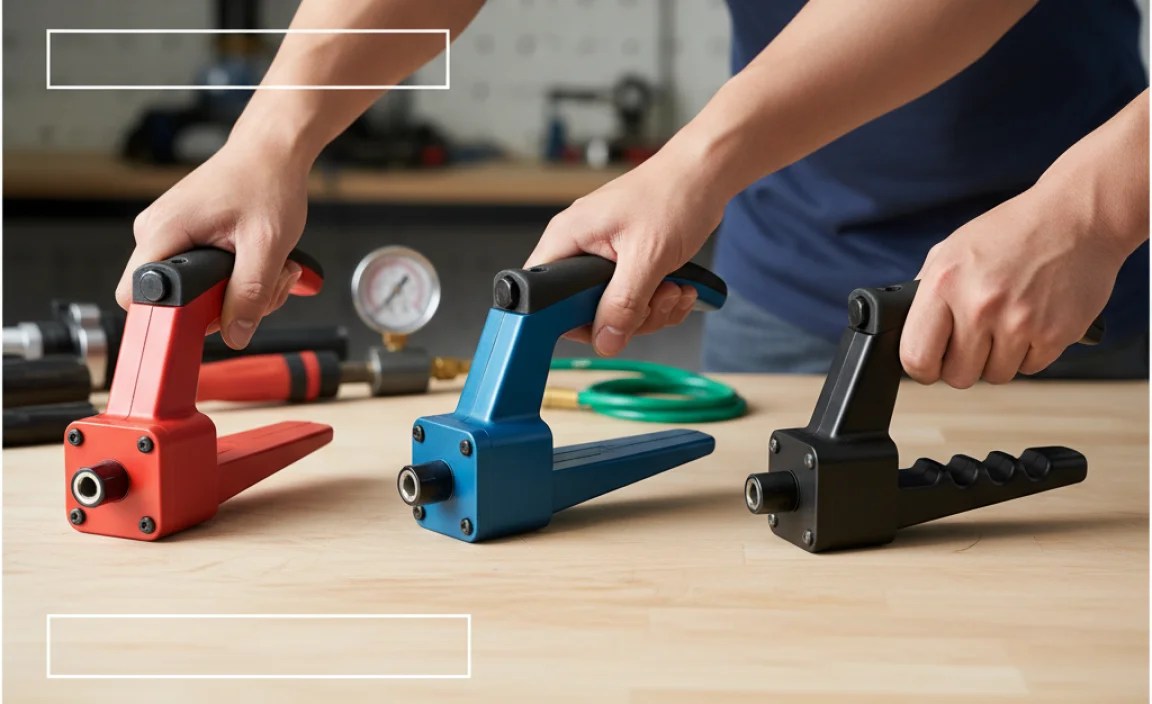
Selecting the right hand pump can make a significant difference in reducing hand fatigue. Consider these factors when choosing a pump:
Ergonomic Handle
Look for a pump with an ergonomic handle that fits comfortably in your hand. A wider handle with a textured grip can help distribute pressure and prevent slippage. Avoid pumps with thin, hard plastic handles.
Pump Length and Volume
A longer pump barrel allows you to move more air with each stroke, reducing the number of strokes required to reach the desired pressure. High-volume pumps are great for mountain bike tires, while high-pressure pumps are better for road bike tires.
Hose Length and Connection
A longer hose allows you to position the pump comfortably without putting stress on the valve stem. Make sure the pump head securely connects to the valve to prevent air leaks.
Pump Material and Build Quality
Choose a pump made from durable materials such as aluminum or steel. A well-built pump will last longer and provide a more efficient pumping experience.
Here’s a quick comparison of different hand pump features:
| Feature | Benefit | Considerations |
|---|---|---|
| Ergonomic Handle | Reduces hand strain and improves grip. | Look for wider handles with textured grips. |
| Longer Barrel | Pumps more air per stroke, reducing total strokes. | May require more initial force. |
| Long Hose | Allows for comfortable positioning and reduces valve stem stress. | Can add weight to the pump. |
| Durable Materials | Ensures longevity and efficient pumping. | May be more expensive. |
Proper Pumping Technique to Reduce Strain
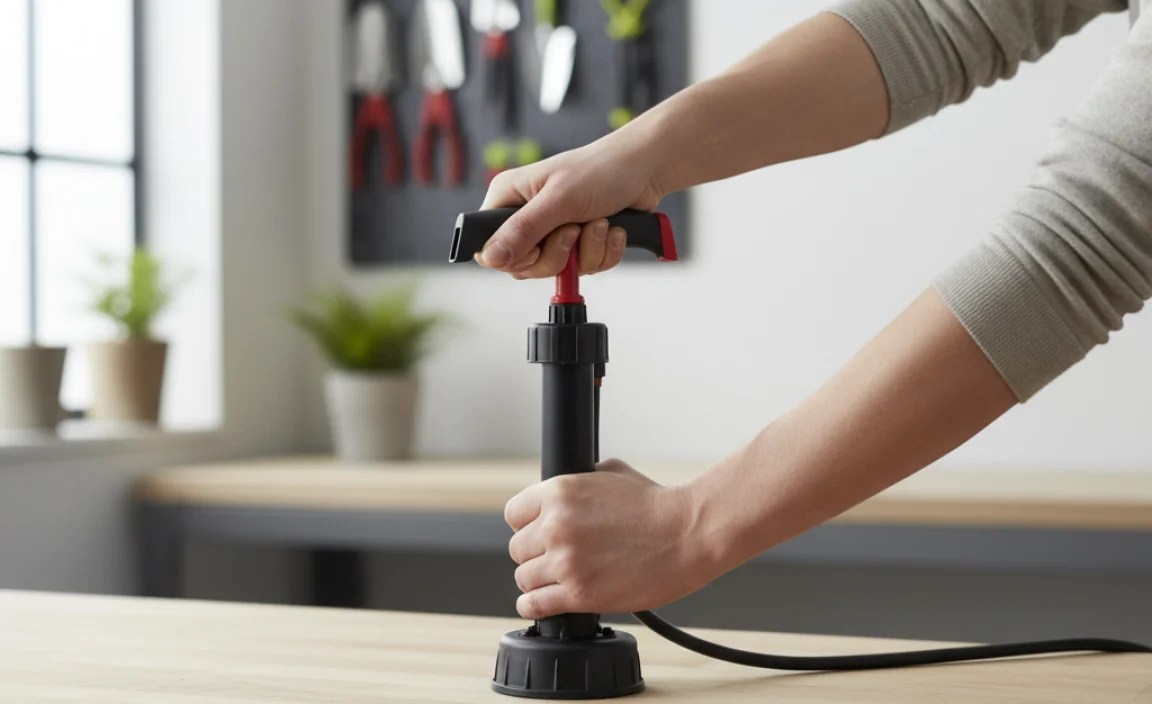
Using the correct pumping technique is crucial for minimizing hand fatigue. Follow these steps:
- Position Yourself Correctly: Stand with your feet shoulder-width apart and your body facing the tire.
- Grip the Handle Properly: Use a firm but relaxed grip on the pump handle. Avoid squeezing too tightly.
- Keep Your Arms Straight: Lock your elbows and use your body weight to push down on the pump. This will engage your larger muscles and reduce strain on your hands.
- Use a Smooth, Consistent Motion: Avoid jerky or uneven movements. Maintain a steady rhythm while pumping.
- Take Breaks When Needed: If you start to feel hand fatigue, take a short break to rest your hands.
Detailed Steps for Efficient Pumping
Let’s break down each step for even better results:
Step 1: Secure the Pump Head
Make sure the pump head is securely attached to the valve stem. A loose connection will result in air leaks and wasted effort. Most pumps have a lever or locking mechanism to ensure a tight seal.
Step 2: Engage Your Core
Engage your core muscles to provide stability and support. This will help you maintain a consistent pumping motion and prevent back strain.
Step 3: Use Your Body Weight
Instead of relying solely on your arm strength, lean into the pump and use your body weight to push down. This will significantly reduce the amount of force required from your hands.
Step 4: Maintain a Steady Pace
Pump at a steady, consistent pace. Avoid rushing or trying to pump too quickly. A slower, more controlled motion will be less tiring.
Step 5: Monitor Tire Pressure
Use a tire pressure gauge to monitor the pressure as you pump. Overinflating or underinflating your tires can affect performance and safety. Refer to the recommended tire pressure printed on the sidewall of your tire.
You can also use this table as a reference to monitor tire pressure.
| Bike Type | Tire Width | Recommended PSI |
|---|---|---|
| Road Bike | 23-25mm | 100-120 PSI |
| Road Bike | 28-32mm | 80-100 PSI |
| Mountain Bike | 2.2-2.5″ | 25-35 PSI |
| Gravel Bike | 35-45mm | 40-60 PSI |
| Hybrid/Commuter | 32-45mm | 50-70 PSI |
Maintaining Your Hand Pump
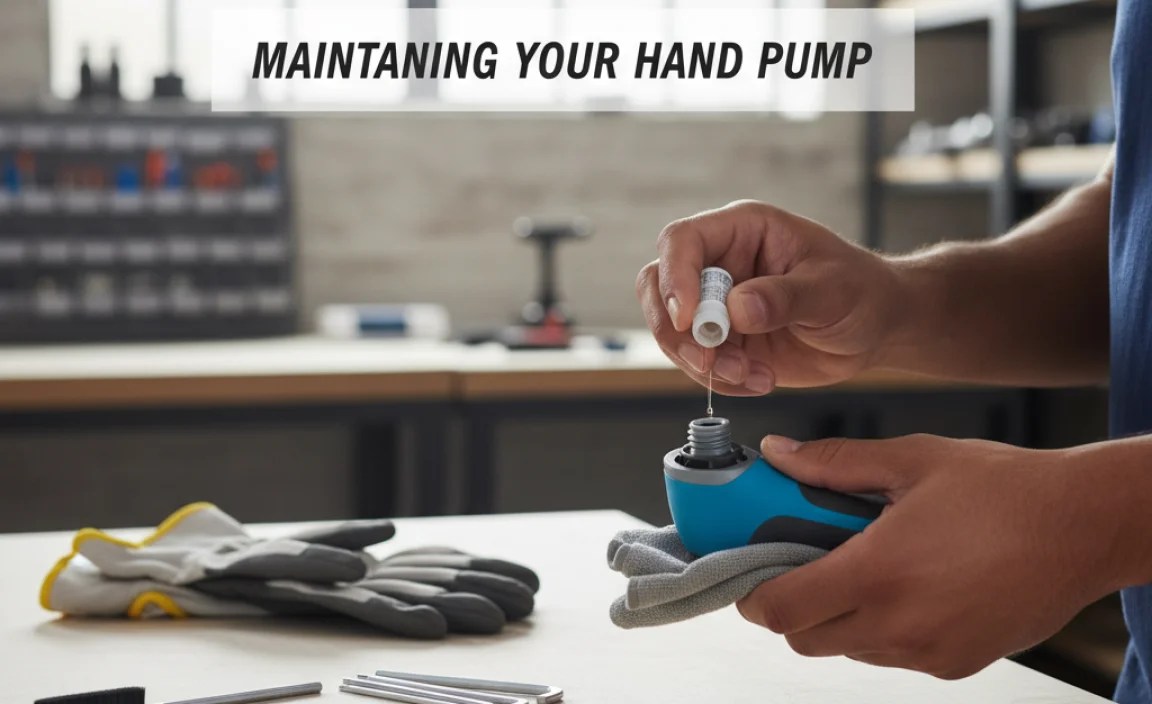
Regular maintenance can keep your hand pump working efficiently and prevent it from becoming harder to use. Here are some maintenance tips:
- Clean the Pump Regularly: Wipe down the pump with a clean cloth to remove dirt and grime.
- Lubricate Moving Parts: Apply a small amount of lubricant to the pump’s moving parts, such as the piston and seals. This will help the pump operate smoothly.
- Check for Air Leaks: Inspect the pump head and hose for any signs of air leaks. Replace worn or damaged parts as needed.
- Store the Pump Properly: Store the pump in a dry place to prevent rust and corrosion.
Step-by-Step Pump Maintenance
Follow these steps for a more in-depth maintenance routine:
Step 1: Disassemble the Pump
Carefully disassemble the pump according to the manufacturer’s instructions. This will allow you to access all the internal components.
Step 2: Clean All Parts
Clean all the pump parts with a mild detergent and water. Use a small brush to remove any stubborn dirt or grime.
Step 3: Inspect for Wear and Tear
Inspect all the parts for signs of wear and tear, such as cracks, tears, or corrosion. Replace any damaged parts.
Step 4: Lubricate Moving Parts
Apply a small amount of bicycle-specific lubricant to the pump’s moving parts, such as the piston, seals, and O-rings. Avoid using petroleum-based lubricants, as they can damage rubber components.
Step 5: Reassemble the Pump
Carefully reassemble the pump, making sure all the parts are properly aligned and secured.
Alternative Pumping Methods
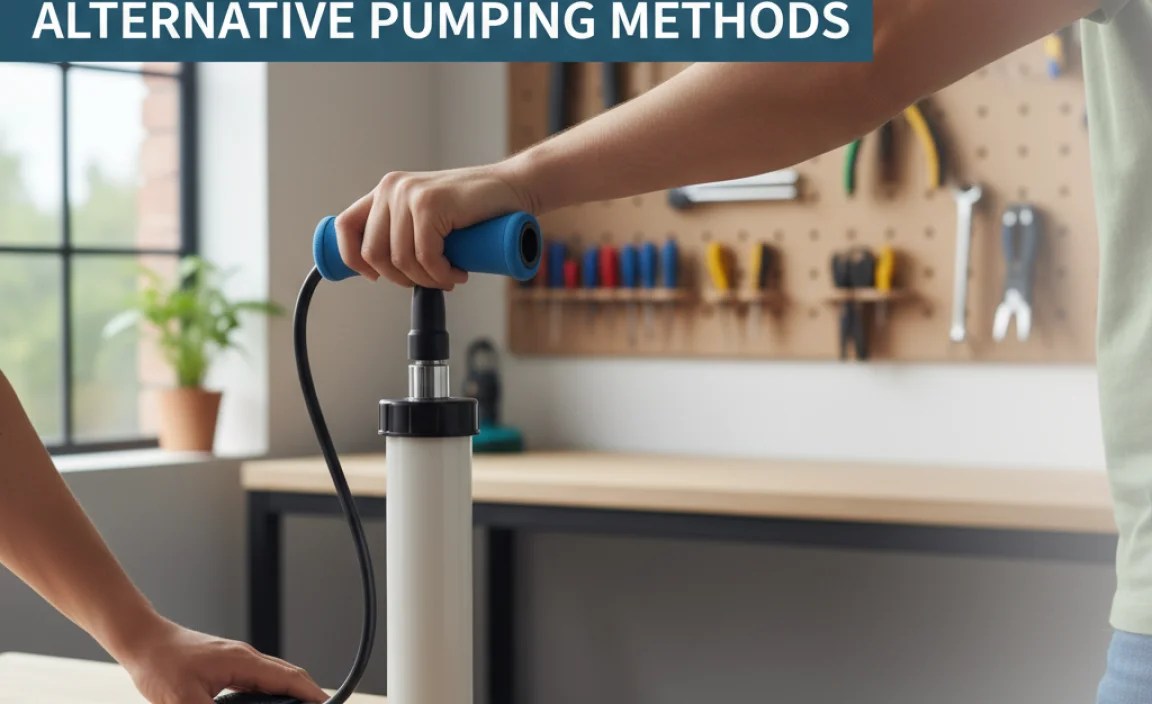
If you still experience hand fatigue despite using proper technique and maintaining your pump, consider these alternative pumping methods:
Floor Pumps
Floor pumps are generally easier to use than hand pumps because they allow you to use your body weight more effectively. They also have a larger air chamber, which means you can inflate your tires with fewer strokes. A good floor pump, like those from Topeak or Lezyne, can make a huge difference.
CO2 Inflators
CO2 inflators provide a quick and easy way to inflate your tires, but they require you to carry CO2 cartridges. They are a good option for emergency situations or when you need to inflate your tires quickly.
Electric Pumps
Electric pumps are the easiest option, but they require a power source. They are a good option for home use or for cyclists who have difficulty using manual pumps.
Here’s a comparison of pumping methods:
| Method | Pros | Cons |
|---|---|---|
| Hand Pump | Portable, inexpensive, readily available. | Can cause hand fatigue, requires more effort. |
| Floor Pump | Easier to use, more efficient, less hand fatigue. | Less portable, more expensive. |
| CO2 Inflator | Fast inflation, compact. | Requires cartridges, can be wasteful. |
| Electric Pump | Effortless, convenient. | Requires power, less portable. |
Additional Tips for Reducing Hand Fatigue
Here are some extra tips to help you further reduce hand fatigue:
- Wear Gloves: Padded cycling gloves can provide extra cushioning and grip, reducing strain on your hands.
- Stretch Your Hands: Before and after pumping, stretch your hands and wrists to improve flexibility and circulation. You can find hand stretches online from reputable sources like the Arthritis Foundation.
- Adjust Your Bike Setup: Make sure your bike’s handlebars and seat are properly adjusted to ensure a comfortable riding position. A poor bike fit can contribute to hand fatigue.
- Consider Tubeless Tires: Tubeless tires can be run at lower pressures, which can improve comfort and reduce the need for frequent inflation.
FAQ: Hand Pump Fatigue
Q: Why do my hands hurt after using a bike pump?
A: Hand pain after pumping usually comes from repetitive motion, high pressure, poor technique, or a bad pump. Try using your body weight more and make sure your pump has a comfy handle.
Q: What’s the best way to hold a bike pump handle?
A: Grip the handle firmly but not too tight. Keep your wrists straight and use your whole hand to distribute the pressure evenly.
Q: How often should I pump up my bike tires?
A: Check your tire pressure before each ride. Tires lose air over time, and proper inflation improves performance and prevents flats.
Q: Can floor pumps really reduce hand fatigue?
A: Yes! Floor pumps let you use your body weight to pump, which is much easier on your hands compared to using just your arm strength with a hand pump.
Q: What kind of maintenance does a hand pump need?
A: Keep your pump clean and lubricate the moving parts. Check for air leaks and replace any worn-out parts to keep it working smoothly.
Q: Are there gloves that can help with hand fatigue while pumping?
A: Yes, padded cycling gloves can provide extra cushioning and grip, reducing strain on your hands while pumping. Look for gloves with gel padding in the palms.
Q: Is it better to use a hand pump or CO2 inflator for road bikes?
A: A hand pump is reliable for regular use. CO2 inflators are faster for emergencies, but you need to carry cartridges.
Conclusion
Reducing hand fatigue when using a hand pump is achievable with the right approach. By choosing the right pump, using proper technique, maintaining your equipment, and considering alternative pumping methods, you can make the process much more comfortable and efficient. Don’t let hand pain keep you from enjoying your rides. Take control of your bike maintenance and experience the joy of cycling without the discomfort!


