How to Activate the Cycle on Your Septic Pump: A Step-by-Step Guide

Quick Summary: To activate the cycle on your septic pump, first ensure the power is on and the pump is properly connected. Locate the control panel and check the timer settings, adjusting the on/off cycle durations as needed for your system’s requirements. Manually activate the pump using the test or manual override function to confirm it’s working correctly. Regularly monitor the pump’s performance to prevent issues and maintain optimal septic system function.
Dealing with a septic pump can seem tricky, especially when you need to adjust its cycle. Maybe you’ve noticed your system isn’t draining properly, or you’re concerned about potential backups. Understanding how to activate and adjust the cycle on your septic pump is crucial for maintaining a healthy septic system and preventing costly repairs. This guide will break down the process into simple, manageable steps, so you can confidently manage your septic pump’s operation. Let’s get started!
Understanding Your Septic Pump System
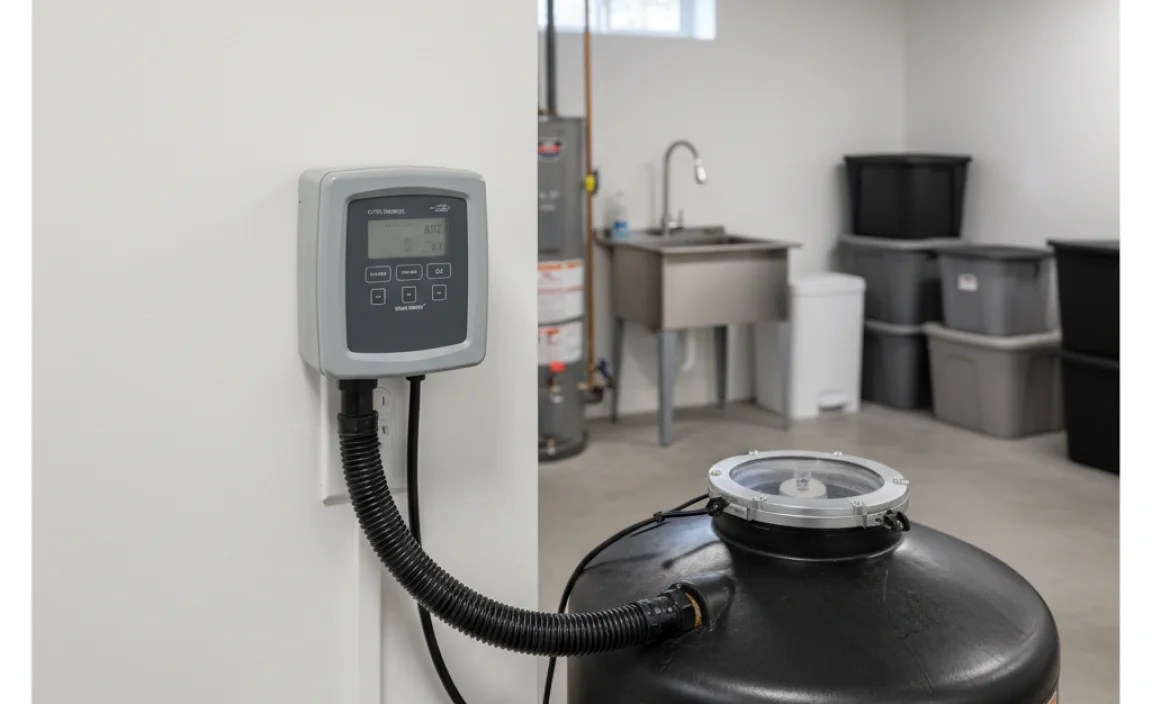
Before diving into the activation process, it’s essential to understand the basics of your septic pump system. This will help you troubleshoot issues and ensure you’re making the right adjustments.
What is a Septic Pump?
A septic pump, also known as an effluent pump, is a critical component of many septic systems. It’s used when gravity alone can’t move wastewater from your septic tank to the drain field. This is common in systems where the drain field is located uphill or at a distance from the tank.
Why is Cycling Important?
The cycling of your septic pump refers to how often and for how long the pump operates. Proper cycling is crucial for several reasons:
- Preventing Overload: Prevents the drain field from being overwhelmed with too much wastewater at once.
- Extending System Life: Ensures the pump doesn’t run constantly, which can lead to premature wear and tear.
- Optimizing Treatment: Allows for even distribution of wastewater, promoting effective treatment in the drain field.
Key Components to Know
Familiarize yourself with these key components of your septic pump system:
- Septic Tank: Where solid waste settles and initial wastewater treatment occurs.
- Pump Chamber: A separate chamber where the effluent pump is located.
- Effluent Pump: The pump itself, responsible for moving wastewater to the drain field.
- Control Panel: The electrical panel that controls the pump’s operation, including timers and settings.
- Float Switches: Sensors that detect water levels in the pump chamber and trigger the pump to turn on or off.
- Drain Field: The area where treated wastewater is discharged and filtered by the soil.
Tools and Safety Precautions

Before you start working on your septic pump, gather the necessary tools and take the proper safety precautions.
Essential Tools
Here’s what you’ll likely need:
- Screwdrivers: Both flathead and Phillips head, for accessing the control panel.
- Multimeter: To check electrical connections and voltage.
- Pliers: For gripping and adjusting wires.
- Gloves: To protect your hands from contaminants.
- Safety Glasses: To protect your eyes.
- Flashlight or Headlamp: For better visibility in dark areas.
- Manufacturer’s Manual: Crucial for understanding the specific settings and functions of your pump and control panel.
Safety First
Working with electrical components and wastewater can be hazardous. Follow these safety precautions:
- Turn Off Power: Always disconnect the power to the septic system at the main breaker before working on any electrical components.
- Wear Protective Gear: Gloves and safety glasses are a must to protect against bacteria and potential splashes.
- Avoid Confined Spaces: Ensure adequate ventilation when working near the septic tank or pump chamber.
- Never Enter the Tank: Under no circumstances should you enter the septic tank. It’s a hazardous environment with toxic gases and a risk of collapse.
- Wash Thoroughly: After working on the system, wash your hands thoroughly with soap and water.
Step-by-Step Guide to Activating the Cycle

Now, let’s get into the step-by-step process of activating the cycle on your septic pump.
Step 1: Locate the Control Panel
The control panel is the brain of your septic pump system. It houses the timers, switches, and other controls that govern the pump’s operation. It’s usually located near the septic tank or inside your home, often in the basement or garage. Look for a gray or metal box labeled “Septic Control Panel” or something similar.
Step 2: Ensure Power is On
Before making any adjustments, ensure that the control panel is receiving power. Check the circuit breaker in your main electrical panel to make sure it hasn’t tripped. If the breaker is off, flip it back on. If it trips again immediately, there may be an electrical fault that requires professional attention.
Step 3: Understand the Control Panel Settings
Most control panels have a combination of switches, dials, and timers. Refer to your manufacturer’s manual to understand the specific functions of each component. Common settings include:
- Timer: Controls the on/off cycle of the pump.
- Float Switch Override: Allows you to manually activate or deactivate the pump.
- Alarm: Indicates when there’s a problem, such as a high water level or pump failure.
Step 4: Adjust the Timer Settings
The timer is crucial for controlling the pump’s cycle. Here’s how to adjust it:
- Locate the Timer: It may be a mechanical dial or a digital display.
- Set the “On” Duration: This is the amount of time the pump will run each cycle. Start with a short duration (e.g., 5-10 minutes) and adjust as needed based on your system’s performance.
- Set the “Off” Duration: This is the interval between pump cycles. The appropriate interval depends on your household’s water usage and the capacity of your drain field.
- Test the Settings: After making adjustments, observe the pump’s behavior to ensure it’s cycling correctly.
Here’s an example of how you might adjust the timer:
| Setting | Description | Example |
|---|---|---|
| On Duration | The length of time the pump runs during each cycle. | 5 minutes |
| Off Duration | The interval between pump cycles. | 2 hours |
Step 5: Manually Activate the Pump (Override)
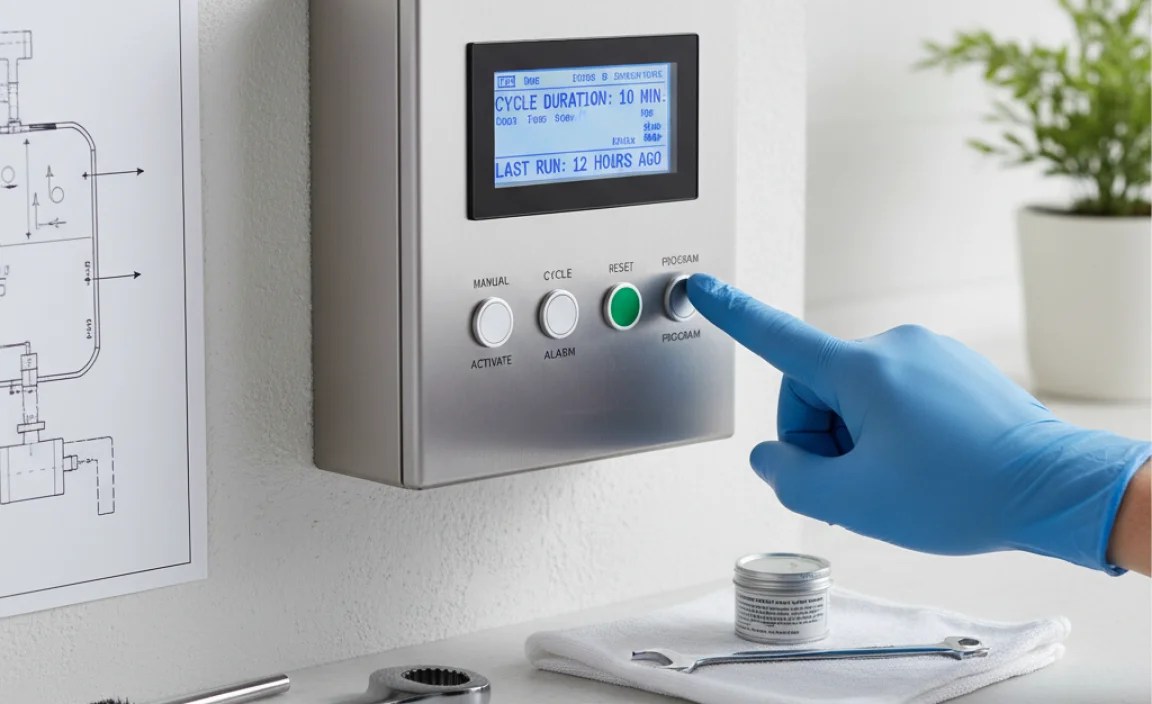
Most control panels have a manual override switch or button that allows you to activate the pump regardless of the timer settings. This is useful for testing the pump or for situations where you need to quickly lower the water level in the pump chamber.
- Locate the Override Switch: It may be labeled “Manual,” “Override,” or “Test.”
- Activate the Switch: Flip the switch to the “On” or “Manual” position.
- Observe the Pump: The pump should start running immediately. Let it run for a few minutes to ensure it’s functioning properly.
- Deactivate the Switch: Return the switch to the “Auto” or “Off” position.
Step 6: Monitor the Pump’s Performance
After activating the cycle and making adjustments, it’s important to monitor the pump’s performance. Keep an eye on the following:
- Water Level in the Pump Chamber: Ensure the water level is being maintained at an appropriate level.
- Pump Cycling Frequency: Verify that the pump is cycling on and off at the intervals you’ve set on the timer.
- Alarm Signals: Be alert for any alarm signals from the control panel, which could indicate a problem.
Troubleshooting Common Issues
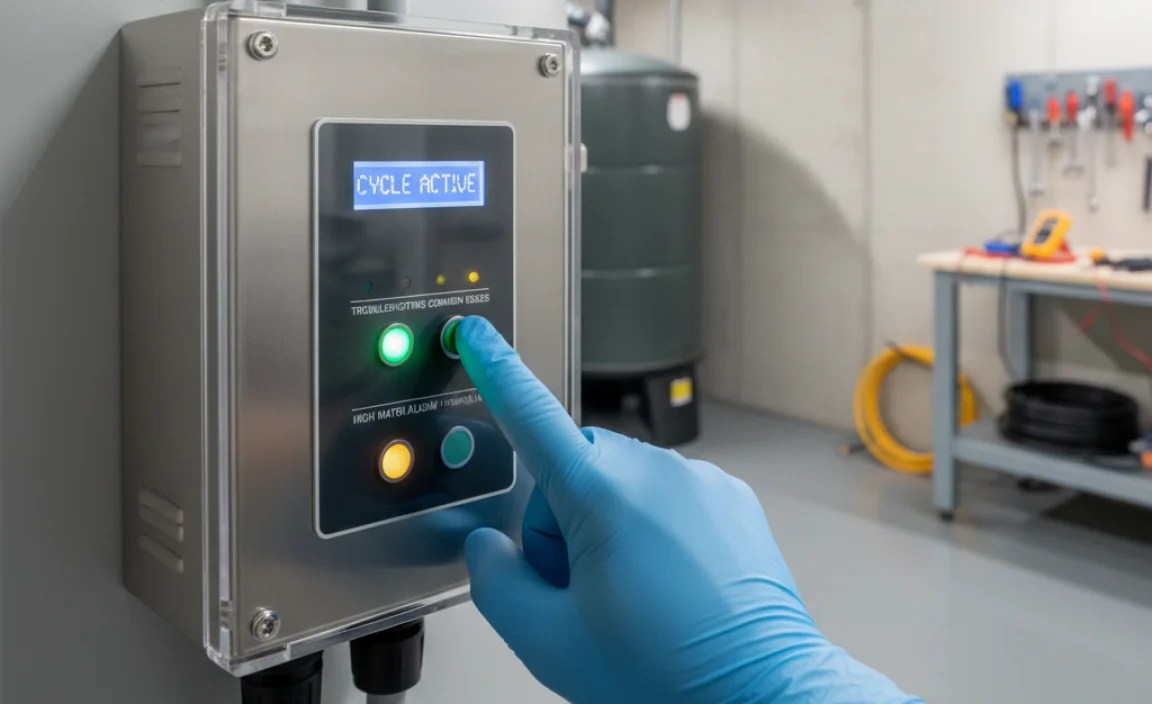
Even with careful setup, you might encounter some common issues. Here’s how to troubleshoot them.
Pump Not Cycling
If the pump isn’t cycling, consider these potential causes:
- Power Issue: Check the circuit breaker and electrical connections.
- Timer Malfunction: The timer may be faulty and need replacement.
- Float Switch Problem: The float switch may be stuck or damaged.
- Pump Failure: The pump itself may be broken and need repair or replacement.
Pump Running Constantly
If the pump is running constantly, it could be due to:
- High Water Usage: Excessive water usage in your home can overload the system.
- Timer Setting: The “Off” duration on the timer may be too short.
- Float Switch Issue: A stuck or malfunctioning float switch can cause the pump to run continuously.
- Leak in the System: A leak in the septic tank or pump chamber can cause the water level to remain high.
Alarm is On
An alarm signal indicates a problem that needs attention. Common causes include:
- High Water Level: Indicates that the pump isn’t keeping up with the inflow of wastewater.
- Pump Failure: The pump may have stopped working.
- Electrical Fault: There may be an electrical issue with the pump or control panel.
Here’s a quick troubleshooting table:
| Issue | Possible Cause | Troubleshooting Step |
|---|---|---|
| Pump Not Cycling | Power Issue | Check circuit breaker and connections |
| Pump Running Constantly | High Water Usage | Reduce water consumption |
| Alarm is On | High Water Level | Check for pump failure or blockage |
Tips for Maintaining Your Septic Pump System
Proper maintenance is key to extending the life of your septic pump system and preventing costly repairs. Here are some tips:
- Regular Inspections: Have your septic system inspected by a professional at least every 3 years.
- Pump the Tank: Pump your septic tank every 3-5 years, depending on your household’s water usage and the size of the tank.
- Conserve Water: Reduce water consumption by fixing leaks, using water-efficient appliances, and being mindful of your water usage habits.
- Avoid Flushing Harmful Materials: Don’t flush items like grease, diapers, feminine hygiene products, or chemicals down the toilet, as they can clog the system and damage the pump.
- Monitor for Warning Signs: Be alert for signs of trouble, such as slow drains, sewage odors, or standing water in your yard.
When to Call a Professional
While many septic pump issues can be resolved with a bit of DIY troubleshooting, there are times when it’s best to call a professional. Consider seeking professional help if:
- You’re uncomfortable working with electrical components.
- You suspect a major problem, such as a pump failure or a leak in the tank.
- You’ve tried troubleshooting the issue yourself but haven’t been able to resolve it.
- You’re unsure about any aspect of the system’s operation.
A qualified septic system technician can diagnose the problem accurately and perform the necessary repairs or replacements.
Cost Considerations
Understanding the potential costs associated with septic pump maintenance and repair can help you budget and plan for the future.
| Service | Average Cost | Description |
|---|---|---|
| Septic Tank Pumping | $300 – $700 | Removing accumulated solids from the septic tank. |
| Pump Repair | $200 – $800 | Repairing or replacing a malfunctioning pump. |
| Control Panel Replacement | $500 – $1500 | Replacing a faulty control panel. |
| System Inspection | $200 – $500 | Professional inspection of the entire septic system. |
These costs can vary depending on your location, the complexity of the issue, and the service provider you choose. Getting regular maintenance and addressing issues promptly can often prevent more costly repairs down the line.
Additional Resources
For more in-depth information on septic systems, consider exploring these resources:
- EPA Septic Systems Overview: The Environmental Protection Agency’s overview of septic systems.
- National Environmental Services Center: Resources and information on wastewater treatment and septic systems.
- Your local health department: They can provide information on regulations and requirements for septic systems in your area.
FAQ: Activating Your Septic Pump Cycle
1. How often should my septic pump cycle?
The cycling frequency depends on your household’s water usage and the size of your septic system. Generally, a pump might cycle several times a day, with each cycle lasting only a few minutes. Consult your system’s manual for specific recommendations.
2. What does it mean if my septic pump is always running?
If your septic pump runs constantly, it could indicate a high water usage, a faulty float switch, or a leak in the system. It’s essential to investigate and address the issue promptly to prevent pump burnout and potential system damage.
3. Can I manually activate my septic pump?
Yes, most septic control panels have a manual override switch or button that allows you to activate the pump regardless of the timer settings. This is useful for testing the pump or quickly lowering the water level.
4. How do I know if my float switch is working correctly?
You can test the float switch by manually lifting it. When lifted, the pump should activate. If it doesn’t, the float switch may be faulty and need replacement.
5. What should I do if my septic alarm goes off?
If your septic alarm goes off, it indicates a problem that needs attention. Check for high water levels, pump failure, or electrical faults. If you’re unsure how to resolve the issue, call a professional septic system technician.
6. Is it safe to work on my septic pump myself?
Working on a septic pump involves electrical components and wastewater, so it’s crucial to take safety precautions. Always turn off the power, wear protective gear, and avoid confined spaces. If you’re uncomfortable with any aspect of the process, it’s best to call a professional.
7. How often should I have my septic tank pumped?
The frequency of septic tank pumping depends on your household’s water usage and the size of the tank. Generally, it’s recommended to pump the tank every 3-5 years.
Conclusion
Activating and managing the cycle on your septic pump might seem daunting at first, but with a clear understanding of the system and a step-by-step approach, it becomes much more manageable. Remember to prioritize safety, consult your manufacturer’s manual, and monitor the pump’s performance regularly. By following the guidelines in this guide, you can ensure your septic system operates efficiently and reliably, preventing costly repairs and maintaining a healthy environment. Happy cycling!
“`