
How to Seat Tubeless Tyre Using Hose: Easy DIY Guide

Quick Summary:
Seating a tubeless tire with a hose involves using a high-volume air source to quickly inflate the tire, forcing the beads to lock into the rim. First, ensure the tire is properly positioned on the rim. Then, connect your inflation tool (like a compressor with an inflator valve) to the tire valve. A quick burst of air should seat the tire. Double-check the bead around the entire rim and inflate to the recommended pressure. Always wear eye protection!
Setting up tubeless tires can sometimes feel like wrestling an alligator. You’ve got your sealant ready, the tire on the rim, but that stubborn bead just won’t pop into place. It’s a common frustration for cyclists diving into tubeless setups. The good news is, with the right technique and a bit of airflow, you can conquer this challenge.
This guide will walk you through seating a tubeless tire using a hose, giving you the confidence to handle your own tire setups. We’ll cover everything from prepping your wheel to those final pressure adjustments. Let’s get started and make those tires sing!
What You’ll Need

Before you start, gather these essential items:
- Tubeless-ready wheelset: Make sure your rims are designed for tubeless tires.
- Tubeless-ready tire: A tire specifically designed for tubeless use.
- Tubeless sealant: To seal any small punctures.
- Tubeless valves: Presta valves with removable cores are ideal.
- Valve core removal tool: For easy sealant installation and deflation.
- High-volume air source: A compressor or tubeless inflator.
- Soapy water: A mixture of water and mild soap.
- Rag or towel: For cleaning up any spills.
- Tire levers: Use cautiously to avoid damaging the rim or tire.
- Eye protection: Safety first!
Step-by-Step Guide: Seating a Tubeless Tire with a Hose

Step 1: Prepare the Rim
First, you need to make sure your rim is clean and ready for the tubeless setup.
- Clean the rim: Use a clean rag to wipe down the inside of the rim. Remove any dirt, debris, or old sealant.
- Inspect the rim tape: Ensure the tubeless tape is properly installed and covers the entire rim bed, including the spoke holes. If it’s damaged, replace it. Proper rim tape is critical for an airtight seal. You can find high-quality tubeless rim tape at most bike shops or online retailers like Amazon.
- Install the tubeless valve: Insert the tubeless valve through the valve hole and tighten the retaining nut finger-tight. Make sure it’s snug but not overly tight to avoid damaging the rim.
Step 2: Mount the Tire
Getting the tire onto the rim correctly is crucial for a successful tubeless setup.
- One bead on: Start by mounting one bead of the tire onto the rim. Use tire levers sparingly if needed, but be careful not to pinch the tube or damage the rim.
- Apply soapy water: Use a small brush or rag to apply soapy water to both tire beads. This helps the tire slide onto the rim and seal properly.
- Mount the second bead: Work the second bead onto the rim. Start opposite the valve and use your hands to push the tire over the rim. If it’s too tight, use tire levers carefully.
- Ensure proper alignment: Check that the tire is evenly seated around the rim. There should be no bulges or pinches.
Step 3: Inflate the Tire with a Hose
Now comes the exciting part – using a hose to inflate the tire and seat the beads.
- Remove the valve core: Use a valve core removal tool to take out the valve core. This allows for a higher volume of air to enter the tire quickly.
- Connect the hose: Attach your air compressor hose directly to the valve stem. Ensure the connection is secure to avoid air leakage.
- Inflate rapidly: Use short, powerful bursts of air. The goal is to quickly inflate the tire, forcing the beads to seat against the rim walls. You should hear a popping sound as the beads snap into place.
- Check the bead: Inspect both sides of the tire to ensure the bead is evenly seated around the entire circumference of the rim. Look for a consistent gap between the tire bead and the rim.
- Reinstall the valve core: Once the tire is seated, remove the hose and reinstall the valve core. Tighten it with the valve core removal tool.
Step 4: Add Sealant
With the tire seated, it’s time to add sealant to ensure a puncture-resistant setup.
- Deflate the tire partially: Release some air from the tire, but not all of it. This makes it easier to add the sealant.
- Inject the sealant: Use a sealant injector to add the recommended amount of sealant through the valve stem. Check the sealant manufacturer’s instructions for the correct amount.
- Reinflate the tire: Inflate the tire to the recommended pressure, as indicated on the tire sidewall.
- Shake the wheel: Vigorously shake and rotate the wheel to distribute the sealant evenly inside the tire.
Step 5: Final Inspection and Adjustment
A few final checks will ensure your tubeless setup is perfect.
- Check for leaks: Inspect the tire, valve stem, and rim for any air leaks. If you find any, rotate the wheel so that the leak is at the bottom, allowing the sealant to pool and seal the area.
- Adjust tire pressure: Fine-tune the tire pressure to your preference. Lower pressures provide better grip and comfort, while higher pressures offer lower rolling resistance.
- Go for a test ride: Take your bike for a short ride to ensure the tires are performing well. Pay attention to how the bike handles and adjust the tire pressure as needed.
Troubleshooting Common Issues
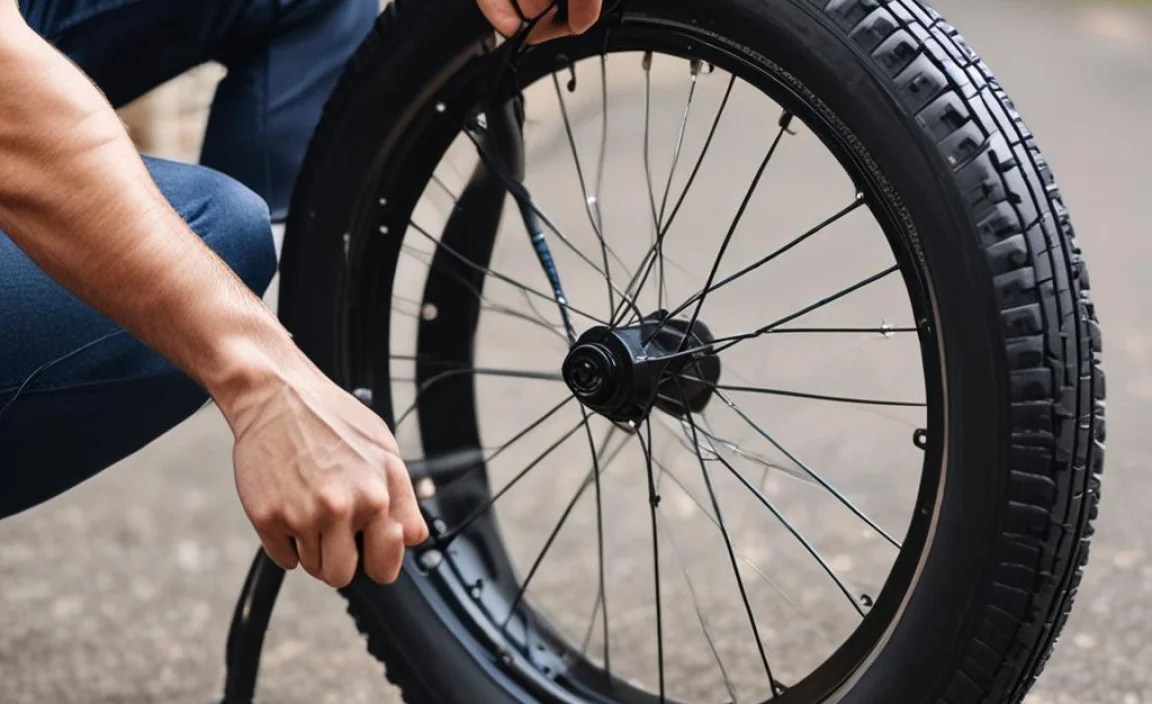
Sometimes, things don’t go as planned. Here are a few common issues and how to resolve them:
- Tire won’t seat:
- Problem: The tire beads refuse to snap into place.
- Solution: Ensure the tire beads are well-lubricated with soapy water. Increase the air compressor pressure or try using a tubeless inflator pump. Sometimes, wrapping a strap around the circumference of the tire can help force the beads outward.
- Air leaking from the valve stem:
- Problem: Air escapes from around the valve stem.
- Solution: Make sure the valve nut is tightened properly. If the leak persists, the valve core may be loose or damaged. Replace the valve core or the entire valve if necessary.
- Air leaking from the tire bead:
- Problem: Air leaks between the tire bead and the rim.
- Solution: Ensure the rim tape is properly installed and covers the entire rim bed. Add more sealant and re-inflate the tire. Rotate the wheel to allow the sealant to coat the inside of the tire.
- Sealant leaking:
- Problem: Sealant seeps through the tire sidewalls.
- Solution: This is common with new tires. Ride the bike to distribute the sealant evenly. If the leaking persists, add a bit more sealant.
Choosing the Right Equipment

Selecting the right equipment can make the tubeless setup process much smoother.
Air Compressors
An air compressor provides a high-volume, consistent air supply, essential for seating tubeless tires. Look for models with a tank and adjustable pressure settings.
Tubeless Inflator Pumps
Tubeless inflator pumps, such as those from Bontrager or Lezyne, are designed specifically for seating tubeless tires. They have a chamber that can be charged with air and then released quickly for a high-volume burst.
Sealants
There are many excellent tubeless sealants on the market. Some popular options include:
- Stan’s NoTubes Tire Sealant: A widely used and reliable sealant that works well in various conditions.
- Orange Seal Tubeless Tire Sealant: Known for its long-lasting performance and ability to seal larger punctures.
- Finish Line FiberLink Tubeless Tire Sealant: Contains Kevlar fibers to help seal punctures quickly and effectively.
Tire Levers
While you should use tire levers sparingly, having a good set on hand can be helpful. Look for levers made from durable plastic that won’t damage your rims.
Benefits of Tubeless Tires

Switching to tubeless tires offers several advantages for cyclists:
- Fewer flats: Sealant automatically seals small punctures, reducing the likelihood of flats.
- Lower tire pressure: You can run lower tire pressures for improved grip, comfort, and rolling efficiency.
- Better rolling resistance: Tubeless tires have less friction between the tire and tube, resulting in lower rolling resistance.
- Improved ride quality: Lower tire pressures provide a smoother, more comfortable ride, especially on rough roads or trails.
Table: Comparing Tubeless Sealant Brands
| Brand | Key Features | Pros | Cons |
|---|---|---|---|
| Stan’s NoTubes | Latex-based, seals quickly | Widely available, reliable | Can dry out over time |
| Orange Seal | Long-lasting, seals larger punctures | Durable, effective | More expensive |
| Finish Line FiberLink | Kevlar fibers for quick sealing | Seals quickly, strong | Can be messy |
Table: Recommended Tire Pressures for Tubeless Setups
| Rider Weight (lbs) | Road (25-28mm) | Gravel (38-45mm) | Mountain (2.2-2.5″) |
|---|---|---|---|
| 120-140 | 60-70 psi | 30-35 psi | 20-25 psi |
| 140-160 | 70-80 psi | 35-40 psi | 22-27 psi |
| 160-180 | 80-90 psi | 40-45 psi | 25-30 psi |
| 180-200 | 90-100 psi | 45-50 psi | 28-33 psi |
Note: These are general recommendations. Adjust based on your preference and riding conditions.
Safety Tips
Working with pressurized air and tires can be dangerous if not done properly. Keep these safety tips in mind:
- Wear eye protection: Always wear safety glasses or goggles to protect your eyes from flying debris or sealant.
- Don’t exceed maximum pressure: Never inflate tires beyond the maximum pressure indicated on the tire sidewall.
- Inspect tires regularly: Check your tires for cuts, bulges, or other damage before each ride.
- Use caution with tire levers: Avoid using excessive force when using tire levers, as this can damage the rim or tire.
- Work in a well-ventilated area: When using sealant, work in a well-ventilated area to avoid inhaling fumes.
FAQ: Seating Tubeless Tires
Q: What is a tubeless tire?
A: A tubeless tire is designed to be used without an inner tube. It creates an airtight seal with the rim, and sealant is added to prevent air loss from small punctures.
Q: Why is it so hard to seat tubeless tires sometimes?
A: Tubeless tires can be difficult to seat because the tire bead needs to create an airtight seal against the rim. This requires a quick burst of high-volume air to push the tire bead into place.
Q: Can I use a regular floor pump to seat a tubeless tire?
A: While it’s possible, it’s often difficult. A regular floor pump may not provide enough air quickly enough. A tubeless inflator pump or air compressor is usually more effective.
Q: How much sealant should I use?
A: The amount of sealant depends on the tire size. Check the sealant manufacturer’s instructions for the recommended amount. Generally, use about 30-60ml for road tires and 60-120ml for mountain bike tires.
Q: What if I don’t have an air compressor?
A: If you don’t have an air compressor, consider using a tubeless inflator pump or visiting your local bike shop. Many bike shops offer tubeless setup services.
Q: How often should I replace the sealant?
A: Sealant typically lasts for 3-6 months, depending on the climate and riding conditions. Check the sealant regularly and add more as needed. If the sealant dries out, remove the old sealant and add fresh sealant.
Q: Can I convert any wheelset to tubeless?
A: No, only tubeless-ready wheelsets can be converted to tubeless. These wheelsets have a specific rim design that allows for an airtight seal with the tire.
Conclusion
Seating a tubeless tire with a hose might seem daunting at first, but with the right tools and a little practice, it’s a skill any cyclist can master. By following these steps, you’ll be able to enjoy the benefits of tubeless tires – fewer flats, lower tire pressure, and a smoother ride. So, grab your gear, get your hands a little soapy, and get ready to roll with confidence!


