
Easy Fix: How to Fix Topeak Pump Hose Now!

How to Fix a Topeak Pump Hose: A Simple Guide

Quick Summary: Is your Topeak pump hose leaking, cracked, or disconnected? Don’t worry! Most Topeak pump hose issues are easy to fix. You can often repair or replace the hose yourself with simple tools and a replacement hose kit. This guide will walk you through diagnosing the problem, sourcing the right parts, and getting your pump back in action quickly.
A faulty pump hose can be a real pain, especially when you’re about to head out for a ride. A leaky or damaged hose means you’ll struggle to get your tires properly inflated, and nobody wants that! Fortunately, Topeak pumps are built to last, and most hose problems can be easily fixed at home. We’ll cover common issues like leaks, cracks, and disconnections, and give you step-by-step instructions to get your pump working like new again.
In this guide, you’ll learn how to identify the specific problem with your Topeak pump hose, find the correct replacement parts, and perform the repair with confidence. Let’s get started and get you back on the road!
Identifying the Problem
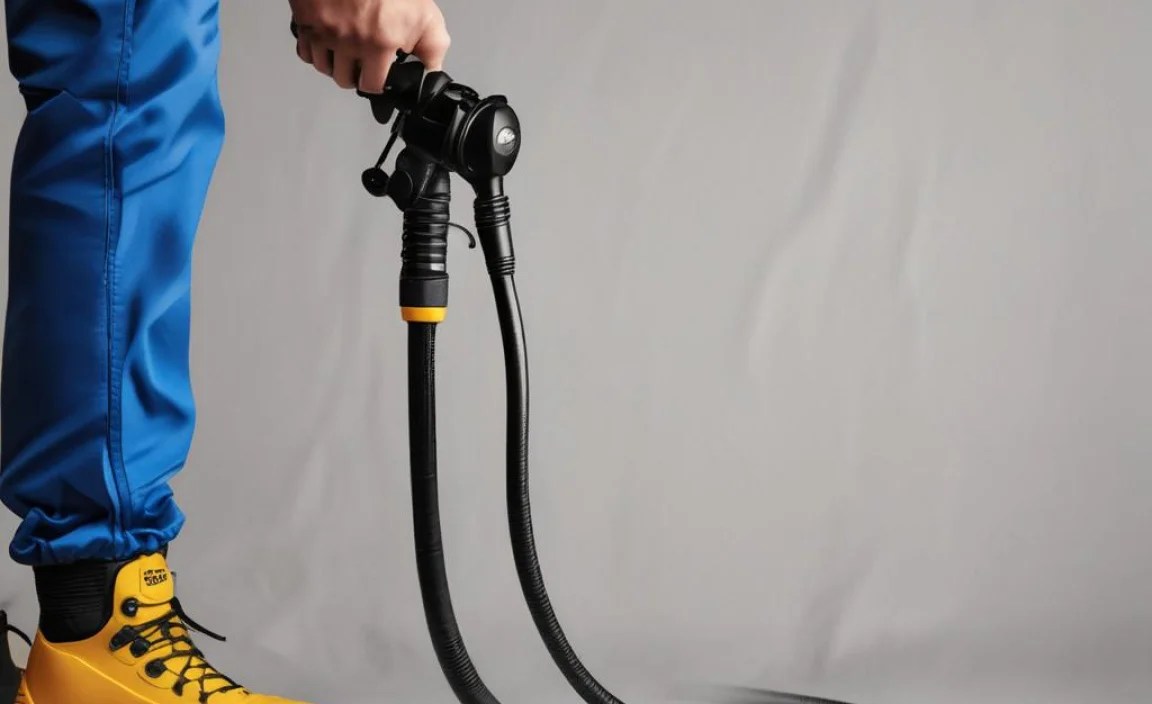
Before you start ordering parts, it’s important to figure out exactly what’s wrong with your Topeak pump hose. Here are the most common issues:
- Leaks: Air hissing out from the hose or connections.
- Cracks: Visible damage to the hose material.
- Disconnections: The hose separating from the pump body or chuck.
- Chuck Problems: The pump head (chuck) not sealing properly on the valve.
- Kinks: Hose is bent sharply, restricting airflow.
Carefully inspect your hose, connections, and chuck to pinpoint the exact location and nature of the problem. This will help you determine the best course of action for repair or replacement.
Tools and Materials You’ll Need

Having the right tools and materials on hand will make the repair process much smoother. Here’s a basic list:
- Replacement Hose Kit: Specifically designed for your Topeak pump model (more on this later).
- Wrench or Adjustable Spanner: For loosening and tightening hose fittings.
- Screwdrivers: Both flathead and Phillips head may be needed.
- Pliers: For gripping and maneuvering small parts.
- Utility Knife or Scissors: For trimming the hose if needed.
- Silicone Grease: To lubricate connections and improve sealing.
- Soapy Water: To help identify leaks.
- Rag or Paper Towels: For cleanup.
Finding the Right Replacement Hose Kit

Topeak makes a variety of pumps, and each model may require a specific hose kit. Using the wrong kit can lead to compatibility issues and prevent a proper repair. Here’s how to find the right one:
- Identify Your Pump Model: Look for the model name or number printed on the pump body.
- Check the Topeak Website: Visit Topeak’s official website. They often have parts diagrams and compatibility charts.
- Consult Your Local Bike Shop: They can help you identify the correct kit and may even have it in stock.
- Online Retailers: Many online bike retailers sell Topeak replacement parts. Be sure to cross-reference the part number with your pump model.
Important: When ordering online, double-check the product description and customer reviews to ensure the kit is compatible with your specific Topeak pump.
Step-by-Step Guide to Replacing a Topeak Pump Hose

Now that you’ve identified the problem and gathered your tools and materials, let’s get to the repair! Here’s a general step-by-step guide for replacing a Topeak pump hose. Keep in mind that the exact steps may vary slightly depending on your specific pump model.
Step 1: Disconnect the Old Hose
- Deflate the Pump: Release any remaining air pressure in the pump.
- Locate the Hose Connections: Identify where the hose connects to the pump body and the chuck.
- Loosen the Fittings: Use a wrench or adjustable spanner to carefully loosen the fittings that secure the hose. Be gentle to avoid damaging the pump body or chuck.
- Remove the Hose: Once the fittings are loose, gently pull the hose free from the pump and chuck.
Tip: Take photos as you disassemble the hose. These will be helpful when you reassemble the new hose.
Step 2: Prepare the New Hose
- Compare the New Hose: Compare the new hose to the old one to ensure they are the same length and have the same fittings.
- Cut to Length (If Necessary): If the new hose is slightly longer, you may need to trim it to the correct length using a utility knife or scissors. Make a clean, straight cut.
Step 3: Install the New Hose
- Attach the Hose to the Pump Body: Insert one end of the new hose into the fitting on the pump body. Tighten the fitting securely with a wrench or adjustable spanner. Be careful not to overtighten.
- Attach the Hose to the Chuck: Insert the other end of the hose into the fitting on the chuck. Tighten the fitting securely.
Step 4: Test for Leaks
- Inflate the Pump: Pump the handle to build up pressure in the hose.
- Apply Soapy Water: Use a small brush or spray bottle to apply soapy water to the hose connections.
- Check for Bubbles: Watch for bubbles forming around the connections. Bubbles indicate a leak.
- Tighten Connections (If Necessary): If you find any leaks, carefully tighten the fittings a little more. Repeat the soapy water test until the leaks are gone.
Important: If you can’t eliminate the leaks by tightening the fittings, double-check that the hose is properly seated in the fittings and that the fittings are not damaged.
Troubleshooting Common Issues
Even with careful installation, you might encounter some issues. Here’s how to troubleshoot some common problems:
- Leaks Persist:
- Check for damage to the fittings or hose.
- Make sure the hose is fully inserted into the fittings.
- Try using a small amount of silicone grease on the fittings to improve sealing.
- Chuck Doesn’t Seal:
- Make sure the chuck is compatible with your valve type (Presta or Schrader).
- Check the chuck’s rubber seals for damage or wear.
- Try cleaning the valve on your inner tube.
- Hose Kinks:
- Avoid sharply bending the hose.
- If the hose is prone to kinking, consider using a hose with a more flexible material.
Maintaining Your Topeak Pump Hose
Proper maintenance can extend the life of your Topeak pump hose and prevent future problems. Here are some tips:
- Store the Pump Properly: Avoid storing the pump in direct sunlight or extreme temperatures.
- Inspect the Hose Regularly: Check for cracks, leaks, and other damage.
- Lubricate the Fittings: Apply a small amount of silicone grease to the fittings periodically to keep them from drying out and cracking.
- Avoid Over-Inflating: Over-inflating your tires can put unnecessary stress on the hose.
When to Consider Professional Help
While most Topeak pump hose repairs are straightforward, there are times when it’s best to seek professional help. Consider taking your pump to a bike shop if:
- You’re not comfortable performing the repair yourself.
- You’ve tried replacing the hose, but the leaks persist.
- The pump body or chuck is damaged.
Table: Topeak Pump Hose Problems and Solutions
| Problem | Possible Solutions | Difficulty |
|---|---|---|
| Hose Leak | Tighten connections, replace hose, apply silicone grease | Easy to Medium |
| Cracked Hose | Replace hose | Easy |
| Hose Disconnection | Reattach hose, tighten connections, replace hose if damaged | Easy |
| Chuck Not Sealing | Clean valve, check chuck seals, replace chuck | Easy to Medium |
| Hose Kink | Straighten hose, replace with more flexible hose | Easy |
Table: Recommended Silicone Greases for Bike Pumps
| Product Name | Description | Link |
|---|---|---|
| Park Tool Polylube 1000 | A popular, general-purpose grease suitable for pump parts. | Park Tool |
| Finish Line Silicone Grease | Specifically designed for rubber and plastic parts. | Finish Line |
| Phil Wood Waterproof Grease | A high-quality, waterproof grease that can be used on various bike components. | Phil Wood |
Topeak Pump Hose: Care Tips
- Avoid Over-Extension: Don’t pull the hose too hard, especially at extreme angles.
- Proper Storage: Coil the hose loosely when storing the pump to prevent kinks.
- Regular Cleaning: Wipe down the hose with a damp cloth to remove dirt and grime.
- Check Valve Compatibility: Ensure your pump head is correctly set for Presta or Schrader valves.
FAQ: Topeak Pump Hose Fixes
Here are some frequently asked questions about fixing Topeak pump hoses:
- Q: How often should I replace my Topeak pump hose?
- A: It depends on how frequently you use your pump and the conditions it’s exposed to. Inspect the hose regularly for cracks or leaks. If you notice any damage, replace it immediately.
- Q: Can I use any hose as a replacement for my Topeak pump?
- A: No, it’s important to use a hose specifically designed for your Topeak pump model. Using the wrong hose can lead to compatibility issues and prevent a proper seal.
- Q: What is silicone grease and why should I use it?
- A: Silicone grease is a lubricant that is safe for use on rubber and plastic parts. It helps to improve sealing and prevent parts from drying out and cracking.
- Q: My pump hose keeps disconnecting from the chuck. What can I do?
- A: Make sure the hose is fully inserted into the chuck fitting and that the fitting is tightened securely. If the problem persists, the chuck fitting may be damaged and need to be replaced.
- Q: Can I repair a small crack in my pump hose with tape?
- A: While tape might provide a temporary fix, it’s not a reliable long-term solution. It’s best to replace the hose as soon as possible to ensure proper inflation.
- Q: Where can I buy a replacement Topeak pump hose?
- A: You can buy replacement Topeak pump hoses from your local bike shop, online retailers, or directly from the Topeak website.
- Q: My pump is very old. Can I still find replacement parts?
- A: It might be more challenging, but Topeak generally supports their products for many years. Check their website or contact customer service. Bike shops specializing in vintage bikes can also be a great resource.
Conclusion
Fixing a Topeak pump hose doesn’t have to be a daunting task. By following these steps, you can diagnose the problem, find the right replacement parts, and perform the repair with confidence. Regular maintenance will help to extend the life of your pump and keep you rolling smoothly for years to come. Now get out there and enjoy the ride!


