
How Do Fuel Pumps Cycle? A Cyclist’s Guide

Quick Summary: Fuel pumps in bicycles cycle by using a manual or electric mechanism to draw air into the pump and then force it into the tire. Manual pumps use a piston and cylinder system powered by your hand, while electric pumps use a motor. Both create pressure, inflating your tires efficiently. Understanding this cycle helps you maintain your pump and keep your tires properly inflated.
Ever wondered how your bike tires magically inflate when you use a pump? It might seem simple, but the process involves a clever cycle of air intake and expulsion. Many cyclists find themselves frustrated with slow or inefficient pumps, not realizing the key is understanding how these pumps actually work. Don’t worry; you’re not alone! This guide will break down the fuel pump cycle in easy-to-understand steps. We’ll cover manual and electric pumps, common issues, and how to keep your pump in top shape. Ready to become a pump pro? Let’s dive in!
Understanding the Basics of Fuel Pumps

Before we get into the cycling action, let’s clarify what a fuel pump does in the context of bicycles. Unlike cars, bikes don’t use fuel, so the term “fuel pump” is a bit of a misnomer. We’re really talking about air pumps designed to inflate your tires. These pumps work by creating a pressure difference, drawing air in and then forcing it into your tire. Whether it’s a hand pump or an electric inflator, the underlying principle is the same: moving air to increase tire pressure.
Key Components of a Bicycle Pump
To understand the cycling process, it’s helpful to know the main parts of a typical bicycle pump:
- Cylinder: The main chamber where air is compressed.
- Piston: A moving component inside the cylinder that pushes air.
- Handle: The part you push or pull to operate the piston (for manual pumps).
- Hose: Connects the pump to the tire valve.
- Valve Connector: Attaches to the tire valve (Presta or Schrader).
- Base: Provides stability during pumping (usually on floor pumps).
- Check Valve: A one-way valve that prevents air from flowing back into the pump.
The Fuel Pump Cycle in Manual Pumps

Manual pumps, like hand pumps and floor pumps, rely on your muscle power to operate. Here’s a detailed breakdown of the cycle:
- Intake Stroke: You pull the handle up, which increases the volume inside the cylinder. This creates a vacuum, drawing air into the cylinder through an intake valve.
- Compression Stroke: You push the handle down, decreasing the volume inside the cylinder. This compresses the air.
- Delivery Stroke: As the air compresses, it forces the check valve open, allowing the pressurized air to flow through the hose and into the tire.
- Repeat: You repeat these strokes until your tire reaches the desired pressure.
Think of it like breathing: the intake stroke is like inhaling, and the compression/delivery stroke is like exhaling into the tire.
Visualizing the Manual Pump Cycle
Imagine a syringe. When you pull the plunger, it draws liquid in. When you push the plunger, it forces the liquid out. A manual bike pump works on the same principle, but with air instead of liquid.
Pros and Cons of Manual Pumps
Manual pumps are a staple for many cyclists, but they come with their own set of advantages and disadvantages.
- Pros:
- Portable and lightweight
- No need for electricity
- Affordable
- Cons:
- Requires physical effort
- Can be slow for high-volume tires
- May not reach very high pressures easily
The Fuel Pump Cycle in Electric Pumps

Electric pumps use a motor to drive the piston or other mechanism that compresses air. Here’s how the cycle works:
- Power On: You turn on the pump, activating the electric motor.
- Air Intake: The motor drives a piston or diaphragm, creating a vacuum that draws air into the pump.
- Compression: The motor continues to drive the mechanism, compressing the air.
- Delivery: The compressed air is forced through a hose and into the tire via a check valve.
- Automatic Shut-Off (if equipped): Some electric pumps have a pressure sensor that automatically stops the pump when the tire reaches the set pressure.
Electric pumps automate the process, saving you from physical exertion.
Visualizing the Electric Pump Cycle
Think of an air compressor used for inflating car tires or powering tools. An electric bike pump works similarly, just on a smaller scale. The motor does the work of compressing the air, so you don’t have to.
Pros and Cons of Electric Pumps
Electric pumps offer convenience, but they also have some drawbacks.
- Pros:
- Effortless inflation
- Faster than manual pumps
- Can reach high pressures easily
- Some models have automatic shut-off
- Cons:
- Requires a power source (battery or outlet)
- Can be more expensive
- May be bulkier and less portable
Comparing Manual and Electric Pump Cycles

Here’s a table summarizing the key differences between the manual and electric pump cycles:
| Feature | Manual Pump | Electric Pump |
|---|---|---|
| Power Source | Human power | Electricity (battery or outlet) |
| Air Intake | Vacuum created by piston movement | Vacuum created by motor-driven piston or diaphragm |
| Compression | Piston compresses air | Motor-driven mechanism compresses air |
| Delivery | Compressed air forced into tire | Compressed air forced into tire |
| Effort | Requires physical effort | Effortless |
| Speed | Slower | Faster |
| Portability | Highly portable | Less portable |
| Cost | More affordable | More expensive |
Troubleshooting Common Pump Issues
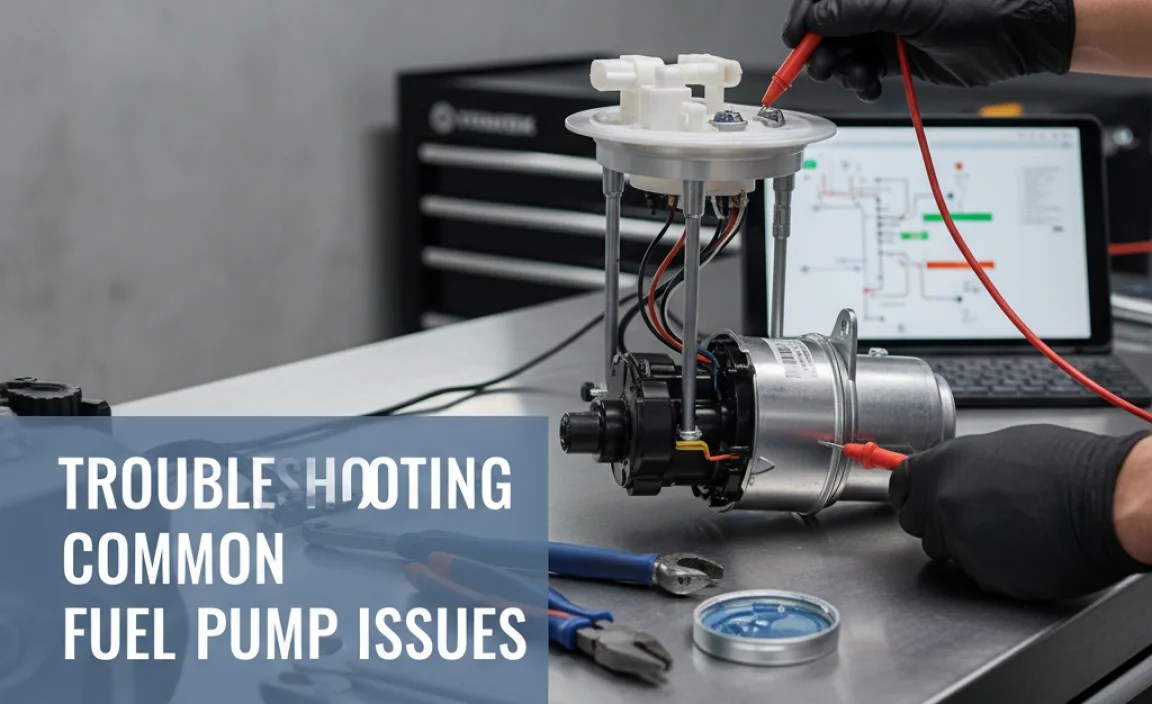
Sometimes, your pump might not work as expected. Here are some common issues and how to troubleshoot them:
- Pump not inflating:
- Possible Cause: Leaky hose or valve connector.
- Solution: Check for cracks or damage in the hose. Make sure the valve connector is securely attached to the tire valve.
- Pump is hard to push:
- Possible Cause: Dry or dirty piston.
- Solution: Lubricate the piston with a small amount of silicone grease. Clean the cylinder if it’s dirty.
- Air leaking from the pump:
- Possible Cause: Worn-out seals or check valve.
- Solution: Replace the seals or check valve. These parts are often replaceable on good quality pumps.
- Electric pump not turning on:
- Possible Cause: Dead battery or power issue.
- Solution: Charge or replace the battery. Check the power outlet or connection.
Maintaining Your Fuel Pump for Optimal Performance
Regular maintenance can keep your pump working efficiently and extend its lifespan. Here are some tips:
- Clean the pump regularly: Wipe down the exterior to remove dirt and grime.
- Lubricate the piston: Apply a small amount of silicone grease to the piston every few months (for manual pumps).
- Check the hose and valve connector: Inspect for cracks or damage and replace if necessary.
- Store the pump properly: Keep it in a dry place to prevent rust and corrosion.
- Replace worn parts: Seals, check valves, and other components can wear out over time. Replace them as needed.
By following these maintenance tips, you’ll ensure your pump is always ready to inflate your tires.
Choosing the Right Pump for Your Needs
Selecting the right pump depends on your cycling style, budget, and preferences. Here’s a quick guide:
- Floor Pump: Ideal for home use. Provides stability and can inflate tires quickly.
- Hand Pump: Great for on-the-go repairs. Compact and lightweight.
- Mini Pump: A smaller version of the hand pump, even more portable.
- Electric Pump: Best for convenience and speed. Great for cyclists who want effortless inflation.
- CO2 Inflator: Uses compressed CO2 cartridges for rapid inflation. Good for emergencies, but not as economical for regular use.
Consider your needs and choose a pump that fits your cycling lifestyle.
Understanding Presta and Schrader Valves
Bike tires use two main types of valves: Presta and Schrader. Knowing the difference is crucial for using your pump correctly.
- Presta Valve:
- Narrower and longer than Schrader valves.
- Typically found on road bikes and high-performance bikes.
- You need to unscrew the valve tip before inflating.
- Schrader Valve:
- Wider and shorter, similar to car tire valves.
- Common on mountain bikes, hybrid bikes, and some commuter bikes.
- No need to unscrew the valve tip before inflating.
Make sure your pump’s valve connector is compatible with your tire valves. Some pumps have dual connectors that work with both types.
Step-by-Step Guide to Inflating a Tire
Here’s a simple guide to inflating your tires using a manual pump:
- Prepare the Valve:
- For Presta valves, unscrew the valve tip.
- For Schrader valves, remove the valve cap.
- Attach the Pump:
- Securely attach the pump’s valve connector to the tire valve.
- Make sure it’s a tight fit to prevent air leaks.
- Inflate the Tire:
- For floor pumps, place your feet on the base and pump the handle up and down.
- For hand pumps, hold the pump firmly and pump the handle in and out.
- Check the Pressure:
- Use a tire pressure gauge to check the pressure.
- Inflate to the recommended pressure (PSI) printed on the tire sidewall.
- Detach and Secure:
- Carefully detach the pump from the valve.
- For Presta valves, screw the valve tip back on.
- Replace the valve cap on Schrader valves.
The Importance of Tire Pressure
Maintaining the correct tire pressure is essential for a smooth and safe ride. Here’s why:
- Rolling Resistance:
- Properly inflated tires roll faster and require less effort.
- Handling:
- Correct pressure improves grip and control, especially on corners.
- Puncture Resistance:
- Underinflated tires are more prone to pinch flats.
- Tire Wear:
- Proper pressure ensures even wear and extends tire life.
Always check your tire pressure before each ride and adjust as needed.
Advanced Tips for Efficient Pumping
Want to pump like a pro? Here are some advanced tips:
- Use your body weight: When using a floor pump, lean into the handle to maximize the force.
- Maintain a smooth rhythm: Consistent pumping is more efficient than jerky movements.
- Listen for air leaks: If you hear hissing, check the valve connector and hose for leaks.
- Keep your pump clean: A clean pump works more efficiently and lasts longer.
- Experiment with tire pressure: Adjust the pressure based on your weight, riding conditions, and personal preference.
FAQ: Common Questions About Fuel Pump Cycles
What does “cycling” mean in the context of a fuel pump?
In a fuel pump, “cycling” refers to the repetitive process of drawing air in, compressing it, and then pushing it into the tire to inflate it. This cycle continues until the desired pressure is reached.
How often should I lubricate my manual pump?
You should lubricate your manual pump every few months or when you notice it’s becoming harder to pump. Use a small amount of silicone grease on the piston for best results.
Can I use a car tire pump on my bike?
While you can use a car tire pump on a bike with Schrader valves, it’s not ideal. Car pumps often deliver too much air at once and can be difficult to control for bike tires. A bike-specific pump is generally better.
Why is my electric pump taking so long to inflate my tire?
Several factors can cause this. The pump might have a low power output, the tire might be very large, or there could be a leak in the hose or valve connector. Check these factors to improve inflation time.
What’s the difference between PSI and BAR?
PSI (pounds per square inch) and BAR are both units of pressure measurement. 1 BAR is approximately equal to 14.5 PSI. Tire pressure gauges often display both units.
How do I know what PSI to inflate my tires to?
The recommended PSI range is usually printed on the sidewall of your tire. Start within this range and adjust based on your weight, riding conditions, and personal preference.
What should I do if my pump gets clogged?
If your pump gets clogged, try disassembling it and cleaning the parts. Use a small brush or cloth to remove any dirt or debris. Reassemble and lubricate the pump before using it again.
Conclusion
Understanding how fuel pumps cycle is key to keeping your tires properly inflated and enjoying a smooth, efficient ride. Whether you’re using a manual or electric pump, knowing the basics of air intake, compression, and delivery will help you troubleshoot issues and maintain your equipment. Regular maintenance, choosing the right pump for your needs, and paying attention to tire pressure are all part of being a well-prepared cyclist. So, grab your pump, inflate those tires, and get ready to roll!
“`


