
How Long Should a Heat Pump Defrost Cycle Last?

Quick Summary: A typical heat pump defrost cycle lasts between 3 to 15 minutes. The frequency and duration depend on factors like outside temperature, humidity, and the efficiency of your heat pump. Longer or more frequent cycles might indicate a problem needing professional attention.
Heat pumps are fantastic for keeping your home comfortable year-round, but they can sometimes seem a bit mysterious, especially when it comes to defrost cycles. It’s normal for a heat pump to ice up in cold weather, but how long should that defrost cycle really last? If it’s too short, the ice won’t melt. Too long, and you’re wasting energy and not heating your home efficiently. We’ll break down what’s normal, what to watch out for, and when to call in the pros.
In this guide, we’ll cover:
- Understanding the defrost cycle.
- Factors affecting defrost cycle duration.
- Troubleshooting common issues.
- Tips for maintaining your heat pump’s efficiency.
Understanding the Heat Pump Defrost Cycle

When the temperature drops below freezing, moisture in the air can freeze on the outdoor coil of your heat pump. This ice buildup reduces the heat pump’s ability to extract heat from the outside air, making it less efficient. That’s where the defrost cycle comes in. The heat pump temporarily reverses its operation, sending hot refrigerant through the outdoor coil to melt the ice. Think of it like your car’s defroster, but for your home’s heating system.
During the defrost cycle, you might notice:
- The outdoor fan stops running.
- Steam or fog rising from the unit.
- A whooshing or hissing sound.
- Auxiliary or emergency heat kicking in to keep your home warm.
These are all normal signs that your heat pump is doing its job. However, understanding the typical duration and frequency of these cycles is key to spotting potential problems.
Factors Affecting Defrost Cycle Duration

Several factors influence how long a heat pump’s defrost cycle lasts. Understanding these can help you gauge whether your unit is operating as it should.
Outside Temperature
The colder it is outside, the more frequently your heat pump will need to defrost. At very low temperatures (around 20-30°F or -7 to -1°C), the defrost cycle might occur more often and last longer. Conversely, if the temperature is just around freezing, the cycles might be shorter and less frequent.
Humidity Levels
High humidity can lead to more ice buildup on the outdoor coil. This is because there’s more moisture in the air that can freeze. In humid conditions, expect longer and more frequent defrost cycles.
Heat Pump Efficiency and Age
Newer, more efficient heat pumps often have better defrost controls and can complete the cycle more quickly. Older units might take longer due to wear and tear or less sophisticated technology. SEER (Seasonal Energy Efficiency Ratio) ratings can give you an idea of how efficient your unit is.
Unit Placement and Airflow
If your heat pump is located in a sheltered area with poor airflow, it might ice up more quickly. Good airflow helps to prevent excessive ice buildup. Make sure bushes, snow, or other obstructions aren’t blocking the unit.
Refrigerant Levels
Low refrigerant levels can cause the heat pump to work harder and ice up more frequently. If you suspect a refrigerant leak, it’s best to call a professional for diagnosis and repair.
Here’s a quick table summarizing these factors:
| Factor | Effect on Defrost Cycle |
|---|---|
| Outside Temperature | Lower temperatures lead to more frequent and longer cycles. |
| Humidity Levels | Higher humidity leads to more ice buildup and longer cycles. |
| Heat Pump Efficiency | Efficient units have shorter cycles. |
| Unit Placement | Poor airflow increases ice buildup and cycle frequency. |
| Refrigerant Levels | Low refrigerant causes more frequent icing. |
Typical Defrost Cycle Duration
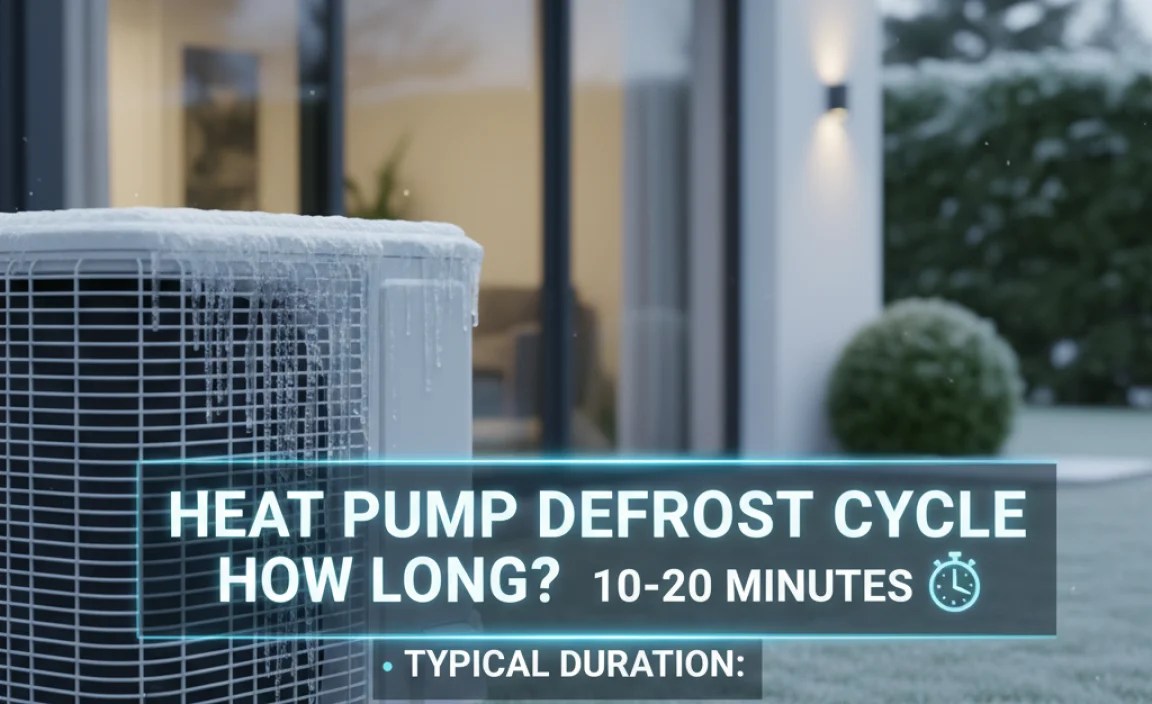
So, how long *should* a defrost cycle last? Generally, you can expect a defrost cycle to last anywhere from 3 to 15 minutes. Most heat pumps are programmed to initiate a defrost cycle every 30 to 90 minutes when operating in heating mode and when the outdoor temperature is below approximately 40°F (4°C).
Keep in mind that these are just averages. The actual duration can vary based on the factors we discussed earlier. The key is to notice any significant deviations from the norm.
Recognizing Potential Problems
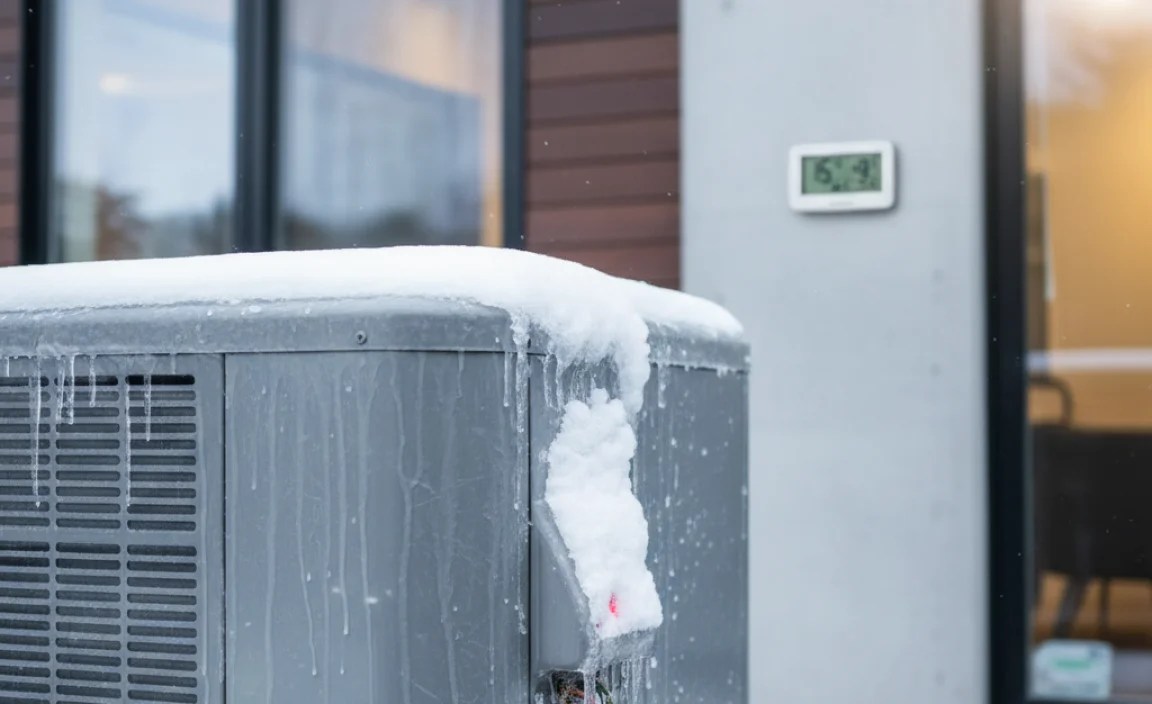
While some variation is normal, certain signs indicate that your heat pump’s defrost cycle isn’t working correctly.
Excessively Long Defrost Cycles
If your heat pump stays in defrost mode for longer than 15-20 minutes, it could indicate a problem. This could be due to a faulty defrost sensor, a malfunctioning control board, or other issues. Continuous defrost cycles can waste energy and reduce the unit’s heating capacity.
Too Frequent Defrost Cycles
If your heat pump is defrosting every 20-30 minutes, even when the temperature is only slightly below freezing, it’s worth investigating. This could be caused by a dirty outdoor coil, poor airflow, or a malfunctioning defrost timer.
Lack of Defrost Cycles
Conversely, if you notice excessive ice buildup on the outdoor coil and the unit never goes into defrost mode, that’s also a problem. This could be due to a faulty defrost sensor, a broken reversing valve, or a problem with the control board.
Ice Buildup on the Bottom of the Unit
While some ice on the coil is normal, excessive ice buildup on the bottom of the unit can indicate drainage problems. Make sure the drain holes are clear and that melting ice can drain away freely.
Increased Energy Bills
If you notice a sudden spike in your energy bills during the heating season, it could be related to inefficient defrost cycles. A malfunctioning defrost system can cause the auxiliary heat to run more often, increasing energy consumption.
Troubleshooting Common Issues
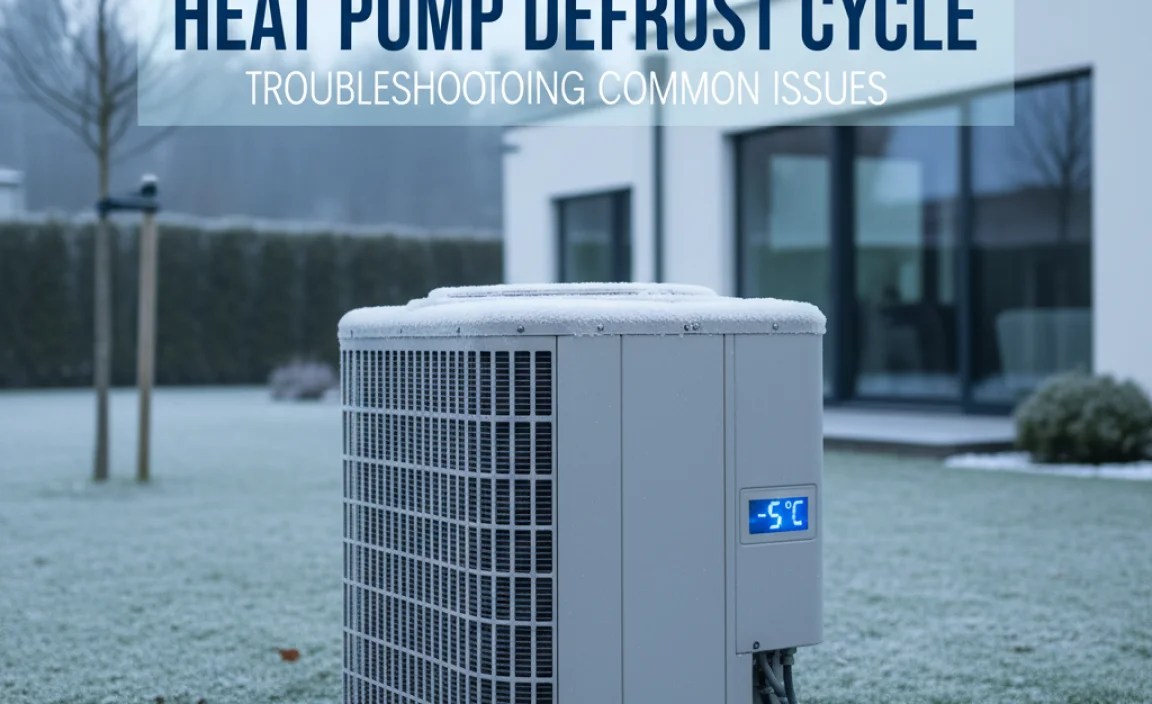
Before calling a professional, there are a few simple things you can check yourself.
Check for Obstructions
Make sure there are no bushes, snowdrifts, or other obstructions blocking the outdoor unit. Clear away any debris that could be restricting airflow.
Clean the Outdoor Coil
A dirty outdoor coil can reduce the heat pump’s efficiency and cause it to ice up more quickly. Use a garden hose (with a gentle spray) to clean the coil. Be careful not to damage the delicate fins.
Inspect the Drain Holes
Check the drain holes at the bottom of the unit to make sure they’re clear. You can use a small wire or screwdriver to dislodge any debris.
Check the Air Filter
A dirty air filter can restrict airflow and make the heat pump work harder. Replace the air filter regularly, following the manufacturer’s recommendations.
Reset the Heat Pump
Sometimes, simply turning off the heat pump and turning it back on can reset the system and resolve minor issues. Turn off the breaker for a few minutes, then turn it back on.
If these steps don’t resolve the problem, it’s time to call a qualified HVAC technician. Attempting to repair complex components yourself can be dangerous and may void your warranty.
Professional Repairs
Here are some common repairs that a professional might perform:
- Replacing the Defrost Sensor: The defrost sensor tells the control board when to initiate a defrost cycle. A faulty sensor can cause the unit to defrost too often or not at all.
- Replacing the Control Board: The control board controls all of the heat pump’s functions, including the defrost cycle. A malfunctioning control board can cause a variety of problems.
- Repairing or Replacing the Reversing Valve: The reversing valve switches the flow of refrigerant, allowing the heat pump to switch between heating and cooling modes. A broken reversing valve can prevent the defrost cycle from working correctly.
- Adding Refrigerant: Low refrigerant levels can cause the heat pump to ice up more frequently. A technician can add refrigerant to the system and check for leaks.
- Repairing Drainage Issues: If the unit isn’t draining properly, a technician can clear the drain lines and ensure that the unit is properly sloped for drainage.
Tips for Maintaining Your Heat Pump’s Efficiency
Regular maintenance can help to keep your heat pump running efficiently and prevent problems with the defrost cycle.
- Schedule Regular Maintenance: Have your heat pump inspected and serviced by a qualified technician at least once a year.
- Keep the Area Around the Unit Clear: Clear away any bushes, snowdrifts, or other obstructions that could be blocking airflow.
- Clean the Outdoor Coil Regularly: Use a garden hose to clean the outdoor coil, removing any dirt, leaves, or debris.
- Replace the Air Filter Regularly: A dirty air filter can reduce airflow and make the heat pump work harder.
- Monitor Your Energy Bills: Keep an eye on your energy bills and look for any sudden spikes that could indicate a problem.
Here is a maintenance schedule to help you keep your heat pump in good shape:
| Frequency | Task |
|---|---|
| Monthly | Check and replace air filter |
| Quarterly | Inspect outdoor unit for debris and obstructions |
| Annually | Professional inspection and maintenance |
The Role of Auxiliary Heat During Defrost
It’s important to understand that when your heat pump goes into defrost mode, it’s temporarily blowing cool air into your home. To compensate for this, most heat pumps are equipped with auxiliary or emergency heat. This is usually an electric resistance heater that kicks in to keep your home warm during the defrost cycle.
You’ll likely notice that your thermostat indicates that auxiliary heat is running during these periods. It’s normal for auxiliary heat to run briefly during defrost, but if it’s running for extended periods or more frequently than expected, it could indicate a problem with the heat pump or the defrost cycle. A malfunctioning defrost system can cause the auxiliary heat to run more often, increasing your energy consumption.
Heat Pump Technology Advancements
Heat pump technology is constantly evolving, with newer models offering improved efficiency, quieter operation, and more sophisticated defrost controls. Some of the latest advancements include:
- Variable-Speed Compressors: These compressors can adjust their speed to match the heating or cooling demand, providing more consistent temperatures and improved efficiency.
- Smart Defrost Systems: These systems use advanced sensors and algorithms to determine when a defrost cycle is needed, minimizing unnecessary cycles and maximizing efficiency.
- Improved Coil Designs: New coil designs enhance heat transfer and reduce ice buildup.
- Eco-Friendly Refrigerants: Newer heat pumps use refrigerants with lower global warming potential, reducing their environmental impact.
If you’re considering replacing your old heat pump, it’s worth exploring these newer technologies to take advantage of the improved efficiency and performance.
Energy Efficiency and Cost Savings
A properly functioning heat pump can save you a significant amount of money on your energy bills compared to traditional heating systems. According to the U.S. Department of Energy, heat pumps can reduce your electricity use for heating by as much as 50%. However, to achieve these savings, it’s crucial to ensure that your heat pump is properly maintained and that the defrost cycle is working efficiently.
Here are some tips for maximizing your heat pump’s energy efficiency:
- Set the Thermostat at a Consistent Temperature: Avoid drastically changing the thermostat setting, as this can cause the auxiliary heat to run more often.
- Use a Programmable Thermostat: Program the thermostat to lower the temperature when you’re away from home or asleep.
- Seal Air Leaks: Seal any air leaks around windows, doors, and other openings to prevent heat loss.
- Insulate Your Home: Proper insulation can help to keep your home warm in the winter and cool in the summer, reducing the workload on your heat pump.
- Consider a Smart Thermostat: Smart thermostats can learn your heating and cooling patterns and automatically adjust the temperature to maximize energy savings.
FAQ About Heat Pump Defrost Cycles
Here are some frequently asked questions about heat pump defrost cycles:
- Why does my heat pump go into defrost mode?
- Your heat pump goes into defrost mode to melt ice that forms on the outdoor coil when the temperature is near or below freezing. Ice buildup reduces the heat pump’s efficiency.
- Is it normal to see steam coming from my heat pump during defrost?
- Yes, the steam or fog you see is simply the melting ice evaporating. This is a normal part of the defrost cycle.
- Can I manually defrost my heat pump?
- It’s generally not recommended to manually defrost your heat pump. The unit is designed to defrost automatically. If you’re concerned about ice buildup, contact a professional.
- What happens if my heat pump doesn’t defrost?
- If your heat pump doesn’t defrost, ice can continue to build up, reducing its efficiency and potentially damaging the unit. Contact a qualified technician to diagnose and repair the problem.
- How often should I have my heat pump serviced?
- It’s recommended to have your heat pump inspected and serviced by a qualified technician at least once a year.
- Does the defrost cycle use a lot of energy?
- The defrost cycle does use some energy, as it involves reversing the refrigeration process and potentially using auxiliary heat. However, a properly functioning defrost system should minimize energy consumption.
- Can I cover my heat pump in the winter to prevent ice buildup?
- No, you should not cover your heat pump. Covering the unit can restrict airflow and cause it to ice up more quickly. It can also damage the unit.
Conclusion
Understanding the heat pump defrost cycle is key to keeping your system running efficiently and spotting potential problems early on. While a typical defrost cycle should last between 3 to 15 minutes, various factors can affect its duration and frequency. By keeping an eye on your unit, performing regular maintenance, and knowing when to call a professional, you can ensure that your heat pump keeps your home comfortable for years to come.
“`


