
How Often Should a Home Well Pump Cycle? A Simple Guide

Quick Summary: A typical well pump cycles 3-8 times per hour. More than that suggests a problem like a leak, a failing pressure tank, or a pump nearing the end of its life. Less frequent cycling might indicate overuse or a different kind of issue. Monitoring your well pump’s cycles can help you catch small problems before they become big, expensive repairs.
Is your well pump turning on and off too much? Or maybe not enough? Figuring out the right cycling frequency for your home’s well pump can be tricky. It’s a common worry for homeowners who rely on well water. A pump that cycles too often can wear out quickly, costing you money and leaving you without water. But don’t worry! This guide will walk you through how to determine the ideal cycle rate for your well pump, what causes abnormal cycling, and how to troubleshoot common issues. Let’s get started and keep your water flowing smoothly.
Understanding Well Pump Cycling
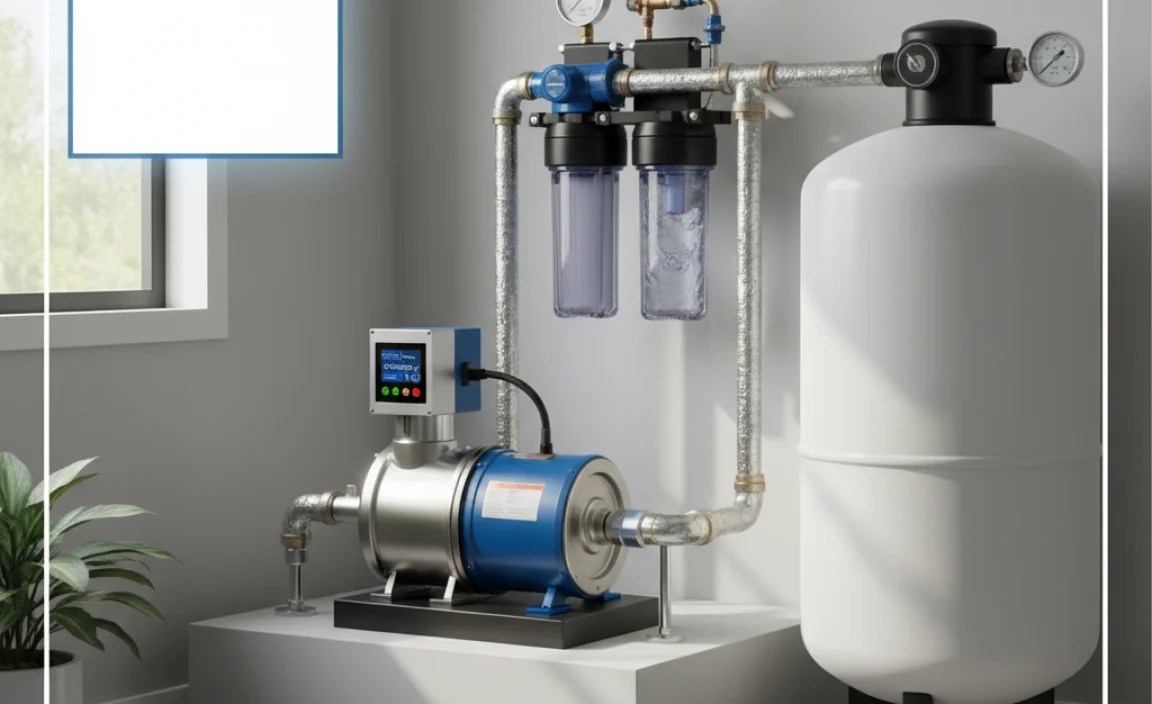
Before diving into how often your well pump should cycle, let’s cover the basics of how well pump systems work. This will give you a solid foundation for understanding what’s “normal” and what might indicate a problem.
The Basics of a Well System
A typical residential well system has several key components:
- Well: This is the source of your water, drilled deep into the ground to reach an aquifer.
- Submersible Pump: Located inside the well, this pump pushes water up into your home.
- Pressure Tank: This tank stores water under pressure, providing a ready supply when you turn on a faucet or appliance.
- Pressure Switch: This switch monitors the water pressure in the tank and tells the pump when to turn on and off.
- Pipes: These carry water from the well to your home.
How the Cycle Works
Here’s a step-by-step breakdown of a typical well pump cycle:
- Water Use: You turn on a faucet, flush a toilet, or use water in some way. This draws water from the pressure tank.
- Pressure Drop: As water leaves the tank, the pressure inside decreases.
- Switch Activation: When the pressure drops to a pre-set “cut-in” point (usually around 40 PSI), the pressure switch activates.
- Pump Starts: The pressure switch signals the well pump to turn on and start pumping water from the well into the pressure tank.
- Pressure Increase: The pump continues to run, filling the tank and increasing the pressure.
- Switch Deactivation: Once the pressure reaches a pre-set “cut-out” point (usually around 60 PSI), the pressure switch deactivates.
- Pump Stops: The pump turns off, and the cycle is complete. Water is now stored in the tank, ready for the next demand.
What’s Considered a “Normal” Cycling Frequency?
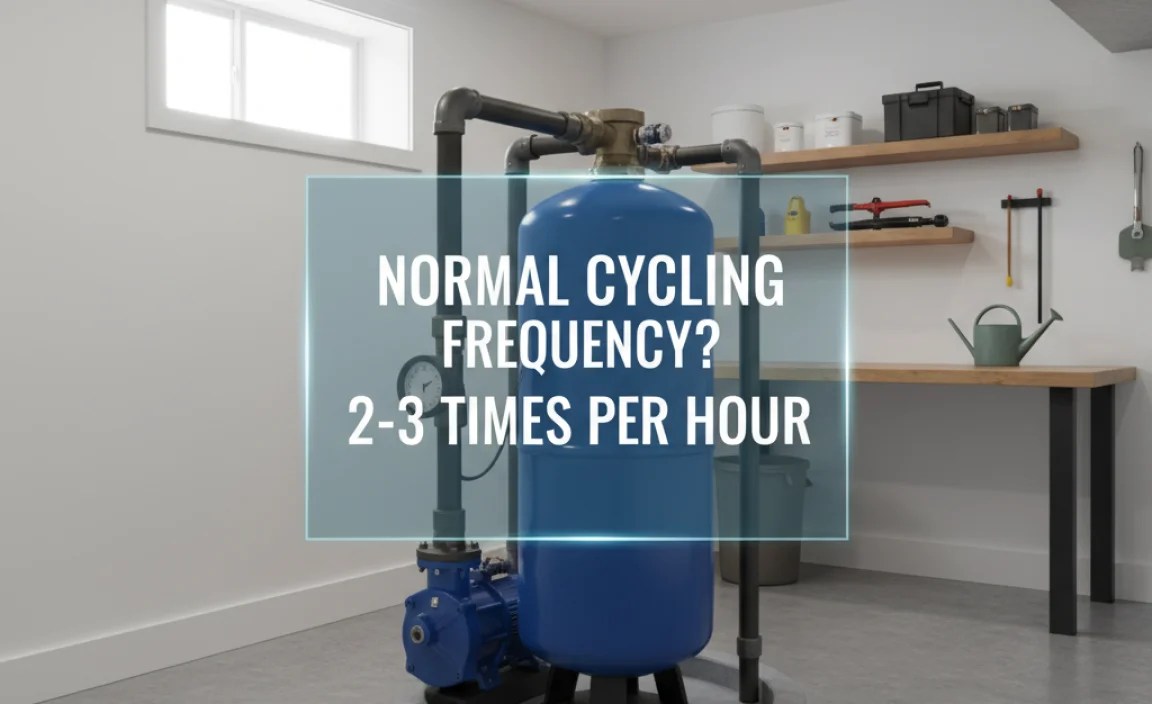
So, how often *should* your well pump cycle? The answer isn’t a single number, but rather a range. Several factors influence the ideal cycling frequency.
Typical Range
Generally, a well pump should cycle between 3 and 8 times per hour. This range allows for adequate water pressure and prevents the pump from overworking.
Factors Affecting Cycling Frequency
Several things can influence how often your pump cycles:
- Tank Size: A larger pressure tank means the pump needs to run less frequently to maintain pressure.
- Water Usage: Higher water consumption will naturally lead to more frequent cycling.
- Pump Capacity: A more powerful pump will fill the tank faster, potentially leading to shorter, more frequent cycles if not paired with a properly sized tank.
- Pressure Settings: The cut-in and cut-out pressure settings on your pressure switch affect how long the pump runs each cycle.
How to Calculate Your Pump’s Cycling Frequency
To get a sense of your pump’s cycling frequency, follow these steps:
- Turn Off Water: Make sure all faucets and appliances that use water are turned off.
- Observe: Watch your pressure gauge on the pressure tank.
- Record: Note the time when the pump starts (when the pressure reaches the cut-in point) and when it stops (when the pressure reaches the cut-out point).
- Repeat: Repeat this observation several times over an hour.
- Calculate: Count the number of cycles (pump starts) within that hour.
What Causes a Well Pump to Cycle Too Often?

If your well pump is cycling more than 8 times per hour, it’s a sign that something might be wrong. Here are the most common causes:
1. Leaks in the Plumbing
Even a small leak can cause a significant pressure drop in your system, leading to frequent pump cycling. Check all faucets, toilets, and pipes for any signs of leaks.
2. A Waterlogged Pressure Tank
The pressure tank uses a cushion of air to maintain pressure. Over time, this air can leak out, causing the tank to become waterlogged. A waterlogged tank has less usable water volume, so the pump has to cycle more often.
3. Faulty Check Valve
The check valve prevents water from flowing back into the well when the pump is off. If the check valve is faulty, water will leak back into the well, causing the pressure to drop and the pump to cycle on more frequently.
4. High Water Demand
If you’re using a lot of water (e.g., watering the lawn, filling a swimming pool), the pump will naturally cycle more often. However, if your water usage hasn’t changed, this is less likely to be the sole cause.
5. A Failing Well Pump
As a well pump ages, it becomes less efficient. It may struggle to maintain pressure, leading to more frequent cycling. This is often a sign that the pump is nearing the end of its lifespan.
6. Incorrect Pressure Switch Settings
If the cut-in and cut-out pressure settings on your pressure switch are set too close together, the pump will cycle more frequently. For example, a setting of 40/50 PSI will cause more cycles than a setting of 40/60 PSI.
Troubleshooting: Step-by-Step Solutions
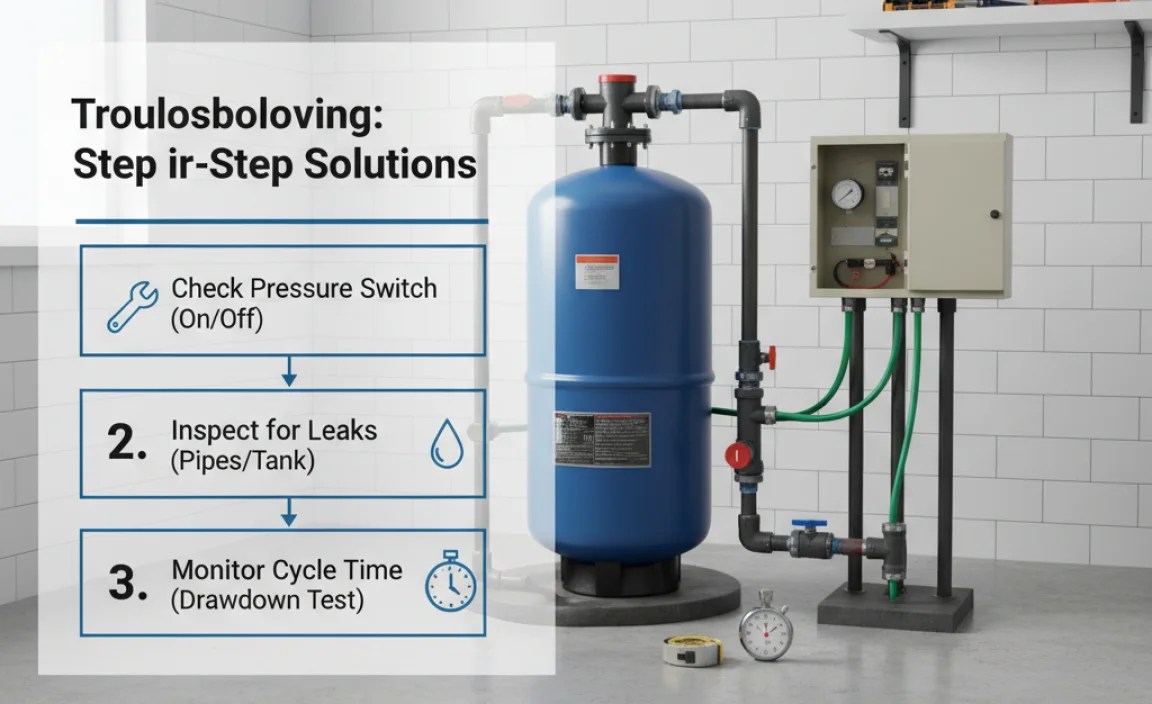
Now that you know the potential causes of frequent cycling, let’s look at how to troubleshoot the problem.
Step 1: Check for Leaks
Carefully inspect all faucets, toilets, and exposed pipes for any signs of leaks. Pay close attention to toilets, as a running toilet can waste a lot of water without being immediately obvious.
Step 2: Test the Pressure Tank
Here’s how to check if your pressure tank is waterlogged:
- Turn Off Power: Turn off the power to the well pump at the circuit breaker.
- Drain the Tank: Open a faucet somewhere in your house and let the water run until the tank is completely empty.
- Check the Weight: Carefully lift or try to rock the pressure tank. If it feels very heavy or full of water, it’s likely waterlogged.
- Tap Test: Tap on the side of the tank. A waterlogged tank will sound full or solid when tapped near the bottom. A healthy tank will sound hollow.
- Air Valve Test: Locate the air valve (Schrader valve) on top of the tank (it looks like a tire valve). Press the valve stem. If water comes out, the bladder inside the tank has likely failed, and the tank needs to be replaced.
Step 3: Inspect the Check Valve
The check valve is usually located either above the well pump or near the pressure tank. To inspect it, you may need to disconnect it from the plumbing. Look for signs of corrosion, debris, or damage. If the valve appears faulty, replace it.
Step 4: Adjust the Pressure Switch
Caution: Working with electricity can be dangerous. If you’re not comfortable working with electrical components, consult a qualified electrician.
- Turn Off Power: Turn off the power to the well pump at the circuit breaker.
- Locate the Pressure Switch: The pressure switch is usually located near the pressure tank.
- Remove the Cover: Carefully remove the cover of the pressure switch.
- Adjust the Settings: Inside the switch, you’ll find adjustment screws or nuts. Typically, there’s one for the cut-in pressure and one for the pressure differential (the difference between the cut-in and cut-out pressures).
- Increase the Differential: To reduce cycling frequency, increase the pressure differential. For example, if your current settings are 40/60 PSI, try adjusting them to 40/70 PSI.
- Test: Turn the power back on and observe the pump’s cycling behavior. Make small adjustments until you achieve the desired frequency.
Step 5: Consider Pump Replacement
If you’ve checked all the other potential causes and your pump is still cycling too often, it may be time to replace it. Well pumps typically last 10-15 years, depending on usage and water quality. If your pump is nearing the end of its lifespan, replacement is often the most cost-effective solution.
What if the Pump Cycles Too Infrequently?

While frequent cycling is a common problem, a pump that cycles too *infrequently* can also indicate an issue. Here’s what to consider:
Possible Causes
- Low Water Demand: If you’re not using much water, the pump won’t need to cycle as often.
- Large Pressure Tank: A very large pressure tank can store a lot of water, reducing the need for frequent cycling.
- Pump Over-Sizing: A pump that’s too powerful for your needs can quickly fill the tank, leading to longer periods between cycles.
- Clogged Well Screen: A clogged well screen restricts water flow into the well, reducing the pump’s output and potentially leading to less frequent cycling (though this usually presents with other symptoms like reduced water pressure).
Troubleshooting Infrequent Cycling
In most cases, infrequent cycling isn’t a major concern, especially if your water pressure is good and you’re not experiencing any other problems. However, if you suspect an issue, consider these steps:
- Monitor Water Pressure: Keep an eye on your water pressure to ensure it remains within the normal range (40-60 PSI).
- Check for Unusual Noises: Listen for any unusual noises coming from the well or pump, which could indicate a problem.
- Inspect the Well Screen: If you suspect a clogged well screen, consult a well service professional to have it inspected and cleaned.
Preventative Maintenance Tips
Regular maintenance can help prevent many of the issues that cause abnormal well pump cycling. Here are some tips:
- Annual Well Inspection: Have your well and pump inspected annually by a qualified well service professional.
- Check Pressure Tank: Check the air pressure in your pressure tank every 6 months. The pressure should be 2 PSI below the cut-in pressure of your pressure switch (e.g., 38 PSI if your cut-in pressure is 40 PSI).
- Monitor Water Quality: Regularly test your water quality to identify any potential problems, such as sediment or bacteria, that could damage the pump.
- Replace Components: Replace worn or failing components, such as the check valve or pressure switch, promptly.
Cost Considerations
Addressing well pump cycling issues can involve various costs. Here’s a breakdown:
| Problem | Potential Solution | Estimated Cost |
|---|---|---|
| Leaks | Repairing or replacing leaky pipes or fixtures | $50 – $500 (depending on the complexity of the leak) |
| Waterlogged Pressure Tank | Replacing the pressure tank | $200 – $800 (including labor) |
| Faulty Check Valve | Replacing the check valve | $50 – $200 (including labor) |
| Failing Well Pump | Replacing the well pump | $800 – $3000 (including labor, depending on the depth of the well and pump type) |
| Incorrect Pressure Switch Settings | Adjusting the pressure switch | DIY (minimal cost) or $50 – $150 (if hiring a professional) |
| Well Screen Cleaning | Professional well screen cleaning | $300 – $1000 |
When to Call a Professional
While many well pump issues can be resolved with DIY troubleshooting, there are times when it’s best to call a qualified well service professional. Consider seeking professional help if:
- You’re not comfortable working with electrical components.
- You’re unable to diagnose the problem.
- The problem is complex or requires specialized tools.
- You suspect a problem with the well itself (e.g., low water level, contaminated water).
FAQ: Understanding Well Pump Cycling
1. How can I tell if my pressure tank is bad?
If your pressure tank is waterlogged, it’s likely bad. You can check this by turning off the pump, draining the tank, and then tapping on the side. A waterlogged tank will sound full, while a good tank will sound hollow. Also, if water comes out of the air valve when pressed, the bladder is likely ruptured, and the tank needs replacing.
2. What’s the ideal pressure for my well pump?
The ideal pressure depends on your household needs, but a common setting is 40/60 PSI (cut-in at 40 PSI, cut-out at 60 PSI). This provides good water pressure for most homes. Check your pressure switch and adjust as needed.
3. How long should a well pump last?
A well-maintained well pump typically lasts 10-15 years. Factors like water quality, usage, and pump type affect its lifespan. Regular inspections and maintenance can extend its life.
4. Can a leaky toilet cause my well pump to cycle too often?
Yes, even a small leak in a toilet can waste a significant amount of water over time, leading to pressure drops and frequent pump cycling. Check your toilets regularly for leaks by adding food coloring to the tank and seeing if it seeps into the bowl without flushing.
5. What does it mean if my well pump is making a lot of noise?
Excessive noise from your well pump can indicate several problems, such as a worn-out motor, cavitation (air bubbles in the pump), or a failing bearing. It’s best to have a professional inspect the pump to diagnose and fix the issue.
6. Is it normal for my well pump to run constantly?
No, it’s not normal for your well pump to run constantly. This usually indicates a major leak, a very waterlogged pressure tank, or a pump that’s undersized for your water demand. Shut off the pump and call a professional to diagnose the problem.
7. How do I know if my well is running dry?
Signs of a well running dry include sputtering faucets, low water pressure, sediment in your water, and the pump running constantly without delivering water. If you suspect your well is running dry, conserve water and contact a well service professional immediately.
Conclusion
Understanding how often your well pump should cycle is crucial for maintaining a healthy and efficient water system. By monitoring your pump’s behavior, troubleshooting common issues, and performing regular maintenance, you can prevent costly repairs and ensure a reliable water supply for your home. Remember, when in doubt, don’t hesitate to consult a qualified well service professional. Taking proactive steps will keep your water flowing smoothly for years to come.
“`


