
Ultimate Mountain Bike for Technical Climbs?

Choosing the Right Mountain Bike for Technical Climbs
Quick Summary: For tackling tough uphill climbs, look for a mountain bike with a lightweight frame (carbon or aluminum), efficient suspension (lockout is a plus!), and a wide gear range (1x or 2x drivetrain). Tire choice matters too – go for something with good grip. A shorter stem and wider handlebars can also improve your control on steep ascents.
Technical climbs can be the most rewarding – and the most frustrating – part of mountain biking. You’re pushing your limits, testing your skills, and conquering gravity. But the wrong bike can make those climbs feel impossible. Are you spinning your wheels, losing traction, or just plain struggling to keep up? Don’t worry, you’re not alone! Choosing the right mountain bike and making a few key adjustments can transform your uphill experience. Let’s get you climbing like a pro!
Understanding the Challenges of Technical Climbs

Before diving into bike selection, let’s understand what makes a climb “technical.” It’s not just about steepness. Technical climbs often involve:
- Loose surfaces: Gravel, sand, or dirt that can cause your tires to slip.
- Obstacles: Rocks, roots, and logs that require precise maneuvering.
- Steep gradients: Sections where you’re fighting against gravity with every pedal stroke.
- Tight switchbacks: Turns that demand balance and control at slow speeds.
A bike that excels on technical climbs needs to address these challenges. It needs to be efficient, grippy, and maneuverable.
Key Features to Look For
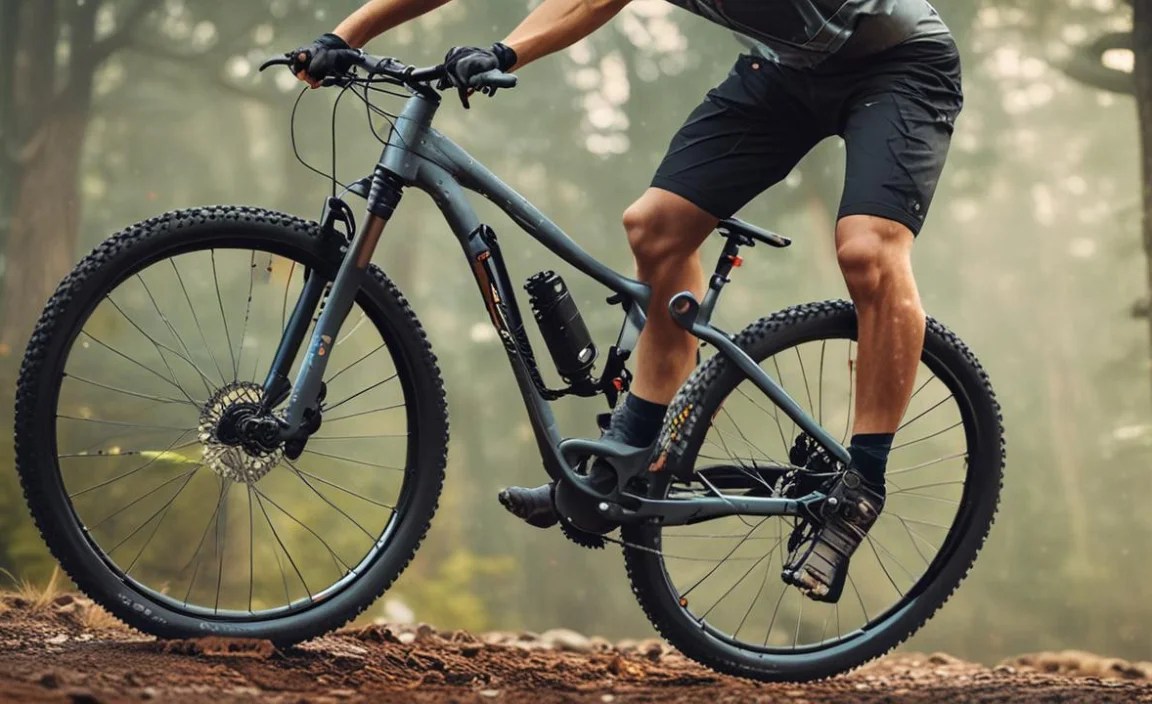
Here’s a breakdown of the most important features to consider when choosing a mountain bike for technical climbing:
1. Frame Material and Weight
Weight matters, especially when you’re going uphill. Lighter bikes are easier to accelerate and require less energy to climb. Here’s a comparison of common frame materials:
- Carbon Fiber: The lightest and stiffest option, offering excellent power transfer. Carbon frames can be expensive but provide a significant performance advantage.
- Aluminum: A good balance of weight, strength, and affordability. Aluminum frames are a popular choice for many mountain bikes.
- Steel: Durable and comfortable, but heavier than carbon or aluminum. Steel is less common for dedicated climbing bikes.
2. Suspension Type and Travel
Suspension absorbs bumps and helps maintain traction on rough terrain. The right amount of suspension travel depends on the type of trails you ride. For technical climbs, consider these options:
- Hardtail: A bike with front suspension only. Hardtails are efficient and lightweight, making them a good choice for smoother climbs.
- Full Suspension: A bike with both front and rear suspension. Full suspension bikes provide more comfort and control on rough terrain, but can be less efficient on smooth climbs. Look for a bike with a suspension lockout feature to improve climbing efficiency.
Generally, 100-120mm of travel is suitable for cross-country and trail bikes, which are often good climbers. Enduro bikes with 150-170mm of travel can also climb well, but they prioritize descending performance.
3. Drivetrain and Gear Range
The drivetrain is the system that transfers power from your pedals to your wheels. A wide gear range is essential for conquering steep climbs. Here’s what to look for:
- 1x Drivetrain: A single chainring in the front and a wide-range cassette in the rear. 1x drivetrains are simple, reliable, and offer plenty of gear options for climbing. A typical 1x setup might have a 30T or 32T chainring in the front and a 10-50T or 10-52T cassette in the rear.
- 2x Drivetrain: Two chainrings in the front and a cassette in the rear. 2x drivetrains offer a wider overall gear range than 1x drivetrains, which can be helpful for both climbing and descending. However, they are more complex and require more maintenance.
The key is to have a low enough gear to spin comfortably up steep inclines without straining your knees. Experiment with different gear ratios to find what works best for you.
4. Wheel and Tire Choice
Your wheels and tires are the contact points between you and the trail. Choosing the right ones can significantly improve your climbing performance.
- Wheel Size: 29-inch wheels are popular for mountain biking because they roll over obstacles more easily and maintain momentum. 27.5-inch wheels are more nimble and responsive, which can be an advantage on tight, technical climbs.
- Tire Tread: Look for tires with aggressive tread patterns that provide good grip on loose surfaces. Softer rubber compounds can also improve traction.
- Tire Pressure: Experiment with different tire pressures to find the optimal balance between grip and rolling resistance. Lower pressures provide more grip but can increase the risk of pinch flats.
Consider tubeless tires for lower rolling resistance and puncture protection. Tubeless setups allow you to run lower tire pressures without the risk of pinch flats, further improving grip and comfort.
5. Geometry and Handling
The geometry of a bike affects its handling and climbing ability. Look for these features:
- Steep Seat Tube Angle: Puts you in a more efficient pedaling position for climbing.
- Shorter Chainstays: Improve climbing traction and make the bike more maneuverable.
- Shorter Stem and Wider Handlebars: Provide more control and leverage on steep climbs.
Consider the reach of the bike as well. A longer reach can provide more stability at high speeds, but a shorter reach may be preferable for technical climbing, allowing for quicker adjustments and better control in tight spaces.
Mountain Bike Types and Their Climbing Performance

Different types of mountain bikes are designed for different riding styles and terrain. Here’s a comparison of their climbing performance:
| Bike Type | Suspension | Weight | Climbing Performance | Best For |
|---|---|---|---|---|
| Cross-Country (XC) | Hardtail or Full Suspension (100-120mm) | Lightweight | Excellent | Smooth trails, fast climbs, racing |
| Trail | Full Suspension (120-140mm) | Moderate | Good | All-around riding, varied terrain |
| Enduro | Full Suspension (150-170mm) | Heavier | Moderate | Steep descents, technical trails |
| Downhill | Full Suspension (180-200mm+) | Very Heavy | Poor | Downhill racing, bike parks |
For technical climbs, a cross-country or trail bike is generally the best choice. These bikes are lightweight, efficient, and designed for all-around riding. An enduro bike can also be a good option if you prioritize descending performance and don’t mind a bit of extra weight on the climbs.
Essential Adjustments for Better Climbing
Even with the right bike, making a few adjustments can significantly improve your climbing performance:
- Saddle Position: Adjust your saddle forward or backward to find the optimal pedaling position. A slightly forward position can improve power transfer on climbs.
- Handlebar Height: Lowering your handlebars can put you in a more aggressive climbing position.
- Suspension Setup: Adjust your suspension settings to match your weight and riding style. Firmer suspension can improve climbing efficiency.
- Tire Pressure: As mentioned earlier, experiment with different tire pressures to find the optimal balance between grip and rolling resistance.
Consider getting a professional bike fit to dial in your position and ensure you’re getting the most out of your bike. A bike fit can help you optimize your power output, reduce fatigue, and prevent injuries.
Climbing Techniques for Technical Terrain
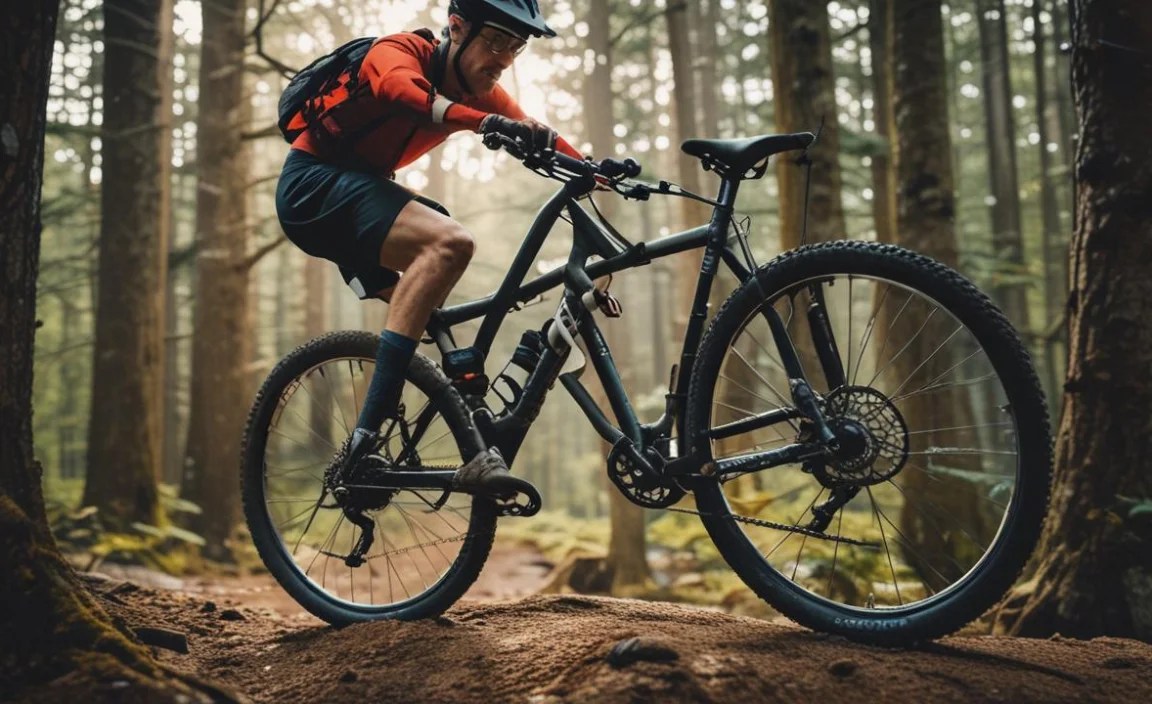
Choosing the right bike is only half the battle. Mastering proper climbing techniques is also essential for conquering technical terrain.
- Maintain Momentum: Try to carry as much speed as possible into climbs.
- Stay Seated: Sitting down helps maintain traction and conserve energy.
- Use a Smooth Pedal Stroke: Avoid jerky movements that can cause your tires to slip.
- Look Ahead: Scan the trail for obstacles and plan your line accordingly.
- Shift Gears Early: Shift to a lower gear before the climb gets too steep.
- Weight Distribution: Shift your weight forward to keep your front wheel planted on steep inclines.
Practice these techniques on easier climbs before tackling more challenging terrain. With practice and patience, you’ll develop the skills you need to conquer any climb.
Maintenance Tips for Climbing Bikes
Regular maintenance is crucial for keeping your climbing bike in top condition. Here are a few tips:
- Clean Your Bike Regularly: Dirt and grime can wear down components and reduce performance.
- Lubricate Your Chain: A properly lubricated chain will shift smoothly and efficiently.
- Check Your Tire Pressure: Maintain proper tire pressure for optimal grip and rolling resistance.
- Inspect Your Brakes: Ensure your brakes are working properly for safe descending.
- Replace Worn Parts: Replace worn chains, cassettes, and brake pads as needed.
Consider investing in a few basic tools and learning how to perform simple maintenance tasks yourself. This will save you money and keep your bike running smoothly.
Recommended Mountain Bike Models for Technical Climbs
Here are a few mountain bike models that are known for their climbing performance:
- Specialized Epic: A lightweight and efficient cross-country bike with excellent suspension.
- Trek Fuel EX: A versatile trail bike that climbs well and descends confidently.
- Santa Cruz Tallboy: A short-travel trail bike that’s nimble and responsive on climbs.
- Cannondale Scalpel: A cross-country race bike designed for speed and efficiency.
- Ibis Ripley: A capable trail bike that’s fun to ride on any terrain.
These are just a few examples, and there are many other great climbing bikes on the market. Be sure to test ride different models and find one that fits your riding style and budget.
Budget Considerations
Mountain bikes can range in price from a few hundred dollars to several thousand. Here’s a general overview of what you can expect at different price points:
| Price Range | Features | Pros | Cons |
|---|---|---|---|
| $500 – $1000 | Entry-level components, aluminum frame, basic suspension | Affordable, good for beginners | Heavier, less durable components |
| $1000 – $2500 | Mid-range components, aluminum frame, better suspension | Good value, reliable performance | Can be heavier than high-end models |
| $2500 – $5000+ | High-end components, carbon frame, advanced suspension | Lightweight, excellent performance | Expensive |
Consider your budget and prioritize the features that are most important to you. A good quality aluminum frame with mid-range components can provide excellent climbing performance without breaking the bank.
FAQ: Mountain Bikes for Technical Climbs
Here are some frequently asked questions about choosing a mountain bike for technical climbs:
Q: Is a hardtail or full suspension bike better for climbing?
A: Hardtails are generally more efficient on smoother climbs, while full suspension bikes provide more comfort and control on rough terrain. Consider the type of trails you ride most often.
Q: What is the ideal gear range for climbing?
A: A wide gear range is essential for conquering steep climbs. Look for a 1x drivetrain with a wide-range cassette (e.g., 10-50T or 10-52T) or a 2x drivetrain with a low climbing gear.
Q: What tire pressure should I use for climbing?
A: Experiment with different tire pressures to find the optimal balance between grip and rolling resistance. Lower pressures provide more grip but can increase the risk of pinch flats. Consider tubeless tires for lower rolling resistance and puncture protection.
Q: How important is bike weight for climbing?
A: Weight matters, especially when you’re going uphill. Lighter bikes are easier to accelerate and require less energy to climb.
Q: Should I get a bike fit?
A: A professional bike fit can help you optimize your position and ensure you’re getting the most out of your bike. It can improve your power output, reduce fatigue, and prevent injuries.
Q: What are the best climbing techniques?
A: Maintain momentum, stay seated, use a smooth pedal stroke, look ahead, shift gears early, and shift your weight forward on steep inclines.
Q: How do I maintain my climbing bike?
A: Clean your bike regularly, lubricate your chain, check your tire pressure, inspect your brakes, and replace worn parts as needed.
Conclusion
Choosing the right mountain bike for technical climbs can make a world of difference. By considering factors like frame material, suspension type, drivetrain, wheel choice, and geometry, you can find a bike that suits your riding style and helps you conquer any climb. Remember to make essential adjustments and master proper climbing techniques to maximize your performance. With the right bike and skills, you’ll be able to tackle even the most challenging climbs with confidence and ease. Now get out there and enjoy the ride!


