
How to Repair Puncture Using Hose Inflator: Easy Guide

Quick Summary: Fixing a bike puncture with a hose inflator is simple! First, find the leak by listening or using water. Then, rough up the tube around the puncture with sandpaper, apply rubber cement, and let it dry slightly. Apply the patch firmly, inflate the tire with your hose inflator, and check for leaks. You’re ready to ride!
A flat tire can ruin your bike ride, but don’t worry! Repairing a puncture is easier than you might think, especially with a handy hose inflator. Many cyclists feel frustrated and stranded when a tire goes flat, but with the right tools and steps, you can quickly get back on the road. This guide breaks down the process into simple, manageable steps, so you’ll be fixing flats like a pro in no time.
We’ll cover everything from finding the puncture to inflating your tire perfectly. Let’s get started and turn that flat tire into a minor bump in your cycling adventure!
What You’ll Need

Before you start, gather these essential items. Having everything ready will make the repair process smooth and efficient.
- Hose Inflator: A reliable hose inflator is key for quick and easy inflation.
- Puncture Repair Kit: Includes patches, sandpaper, and rubber cement.
- Tire Levers: For safely removing the tire from the rim.
- Small Bowl of Water (optional): To help locate the puncture.
- Rag or Cloth: To clean the area around the puncture.
Step-by-Step Guide to Repairing a Puncture

Follow these steps carefully to ensure a successful repair. Each step is designed to be easy to follow, even if you’re a beginner.
Step 1: Remove the Wheel
First, you need to take the wheel off your bike. Depending on your bike, this might involve quick-release levers or using a wrench. Here’s how:
- Shift to the Smallest Gear: This makes it easier to remove the wheel.
- Release the Brakes: Open the brake calipers to free up the tire.
- Open Quick-Release or Loosen Bolts: For quick-release, flip the lever. For bolts, use a wrench to loosen them.
- Remove the Wheel: Carefully lift the wheel out of the frame or fork.
Step 2: Remove the Tire
Now, you need to get the tire off the rim. Tire levers are your best friend here. Be gentle to avoid damaging the tube or tire.
- Deflate the Tire Completely: Press the valve core to release any remaining air.
- Insert Tire Lever: Wedge one tire lever under the tire bead and hook it onto a spoke.
- Insert Second Lever: Place another lever a few inches away and pry the tire bead off the rim.
- Slide One Lever Around: Keep one lever in place and slide the other around the rim to completely remove one side of the tire.
- Remove the Tube: Pull the inner tube out from under the tire.
Step 3: Find the Puncture
Locating the puncture is crucial. Sometimes it’s obvious, but often you need to do some detective work.
- Inflate the Tube Slightly: Add a little air to the tube.
- Listen for the Leak: Hold the tube close to your ear and listen for a hissing sound.
- Use Water (Optional): If you can’t hear it, submerge sections of the tube in water and look for bubbles.
- Inspect the Tire: Once you find the puncture, check the inside of the tire for any sharp objects like glass or thorns. Remove anything you find.
Step 4: Prepare the Tube
Proper preparation ensures the patch sticks properly. Take your time and do it right.
- Dry the Area: Make sure the area around the puncture is dry and clean. Use a rag if necessary.
- Rough Up the Surface: Use the sandpaper from your repair kit to gently rough up the tube around the puncture. This helps the glue adhere better.
- Clean Again: Wipe away any rubber dust with a clean part of your rag.
Step 5: Apply the Patch
Applying the patch is a delicate process. Follow these steps for a secure bond.
- Apply Rubber Cement: Squeeze a small amount of rubber cement onto the roughened area.
- Spread Evenly: Use your finger or the applicator to spread the cement in a thin, even layer slightly larger than the patch.
- Let it Dry Slightly: Wait a minute or two for the cement to become tacky. This is crucial for a good bond.
- Apply the Patch: Remove the backing from the patch and carefully center it over the cemented area.
- Press Firmly: Press down firmly on the patch for at least a minute. Use a smooth, hard object (like the tire lever) to apply even pressure.
- Remove the Plastic Covering: If the patch has a plastic covering, peel it off carefully.
Step 6: Reinstall the Tube and Tire
Getting the tire back on the rim can be tricky, but with patience, you’ll get it.
- Slightly Inflate the Tube: Add just a little air to give it some shape.
- Insert the Valve: Place the valve stem into the hole in the rim.
- Tuck the Tube In: Carefully tuck the tube into the tire, making sure it’s not twisted or pinched.
- Seat One Side of the Tire: Use your hands to push one side of the tire bead back onto the rim.
- Seat the Other Side: Work your way around the tire, using your thumbs to push the remaining tire bead over the rim. If it’s too tight, use tire levers, being careful not to pinch the tube.
- Check the Tire: Inspect the tire to ensure the tube isn’t caught between the tire and the rim.
Step 7: Inflate the Tire with Hose Inflator
Now for the moment of truth – inflating the tire. This is where your hose inflator shines.
- Attach Hose Inflator: Connect the hose inflator to the valve.
- Inflate Gradually: Inflate the tire in stages, checking frequently to make sure the tire is seating properly on the rim.
- Check Pressure: Use the gauge on your inflator to reach the recommended tire pressure (printed on the sidewall of the tire).
- Inspect Again: Double-check that the tire is seated correctly and there are no bulges or pinches.
Step 8: Reinstall the Wheel
Almost there! Put the wheel back on your bike and you’re ready to roll.
- Position the Wheel: Place the wheel back into the frame or fork dropouts.
- Secure Quick-Release or Bolts: Tighten the quick-release lever or bolts securely.
- Check Alignment: Make sure the wheel is centered in the frame.
- Reconnect Brakes: Close the brake calipers.
Choosing the Right Hose Inflator

Not all hose inflators are created equal. Here’s what to look for when choosing one.
- Pressure Gauge: Accurate pressure readings are essential for optimal performance and safety. Look for a clear, easy-to-read gauge.
- Hose Length: A longer hose provides more flexibility and makes it easier to reach the valve.
- Valve Compatibility: Ensure the inflator works with both Presta and Schrader valves. Some have adapters, while others are dual-head.
- Build Quality: A durable inflator will last longer and withstand regular use. Look for sturdy materials and construction.
- Portability: If you plan to carry the inflator with you, consider a compact and lightweight model.
Types of Bike Patches
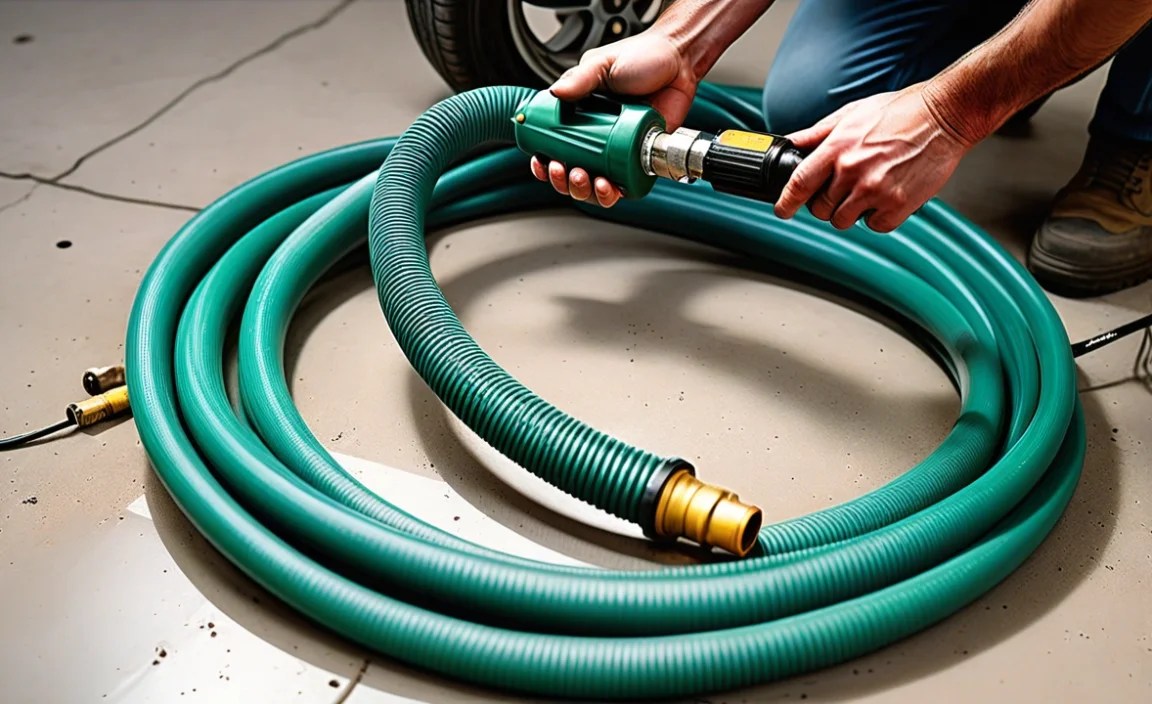
Understanding the different types of patches can help you choose the best one for your needs.
| Patch Type | Description | Pros | Cons |
|---|---|---|---|
| Glueless Patches | Self-adhesive patches that don’t require rubber cement. | Easy to apply, quick, no messy glue. | Can be less reliable, may not work in wet conditions. |
| Rubber Cement Patches | Patches that require rubber cement for adhesion. | More reliable, stronger bond, works in various conditions. | Requires more time, messy glue, needs proper drying time. |
| Pre-Glued Patches | Patches with adhesive already applied. | Convenient, less messy than rubber cement patches. | Can dry out over time, may not be as strong as rubber cement patches. |
Tips for Preventing Punctures
Prevention is always better than cure. Here are some tips to minimize your chances of getting a flat.
- Maintain Proper Tire Pressure: Underinflated tires are more prone to pinch flats. Check your tire pressure before each ride.
- Inspect Your Tires Regularly: Look for cuts, embedded objects, or wear and tear.
- Use Tire Liners: These provide an extra layer of protection between the tire and the tube.
- Choose Durable Tires: Some tires are designed with puncture-resistant materials.
- Avoid Road Hazards: Steer clear of glass, potholes, and debris.
Troubleshooting Common Issues
Sometimes things don’t go as planned. Here are some common issues and how to address them.
- Patch Not Sticking: Make sure you’ve roughened the tube surface properly and allowed the rubber cement to become tacky before applying the patch.
- Tire Won’t Seat Properly: Ensure the tube isn’t pinched between the tire and the rim. Deflate the tire completely and try again, carefully seating the bead.
- Still Losing Air: Check the valve core to make sure it’s tight. Also, inspect the patch to ensure it’s properly sealed. There may be a second puncture!
- Tire Levers Damaging Tube: Be gentle and avoid using excessive force. Make sure you’re only prying the tire bead, not the tube.
Maintaining Your Hose Inflator
A well-maintained hose inflator will provide reliable service for years. Here’s how to keep it in top condition.
- Store it Properly: Keep the inflator in a clean, dry place.
- Check the Hose: Inspect the hose for cracks or leaks. Replace if necessary.
- Clean the Gauge: Wipe the gauge with a soft cloth to keep it clear.
- Lubricate Moving Parts: Use a silicone-based lubricant to keep the pump action smooth.
- Calibrate the Gauge: If you notice inaccurate pressure readings, have the gauge calibrated.
Understanding Tire Pressure
Proper tire pressure is vital for performance, comfort, and safety. Here’s what you need to know.
Why Tire Pressure Matters
Correct tire pressure affects rolling resistance, grip, and puncture resistance. Too little pressure increases the risk of pinch flats and makes the bike harder to pedal. Too much pressure can reduce grip and make the ride uncomfortable.
Finding the Right Pressure
The recommended tire pressure is usually printed on the sidewall of the tire. This is a range, so you may need to experiment to find the optimal pressure for your weight, riding style, and road conditions.
Here’s a table to help guide you:
| Rider Weight (lbs) | Recommended Pressure (psi) for 25mm Tires | Recommended Pressure (psi) for 28mm Tires |
|---|---|---|
| 120-140 | 80-90 | 70-80 |
| 140-160 | 90-100 | 80-90 |
| 160-180 | 100-110 | 90-100 |
| 180-200 | 110-120 | 100-110 |
| 200+ | 120-130 | 110-120 |
This is just a guide. Always refer to the pressure range printed on your specific tires.
Using a Pressure Gauge
A reliable pressure gauge is essential for accurate inflation. Most hose inflators have built-in gauges. Digital gauges are more precise than analog ones. Check your tire pressure regularly, especially before long rides.
FAQ: Repairing Punctures with Hose Inflators
Here are some frequently asked questions to help you further understand how to repair punctures using hose inflators.
Q: Can I use a CO2 inflator instead of a hose inflator?
A: Yes, CO2 inflators are a quick alternative, but they only inflate the tire once. Hose inflators are reusable and more sustainable.
Q: How long does a patched tube last?
A: A properly patched tube can last for the life of the tube. However, it’s always a good idea to inspect it regularly for any signs of wear or damage.
Q: Can I patch a tubeless tire?
A: Patching a tubeless tire requires a different method, often involving tire plugs or specialized tubeless repair kits. This guide focuses on inner tube punctures.
Q: What if I can’t find the puncture?
A: Inflate the tube more and try the water submersion method again. If still no luck, slowly run your fingers along the tube to feel for escaping air.
Q: How tight should I make the patch?
A: The patch itself doesn’t need to be “tight.” The key is to apply firm, even pressure when adhering it to the tube to ensure a good seal.
Q: Is it okay to use super glue instead of rubber cement?
A: No, super glue is not flexible enough and can damage the tube. Always use rubber cement specifically designed for tire repair.
Q: How often should I check my tire pressure?
A: Ideally, check your tire pressure before every ride. At a minimum, check it once a week to ensure optimal performance and safety.
Conclusion
And there you have it! Repairing a puncture with a hose inflator is a straightforward process that anyone can master. By following these steps, you can quickly fix a flat tire and get back to enjoying your ride. Remember to choose the right tools, take your time, and pay attention to detail. With a little practice, you’ll become a puncture-repair pro, ready to tackle any flat tire situation. Happy cycling!


