
How to Attach Chuck to Portable Compressor: Easy Guide

Quick Summary
Attaching a chuck to your portable compressor is easy! First, ensure the compressor is off and unplugged. Wrap the chuck’s threads with Teflon tape, then screw the chuck onto the compressor’s air hose fitting, tightening it with a wrench. Test for leaks using soapy water. Now you’re ready to inflate tires or power air tools anywhere!
Ever struggled to get the right air chuck attached to your portable compressor? It’s a common hiccup, whether you’re inflating bike tires on the go or powering up small air tools in your workshop. Don’t worry, it’s simpler than it looks! A secure connection means no air leaks and maximum efficiency for all your inflation tasks.
In this guide, I’ll walk you through each step, from choosing the right chuck to ensuring a leak-proof seal. Get ready to say goodbye to frustrating air leaks and hello to perfectly inflated tires and smoothly running air tools!
Choosing the Right Chuck

Selecting the correct chuck is the first step to ensuring a secure and efficient connection to your portable compressor. Here’s what you need to consider:
Types of Chucks
- Clip-on Chuck: Ideal for quick and easy attachment to tire valves. Great for topping off tires.
- Threaded Chuck: Screws onto the valve stem for a more secure, leak-proof connection. Perfect for inflating to precise pressures.
- Dual Head Chuck: Designed for use on vehicles with dual rear wheels, providing easy access to both valve stems.
- Presta Valve Adapter: Allows you to inflate tires with Presta valves (common on road bikes) using a standard chuck.
Material Matters
- Brass: Durable and resistant to corrosion, making it a long-lasting option.
- Steel: Offers high strength and durability, suitable for heavy-duty use.
- Plastic: Lightweight and inexpensive, but less durable than brass or steel.
Thread Size and Compatibility
Make sure the chuck’s thread size matches the fitting on your compressor’s air hose. Common sizes include 1/4″ NPT and 3/8″ NPT. Check your compressor’s manual for the correct size.
Air Flow Rate
Consider the air flow rate (CFM) required by your air tools. Choose a chuck with a matching or higher CFM rating to ensure optimal performance.
Tools and Materials You’ll Need

Before you start, gather these essential tools and materials:
- New Air Chuck: Choose the appropriate type and size for your needs.
- Teflon Tape (Thread Seal Tape): Creates a tight, leak-proof seal on threaded connections.
- Adjustable Wrench or Pliers: For tightening the chuck onto the air hose fitting.
- Soapy Water (in a Spray Bottle): To test for air leaks after installation.
- Clean Rag: To wipe away any excess sealant or water.
- Safety Glasses: To protect your eyes from debris.
Step-by-Step Guide to Attaching the Chuck

Follow these steps for a secure and leak-free connection:
Step 1: Prepare the Compressor
Ensure the portable compressor is turned off and unplugged from the power source. This is a crucial safety step.
Step 2: Prepare the Chuck
Examine the threaded end of the new air chuck. Make sure it’s clean and free from any debris or damage.
Step 3: Apply Teflon Tape
Wrap the threaded end of the chuck with Teflon tape. Apply two to three layers, wrapping in the direction of the threads. This creates a tight seal and prevents air leaks.
Pro Tip: Wrap the tape clockwise as you look at the open end of the threads. This prevents the tape from unraveling when you screw the chuck onto the fitting.
Step 4: Attach the Chuck to the Air Hose
Carefully screw the chuck onto the air hose fitting. Tighten it by hand until it’s snug.
Step 5: Tighten with a Wrench
Use an adjustable wrench or pliers to further tighten the chuck. Be careful not to overtighten, as this could damage the threads. A snug, firm fit is sufficient.
Important: Use the correct size wrench to avoid damaging the chuck or fitting. If using pliers, protect the surfaces with a cloth to prevent scratches.
Step 6: Test for Leaks
Turn on the compressor and let it build pressure. Spray the connection point between the chuck and the air hose fitting with soapy water. Look for bubbles, which indicate an air leak.
Step 7: Correct Leaks (if Necessary)
If you find any leaks, turn off the compressor and unplug it. Use the wrench to tighten the connection slightly more. Reapply soapy water and check again. If leaks persist, remove the chuck, apply fresh Teflon tape, and repeat the process.
Troubleshooting Common Issues
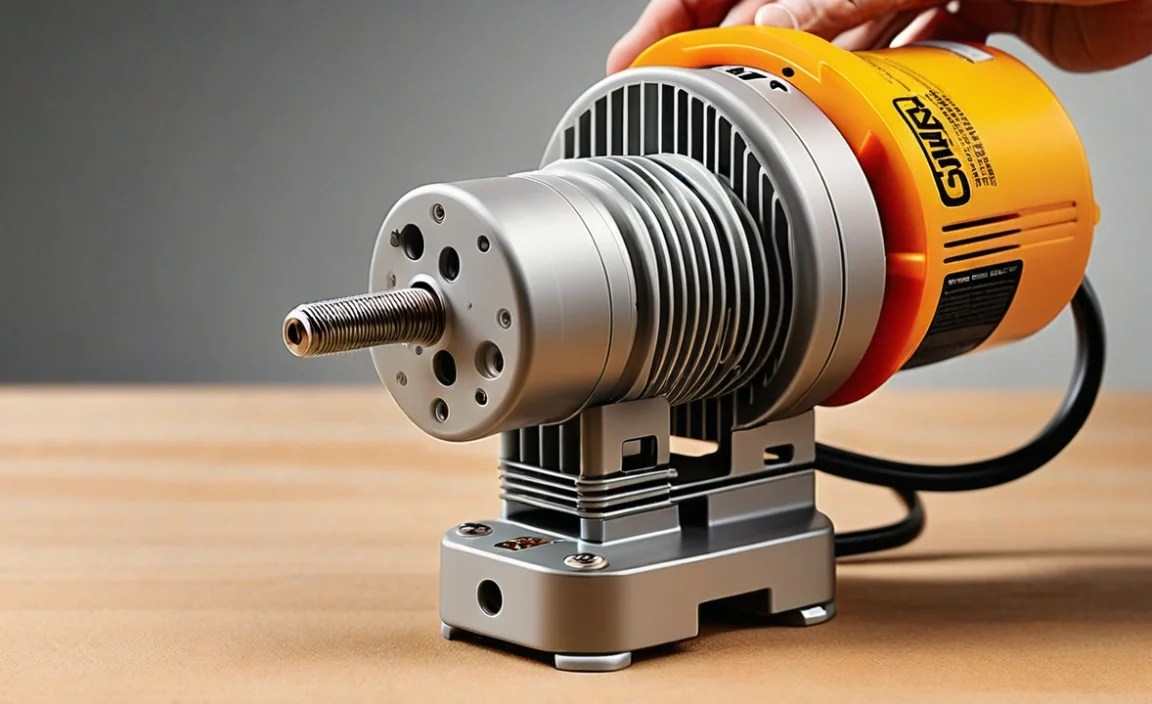
Even with careful installation, you might encounter some common problems. Here’s how to troubleshoot them:
Air Leaks
- Problem: Air is leaking from the connection between the chuck and the air hose.
- Solution:
- Ensure the Teflon tape is applied correctly and in sufficient layers.
- Tighten the connection with a wrench, but avoid overtightening.
- Check for damaged threads on the chuck or fitting. If damaged, replace the faulty component.
Chuck Won’t Attach to Tire Valve
- Problem: The chuck doesn’t fit or won’t seal properly on the tire valve.
- Solution:
- Make sure you’re using the correct type of chuck for your valve (e.g., Schrader or Presta).
- Check for debris or damage on the valve stem.
- Try a different chuck to rule out a faulty chuck mechanism.
Low Air Flow
- Problem: The air flow from the compressor seems weak.
- Solution:
- Ensure the chuck is fully open and not obstructed.
- Check the compressor’s air filter and clean or replace it if necessary.
- Verify that the compressor’s pressure setting is adequate for the task.
Maintaining Your Air Chuck and Compressor

Regular maintenance will keep your air chuck and compressor in top condition, ensuring reliable performance and longevity. Here are some tips:
Cleaning
Periodically clean the air chuck to remove dirt, dust, and debris. Use a clean rag and, if necessary, a mild detergent. Avoid harsh chemicals that could damage the chuck’s components.
Storage
Store the air chuck and compressor in a dry, clean place. Protect them from extreme temperatures and direct sunlight. Consider using a storage case to keep the components organized and protected.
Inspection
Regularly inspect the air chuck and air hose for signs of wear and tear, such as cracks, leaks, or damaged threads. Replace any worn or damaged parts promptly to prevent further issues.
Lubrication
Some air chucks may benefit from occasional lubrication. Check the manufacturer’s recommendations for the appropriate type of lubricant and application method. Use a small amount of lubricant to keep the chuck’s moving parts functioning smoothly.
Safety Tips
Always prioritize safety when working with air compressors and air tools. Here are some essential safety tips:
- Wear Safety Glasses: Protect your eyes from flying debris.
- Disconnect Power: Always disconnect the compressor from the power source before performing any maintenance or repairs.
- Release Air Pressure: Before disconnecting the air hose or chuck, release the air pressure from the compressor tank.
- Use Proper Tools: Use the correct tools for the job and avoid improvising.
- Read the Manual: Familiarize yourself with the compressor’s operating instructions and safety guidelines.
Table: Air Chuck Types and Uses
| Chuck Type | Best Use | Pros | Cons |
|---|---|---|---|
| Clip-on Chuck | Topping off tires, quick inflation | Easy to use, fast connection | Can leak if not properly aligned |
| Threaded Chuck | Precise inflation, high-pressure applications | Secure, leak-proof connection | Slower to attach and detach |
| Dual Head Chuck | Dual rear wheels on trucks and RVs | Easy access to both valve stems | Bulky, can be difficult to maneuver in tight spaces |
| Presta Valve Adapter | Inflating bicycle tires with Presta valves | Allows use of standard chucks on Presta valves | Requires adapter, another potential point of failure |
Table: Common Thread Sizes for Air Compressors
| Thread Size | Common Use | Notes |
|---|---|---|
| 1/4″ NPT | Most common for small to medium compressors | National Pipe Thread, tapered for a tight seal |
| 3/8″ NPT | Larger compressors and high-flow applications | Provides greater air flow capacity |
| 1/2″ NPT | Industrial compressors and heavy-duty tools | For very high air volume and pressure |
FAQ
What is Teflon tape and why do I need it?
Teflon tape, also known as thread seal tape, is a white, non-adhesive tape used to create a tight, leak-proof seal between threaded connections. It fills in tiny gaps between the threads, preventing air or liquids from escaping.
How much Teflon tape should I use?
Apply two to three layers of Teflon tape to the threaded end of the chuck. Wrap it in the direction of the threads to prevent it from unraveling when you screw the chuck onto the fitting.
What if I overtighten the chuck?
Overtightening can damage the threads on the chuck or the air hose fitting. If you overtighten, you risk stripping the threads, which can lead to leaks or make it difficult to remove the chuck later. Tighten until snug and firm, but not excessively tight.
How do I know if I have a leak?
To check for leaks, spray the connection point with soapy water. If bubbles appear, it indicates an air leak. Turn off the compressor, tighten the connection, and retest. If the leak persists, reapply Teflon tape.
Can I use a different type of sealant instead of Teflon tape?
While Teflon tape is the most common and recommended sealant for air compressor fittings, you can also use pipe thread sealant compounds. However, be sure to choose a sealant that is compatible with air compressors and won’t damage the components.
What if my compressor has a different thread size than the chuck?
If the thread sizes don’t match, you’ll need to use a thread adapter. These adapters allow you to connect fittings with different thread sizes. Make sure to choose an adapter that is rated for the pressure of your compressor.
How often should I replace my air chuck?
Replace your air chuck if you notice any signs of wear and tear, such as cracks, leaks, or damaged threads. Regular inspection will help you identify potential issues before they become major problems.
External Resources
- OSHA Pneumatic Tools Safety
- Energy Saver: Air Compressors for the Home
Conclusion
Attaching a chuck to your portable compressor doesn’t have to be a headache. With the right tools, a bit of Teflon tape, and these simple steps, you can ensure a secure, leak-free connection every time. Regular maintenance and a few troubleshooting tips will keep your compressor running smoothly, whether you’re inflating tires or powering air tools. Now, go ahead and get those tires pumped up and projects completed with confidence!


