
How to Fix Leaking Bicycle Pump Hose: Easy Fix!

Quick Summary: A leaking bicycle pump hose means your tires aren’t getting the air they need! Usually, it’s a simple fix. Check for loose connections, worn-out washers, or cracks in the hose. Tighten connections, replace washers, or, if needed, replace the entire hose. With a few basic steps, you can get your pump working like new again!
Is your bicycle pump hose leaking? Don’t worry, you’re not alone! A leaky hose is a common problem for cyclists, and it can be super frustrating when you’re trying to inflate your tires. The good news is, most of the time, fixing a leaking pump hose is a simple DIY job. You don’t need to be a bike mechanic to get it done. This guide will walk you through each step, so you can get back to riding in no time!
Understanding Why Your Bike Pump Hose Leaks

Before we dive into the fix, let’s understand why these leaks happen. Knowing the cause can help you prevent them in the future.
Common Causes of Leaking Pump Hoses
- Loose Connections: This is the most frequent culprit. The hose might not be tightly connected to the pump body or the chuck (the part that attaches to the tire valve).
- Worn-Out Washers: Washers create a seal. Over time, they can dry out, crack, or flatten, leading to air leaks.
- Cracked or Damaged Hose: The hose itself can develop cracks or punctures due to age, wear and tear, or being pinched.
- Chuck Problems: The chuck’s internal parts can wear out, causing leaks at the valve connection.
- Valve Stem Issues: While not the hose’s fault, a damaged or dirty valve stem on your inner tube can seem like a hose leak.
Tools You’ll Need

Here’s a list of tools you might need. Having these on hand will make the repair process smoother.
- Wrench or Pliers: For tightening connections. Choose the right size for your pump’s fittings.
- Screwdrivers: Both Phillips head and flathead might be necessary, depending on your pump’s construction.
- Replacement Washers: A selection of rubber or nylon washers in various sizes. You can usually find these at a hardware store or bike shop.
- Utility Knife or Scissors: For trimming a new hose or washer if needed.
- Soap and Water: To help identify the leak’s exact location.
- New Pump Hose (Optional): If the hose is severely damaged.
- Bike Multi-Tool (Optional): Can be handy for various small adjustments.
Step-by-Step Guide: Fixing a Leaking Bike Pump Hose

Now, let’s get to the repair! Follow these steps to diagnose and fix the leak.
Step 1: Identify the Leak’s Location
First, you need to pinpoint where the air is escaping. This will guide your repair efforts.
- Inflate the Tire: Pump up your tire until you hear or feel the leak.
- Listen Carefully: Try to isolate the sound of the escaping air. Is it coming from the hose connection, the chuck, or the hose itself?
- Soap and Water Test: Mix a little soap with water. Apply the soapy water to the suspected leak areas (hose connections, chuck, hose body). The escaping air will create bubbles, showing you the exact location of the leak.
Step 2: Tighten the Connections
Loose connections are a common cause of leaks. Try tightening them first.
- Locate the Connections: Find where the hose connects to the pump body and to the chuck.
- Use a Wrench or Pliers: Gently tighten the connections. Be careful not to overtighten, as this can damage the fittings. Just snug them up a bit.
- Test Again: Inflate the tire and check if the leak is gone. If not, move on to the next step.
Step 3: Inspect and Replace Washers
Worn-out washers are another frequent cause of leaks. Replacing them is usually a simple fix.
- Disconnect the Hose: Detach the hose from the pump body and/or the chuck, depending on where you suspect the leak is.
- Locate the Washer: Look for a small rubber or nylon washer inside the connection.
- Inspect the Washer: Check the washer for cracks, dryness, or flattening. If it looks worn, it needs to be replaced.
- Replace the Washer: Use a small screwdriver or pick to remove the old washer. Install a new washer of the same size and type. You might need an assortment of washers to find the perfect fit.
- Reassemble and Test: Reconnect the hose and inflate the tire to check if the leak is gone.
Step 4: Repair or Replace the Hose
If the hose itself has a crack or puncture, you might be able to repair it temporarily, but replacement is often the best solution.
- Inspect the Hose: Carefully examine the entire length of the hose for any visible damage.
- Temporary Repair (If Applicable): For small punctures, you can try wrapping the area tightly with electrical tape or bicycle tube patch. This is a temporary fix, though.
- Replace the Hose (Recommended): If the hose is severely damaged or the temporary repair doesn’t hold, replace the entire hose. You can find replacement hoses at most bike shops or online retailers. Make sure to get one that’s compatible with your pump.
- Install the New Hose: Follow the instructions that come with the new hose. Usually, this involves unscrewing the old hose and screwing in the new one.
- Test the Pump: Inflate the tire to make sure the new hose is working properly and there are no leaks.
Step 5: Check the Chuck
Sometimes, the leak is coming from the chuck itself. Here’s how to address that.
- Inspect the Chuck: Look for any visible damage to the chuck. Check the rubber seal inside the chuck that makes contact with the valve stem.
- Clean the Chuck: Sometimes, dirt or debris can get stuck in the chuck and prevent it from sealing properly. Clean it with a small brush or cloth.
- Tighten the Chuck (If Possible): Some chucks have adjustable parts that can be tightened. Check if yours does and tighten them if necessary.
- Replace the Chuck (If Necessary): If the chuck is damaged beyond repair, replace it. You can buy replacement chucks separately.
Step 6: Valve Stem Check
Before you call it fixed, ensure the problem wasn’t the tire valve itself.
- Inspect the Valve Stem: Check the valve stem on your inner tube for damage or debris.
- Clean the Valve Stem: Clean the valve stem with a cloth.
- Tighten the Valve Core (If Applicable): If you have a Presta valve, make sure the valve core is tightened using a valve core tool.
Table: Troubleshooting Leaky Bike Pump Hoses

| Problem | Possible Cause | Solution |
|---|---|---|
| Leak at hose connection | Loose connection, worn washer | Tighten connection, replace washer |
| Leak in the middle of the hose | Cracked or punctured hose | Temporary repair with tape, replace hose |
| Leak at the chuck | Damaged chuck, dirty chuck | Clean chuck, replace chuck |
| No air going into the tire | Blocked hose, faulty chuck | Check for obstructions, replace chuck |
| Leak at valve stem when pumping | Dirty or damaged valve stem | Clean or replace valve stem/core |
Preventing Future Leaks
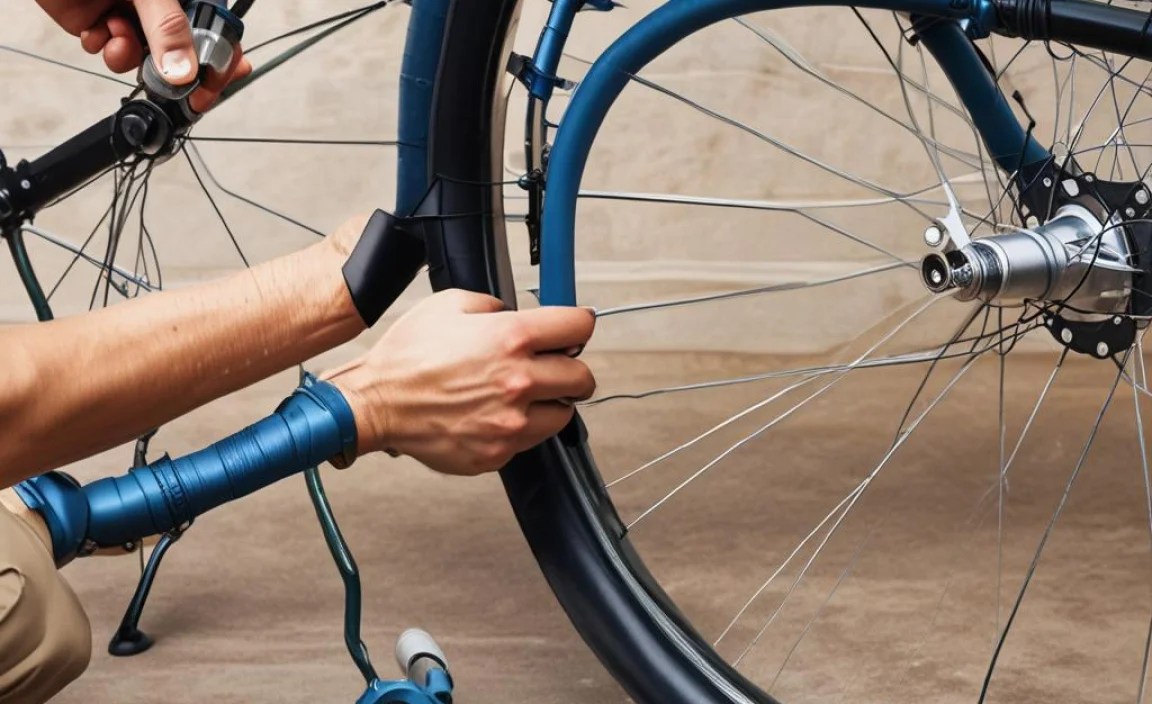
A little maintenance can go a long way in preventing leaks and extending the life of your bike pump.
- Regular Inspection: Periodically check your pump’s hose, connections, and chuck for any signs of wear or damage.
- Proper Storage: Store your pump in a dry place, away from direct sunlight and extreme temperatures. This will help prevent the hose and washers from drying out and cracking.
- Gentle Use: Avoid kinking or bending the hose excessively, as this can weaken it over time.
- Replace Worn Parts: Don’t wait until a part fails completely. Replace washers and hoses as soon as you notice they’re starting to wear out.
- Clean the Chuck Regularly: Keep the chuck clean to ensure a good seal with the tire valve.
When to Replace the Entire Pump
Sometimes, despite your best efforts, the pump is just too far gone. Here are some signs it might be time for a new one:
- Multiple Leaks: If you’re constantly chasing leaks in different parts of the pump, it might be more cost-effective to replace it.
- Pump Body Damage: If the pump body is cracked or damaged, it’s usually not worth repairing.
- Loss of Pressure: If the pump is no longer able to generate enough pressure to inflate your tires properly, it’s time for a new one.
- Age: Bike pumps don’t last forever. If your pump is several years old and has seen a lot of use, it might be time to upgrade.
Recommended Bike Pump Models
If you do need to replace your pump, here are a few highly-rated models to consider. These links lead to reputable retailers where you can purchase these pumps.
- Lezyne Floor Drive: Known for its durability and efficiency. Lezyne Official Website
- Topeak JoeBlow Sport III: A reliable and affordable option for everyday use. Topeak Official Website
- Park Tool PFP-5 Home Mechanic Floor Pump: A sturdy and accurate pump designed for home mechanics. Park Tool Official Website
FAQ: Fixing Leaky Bike Pump Hoses
Here are some frequently asked questions about fixing leaky bike pump hoses.
Why is my bike pump hose leaking at the connection?
The most common reason is a loose connection or a worn-out washer. Try tightening the connection first. If that doesn’t work, replace the washer.
Can I use any type of washer to replace the old one?
No, you should use a washer that’s the same size and type as the original. Rubber or nylon washers are commonly used in bike pumps. A hardware store or bike shop can help you find the right one.
My pump hose has a small crack. Can I just use tape to fix it?
Tape can be a temporary fix, but it’s not a long-term solution. The best option is to replace the entire hose. But electrical tape or a tube patch can get you home.
How often should I replace my bike pump hose?
It depends on how often you use your pump and how well you maintain it. Inspect the hose regularly for signs of wear or damage. If you see any cracks or leaks, replace it immediately.
Is it worth repairing a bike pump, or should I just buy a new one?
It depends on the severity of the problem and the age of your pump. If the leak is due to a loose connection or a worn washer, it’s usually worth repairing. However, if the pump body is damaged or the pump is very old, it might be more cost-effective to buy a new one.
Can a damaged tire valve cause a pump to seem like it’s leaking?
Yes, absolutely! A damaged or dirty tire valve can prevent a proper seal, causing air to leak out. Before assuming it’s the pump, inspect and clean your tire’s valve stem.
What’s the best way to store my bike pump to prevent leaks?
Store your pump in a cool, dry place away from direct sunlight. Avoid extreme temperatures. This helps prevent the hose and washers from drying out and cracking, which leads to leaks.
Conclusion
Fixing a leaking bicycle pump hose is usually a straightforward process. By following these steps, you can diagnose the problem, make the necessary repairs, and get your pump working like new again. Remember to regularly inspect and maintain your pump to prevent future leaks. With a little care, your trusty bike pump will keep your tires inflated for many rides to come. Now get back out there and enjoy the road!


