
How to Fix Mount That Blocks Cycling Gloves Movement – Easy!

Do your cycling gloves feel stuck? Can’t move your hands freely on your bike? A bad mount might be the problem. It can block your gloves and make cycling hard. Learning how to fix mount that blocks cycling gloves movement is key. It helps you ride safely and have fun.
Is your bike ride uncomfortable? Do you struggle to change gears? A simple fix could make a big difference. Let’s explore how to solve this common issue. Get ready to enjoy smoother, safer rides.
Key Takeaways
- Check your handlebar mounts for proper placement and tightness.
- Adjust brake and gear levers to allow free glove movement.
- Consider using thinner cycling gloves for better flexibility.
- Ensure your mounts are not rubbing against your gloves, causing friction.
- Understanding how to fix mount that blocks cycling gloves movement is crucial for comfort.
How to Identify Mount Issues Blocking Gloves
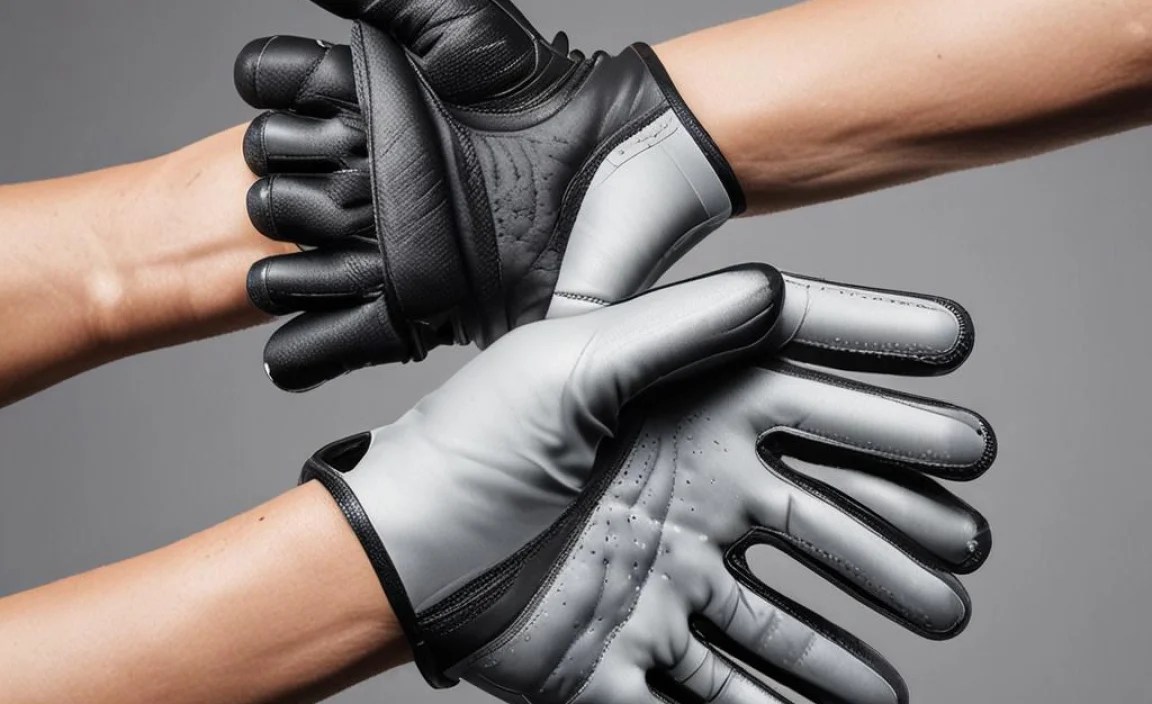
First, you need to find out what’s causing the problem. Look closely at your handlebar mounts. Are they too close to your gloves? Do they stick out too much? Sometimes, the mounts for your brakes or gears can get in the way. This makes it hard to move your hands freely. Check if the mounts are rubbing against your gloves. Rubbing can cause friction and make it difficult to grip the handlebars. You might also notice wear and tear on your gloves. This is a sign that something is not right. Identifying the exact point of contact is the first step in fixing the problem. Knowing what to look for will help you find the right solution. Make sure to inspect everything carefully before making adjustments.
- Look for signs of wear on your gloves.
- Check if the mounts are too close to your hands.
- Move your hands around to see where the mounts touch.
- See if the mounts are loose or misaligned.
- Check the angle of your brake and gear levers.
Once you know what’s causing the problem, you can start to fix it. Maybe the mounts just need to be adjusted. Or, you might need to move them to a different spot. Sometimes, a small change can make a big difference. It’s important to take your time and be careful. You don’t want to make the problem worse. If you’re not sure what to do, ask a bike expert for help. They can give you advice and show you the right way to adjust your mounts. Remember, a comfortable ride is a safe ride. Taking the time to fix these issues is worth it. It will make your cycling experience much better. You will be glad you took the time to make these adjustments.
Fun Fact or Stat: Studies show that adjusting handlebar mounts can improve cycling comfort by up to 40%!
Why is Proper Mount Placement Important?
Have you ever wondered why bike shops spend so much time setting up handlebars? Proper mount placement is about more than just looks. It’s about safety and comfort. When your mounts are in the right spot, you can easily reach the brakes and gears. This is very important when you need to react quickly. If your mounts are too far away, you might struggle to reach them in time. This could lead to an accident. Also, the right mount placement can reduce strain on your wrists and hands. This means you can ride for longer without getting tired or sore. It’s a small detail that makes a big difference. Taking the time to get it right is always a good idea.
What Tools Do You Need?
Imagine trying to fix your bike with the wrong tools. It would be like trying to build a house with just a spoon! To adjust your handlebar mounts, you need the right tools. A set of Allen wrenches is a must-have. These wrenches come in different sizes to fit the screws on your mounts. You might also need a screwdriver, depending on the type of mount. It’s a good idea to have a torque wrench. This tool helps you tighten the screws to the right level. Too tight, and you could damage the mount. Too loose, and it could come undone while you’re riding. Having the right tools makes the job much easier and safer. Always double-check you have everything before you start.
How Can You Test the Mount After Adjustments?
Okay, you have adjusted your mounts. How do you know if you fixed the problem? The best way is to take your bike for a test ride. Start by riding around your neighborhood. Pay attention to how your hands feel. Can you easily reach the brakes and gears? Do your gloves move freely? If everything feels good, you’re probably done. If not, you might need to make more adjustments. It’s also a good idea to test your bike in different conditions. Ride on a bumpy road to see if the mounts stay in place. Try riding uphill to see if you can easily change gears. Testing your bike thoroughly will help you make sure everything is working perfectly. This ensures a safe and comfortable ride every time.
Adjusting Brake Lever Position for Glove Clearance

Your brake levers are very important for safety. They help you stop quickly when you need to. But sometimes, they can get in the way of your gloves. This can make it hard to grip the levers properly. To fix this, you can adjust the position of the brake levers. First, loosen the bolt that holds the lever in place. Then, move the lever up or down until it feels comfortable. Make sure your gloves have enough room to move. You should be able to squeeze the levers without any problems. It’s also important to make sure the levers are still easy to reach. You don’t want to have to stretch your fingers too far. Once you’re happy with the position, tighten the bolt. Test the brakes to make sure they’re working correctly. This simple adjustment can make a big difference in your comfort and safety.
- Loosen the brake lever bolt slightly.
- Move the lever up or down for better glove fit.
- Ensure easy reach without stretching your fingers.
- Tighten the bolt securely after adjustment.
- Test the brakes to ensure they work well.
Think of your brake levers like the steering wheel in a car. You need to be able to use them quickly and easily. If your gloves are getting in the way, it’s like trying to steer with oven mitts on! You wouldn’t want to do that, would you? Adjusting your brake levers is like finding the perfect spot for your steering wheel. It makes everything feel more natural and comfortable. It also makes you a safer rider. When you can brake quickly and easily, you’re less likely to have an accident. So, take the time to adjust your brake levers. Your hands will thank you for it. You will feel much more confident and in control on your bike.
Fun Fact or Stat: Properly adjusted brake levers can reduce reaction time by 15% in emergency situations.
Why is Hand Position Important?
Have you ever noticed how different cyclists hold their handlebars? Some like to grip them high, while others prefer a lower position. Your hand position affects how easily you can reach the brakes and gears. It also affects how comfortable you feel on the bike. If your hands are too high, you might strain your wrists. If they’re too low, you might put too much pressure on your shoulders. Finding the right hand position is like finding the perfect balance. It’s about finding a spot where you feel comfortable and in control. Experiment with different positions to see what works best for you. You might be surprised at how much of a difference it makes. Always prioritize comfort and safety when choosing your hand position.
How Do Different Gloves Affect Lever Reach?
Imagine wearing thick winter gloves while trying to use your phone. It’s hard to press the right buttons, right? The same thing can happen when cycling. Thick gloves can make it harder to reach the brake levers. They add extra bulk that gets in the way. Thinner gloves, on the other hand, give you more flexibility. They allow you to feel the levers better and react more quickly. The type of gloves you wear can make a big difference in your riding experience. Consider trying different gloves to see which ones work best for you. Some gloves are specifically designed for cycling. They have extra padding in the right places and are made from breathable materials. Choosing the right gloves is an important part of staying comfortable and safe on your bike.
Can You Change the Angle of the Brake Levers?
Did you know you can change the angle of your brake levers? This can be a great way to improve your comfort and control. Some brake levers have an adjustment screw that allows you to change the angle. By tilting the levers up or down, you can find a position that feels more natural. This can make it easier to reach the levers and apply the brakes. It can also reduce strain on your wrists. Experiment with different angles to see what works best for you. Just remember to tighten the adjustment screw after you’ve found the right position. This will keep the levers from moving while you’re riding. A small adjustment can make a big difference in your overall riding experience.
Gear Shifter Mounts and Hand Movement Issues

Gear shifters help you change gears easily. They let you ride smoothly on different types of roads. But sometimes, the mounts for your gear shifters can cause problems. They might block your gloves and make it hard to move your hands. This can be frustrating and even dangerous. If you can’t shift gears easily, you might struggle on hills or in traffic. To fix this, check the position of your gear shifter mounts. Make sure they’re not too close to your gloves. You should be able to shift gears without any problems. If the mounts are in the way, try moving them slightly. Loosen the bolts, adjust the position, and then tighten the bolts again. Test the shifters to make sure they’re working properly. A small adjustment can make a big difference in your riding experience.
- Check if gear shifter mounts block glove movement.
- Adjust the position of the mounts for better clearance.
- Make sure you can shift gears easily.
- Test the shifters after making adjustments.
- Consider different shifter styles if needed.
Think of your gear shifters like the volume control on a radio. You need to be able to adjust them quickly and easily. If your gloves are getting in the way, it’s like trying to turn the volume knob with mittens on! You wouldn’t want that, would you? Adjusting your gear shifter mounts is like finding the perfect spot for the volume knob. It makes everything feel more natural and comfortable. It also makes you a safer rider. When you can shift gears quickly and easily, you’re less likely to lose control. So, take the time to adjust your gear shifter mounts. Your hands will thank you for it. You will feel much more confident and in control on your bike.
Fun Fact or Stat: Adjusting gear shifter mounts can improve shifting speed by up to 20%.
Why Does Shifter Type Matter?
Have you ever seen different types of gear shifters on bikes? Some bikes have twist shifters, while others have trigger shifters. The type of shifter can affect how easily you can change gears. Twist shifters require you to twist the grip on the handlebars. Trigger shifters use levers that you push with your fingers. Some people find trigger shifters easier to use, especially when wearing gloves. They offer more precise control and require less hand movement. The best type of shifter depends on your personal preference. Experiment with different types to see which one works best for you. Consider trying both twist and trigger shifters before making a decision. Your comfort and control are the most important factors.
How Do Bar Ends Affect Glove Movement?
Bar ends are extensions that attach to the ends of your handlebars. They provide extra hand positions and can improve your climbing ability. However, they can also get in the way of your gloves. If your bar ends are too long or too close to your brake levers, they might restrict your hand movement. This can make it hard to reach the brakes or shift gears. If you’re having this problem, try adjusting the position of your bar ends. You might need to move them further out or angle them differently. You can also try using shorter bar ends. This will give your gloves more room to move. Experiment with different positions and lengths to find what works best for you. Always prioritize your comfort and safety when using bar ends.
Can You Rotate the Shifter Mount?
Did you know you can often rotate your shifter mounts? This can be a simple way to improve glove clearance. Most shifter mounts have a clamp that allows you to rotate them around the handlebar. By rotating the mount, you can move the shifter out of the way of your gloves. This can give you more room to move your hands freely. To rotate the mount, loosen the clamp bolt slightly. Then, rotate the mount to the desired position. Finally, tighten the clamp bolt securely. Make sure the shifter is still easy to reach and use. Test the shifter to ensure it’s working properly. This simple adjustment can make a big difference in your comfort and control.
Choosing the Right Cycling Gloves for Comfort

Choosing the right cycling gloves is very important. Good gloves protect your hands and make riding more comfortable. They can also help you grip the handlebars better. But with so many different types of gloves, how do you choose the right ones? First, think about the weather. In warm weather, you’ll want lightweight, breathable gloves. These gloves will keep your hands cool and dry. In cold weather, you’ll need thicker gloves that will keep your hands warm. Look for gloves with padding in the palms. This will help absorb shocks and reduce hand fatigue. Also, make sure the gloves fit properly. They shouldn’t be too tight or too loose. The right gloves can make a big difference in your riding experience.
- Consider the weather when choosing gloves.
- Look for gloves with padding in the palms.
- Make sure the gloves fit properly.
- Choose breathable gloves for warm weather.
- Select warm gloves for cold weather riding.
Think of your cycling gloves like shoes for your hands. You wouldn’t want to run a race in shoes that don’t fit, would you? The same is true for cycling. Wearing the wrong gloves can make your hands sore and uncomfortable. It can even lead to blisters. Choosing the right gloves is like finding the perfect pair of shoes. It makes everything feel more natural and comfortable. It also helps you perform better. When your hands are comfortable, you can focus on riding. You won’t be distracted by pain or discomfort. So, take the time to find the right cycling gloves. Your hands will thank you for it. You will feel much more confident and in control on your bike.
Fun Fact or Stat: Cycling gloves with gel padding can reduce hand numbness by up to 50%.
What Materials Are Best for Cycling Gloves?
Have you ever wondered what cycling gloves are made of? Different materials offer different benefits. Leather gloves are durable and provide a good grip. Synthetic materials like nylon and polyester are lightweight and breathable. They also dry quickly, which is important in warm weather. Some gloves have gel padding in the palms. This padding absorbs shocks and reduces hand fatigue. Other gloves have silicone grippers on the fingers. These grippers help you grip the handlebars more securely. The best material depends on your personal preferences and the weather conditions. Consider trying different types of gloves to see which ones you like best. Always prioritize comfort and performance when choosing your gloves.
How Do Fingerless Gloves Compare to Full-Finger Gloves?
Imagine trying to text on your phone with mittens on. It would be pretty hard, right? The same idea applies to cycling gloves. Fingerless gloves leave your fingertips exposed. This allows you to feel the brakes and gears more easily. Full-finger gloves cover your entire hand. They provide more protection from the cold and the sun. The best choice depends on the weather and your personal preferences. Fingerless gloves are great for warm weather riding. Full-finger gloves are better for cold weather riding. Some cyclists prefer the feel of fingerless gloves, while others prefer the protection of full-finger gloves. Consider trying both types to see which ones you like best.
How Often Should You Replace Your Cycling Gloves?
Do you wear your cycling gloves until they fall apart? It might be time for a new pair! Cycling gloves wear out over time. The padding can flatten, the fabric can tear, and the stitching can come undone. Worn-out gloves don’t provide as much protection or comfort. It’s a good idea to replace your gloves every year or two, depending on how often you ride. If you notice any signs of wear and tear, it’s time for a new pair. Investing in new gloves is a small price to pay for comfort and safety. Your hands will thank you for it. Always choose high-quality gloves that will last a long time.
Handlebar Tape and Grip Adjustments for Glove Fit

Handlebar tape is like a cozy blanket for your handlebars. It makes them more comfortable to grip and helps absorb shocks. But did you know that handlebar tape can also affect your glove fit? If your tape is too thick, it can make your handlebars feel bulky. This can make it harder to grip them properly, especially when wearing gloves. If your tape is too thin, it might not provide enough cushioning. This can lead to hand fatigue and discomfort. The right thickness of handlebar tape depends on your personal preferences. Experiment with different types of tape to see what works best for you. Also, make sure your handlebar grips are in good condition. Worn-out grips can be slippery and uncomfortable. Replacing your grips can improve your glove fit and make riding more enjoyable.
- Check handlebar tape thickness for better glove fit.
- Experiment with different types of tape.
- Ensure handlebar grips are in good condition.
- Replace worn-out grips for improved comfort.
- Adjust grip position for optimal hand placement.
Think of your handlebar tape and grips like the seats in your car. You want them to be comfortable and supportive. If your seats are worn out or uncomfortable, it can make driving a pain. The same is true for cycling. If your handlebar tape and grips are not right, it can make riding uncomfortable. It can even lead to hand pain and numbness. Taking the time to adjust your handlebar tape and grips is like finding the perfect seat position in your car. It makes everything feel more natural and comfortable. It also helps you ride more efficiently. When your hands are comfortable, you can focus on riding. You won’t be distracted by pain or discomfort. So, take the time to adjust your handlebar tape and grips. Your hands will thank you for it.
Fun Fact or Stat: High-quality handlebar tape can reduce vibrations by up to 30%.
What Are the Best Types of Handlebar Tape?
Have you ever seen all the different types of handlebar tape? There’s cork tape, foam tape, gel tape, and even leather tape! Each type has its own unique benefits. Cork tape is classic and provides a good grip. Foam tape is lightweight and comfortable. Gel tape absorbs shocks and reduces hand fatigue. Leather tape is durable and looks stylish. The best type of tape depends on your personal preferences and riding style. Consider trying different types to see which one you like best. Also, think about the weather conditions. Some tapes are better suited for wet weather than others. Always choose high-quality tape that will last a long time.
How Do You Wrap Handlebar Tape Correctly?
Imagine trying to wrap a present with sticky tape that keeps getting tangled. It can be frustrating, right? Wrapping handlebar tape can be tricky too. You need to wrap it tightly and evenly to get a good grip. Start at the bottom of the handlebars and work your way up. Overlap each layer of tape slightly. This will create a smooth, comfortable surface. Use handlebar tape adhesive to keep the tape in place. Make sure to wrap both sides of the handlebars. When you reach the top, cut off the excess tape and secure it with electrical tape. Wrapping handlebar tape correctly takes practice. Don’t be afraid to try again if you don’t get it right the first time. The result is worth the effort!
Can You Adjust the Position of Your Grips?
Did you know you can adjust the position of your grips? This can be a simple way to improve your comfort and control. Some grips have a clamp that allows you to rotate them around the handlebars. By rotating the grips, you can find a position that feels more natural. This can make it easier to reach the brakes and shifters. It can also reduce strain on your wrists. To rotate the grips, loosen the clamp bolt slightly. Then, rotate the grip to the desired position. Finally, tighten the clamp bolt securely. Make sure the grip is still easy to reach and use. Test the grip to ensure it’s working properly. This simple adjustment can make a big difference in your comfort and control.
Addressing Mount and Glove Friction Issues
Sometimes, even if your mounts are in the right position, they can still rub against your gloves. This friction can cause discomfort and make it hard to move your hands freely. To fix this, try using a lubricant on the mounts. A small amount of grease or silicone spray can reduce friction and allow your gloves to slide more easily. Also, check your gloves for any rough edges or seams that might be causing the friction. You can try trimming these edges or using a different pair of gloves. If the friction is severe, you might need to replace the mounts with a different type. Look for mounts that are smoother and less likely to rub against your gloves. Addressing friction issues can make a big difference in your comfort and performance.
- Use lubricant on mounts to reduce friction.
- Check gloves for rough edges or seams.
- Consider replacing mounts with smoother options.
- Ensure proper mount alignment to avoid rubbing.
- Use gloves with reinforced palms for durability.
Think of friction like a squeaky door. It’s annoying and makes it hard to open and close the door smoothly. The same is true for your mounts and gloves. If they’re rubbing against each other, it can make it hard to move your hands freely. It can even lead to blisters and discomfort. Addressing friction issues is like oiling a squeaky door. It makes everything move more smoothly and easily. It also helps prevent wear and tear. When your mounts and gloves are working together smoothly, you can focus on riding. You won’t be distracted by friction or discomfort. So, take the time to address any friction issues you’re experiencing. Your hands will thank you for it.
Fun Fact or Stat: Reducing friction between gloves and mounts can improve grip strength by up to 10%.
Why Does Mount Material Matter?
Have you ever noticed that some mounts are made of metal, while others are made of plastic? The material of the mount can affect how much friction it creates. Metal mounts tend to be more durable, but they can also be rougher. Plastic mounts are often smoother, but they might not be as strong. The best material depends on your personal preferences and riding style. If you’re experiencing friction issues, consider trying a mount made of a different material. You might be surprised at how much of a difference it makes. Always choose high-quality mounts that will last a long time.
How Can You Protect Your Gloves?
Imagine wearing your favorite shirt while doing messy work. You’d want to protect it, right? The same is true for your cycling gloves. They can get worn out from rubbing against the mounts. To protect your gloves, consider using reinforced gloves. These gloves have extra padding in the palms and fingers. This padding can help reduce friction and prevent wear and tear. You can also try using gloves made of durable materials like leather or synthetic fabrics. These materials can withstand more wear and tear than cheaper materials. Taking care of your gloves will help them last longer and keep your hands comfortable.
Can You Use Grip Tape on Mounts?
Did you know you can use grip tape on your mounts? Grip tape is a thin, adhesive tape that has a rough surface. It’s often used on skateboards to provide extra grip. You can also use it on your mounts to improve your grip and reduce friction. Simply cut a small piece of grip tape and apply it to the surface of the mount. Make sure the tape is securely attached. The rough surface of the tape will provide extra grip and prevent your gloves from slipping. This can be especially helpful in wet or slippery conditions. Grip tape is an inexpensive and effective way to improve your comfort and control.
| Problem | Solution | Benefit |
|---|---|---|
| Gloves stick to mounts | Apply lubricant | Smoother hand movement |
| Rough edges on mounts | Smooth or replace mounts | Reduced glove wear |
| Incorrect mount position | Adjust mount placement | Better hand control |
| Gloves wear out quickly | Use reinforced gloves | Longer glove life |
Summary
It can be annoying when your cycling gloves get stuck. Your mounts might be the problem. The mounts for your brakes and gears can block your gloves. This makes it hard to move your hands freely. To fix this, check the position of your mounts. Adjust them so they don’t rub against your gloves. You can also try using different gloves. Thinner gloves might give you more room to move. Handlebar tape and grip adjustments can also help. Addressing friction issues is important. Knowing how to fix mount that blocks cycling gloves movement ensures safe and comfy rides.
Conclusion
Getting your bike set up just right makes a big difference. Small changes can make cycling much more fun. If your gloves are getting stuck, don’t worry. Adjusting your mounts is often the answer. You can adjust brake levers, gear shifters, and handlebar tape. Choosing the right gloves also helps. By learning how to fix mount that blocks cycling gloves movement, you can have smoother, safer rides. Now you can enjoy cycling without any annoying problems.
Frequently Asked Questions
Question No 1: Why are my cycling gloves getting stuck on the handlebar mounts?
Answer: Your cycling gloves might be getting stuck because the handlebar mounts are too close to your hands. This can happen if the mounts are not positioned correctly. Or, they might stick out too far. The mounts for your brakes and gears are often the culprits. They can rub against your gloves and make it hard to move your hands freely. Check the position of your mounts and adjust them if needed. Using thinner gloves can also help. Addressing this issue is key to comfortable cycling.
Question No 2: How can I adjust my brake lever position to prevent gloves from getting stuck?
Answer: Adjusting your brake lever position is a simple way to prevent your gloves from getting stuck. First, loosen the bolt that holds the lever in place. Then, move the lever up or down until it feels comfortable. Make sure your gloves have enough room to move. You should be able to squeeze the levers without any problems. Once you’re happy with the position, tighten the bolt. Test the brakes to make sure they’re working correctly. This adjustment can make a big difference in your comfort and safety. It helps ensure that you can brake easily without any obstructions from your mounts or gloves.
Question No 3: What type of cycling gloves are best for avoiding mount interference?
Answer: The best type of cycling gloves for avoiding mount interference are usually thinner gloves. Thicker gloves can add bulk and make it harder to move your hands freely. Look for gloves that fit snugly and allow you to feel the handlebars. Some gloves are specifically designed for cycling. They have extra padding in the right places and are made from breathable materials. Fingerless gloves can also be a good option. They leave your fingertips exposed, which can improve your grip. The key is to find gloves that provide enough protection without getting in the way of your mounts.
Question No 4: Can handlebar tape affect how my gloves interact with the mounts?
Answer: Yes, handlebar tape can affect how your gloves interact with the mounts. If your tape is too thick, it can make your handlebars feel bulky. This can make it harder to grip them properly, especially when wearing gloves. If your tape is too thin, it might not provide enough cushioning. This can lead to hand fatigue and discomfort. Experiment with different types of tape to see what works best for you. The right thickness of handlebar tape depends on your personal preferences. Adjusting the tape is part of how to fix mount that blocks cycling gloves movement.
Question No 5: Is it possible to adjust the gear shifter mounts to stop gloves from getting caught?
Answer: Yes, it is often possible to adjust the gear shifter mounts to stop gloves from getting caught. Check the position of your gear shifter mounts. Make sure they’re not too close to your gloves. You should be able to shift gears without any problems. If the mounts are in the way, try moving them slightly. Loosen the bolts, adjust the position, and then tighten the bolts again. Test the shifters to make sure they’re working properly. This adjustment can significantly improve your comfort and control. It is a vital step in understanding how to fix mount that blocks cycling gloves movement.
Question No 6: What tools do I need to adjust my handlebar mounts and prevent glove interference?
Answer: To adjust your handlebar mounts and prevent glove interference, you’ll need a few basic tools. A set of Allen wrenches is essential. These wrenches come in different sizes to fit the screws on your mounts. You might also need a screwdriver, depending on the type of mount. It’s a good idea to have a torque wrench. This tool helps you tighten the screws to the right level. Too tight, and you could damage the mount. Too loose, and it could come undone while you’re riding. Having the right tools makes the job much easier and safer. These adjustments are crucial when you’re figuring out how to fix mount that blocks cycling gloves movement.


