
How to Use a Cycle Hand Pump: A Beginner’s Guide

Quick Summary: To use a cycle hand pump, first ensure the pump head is compatible with your valve type (Presta or Schrader). Attach the pump head securely to the valve, lock it in place, and then pump with a steady, full stroke. Monitor the pressure with a gauge if available, and detach carefully when you reach your desired PSI.
Flat tires happen. It’s a frustrating part of cycling, whether you’re commuting to work or enjoying a weekend ride. But don’t let a flat ruin your day! Knowing how to use a cycle hand pump is a basic skill that every cyclist should have. It’s easier than you think, and with a little practice, you’ll be back on the road in no time. This guide will walk you through each step, making the process simple and stress-free.
We’ll cover everything from identifying your valve type to pumping techniques and even some tips for choosing the right pump. Let’s get started and keep you rolling!
Understanding Your Bike’s Valves

Before you start pumping, it’s crucial to know what type of valve your bike has. The two most common types are Presta and Schrader. Identifying the correct valve ensures you use the hand pump properly and avoid damaging the valve or inner tube.
Presta Valves
Presta valves are typically found on road bikes and high-performance bicycles. They are narrower than Schrader valves and have a small locking nut at the tip.
Key characteristics of Presta valves:
- Narrower and more delicate appearance.
- Require unlocking the nut before inflation.
- Often have longer stems.
How to identify a Presta valve: Look for the thin, metal stem with a lock nut at the end. Before inflating, you’ll need to unscrew the lock nut and depress the tip to free it up.
Schrader Valves
Schrader valves are the same type you find on car tires. They are wider and more robust than Presta valves.
Key characteristics of Schrader valves:
- Wider and sturdier appearance.
- Don’t require unlocking before inflation (usually).
- Common on mountain bikes, hybrid bikes, and kids’ bikes.
How to identify a Schrader valve: Look for the wider, shorter stem, similar to a car tire valve. These valves usually have a spring-loaded pin inside.
Choosing the Right Hand Pump

Not all hand pumps are created equal. Selecting the right one can make inflating your tires much easier and more efficient. Consider these factors when choosing a hand pump.
Pump Type
- Mini Pumps: Compact and lightweight, easy to carry in a backpack or mount on your bike frame. Best for emergencies and topping off pressure.
- Frame-Mounted Pumps: Slightly larger than mini-pumps, offering more pumping power. They usually come with a mount to attach to your bike frame.
- Hybrid Pumps: Combine features of both mini and frame-mounted pumps.
Valve Compatibility
Ensure the pump head is compatible with both Presta and Schrader valves. Some pumps have dual heads, while others require you to switch internal parts to match the valve type. Some pumps automatically detect the valve type.
Gauge or No Gauge
- With Gauge: Allows you to monitor the tire pressure accurately. This helps prevent over or under-inflation.
- Without Gauge: More compact and often less expensive, but you’ll need to rely on feel or a separate pressure gauge.
Size and Weight
Consider how portable you need the pump to be. Smaller, lighter pumps are easier to carry but may require more effort to inflate tires.
Material and Durability
Look for pumps made from durable materials like aluminum alloy or high-quality plastic. A sturdy pump will last longer and withstand frequent use.
Pump Features
Consider additional features that can improve your pumping experience. Some hand pumps come with features like:
- Extendable hoses
- Fold-out foot pegs
- Ergonomic handles
Step-by-Step Guide: Using a Cycle Hand Pump
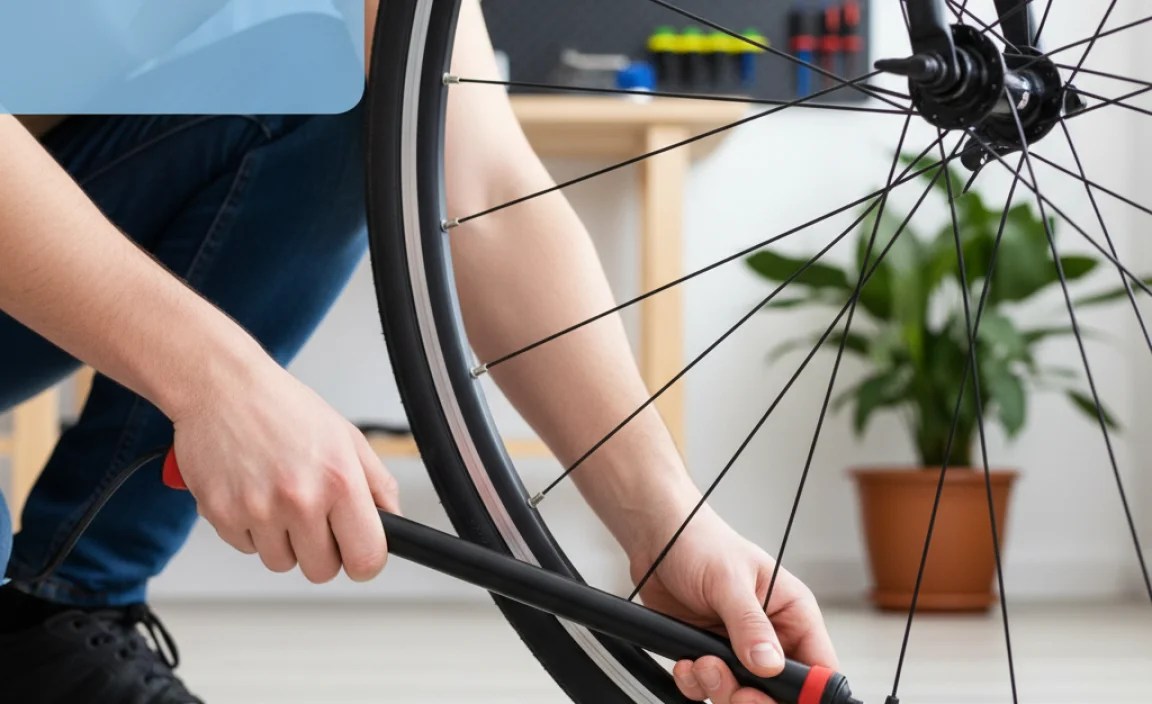
Now that you know your valve type and have the right pump, let’s get to the actual pumping. Follow these steps to inflate your tires quickly and efficiently.
Step 1: Prepare the Valve
For Presta valves, unscrew the small lock nut at the tip of the valve stem. Gently press the valve tip to release a small amount of air. This ensures the valve isn’t stuck. For Schrader valves, remove the valve cap. No need to loosen anything.
Step 2: Attach the Pump Head
Fit the pump head onto the valve stem. Make sure it’s securely attached to create a tight seal.
- Presta Valve: Push the pump head straight onto the valve. Most pumps have a lever that you then flip to lock the head in place.
- Schrader Valve: Push the pump head straight onto the valve. Ensure it’s firmly seated. Some Schrader pump heads also have a locking lever.
Step 3: Lock the Pump Head (If Applicable)
If your pump has a locking lever, flip it to secure the pump head to the valve. This creates an airtight seal, preventing air from escaping during pumping.
Step 4: Start Pumping
Grip the pump handle firmly with both hands. Place the pump on the ground and use your body weight to stabilize it. Begin pumping in a smooth, steady motion.
- Use full strokes to maximize the amount of air being pumped.
- If you have a gauge, watch the pressure increase as you pump.
- If you don’t have a gauge, use your fingers to check the tire’s firmness periodically.
Step 5: Monitor the Pressure
If your pump has a gauge, monitor the pressure as you pump. Refer to the recommended PSI (pounds per square inch) range printed on the sidewall of your tire. Avoid over-inflating, which can cause a blowout, or under-inflating, which can lead to a flat tire or poor handling.
Step 6: Detach the Pump Head
Once you’ve reached the desired pressure, unlock the pump head (if applicable) and carefully remove it from the valve stem. Be gentle to avoid bending or damaging the valve.
Step 7: Secure the Valve
For Presta valves, screw the lock nut back down to the tip of the valve stem. This helps protect the valve and prevent air from escaping. For Schrader valves, replace the valve cap.
Troubleshooting Common Issues
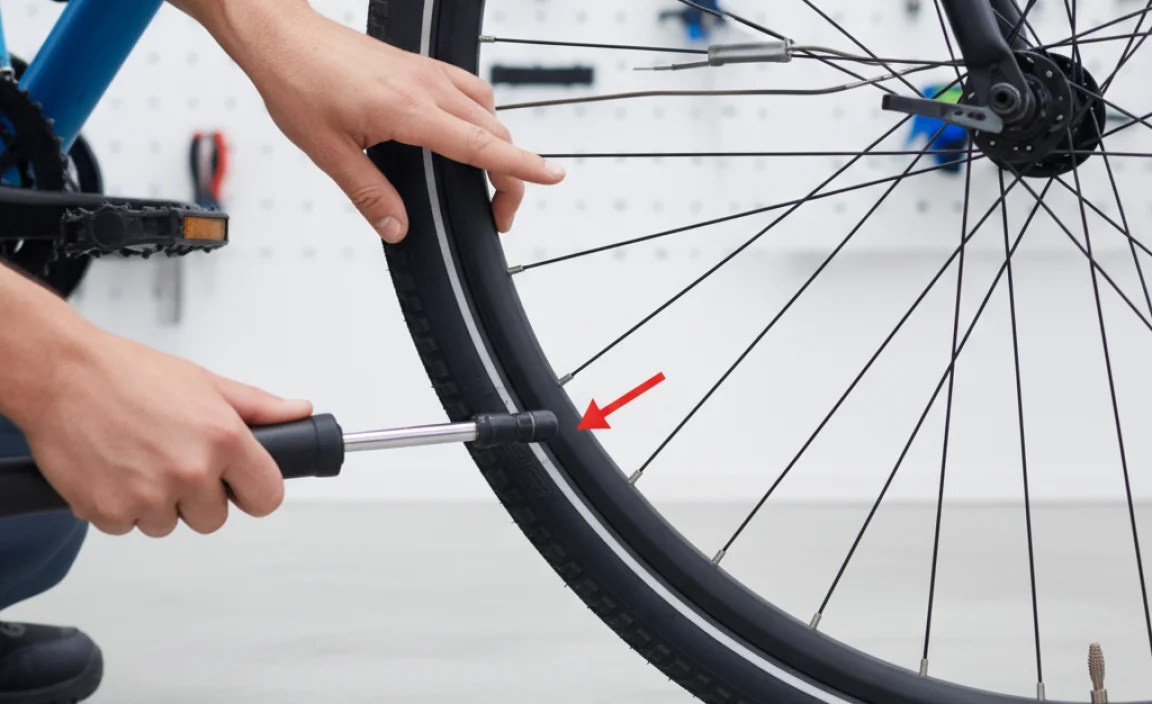
Sometimes, things don’t go as planned. Here are some common issues you might encounter and how to fix them.
Air Leaking While Pumping
Problem: Air is escaping around the pump head or valve stem as you pump.
Solution:
- Ensure the pump head is securely attached and locked (if applicable).
- Check the rubber seal inside the pump head for damage or wear. Replace if necessary.
- Make sure the valve stem is clean and free of debris.
Difficulty Attaching the Pump Head
Problem: The pump head won’t fit onto the valve stem properly.
Solution:
- Double-check that you’re using the correct side of the pump head for your valve type (Presta or Schrader).
- Ensure the valve stem is straight and not bent.
- Try lubricating the valve stem with a small amount of water or saliva.
Tire Not Inflating
Problem: You’re pumping, but the tire isn’t filling with air.
Solution:
- Make sure the pump head is securely attached and locked.
- Check the valve core to ensure it’s not clogged or damaged.
- Ensure the inner tube isn’t pinched between the tire and rim.
Tips for Efficient Pumping
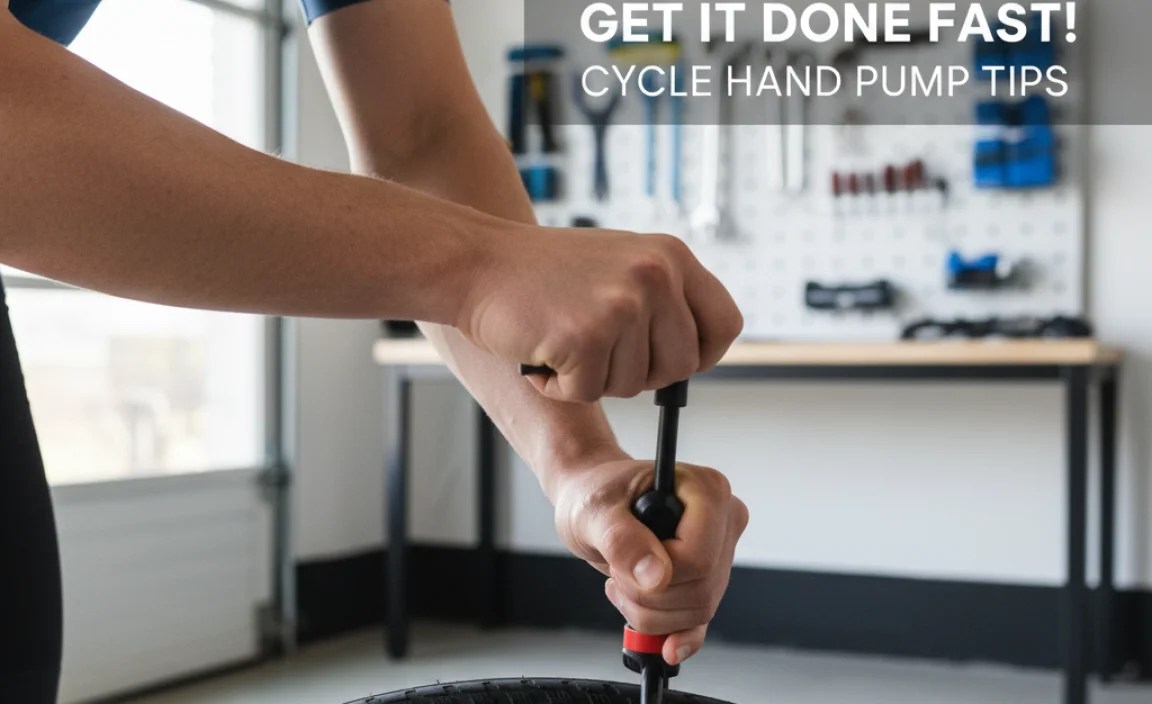
Here are some extra tips to make your pumping experience even better:
- Use Your Body Weight: Lean over the pump and use your body weight to push down on the handle. This makes pumping easier and more efficient.
- Smooth, Steady Strokes: Avoid jerky or rushed movements. Use smooth, consistent strokes to maximize the amount of air being pumped.
- Check Pressure Regularly: Use a pressure gauge to ensure you’re inflating your tires to the correct PSI.
- Lubricate the Pump: Periodically lubricate the pump’s moving parts with a silicone-based lubricant to keep it working smoothly.
- Store Your Pump Properly: Store your pump in a dry place to prevent rust and corrosion.
Hand Pump Maintenance
Regular maintenance ensures your hand pump remains reliable. Here are some key maintenance tasks:
- Clean the Pump Head: Periodically clean the pump head to remove dirt and debris. Use a small brush or cloth.
- Inspect the Seals: Check the rubber seals inside the pump head and piston for wear or damage. Replace as needed.
- Lubricate Moving Parts: Lubricate the pump’s moving parts with a silicone-based lubricant to keep it working smoothly.
- Store Properly: Store your pump in a dry place to prevent rust and corrosion.
Recommended Tire Pressure
Maintaining the correct tire pressure is vital for optimal performance, comfort, and safety. The ideal tire pressure depends on several factors, including tire size, rider weight, and riding conditions. Always refer to the recommended PSI range printed on the sidewall of your tire.
General Guidelines:
- Road Bikes: 80-130 PSI
- Mountain Bikes: 25-40 PSI
- Hybrid Bikes: 50-70 PSI
Here is a table showing the relationship between tire width and tire pressure:
| Tire Width (mm) | Recommended Pressure (PSI) |
|---|---|
| 23 | 110-130 |
| 25 | 100-120 |
| 28 | 80-100 |
| 32 | 60-80 |
| 35 | 50-70 |
Factors Affecting Tire Pressure:
- Rider Weight: Heavier riders may need to inflate their tires to the higher end of the recommended range.
- Terrain: Rough terrain may require lower tire pressure for better traction and comfort.
- Weather Conditions: Wet conditions may benefit from slightly lower tire pressure for improved grip.
Hand Pump vs. Other Bike Inflation Methods
There are several ways to inflate bike tires. Here’s a comparison of hand pumps versus other common methods:
| Method | Pros | Cons |
|---|---|---|
| Hand Pump | Portable, inexpensive, good for quick top-ups | Can be tiring for high pressures, slower than other methods |
| Floor Pump | Efficient, stable, usually has an accurate gauge | Not portable, requires more storage space |
| CO2 Inflator | Fast inflation, very portable | Requires CO2 cartridges, can be wasteful, can over-inflate easily |
| Electric Pump | Effortless, precise pressure control | Requires power, can be expensive, not ideal for emergencies |
Each method has its place, depending on your needs and riding style. Many cyclists use a floor pump at home and carry a hand pump or CO2 inflator for emergencies on the road.
Bike Maintenance: More Than Just Pumping Tires
While knowing how to use a cycle hand pump is a crucial skill, it’s just one aspect of bike maintenance. Regular maintenance extends the life of your bike and ensures a safer, more enjoyable ride. Here are some other essential maintenance tasks:
- Chain Maintenance: Clean and lubricate your chain regularly to prevent rust and ensure smooth shifting.
- Brake Inspection: Check your brake pads and cables for wear. Replace as needed to maintain reliable stopping power.
- Tire Inspection: Look for cuts, bulges, or excessive wear on your tires. Replace worn tires to prevent flats and maintain good traction.
- Bolt Check: Periodically check all bolts and fasteners on your bike to ensure they are tight. Loose bolts can lead to serious mechanical issues.
- Cable Maintenance: Inspect cables for fraying or rust. Replace as needed for smooth shifting and braking.
FAQ: Common Questions About Cycle Hand Pumps
Here are some frequently asked questions about using cycle hand pumps.
What is the difference between Presta and Schrader valves?
Presta valves are narrow and have a lock nut at the tip, common on road bikes. Schrader valves are wider, like those on car tires, and are often found on mountain and hybrid bikes.
How do I know what PSI to inflate my tires to?
Check the sidewall of your tire for the recommended PSI range. Use a pump with a gauge for accurate inflation.
Why is air leaking when I try to pump my tire?
Ensure the pump head is securely attached and locked. Check the rubber seal inside the pump head for damage. Also, make sure the valve stem is clean.
Can I use a car tire pump on my bike?
Yes, if your bike has Schrader valves. However, car tire pumps can easily over-inflate bicycle tires, so use caution and check the pressure frequently.
How often should I check my tire pressure?
Ideally, check your tire pressure before every ride. At a minimum, check it once a week to ensure optimal performance and prevent flats.
What do I do if my Presta valve is stuck?
Unscrew the lock nut and gently press the valve tip to release a small amount of air. This should free up the valve.
My pump fits both Presta and Schrader, but how do I switch between them?
Some pumps have a reversible internal part in the pump head. You unscrew the head, flip the internal part, and reassemble it to switch. Other pumps feature two separate holes, one for each valve type.
Conclusion
Learning how to use a cycle hand pump is a fundamental skill for any cyclist. With the right pump and a little practice, you can quickly and easily inflate your tires, keeping you rolling smoothly. Remember to identify your valve type, choose a suitable pump, and follow the steps outlined in this guide. Regular maintenance and attention to tire pressure will not only improve your riding experience but also enhance your safety on the road or trail. Now, get out there and enjoy the ride!
“`


