
How to Use a Cycle Hand Pump: A Beginner’s Guide

Quick Summary: Using a cycle hand pump is easy! First, make sure the pump head fits your tire valve (Presta or Schrader). Securely attach the pump head to the valve. Then, stabilize the pump and inflate the tire using smooth, full strokes. Check the tire pressure with a gauge to avoid over-inflation. Detach the pump carefully when you reach the correct pressure.
Flat tires happen. It’s a cycling fact of life. Knowing how to use a cycle hand pump can save you from being stranded. Many cyclists find themselves frustrated because they’re not quite sure how to properly use this essential tool. You might struggle with getting the pump head to attach correctly, or not know how much pressure to put in your tires. Don’t worry! This guide will walk you through each step. You’ll learn how to efficiently inflate your tires and get back on the road quickly. Let’s get started!
Understanding Your Cycle Hand Pump
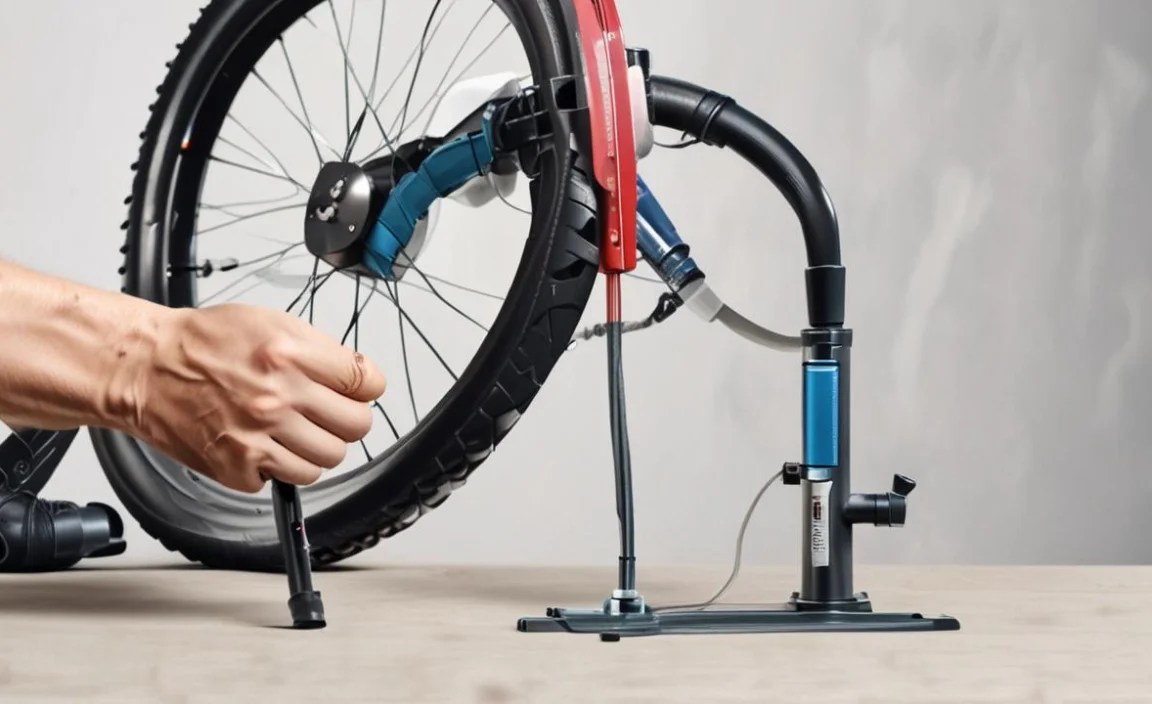
Before you start pumping, it’s helpful to know the parts of your hand pump and how they work. This knowledge will make the process smoother and help you avoid common mistakes.
Key Components of a Hand Pump
- Pump Head: This is the part that attaches to your tire valve. Most pumps have heads that can switch between Presta and Schrader valves.
- Valve Connector: Inside the pump head, this component creates an airtight seal around the valve stem to allow air to flow into the tire.
- Pump Body: The main cylinder of the pump. It houses the piston that compresses the air.
- Handle: The part you grip to operate the pump. It moves the piston inside the pump body.
- Base: Provides stability while pumping. Some pumps have foldable bases for portability.
- Piston: Internal component that moves up and down to draw in and compress air.
- Hose (Optional): Some hand pumps have a flexible hose for easier access to the valve, reducing stress on the valve stem.
Types of Tire Valves
Knowing the type of valve on your bike is crucial. The two most common types are Presta and Schrader.
- Presta: These valves are narrower and often found on road bikes and high-performance bicycles. They have a small locking nut that you need to unscrew before inflating.
- Schrader: These are the same type of valves you find on car tires. They are wider and more robust, commonly used on mountain bikes, hybrid bikes, and kids’ bikes.
| Feature | Presta Valve | Schrader Valve |
|---|---|---|
| Width | Narrower | Wider |
| Commonly Found On | Road bikes, high-performance bikes | Mountain bikes, hybrid bikes, car tires |
| Locking Mechanism | Locking nut at the tip | Spring-loaded pin |
| Inflation | Unscrew nut before inflating | Push pump head directly onto valve |
Step-by-Step Guide: Using a Cycle Hand Pump
Now, let’s get to the actual pumping. Follow these steps for efficient and safe tire inflation.
1. Prepare Your Bike and Pump
- Position Your Bike: Place your bike on a stable surface. If you have a kickstand, use it. Otherwise, lean the bike against a wall or another stable object.
- Prepare the Valve (Presta): If you have Presta valves, unscrew the small locking nut at the tip of the valve. Gently push the valve in to ensure it’s not stuck. This also helps to prepare it for inflation.
- Select the Correct Nozzle: Check that your pump head is set to the correct valve type (Presta or Schrader). Some pumps have a switch or require you to unscrew and flip an internal component. The pump should clearly indicate how to switch between valve types.
2. Attach the Pump Head to the Valve
- Position the Pump Head: Place the pump head squarely over the valve. Ensure it’s aligned straight to avoid bending the valve.
- Engage the Lever (if applicable): Many hand pumps have a lever that you need to flip to create an airtight seal. Flip the lever to lock the pump head onto the valve. You should feel a snug fit. If the lever is too tight or loose, adjust the tension if your pump allows it.
- Check the Connection: Gently tug on the pump head to ensure it’s securely attached. A good connection is crucial for efficient inflation and accurate pressure readings.
3. Inflate the Tire
- Stabilize the Pump: Place one hand on the pump body for stability. If your pump has a base, place your foot on it to keep the pump steady.
- Pump with Smooth Strokes: Use your other hand to grip the handle and begin pumping. Use smooth, full strokes, pushing the handle all the way down and pulling it all the way up. Avoid jerky movements, which can damage the valve.
- Listen for Air Leaks: Pay attention to any hissing sounds, which could indicate an air leak. If you hear a leak, recheck the pump head connection and make sure it’s secure.
- Monitor Tire Pressure: If your pump has a built-in gauge, monitor the pressure as you pump. If not, use a separate tire pressure gauge periodically to check the pressure. The recommended pressure (PSI) is usually printed on the sidewall of your tire.
4. Detach the Pump and Check Tire Pressure
- Disengage the Lever (if applicable): If your pump has a lever, flip it back to release the seal.
- Remove the Pump Head Carefully: Pull the pump head straight off the valve. Avoid bending the valve stem. A quick, straight pull usually works best.
- Check Tire Pressure: Use a tire pressure gauge to ensure the tire is inflated to the recommended PSI. Under-inflation can lead to pinch flats, while over-inflation can cause a blowout.
- Secure the Valve (Presta): If you have Presta valves, screw the locking nut back down to prevent air from escaping. Make sure it’s snug but not overly tight.
Troubleshooting Common Issues
Sometimes, things don’t go as planned. Here are some common issues you might encounter and how to fix them.
- Pump Head Won’t Attach:
- Problem: The pump head won’t fit onto the valve, or it feels loose.
- Solution: Ensure the pump head is set to the correct valve type (Presta or Schrader). Check for any debris or damage in the pump head or on the valve. Make sure the valve is straight and not bent.
- Air Leaks When Pumping:
- Problem: You hear hissing sounds while pumping, and the tire isn’t inflating efficiently.
- Solution: Check the connection between the pump head and the valve. Make sure the lever (if applicable) is fully engaged. The rubber gasket inside the pump head might be worn out and need replacing. You can find replacement gaskets online or at your local bike shop.
- Difficulty Pumping:
- Problem: It’s hard to push the pump handle down, or it feels like there’s too much resistance.
- Solution: Ensure the pump is properly lubricated. A small amount of silicone-based lubricant can help. Also, make sure the tire isn’t already over-inflated. Check the recommended PSI on the tire sidewall.
- Valve Damage:
- Problem: The valve stem is bent or broken.
- Solution: If the valve is slightly bent, you might be able to straighten it carefully. However, if it’s broken, you’ll need to replace the inner tube or the entire tire, depending on the type of damage.
Choosing the Right Hand Pump

With so many options available, selecting the right hand pump can feel overwhelming. Here are some factors to consider:
- Pump Type:
- Mini Pumps: Compact and lightweight, ideal for carrying on rides. They often require more strokes to inflate tires.
- Frame-Mounted Pumps: Attach directly to your bike frame, ensuring you always have a pump with you. They can be slightly larger than mini-pumps but offer better pumping efficiency.
- Hybrid Pumps: Combine features of mini and floor pumps. They have a foldable base and handle for easier use.
- Valve Compatibility:
- Ensure the pump head is compatible with both Presta and Schrader valves, or choose one that matches your bike’s valve type. Some pumps have automatic valve selection, while others require manual adjustment.
- Pressure Gauge:
- A built-in pressure gauge helps you inflate your tires to the correct PSI, preventing over- or under-inflation. Digital gauges offer precise readings, while analog gauges are generally more durable.
- Pumping Efficiency:
- Look for pumps with high volume per stroke. This means you can inflate your tires faster with fewer strokes. Larger barrel sizes generally offer better efficiency.
- Material and Durability:
- Choose pumps made from durable materials like aluminum alloy. These pumps can withstand regular use and are less likely to break. Check customer reviews for insights on long-term reliability.
| Pump Type | Pros | Cons | Best For |
|---|---|---|---|
| Mini Pump | Compact, lightweight, portable | Requires more strokes, can be tiring | Emergency repairs on the road |
| Frame-Mounted Pump | Always available, more efficient than mini-pumps | Slightly larger, can affect aerodynamics | Everyday cyclists, commuters |
| Hybrid Pump | Combines portability with ease of use, foldable base | Can be more expensive | Cyclists who want convenience and efficiency |
Maintenance Tips for Your Hand Pump
Regular maintenance will keep your hand pump in good working condition, ensuring it’s ready when you need it.
- Clean the Pump Head: Periodically clean the pump head to remove dirt and debris that can interfere with the seal. Use a small brush or cloth to wipe it down.
- Lubricate the Piston: Apply a small amount of silicone-based lubricant to the piston to keep it moving smoothly. This is especially important for pumps that feel stiff or difficult to use.
- Check the Hose (if applicable): Inspect the hose for cracks or damage. Replace the hose if you notice any wear.
- Store Properly: Store your hand pump in a dry place to prevent rust and corrosion. Avoid leaving it exposed to extreme temperatures or direct sunlight.
- Replace Worn Parts: Rubber gaskets and O-rings can wear out over time. Replace them as needed to maintain an airtight seal. Most pump manufacturers sell replacement parts.
Safety Tips for Using a Cycle Hand Pump
While using a hand pump is generally safe, following these tips can help prevent accidents and injuries.
- Check Tire Pressure Regularly: Always check the tire pressure before each ride. Use a reliable gauge to ensure accurate readings. Over-inflated tires can burst, while under-inflated tires can lead to pinch flats.
- Avoid Over-Inflation: Never exceed the maximum PSI recommended on the tire sidewall. Over-inflation can cause the tire to explode, which can be dangerous.
- Use Proper Technique: Use smooth, controlled strokes while pumping. Avoid jerky movements that can damage the valve or cause the pump to slip.
- Protect Your Hands: Wear gloves if you’re pumping for an extended period to prevent blisters or hand fatigue.
- Be Aware of Your Surroundings: If you’re pumping on the side of the road, make sure you’re in a safe location away from traffic. Use reflective gear to increase visibility.
FAQ: Cycle Hand Pumps
-
- Q: How do I know if my pump is compatible with my bike’s valve?
- A: Check the pump head. Most pumps are designed to work with both Presta and Schrader valves. Look for a switch or a reversible internal component that allows you to switch between valve types.
-
- Q: What PSI should I inflate my tires to?
- A: The recommended PSI is printed on the sidewall of your tire. Inflate your tires to this pressure for optimal performance and safety. Tire pressure depends on tire size and rider weight, so adjust as needed.
-
- Q: Why is it so hard to pump my tires with a hand pump?
- A: It can be hard if the pump isn’t properly sealed to the valve, or if the pump mechanism needs lubrication. Ensure the pump head is securely attached and the lever (if applicable) is engaged. A small amount of silicone-based lubricant can help.
-
- Q: Can I use a car tire pump on my bike?
- A: Yes, if your bike has Schrader valves, you can use a car tire pump. However, car pumps can deliver air very quickly, so be careful not to over-inflate your tires. Use a pressure gauge to monitor the PSI.
-
- Q: How often should I check my tire pressure?
- A: Ideally, check your tire pressure before each ride. Tires can lose air over time, and maintaining the correct pressure is crucial for performance and safety. At a minimum, check it once a week.
-
- Q: What should I do if my Presta valve is stuck?
- A: Unscrew the locking nut at the tip of the valve and gently push the valve in to break the seal. You might need to use a small tool to gently push the valve if it’s really stuck. Be careful not to bend or damage the valve.
- Q: Is it better to use a hand pump or a floor pump?
- A: Floor pumps are generally more efficient and easier to use for inflating tires to higher pressures. Hand pumps are more portable and better for on-the-go repairs. Many cyclists use a floor pump at home and carry a hand pump for emergencies on the road.
Resources for Further Learning
To deepen your knowledge and skills, here are some reputable resources:
- Park Tool Repair Help: Offers detailed guides and videos on bike maintenance and repair.
- REI Expert Advice – Bike Repair: Provides articles and tips on various aspects of bike maintenance.
- BikeRadar How-To Guides: Features a range of maintenance and repair guides for different types of bikes.
These resources offer more in-depth information and can help you become more confident in your bike maintenance skills.
Conclusion
Mastering the use of a cycle hand pump is a fundamental skill for any cyclist. By understanding the components of your pump, following the step-by-step instructions, and troubleshooting common issues, you can confidently maintain your tires and avoid being stranded. Remember to choose the right pump for your needs, perform regular maintenance, and prioritize safety. With a little practice, you’ll be able to inflate your tires quickly and efficiently, ensuring a smooth and enjoyable ride every time. Happy cycling!


