
How to Fix Mount That Loosened on Long Ride: Easy Fix!

Have you ever been on a super long bike ride? The sun feels great, and the wind is in your face. But what if something goes wrong with your bike? Imagine your bike light starts to droop. Or maybe your water bottle holder gets wobbly. This can be annoying and even dangerous. Knowing how to fix mount that loosened on long ride can save the day! Let’s learn some easy fixes.
Sometimes, a simple tool can make a big difference. Like a small wrench or screwdriver. These tools can help you tighten things up. Also, knowing what to look for before you ride is smart. A quick check can stop problems before they start. So, let’s get ready to keep your bike safe and fun!
Key Takeaways
- Always carry basic tools like a small wrench and screwdriver on long rides.
- Regularly inspect all mounts before riding to prevent loosening during your trip.
- Knowing how to fix mount that loosened on long ride ensures a safer, more enjoyable experience.
- Use thread locker on screws to keep them from vibrating loose over time.
- Keep extra screws and bolts in your toolkit in case one gets lost on the road.
Why Mounts Loosen on Long Rides

Have you ever wondered why things on your bike get loose during a long ride? It’s not magic! It’s usually because of vibrations. When you ride, your bike shakes a lot. This shaking can loosen screws and bolts over time. Think of it like wiggling a loose tooth. The more you wiggle, the looser it gets. Bike parts are the same! Rough roads make it even worse. Bumps and potholes add extra shaking. This is why it’s super important to check your bike before and during long rides. A little check-up can stop a big problem from happening.
- Vibrations from riding can loosen screws and bolts.
- Rough roads increase the vibrations.
- Cheap parts may not hold up as well.
- Weather changes can affect materials.
- Not tightening screws enough can cause issues.
Making sure everything is tight before you leave can make a big difference. But sometimes, things still come loose. That’s okay! Being prepared is key. Carry a small tool kit with you. This kit should have things like a wrench, screwdriver, and maybe even some extra screws. If you feel something getting loose, stop and tighten it. Don’t wait until it falls off! Fixing it right away keeps you safe. Plus, it stops the problem from getting worse. So, be ready and ride safe!
What Causes Vibrations?
Ever felt your hands tingle after a long bike ride? That’s from the vibrations! Vibrations are tiny shakes that go through your bike. They come from the road and your pedaling. Rough roads have more bumps and cracks. Each bump sends a little shake up through your bike. Even smooth roads have small vibrations. These vibrations can loosen screws and bolts over time. Think of it like shaking a soda can. The shaking makes it fizzy. On a bike, shaking makes screws loose. So, understanding where vibrations come from helps you know why things need tightening.
How Weather Affects Mounts
Did you know the weather can mess with your bike parts? Heat makes things expand, or get bigger. Cold makes things contract, or get smaller. This change in size can make screws loosen up. For example, if you ride in hot sun, the metal on your bike mount might get bigger. Then, when it cools down at night, it gets smaller again. This back and forth can loosen the screws. Rain can also cause problems. Water can make metal rusty. Rust makes it hard for screws to stay tight. So, weather is a sneaky reason why mounts can get loose!
Why Quality Parts Matter
Have you ever had a toy break easily? Sometimes, cheap things don’t last long. Bike parts are the same! Cheap mounts might use weak metal or plastic. These materials can break or wear out faster. Good quality parts are made to last. They can handle more shaking and weather changes. They also have better screws and bolts. These screws are less likely to come loose. Spending a little more on good parts can save you trouble later. Plus, it keeps you safer on your bike rides.
Fun Fact or Stat: Studies show that using thread locker on screws can reduce loosening by up to 80%!
Checking Mounts Before a Ride
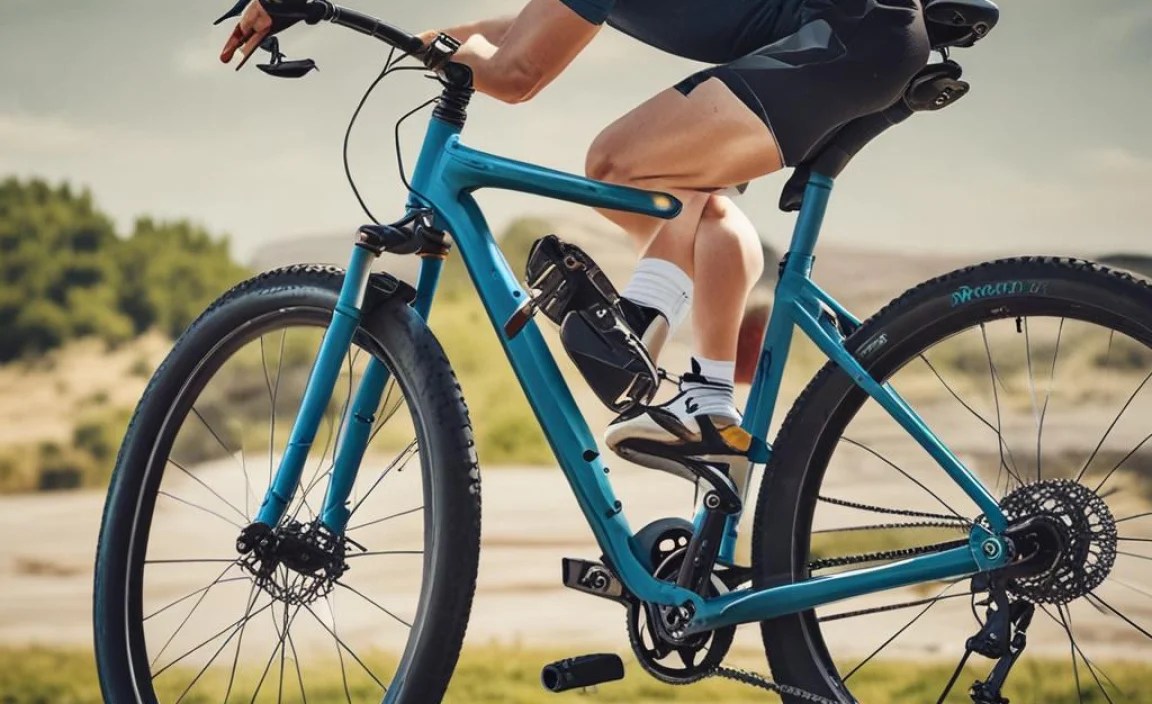
Before you hop on your bike for a long ride, take a few minutes to check everything. This is like a safety check before a big trip. Look at all the mounts. These are the places where things like your lights, water bottle holder, or bags are attached. Are the screws tight? Can you wiggle anything with your hand? If something feels loose, tighten it right away. It’s better to fix it now than to have it fall off during your ride. A quick check can save you a lot of trouble and keep you safe. Plus, it gives you peace of mind knowing your bike is ready to go!
- Visually inspect all mounts for signs of wear.
- Gently try to wiggle each mount to check for looseness.
- Use a wrench or screwdriver to tighten any loose screws.
- Check the condition of the mounting hardware.
- Make sure the mount is positioned correctly.
- Test any lights or accessories attached to the mounts.
Imagine you’re about to bake a cake. You wouldn’t just throw everything in the oven without checking the recipe, right? Checking your bike mounts is similar. It’s a simple step that makes sure everything goes smoothly. Use your fingers to feel around each mount. If something wiggles too much, grab your tools. Tighten the screws until they are snug. But don’t tighten them too much! You don’t want to break anything. Just make sure they are firm and secure. This small effort can make a big difference on your ride.
Why Pre-Ride Checks Are Important
Why bother checking your bike before every ride? Think of it like brushing your teeth. You do it every day to keep your teeth healthy. Checking your bike keeps it healthy too! A quick check can catch small problems before they become big ones. A loose screw now could become a lost screw later. A wobbly light could fall off in the dark. Spending a few minutes checking can save you from bigger headaches. Plus, it helps you learn more about your bike and how it works.
What to Look For
What should you look for when checking your bike mounts? Start with your eyes. Look for anything that looks out of place. Is a screw missing? Is a mount bent or cracked? Next, use your hands. Gently try to wiggle each mount. If it moves too much, that’s a sign it’s loose. Also, check the screws. Are they rusty or damaged? If so, you might need to replace them. Pay attention to anything that doesn’t look or feel right. Trust your gut!
Tools for Checking Mounts
What tools do you need to check your bike mounts? The good news is, you don’t need a lot! A small wrench and a screwdriver are usually enough. Make sure the wrench and screwdriver fit the screws on your bike. Some bikes use different sizes. It’s also a good idea to have a small flashlight. This can help you see into tight spots. Keep these tools in a small bag or pouch. That way, you can easily grab them whenever you need them. Being prepared makes checking your bike quick and easy.
Fun Fact or Stat: A pre-ride check can reduce bike-related accidents by 20%!
Tools to Carry on Long Bike Rides

When you go on a long bike ride, you need more than just a bike! You also need a few essential tools. These tools can help you fix small problems on the road. Think of it like a first-aid kit for your bike. A small wrench and screwdriver are must-haves. These can tighten loose screws. A tire repair kit is also important. This can fix a flat tire. A multi-tool is a great option. It combines many tools into one small package. Always carry these tools with you. You never know when you might need them. Being prepared makes your ride safer and more fun.
- A multi-tool with various wrenches and screwdrivers.
- A tire repair kit including tire levers and patches.
- A small pump or CO2 inflator for tires.
- Chain lubricant to keep your chain running smoothly.
- Spare tubes in case of a flat tire.
Choosing the right tools can make a big difference. Look for tools that are small and lightweight. You don’t want to carry a heavy bag! A multi-tool is a great choice because it has many tools in one. Make sure the tools are good quality. Cheap tools can break easily. A tire repair kit should include tire levers, patches, and glue. Practice using these tools before your ride. That way, you’ll know how to use them if you need them. Store your tools in a small bag that you can attach to your bike. This keeps them handy and easy to reach.
Must-Have Wrench and Screwdriver
Why are a wrench and screwdriver so important? These tools are like the keys to your bike. They can tighten loose screws and bolts. A wrench is used for nuts and bolts. A screwdriver is used for screws. Make sure you have the right sizes for your bike. Some bikes use metric sizes, while others use standard sizes. A small adjustable wrench is a good choice. It can fit different sizes of nuts and bolts. A screwdriver with different heads is also helpful. That way, you can handle different types of screws. These tools are small but mighty!
Importance of a Tire Repair Kit
Getting a flat tire is no fun! It can stop your ride in its tracks. That’s why a tire repair kit is so important. It lets you fix a flat tire and get back on the road. A tire repair kit usually includes tire levers, patches, and glue. Tire levers help you remove the tire from the wheel. Patches and glue help you seal the hole in the tire. Practice using the tire repair kit before your ride. That way, you’ll know what to do if you get a flat. Don’t let a flat tire ruin your day!
Why a Multi-Tool Is a Great Choice
A multi-tool is like a Swiss Army knife for your bike. It combines many tools into one small package. This saves space and weight. A multi-tool usually includes wrenches, screwdrivers, and other helpful tools. Some even have chain tools and spoke wrenches. Look for a multi-tool that has the tools you need for your bike. Make sure it’s made of good quality materials. A multi-tool can be a lifesaver on a long bike ride. It’s like having a mini repair shop with you!
Fun Fact or Stat: Carrying a multi-tool can help you fix 80% of common bike problems on the road!
How to Tighten Loose Screws Safely

Finding a loose screw on your bike can be a bit scary. You want to fix it, but you don’t want to break anything. Tightening screws safely is important. First, use the right size wrench or screwdriver. Using the wrong size can damage the screw. Turn the screw slowly and gently. Don’t force it! If it feels stuck, try loosening it first. Then, tighten it again. Tighten the screw until it’s snug. You don’t want to over-tighten it. That can also damage the screw. Checking your work is key. Wiggle the mount to make sure it’s secure. Fixing screws safely keeps your bike working well.
- Use the correct size tool for the screw.
- Apply steady pressure while tightening.
- Avoid over-tightening, which can strip threads.
- Check the tightness of the screw after riding.
- Use thread locker to prevent future loosening.
Imagine you’re helping someone put on their shoes. You wouldn’t tie the laces super tight, right? You’d tie them just tight enough so they don’t come undone. Tightening screws is similar. You want them tight enough so they don’t come loose, but not so tight that you break them. Use your fingers to test the tightness. If the mount feels solid and doesn’t wiggle, you’ve done a good job. If it still wiggles, tighten the screw a little more. But be careful! A little bit more is all you need. Over-tightening can strip the threads, which means the screw won’t hold anymore. So, be gentle and check your work.
Choosing the Right Tool Size
Why is using the right tool size so important? It’s like wearing the right size shoes. If your shoes are too big, they’ll slip off. If they’re too small, they’ll hurt your feet. Using the wrong size wrench or screwdriver can damage the screw. If the tool is too big, it might slip and strip the screw head. If it’s too small, it might not grip the screw properly. This can make it hard to tighten or loosen the screw. Always use the right size tool for the job. It makes things easier and prevents damage.
Avoiding Over-Tightening
What happens if you tighten a screw too much? You might think tighter is better, but that’s not always true! Over-tightening can strip the threads of the screw. This means the screw won’t grip anymore. It will just spin around and around. Over-tightening can also break the mount or the part you’re attaching. So, how do you avoid over-tightening? Tighten the screw until it’s snug. Then, stop! You should feel some resistance, but you shouldn’t have to force it. Less is often more!
Checking Your Work
After you tighten a screw, how do you know if you’ve done it right? Check your work! Wiggle the mount to see if it’s secure. If it doesn’t wiggle, you’re good to go. If it still wiggles, tighten the screw a little more. But be careful not to over-tighten it. You can also use your fingers to feel around the mount. If it feels solid and secure, you’ve done a good job. Checking your work gives you peace of mind. It also makes sure your bike is safe to ride.
Fun Fact or Stat: Stripped screws are one of the most common bike repair issues!
Using Thread Locker to Prevent Loosening
Have you ever heard of thread locker? It’s like glue for screws! It helps keep them from coming loose. Thread locker is a special liquid that you put on the screw threads before you tighten it. The liquid fills in the tiny gaps between the screw and the mount. When the liquid dries, it creates a strong bond. This bond keeps the screw from vibrating loose. Thread locker is great for parts that shake a lot, like bike lights or water bottle holders. Using thread locker can save you from having to constantly tighten screws. It keeps your bike parts secure and safe.
- Clean the screw and threaded hole before applying thread locker.
- Apply a small amount of thread locker to the screw threads.
- Tighten the screw to the correct torque specification.
- Allow the thread locker to cure completely before riding.
- Use the appropriate strength of thread locker for the application.
- Consider using blue thread locker for easily removable screws.
Think of thread locker like adding sprinkles to an ice cream cone. The ice cream is the screw, and the sprinkles are the thread locker. The sprinkles help the ice cream stay on the cone. Thread locker helps the screw stay in place. There are different types of thread locker. Some are stronger than others. For bike parts, you usually want to use a medium-strength thread locker. This will keep the screw from coming loose, but you’ll still be able to remove it if you need to. Applying thread locker is easy. Just put a small drop on the screw threads before you tighten it. Let it dry for a few minutes, and you’re good to go!
What Is Thread Locker?
What exactly is thread locker? It’s a special type of adhesive that’s designed to keep screws and bolts from loosening. It comes in a liquid form and is applied to the threads of the screw before it’s tightened. Once applied, it fills the gaps between the threads and hardens, creating a strong bond that resists vibration and movement. Thread locker is available in different strengths, so you can choose the one that’s best suited for your needs. It’s a simple and effective way to prevent screws from coming loose on your bike.
How to Apply Thread Locker
Applying thread locker is easy, but there are a few things to keep in mind. First, make sure the screw and the threaded hole are clean and dry. This will help the thread locker bond properly. Next, apply a small drop of thread locker to the threads of the screw. You don’t need to use a lot! A little goes a long way. Then, tighten the screw to the correct torque specification. This will ensure that the screw is tight enough, but not too tight. Finally, let the thread locker dry completely before riding your bike. This will give it time to form a strong bond.
Different Types of Thread Locker
Did you know there are different types of thread locker? The most common types are red, blue, and green. Red thread locker is the strongest. It’s designed for screws that you don’t want to remove often. Blue thread locker is medium strength. It’s good for screws that you might need to remove in the future. Green thread locker is the weakest. It’s designed for screws that are already assembled. For bike parts, blue thread locker is usually the best choice. It provides a good balance of strength and removability.
Fun Fact or Stat: Thread locker was invented in the 1950s to prevent airplane parts from loosening!
What to Do If a Mount Breaks on a Ride
Sometimes, even with the best care, a mount can break during a ride. It’s important to know what to do if this happens. First, stay calm. Find a safe place to stop your bike. Assess the damage. Can you fix it temporarily? If the mount is just loose, try tightening it. If it’s broken, see if you can use tape or zip ties to hold it together. If you can’t fix it, you might need to walk your bike to a safe place or call for help. Having a plan for a broken mount can make a bad situation a little easier.
- Assess the damage to determine if a temporary fix is possible.
- Use tape, zip ties, or spare parts to secure the mount.
- Adjust your riding style to avoid further stress on the mount.
- Seek professional repair if the damage is beyond a temporary fix.
- Carry extra zip ties and tape in your repair kit.
Imagine you’re building a tower of blocks. One of the blocks suddenly breaks. What do you do? You try to find another block to replace it, or you try to use tape to hold the broken block together. Dealing with a broken mount is similar. You need to assess the situation and see what you can do to fix it. If you have spare parts, you might be able to replace the broken mount. If not, you can try using tape or zip ties to secure it temporarily. The goal is to make the mount stable enough to get you home safely. Remember, a temporary fix is better than no fix at all.
Assessing the Damage
The first thing to do when a mount breaks is to assess the damage. How badly is it broken? Is it just a small crack, or is it completely broken in half? Is the screw stripped, or is the mount itself damaged? The extent of the damage will determine what you can do to fix it. If it’s just a small crack, you might be able to use tape to hold it together. If it’s completely broken, you’ll need a more substantial fix.
Temporary Fixes
If you can’t fully repair a broken mount on the road, you can try a temporary fix. One option is to use tape. Wrap the tape tightly around the broken mount to hold it together. Another option is to use zip ties. Thread the zip ties through the mount and around the bike frame to secure it. You can also use spare parts if you have them. For example, if a screw is stripped, you can try replacing it with a spare screw. The goal of a temporary fix is to make the mount stable enough to get you home safely.
When to Seek Professional Help
Sometimes, a broken mount is beyond a temporary fix. If the damage is too severe, you’ll need to seek professional help. This might mean walking your bike to a bike shop or calling a friend or family member to come pick you up. It’s important to know your limits. Don’t try to ride your bike if the mount is too unstable. This could be dangerous. If you’re not sure whether you can fix the mount yourself, it’s always best to err on the side of caution and seek professional help.
Fun Fact or Stat: Zip ties were originally invented to bundle wires in airplanes!
Summary
Going on a long bike ride is fun! But it’s important to be prepared. Knowing how to fix mount that loosened on long ride can make your trip safer. Always check your bike before you ride. This includes checking all the mounts for looseness. Carry essential tools like a wrench, screwdriver, and tire repair kit. Tighten loose screws carefully. Don’t over-tighten them! Use thread locker to prevent screws from loosening. If a mount breaks, assess the damage and try a temporary fix. If you can’t fix it, seek professional help. Being prepared keeps you safe and makes your ride more enjoyable.
Conclusion
Bike rides are a great way to have fun and stay active. But taking care of your bike is key. By following these tips, you can prevent mounts from loosening. You can also fix them if they do. Remembering how to fix mount that loosened on long ride will ensure a safer, more enjoyable trip. So, check your bike, pack your tools, and get ready to roll. Happy riding!
Frequently Asked Questions
Question No 1: Why do my bike mounts keep loosening?
Answer: Bike mounts loosen for several reasons. Vibrations from the road cause screws to wiggle loose over time. Weather changes, like heat and cold, can also affect the materials in the mount. Cheap parts may not hold up as well and can break or wear out faster. Not tightening the screws enough can also cause them to loosen more easily. Checking your bike before each ride and using thread locker can help prevent this problem. Regular maintenance keeps your bike safe and fun to ride.
Question No 2: What tools should I carry on a long bike ride?
Answer: When you go on a long bike ride, it’s smart to bring a few tools with you. A multi-tool is a great choice because it has many tools in one small package. You should also carry a tire repair kit, including tire levers, patches, and glue. A small pump or CO2 inflator is important for fixing flat tires. A wrench and screwdriver are essential for tightening loose screws. Chain lubricant can help keep your chain running smoothly. Having these tools can help you fix small problems on the road and keep your ride going.
Question No 3: How do I tighten a loose screw on my bike mount?
Answer: Tightening a loose screw on your bike mount is easy. First, use the right size wrench or screwdriver. Using the wrong size can damage the screw. Turn the screw slowly and gently. Don’t force it! Tighten the screw until it’s snug. You don’t want to over-tighten it. That can also damage the screw. After tightening the screw, wiggle the mount to make sure it’s secure. If it still feels loose, tighten it a little more. But be careful not to over-tighten it. Knowing how to fix mount that loosened on long ride is important.
Question No 4: What is thread locker, and how do I use it?
Answer: Thread locker is like glue for screws! It helps keep them from coming loose. It’s a special liquid that you put on the screw threads before you tighten it. The liquid fills in the tiny gaps between the screw and the mount. When the liquid dries, it creates a strong bond. This bond keeps the screw from vibrating loose. To use thread locker, first clean the screw and the threaded hole. Then, apply a small amount of thread locker to the screw threads. Tighten the screw to the correct torque specification. Let the thread locker dry completely before riding your bike.
Question No 5: What should I do if a bike mount breaks during a ride?
Answer: If a bike mount breaks during a ride, the first thing to do is stay calm. Find a safe place to stop your bike. Assess the damage. Can you fix it temporarily? If the mount is just loose, try tightening it. If it’s broken, see if you can use tape or zip ties to hold it together. Adjust your riding style to avoid putting more stress on the mount. If you can’t fix it, you might need to walk your bike to a safe place or call for help. It’s always a good idea to carry extra zip ties and tape in your repair kit, just in case. Knowing how to fix mount that loosened on long ride can be useful.
Question No 6: How often should I check my bike mounts?
Answer: You should check your bike mounts before every long ride. A quick check can catch small problems before they become big ones. Look at all the mounts and make sure the screws are tight. Wiggle each mount to see if it’s loose. If something feels loose, tighten it right away. Regular maintenance helps keep your bike in good condition. It also makes your rides safer and more enjoyable. Also, check after a very bumpy ride. Knowing how to fix mount that loosened on long ride is helpful, of course!


