
How Precision Machining Improves Chuck Fit: Powerful Gains

Precision machining makes bike pump chucks fit better by creating parts with exact measurements and smooth surfaces. This accuracy ensures a tight, leak-free seal on your tire valve, so you get more air in your tires with less effort. Better fit means easier, more efficient pumping!
Ever struggled to get your bike pump chuck to seal properly on your tire valve? You pump and pump, but half the air seems to be escaping around the sides. This can be super frustrating, especially when you’re trying to get your tires inflated before a ride. The good news is that a big part of the solution lies in how well the chuck is made. Precision machining plays a key role in ensuring a snug, airtight fit. We’ll walk you through how precision machining improves chuck fit, making your pumping experience smoother and more efficient.
What is Precision Machining?
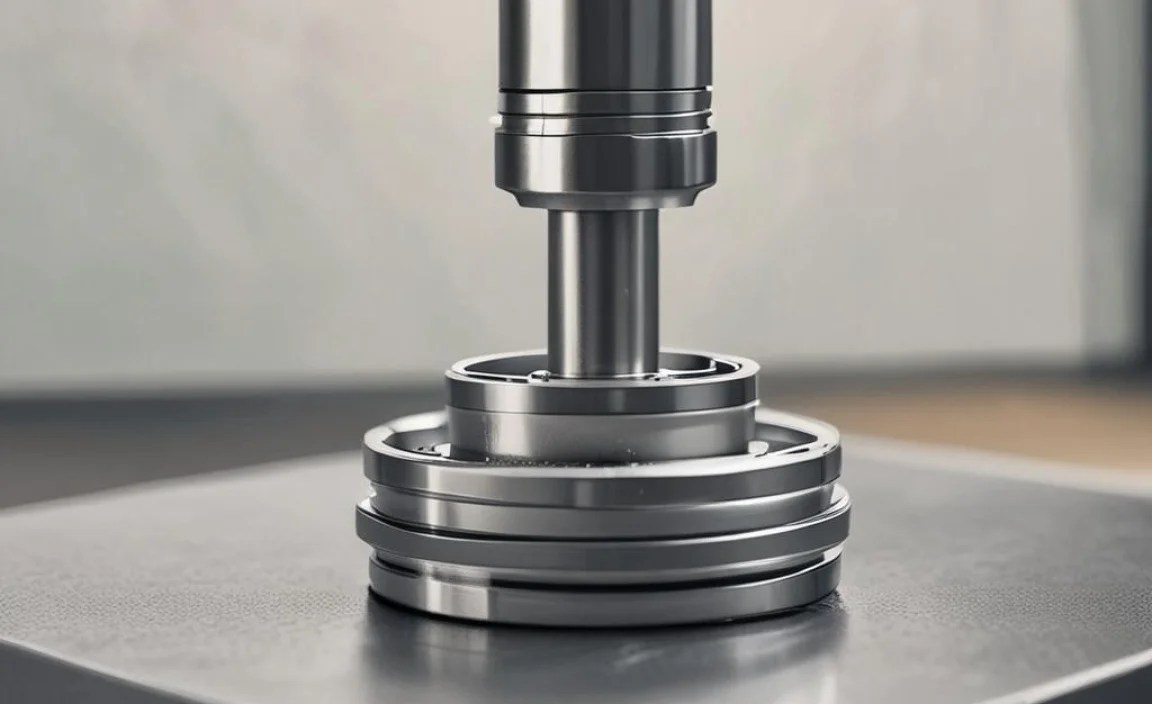
Precision machining is a manufacturing process that removes material to create parts with very exact shapes and sizes. Think of it like a sculptor carefully carving away at a block of stone to reveal a detailed statue. In machining, tools like lathes, mills, and grinders are used to cut away small amounts of material until the desired shape is achieved.
- Accuracy: Precision machining can achieve tolerances of just a few microns (millionths of a meter).
- Repeatability: Machines can consistently produce parts that are nearly identical.
- Surface Finish: Machining creates smooth surfaces that are essential for sealing.
Why is Precision Machining Important for Bike Pump Chucks?

A bike pump chuck is the part that connects to your tire valve. To inflate your tire properly, the chuck needs to form an airtight seal. Any gaps or imperfections can cause air to leak out, making it harder to reach the desired tire pressure. This is where precision machining comes in.
Here’s why it’s so important:
- Airtight Seal: Precision machining creates smooth, even surfaces that allow the chuck to form a tight seal around the valve.
- Correct Dimensions: Precise dimensions ensure that the chuck fits snugly onto the valve without being too loose or too tight.
- Durability: Well-machined parts are less likely to wear out or become damaged, extending the life of your pump.
How Precision Machining Improves Chuck Fit: A Step-by-Step Look

Let’s break down the specific ways that precision machining contributes to a better chuck fit.
1. Material Selection
The process starts with choosing the right material. Common materials for bike pump chucks include:
- Aluminum: Lightweight and corrosion-resistant.
- Brass: Durable and provides a good seal.
- Steel: Strong and long-lasting.
Precision machining works best with high-quality materials that are free from defects. The better the material, the better the final product.
2. Initial Shaping
The raw material is first shaped into a basic form. This can be done through:
- Casting: Molten metal is poured into a mold.
- Forging: Metal is shaped by hammering or pressing.
- Extrusion: Metal is pushed through a die to create a specific shape.
While these methods create the rough shape, they don’t provide the precision needed for a good chuck fit.
3. Machining Process
This is where the real magic happens. Precision machining uses various tools to remove material and create the final shape. Common machining processes include:
- Turning: The workpiece is rotated while a cutting tool removes material. Lathes are used for turning operations.
- Milling: A rotating cutter removes material from a stationary workpiece. Milling machines are used for milling operations.
- Grinding: An abrasive wheel removes material to create a very smooth surface. Grinders are used for grinding operations.
Each of these processes can be controlled very precisely, allowing for the creation of parts with tolerances of just a few microns.
4. Surface Finishing
After machining, the surface of the chuck is often finished to improve its smoothness and sealing ability. Common finishing processes include:
- Polishing: Abrasive compounds are used to smooth the surface.
- Lapping: A fine abrasive is used to create a very flat surface.
- Coating: A thin layer of material is applied to protect the surface and improve its properties.
A smooth surface is essential for creating an airtight seal between the chuck and the valve.
5. Quality Control
Throughout the manufacturing process, quality control checks are performed to ensure that the parts meet the required specifications. These checks may include:
- Dimensional measurements: Using calipers, micrometers, and other measuring tools to verify that the parts are the correct size.
- Surface finish analysis: Using instruments to measure the roughness of the surface.
- Leak testing: Testing the chuck to ensure that it forms an airtight seal.
Only parts that pass these checks are used in the final product.
Benefits of a Precision-Machined Chuck

Investing in a bike pump with a precision-machined chuck offers several advantages.
- Improved Seal: The most significant benefit is a better seal between the chuck and the valve. This means less air leakage and more efficient pumping.
- Easier Inflation: With a good seal, it takes less effort to inflate your tires to the desired pressure.
- Reduced Frustration: No more struggling to get the chuck to seal properly. A precision-machined chuck makes inflating your tires a breeze.
- Increased Durability: Precision-machined parts are less likely to wear out or become damaged, extending the life of your pump.
- Compatibility: Precision manufacturing allows for tighter tolerances, which means your chuck is more likely to be compatible with a wider range of valve types (Presta, Schrader, Dunlop).
Examples of Precision Machining in Bike Pump Chucks

Let’s look at some specific examples of how precision machining is used in bike pump chucks.
1. Presta Valve Chucks
Presta valves are commonly used on road bikes and high-performance bikes. They have a small diameter and require a precise fit to ensure a good seal. Precision machining is used to create chucks that fit snugly over the valve without damaging it.
2. Schrader Valve Chucks
Schrader valves are similar to those used on car tires and are commonly found on mountain bikes and hybrid bikes. These valves are larger than Presta valves and require a different chuck design. Precision machining is used to create chucks that fit securely onto the valve and provide a reliable seal.
3. Dual-Head Chucks
Some bike pumps have dual-head chucks that can be used with both Presta and Schrader valves. These chucks require even more precise machining to ensure that they can properly seal with both types of valves. The internal mechanisms that switch between valve types must also be manufactured with high accuracy.
Troubleshooting Chuck Fit Issues
Even with a precision-machined chuck, you may occasionally encounter issues with the fit. Here are some common problems and how to solve them.
- Air Leakage: If you notice air leaking around the chuck, make sure that it is fully seated on the valve. Also, check the rubber o-rings inside the chuck for wear or damage.
- Difficult to Attach: If the chuck is difficult to attach to the valve, try lubricating the valve with a small amount of silicone grease. Be careful not to use too much, as this can attract dirt and grime.
- Valve Damage: If you suspect that the valve is damaged, inspect it carefully for cracks or bends. Replace the valve if necessary.
Choosing a Bike Pump with a Precision-Machined Chuck
When shopping for a bike pump, look for models that advertise precision-machined chucks. These pumps may be slightly more expensive, but the improved performance and durability are well worth the investment. Here are some factors to consider:
- Material: Choose a chuck made from high-quality materials like aluminum, brass, or steel.
- Construction: Look for a chuck that is well-built and feels solid in your hand.
- Reviews: Read online reviews to see what other cyclists have to say about the pump’s performance and durability.
- Brand Reputation: Opt for reputable brands known for quality and precision in their manufacturing processes, such as Park Tool or Lezyne.
Maintenance Tips for Your Bike Pump Chuck
To keep your bike pump chuck in good working condition, follow these maintenance tips:
- Clean Regularly: Wipe the chuck clean after each use to remove dirt and grime.
- Lubricate: Occasionally lubricate the valve with a small amount of silicone grease.
- Inspect: Regularly inspect the chuck for wear or damage, and replace it if necessary.
- Store Properly: Store your pump in a clean, dry place to prevent corrosion.
Table: Comparison of Chuck Materials
| Material | Pros | Cons |
|---|---|---|
| Aluminum | Lightweight, corrosion-resistant | Less durable than steel, can be more expensive |
| Brass | Durable, good sealing properties | Heavier than aluminum, can tarnish over time |
| Steel | Very durable, long-lasting | Heavier than aluminum and brass, can be prone to rust if not properly coated |
Table: Common Chuck Problems and Solutions
| Problem | Possible Solution |
|---|---|
| Air Leakage | Ensure chuck is fully seated; check/replace O-rings |
| Difficult to Attach | Lubricate valve with silicone grease |
| Valve Damage | Inspect valve; replace if necessary |
Resources for Further Learning
Want to dive deeper into the world of precision machining and bike maintenance? Here are some helpful resources:
- Online Forums: Websites like Bike Forums offer discussions and advice from experienced cyclists and mechanics.
- YouTube Channels: Channels like Park Tool provide instructional videos on bike repair and maintenance.
- Local Bike Shops: Your local bike shop is a great resource for expert advice and hands-on assistance.
- Engineering and Manufacturing Websites: Explore websites like ASME (American Society of Mechanical Engineers) for in-depth information on machining processes.
FAQ: Precision Machining and Chuck Fit
Here are some frequently asked questions about precision machining and its impact on bike pump chucks.
What does “precision machining” really mean?
Precision machining means making parts to very exact sizes and shapes, usually with the help of computer-controlled machines. This ensures everything fits together perfectly.
Why is a good chuck fit so important?
A good chuck fit is super important because it makes sure all the air goes into your tire, not around it. This makes pumping easier and faster.
Can I tell if a chuck is precision machined just by looking at it?
It can be tricky, but usually, precision-machined chucks look cleaner and more polished. They also feel solid and well-made in your hand.
Are precision-machined chucks worth the extra cost?
Yes, they’re usually worth it! They last longer, work better, and make inflating your tires much less frustrating.
How do I clean my bike pump chuck?
Just wipe it down with a clean cloth after each use. If it gets really dirty, you can use a bit of soapy water, but make sure to dry it well.
What kind of grease should I use on my tire valves?
Use a small amount of silicone grease. It’s safe for rubber and won’t attract dirt as much as other types of grease.
How often should I replace my bike pump chuck?
It depends on how often you use your pump, but check it regularly for wear and tear. If you notice leaks or difficulty attaching it, it might be time for a replacement.
Conclusion
Precision machining is a game-changer when it comes to bike pump chuck fit. By creating parts with exact dimensions and smooth surfaces, it ensures an airtight seal, making your pumping experience easier and more efficient. While it might seem like a small detail, a well-machined chuck can make a big difference in your cycling routine. So, next time you’re shopping for a bike pump, keep an eye out for models with precision-machined chucks – your arms will thank you!


