
How to Use Mini Pump for Hybrid Bike: Easy Guide

Using a mini pump on your hybrid bike is simple! First, make sure the pump head fits your bike’s valve type (Presta or Schrader). Then, firmly attach the pump head to the valve, lock it in place, and start pumping using smooth, full strokes. Check your tire pressure regularly as you go.
Dealing with a flat tire on your hybrid bike can be a real pain, especially when you’re out on a ride. A mini pump is a lifesaver in these situations, but many cyclists find themselves struggling to use them effectively. It might seem complicated, but with a few simple steps, you’ll be able to inflate your tires quickly and get back on the road in no time.
This guide will walk you through everything you need to know about using a mini pump on your hybrid bike. We’ll cover how to choose the right pump, how to attach it to your tire valve, and the best techniques for efficient inflation. Let’s get started and make sure you’re always prepared for those unexpected flats!
Choosing the Right Mini Pump for Your Hybrid Bike

Before you even think about fixing a flat, you need to have the right mini pump. Not all pumps are created equal, and the best one for you will depend on your bike and riding style.
Valve Compatibility: Presta vs. Schrader
The first thing to consider is the type of valve your hybrid bike uses. There are two main types: Presta and Schrader.
- Presta valves are narrow and typically found on higher-end bikes. They have a small nut at the tip that you need to loosen before inflating.
- Schrader valves are wider and more common, similar to what you find on car tires.
Make sure your mini pump is compatible with the valve type on your bike. Some pumps are designed to work with both, while others are specific to one type. If you’re not sure, check the pump’s packaging or look for a switch or adapter that allows you to change between Presta and Schrader.
Pump Types: Hand vs. Frame-Mounted
Mini pumps come in two main styles:
- Hand pumps are small and portable, easy to carry in a backpack or jersey pocket.
- Frame-mounted pumps attach directly to your bike frame, so you always have them with you.
Hand pumps are great for their portability, but they can be a bit more work to use. Frame-mounted pumps are convenient, but they might not fit all bike frames.
Key Features to Look For
When choosing a mini pump, consider these features:
- Gauge: Some pumps have a built-in pressure gauge, which helps you inflate your tires to the correct PSI (pounds per square inch).
- Inflation Power: Look for a pump that can deliver enough air volume per stroke to inflate your tires efficiently.
- Size and Weight: A smaller, lighter pump is easier to carry, but it might require more strokes to inflate your tires.
- Durability: Choose a pump made from high-quality materials that can withstand regular use and outdoor conditions.
Here’s a quick comparison table to help you decide:
| Feature | Hand Pump | Frame-Mounted Pump |
|---|---|---|
| Portability | High | Low |
| Convenience | Medium | High |
| Inflation Power | Variable | Variable |
| Gauge | Optional | Optional |
| Durability | Variable | Variable |
Step-by-Step Guide: Using a Mini Pump
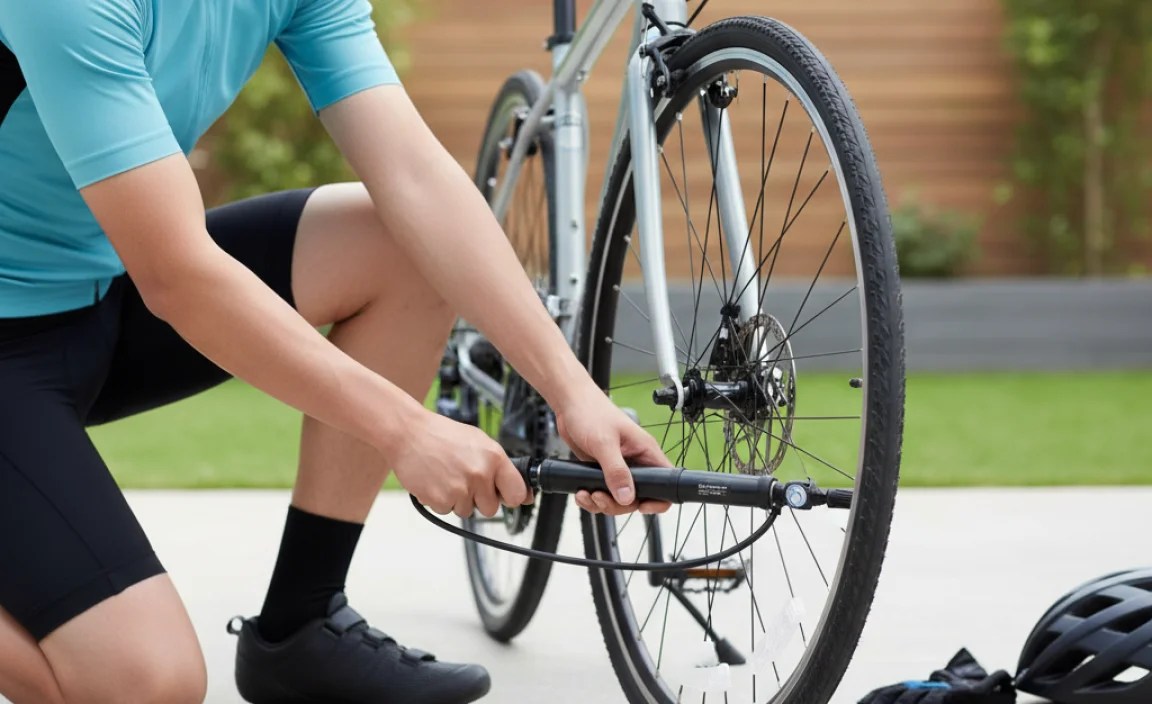
Now that you have the right mini pump, let’s get down to the actual process of inflating your tires. Follow these steps for a smooth and successful inflation.
Step 1: Prepare Your Bike and Pump
Before you start pumping, make sure your bike is in a stable position. If you’re on the road, lean it against a wall or use a bike stand if you have one. Check your mini pump to ensure it’s in good working condition.
- Inspect the Pump: Look for any signs of damage or wear. Make sure the pump head is clean and free of debris.
- Prepare the Valve: For Presta valves, unscrew the small nut at the tip. For Schrader valves, remove the valve cap.
Step 2: Attach the Pump to the Valve
This is a crucial step, as a poor connection can lead to air leakage and frustration. Follow these tips for a secure attachment:
- Position the Pump Head: Place the pump head directly over the valve.
- Secure the Connection: Press the pump head firmly onto the valve. Some pumps have a lever or locking mechanism to ensure a tight seal. Engage this lever if your pump has one.
- Check for Leaks: Listen for any hissing sounds that indicate air is escaping. If you hear a leak, readjust the pump head and try again.
Step 3: Inflate the Tire
Now comes the actual pumping. Here’s how to do it efficiently:
- Use Smooth, Full Strokes: Extend the pump handle fully on each stroke. This maximizes the amount of air being pushed into the tire.
- Maintain a Steady Rhythm: Avoid jerky or rushed movements. A consistent pace will help you maintain pressure and prevent fatigue.
- Use Your Body Weight: For hand pumps, brace the pump against the ground or your leg to provide stability. Use your body weight to help push the handle down.
- Monitor Tire Pressure: If your pump has a gauge, keep an eye on the pressure as you inflate. If not, periodically squeeze the tire to get a sense of its firmness.
Step 4: Reach the Correct Tire Pressure
Knowing the correct tire pressure is essential for a comfortable and efficient ride. Here’s how to determine the right pressure for your hybrid bike:
- Check the Tire Sidewall: Most tires have a recommended pressure range printed on the sidewall. This is usually expressed in PSI (pounds per square inch).
- Consider Your Weight and Riding Conditions: Heavier riders may need to inflate their tires to the higher end of the recommended range. Riding on rough roads or trails may require slightly lower pressure for better comfort and traction.
- Use a Gauge: If your pump doesn’t have a gauge, consider using a separate tire pressure gauge to ensure accurate inflation. Digital gauges are available online at retailers like Amazon or at local bike shops.
Here’s a general guideline for hybrid bike tire pressure:
| Rider Weight | Recommended Tire Pressure (PSI) |
|---|---|
| Under 150 lbs | 50-60 PSI |
| 150-200 lbs | 60-70 PSI |
| 200+ lbs | 70-80 PSI |
Step 5: Detach the Pump and Secure the Valve
Once you’ve reached the desired tire pressure, carefully detach the pump from the valve.
- Release the Lever: If your pump has a locking lever, disengage it.
- Pull Straight Off: Gently pull the pump head straight off the valve. Avoid twisting or bending, which could damage the valve.
- Secure the Valve: For Presta valves, tighten the small nut at the tip. For Schrader valves, replace the valve cap.
Tips for Efficient Pumping
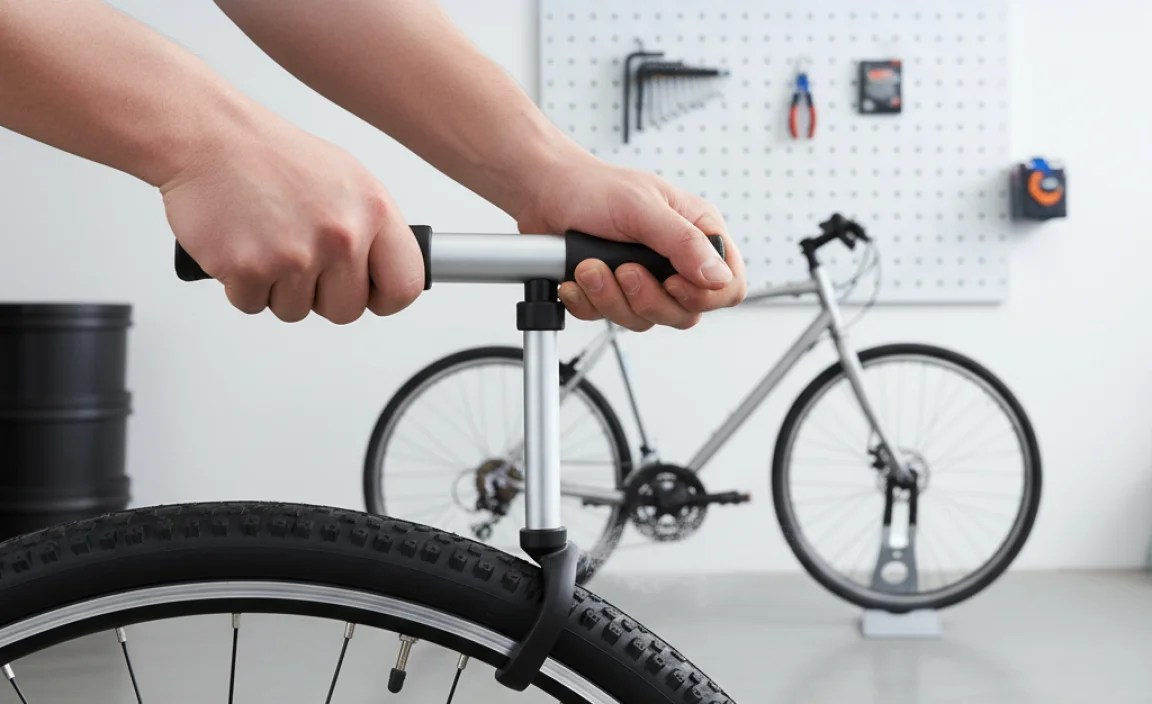
Using a mini pump can be tiring, but these tips will help you pump more efficiently:
- Use Your Body Weight: As mentioned earlier, bracing the pump against the ground or your leg and using your body weight can make pumping easier.
- Take Breaks: If you’re struggling to reach the desired pressure, take short breaks to rest your arms.
- Keep Your Pump Clean: Regularly clean your pump to remove dirt and debris that can affect its performance.
- Practice: The more you use your mini pump, the better you’ll become at it. Practice at home before you need it on the road.
Troubleshooting Common Issues
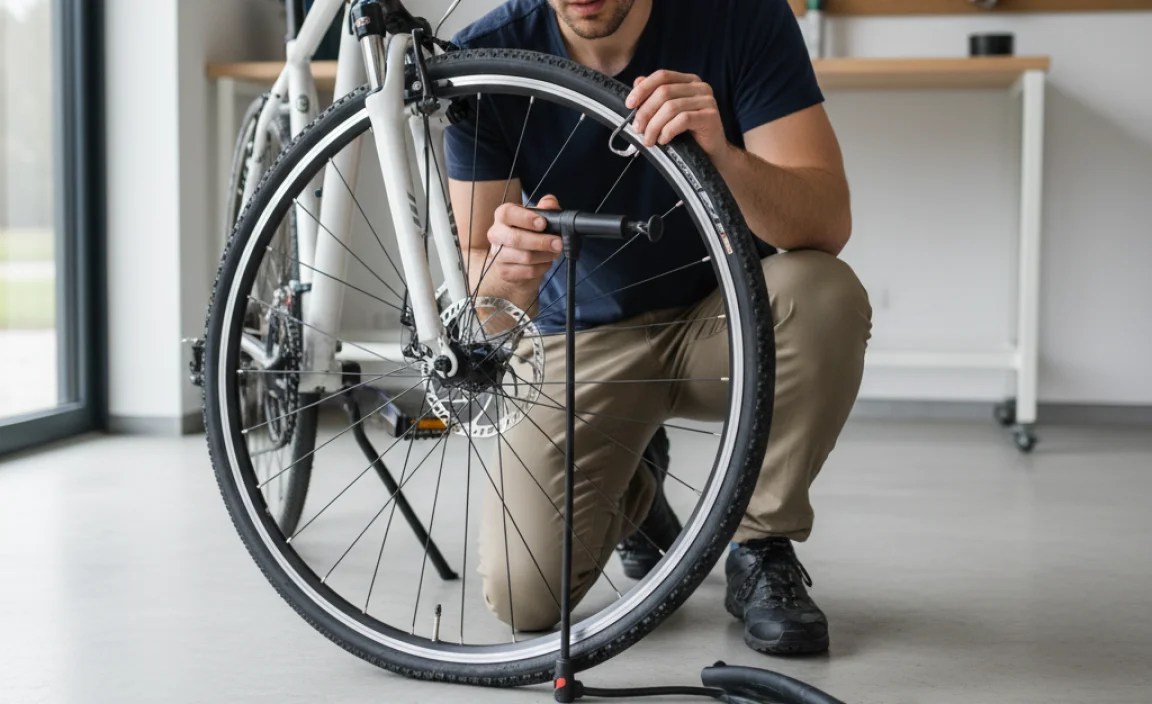
Sometimes, things don’t go as planned. Here are some common issues you might encounter and how to solve them.
Air Leaking Around the Valve
If you hear air hissing around the valve, it could be due to a poor connection. Try these solutions:
- Readjust the Pump Head: Make sure the pump head is securely attached to the valve.
- Check the Valve: Inspect the valve for any damage or debris. Clean it if necessary.
- Replace the Valve: If the valve is damaged beyond repair, you may need to replace it.
Pump Not Inflating the Tire
If you’re pumping but the tire isn’t inflating, there could be a few reasons:
- Check the Pump: Make sure the pump is working properly. The piston may need lubrication.
- Inspect the Tire: Look for any punctures or leaks in the tire. If you find a puncture, you’ll need to patch or replace the tube.
- Ensure Valve is Open: For Presta valves, make sure the valve is fully open by unscrewing the nut at the tip.
Difficulty Pumping
If you’re finding it hard to pump, it could be due to:
- Pump Overheating: Mini pumps can get hot during use, making them harder to operate. Take breaks to let the pump cool down.
- High Tire Pressure: As the tire pressure increases, it becomes harder to pump. Use your body weight and take breaks as needed.
- Pump Maintenance: The pump may need lubrication or maintenance. Refer to the manufacturer’s instructions for cleaning and lubrication.
Maintaining Your Mini Pump
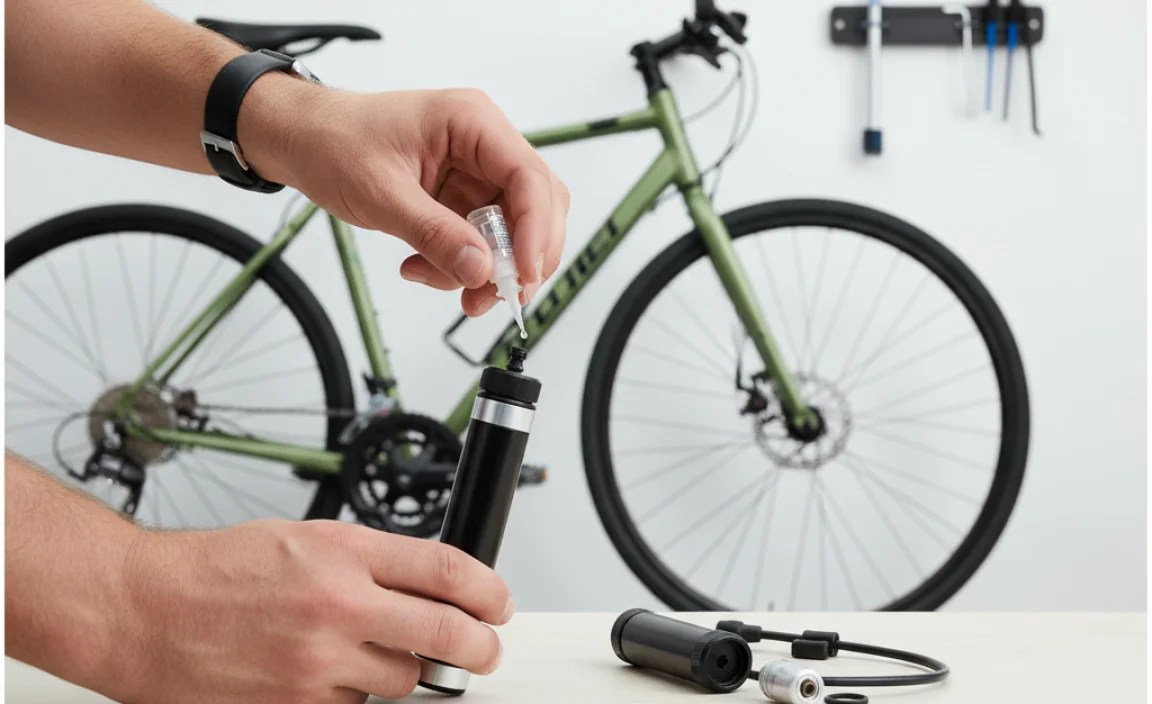
To keep your mini pump in good working condition, regular maintenance is essential. Here are some tips:
- Clean the Pump: Wipe down the pump with a damp cloth to remove dirt and debris.
- Lubricate the Piston: Apply a small amount of lubricant to the piston to keep it moving smoothly.
- Store Properly: Store your pump in a dry place to prevent rust and corrosion.
- Inspect Regularly: Check the pump for any signs of damage or wear. Replace any worn parts as needed.
Mini Pump Recommendations
Choosing the right mini pump can make a big difference in your cycling experience. Here are a few top-rated options:
- Lezyne Micro Floor Drive HP: Known for its high-pressure inflation and compact design.
- Topeak Pocket Rocket: A lightweight and efficient pump with a built-in gauge.
- Crankbrothers Sterling S: A versatile pump that works with both Presta and Schrader valves.
- Blackburn Core Mini-Pump: A durable and reliable option for everyday use.
Alternative Inflation Methods
While mini pumps are great for on-the-go inflation, there are other options to consider:
- CO2 Inflators: These use compressed CO2 cartridges to quickly inflate your tires. They’re fast and easy to use, but you’ll need to carry extra cartridges.
- Floor Pumps: These are larger, more powerful pumps that are ideal for home use. They provide more leverage and can inflate tires to higher pressures more easily.
- Electric Pumps: Battery-powered pumps that automatically inflate your tires to the desired pressure. They’re convenient but require charging.
FAQ: Using a Mini Pump for Hybrid Bike
Here are some frequently asked questions about using mini pumps on hybrid bikes:
What is the ideal tire pressure for a hybrid bike?
The ideal tire pressure for a hybrid bike typically ranges from 50 to 80 PSI. Check the tire sidewall for the manufacturer’s recommended range and adjust based on your weight and riding conditions.
How often should I check my tire pressure?
It’s a good idea to check your tire pressure before each ride. Tires can lose air over time, and maintaining the correct pressure ensures a comfortable and efficient ride.
Can I use a mini pump for both Presta and Schrader valves?
Yes, many mini pumps are designed to work with both Presta and Schrader valves. Look for a pump with a dual-head or an adapter that allows you to switch between valve types. Alternatively, you can use adapters like these from Amazon.
What should I do if my mini pump isn’t working?
First, check the pump for any signs of damage or debris. Make sure the pump head is securely attached to the valve and that the valve is open. If the pump still isn’t working, it may need lubrication or repair.
Is it possible to over-inflate my tires with a mini pump?
Yes, it’s possible to over-inflate your tires, especially if you’re using a pump without a gauge. Always check the tire pressure regularly and avoid exceeding the manufacturer’s recommended range.
How long does it take to inflate a tire with a mini pump?
The time it takes to inflate a tire with a mini pump varies depending on the pump, tire size, and your pumping technique. It can take anywhere from 5 to 15 minutes to reach the desired pressure.
What is the best way to carry a mini pump on my hybrid bike?
You can carry a mini pump in a backpack, jersey pocket, or attached to your bike frame using a pump mount. Frame-mounted pumps are convenient, while hand pumps are more portable.
Conclusion
Learning how to use a mini pump effectively is a valuable skill for any cyclist. With the right pump and a little practice, you’ll be able to handle flat tires with confidence and keep your hybrid bike rolling smoothly. Remember to choose a pump that’s compatible with your valve type, use smooth and steady pumping strokes, and maintain your pump to keep it in good working condition. With these tips, you’ll be well-prepared for any unexpected flats on your next ride. Happy cycling!


