
How to Use Mini Pump Without Damaging Valve: Easy!

Quick Summary: Using a mini pump without damaging your bike’s valve requires a gentle touch and the right technique. Make sure the pump head is securely attached straight onto the valve. Avoid excessive force or wiggling during inflation. Use short, controlled strokes and check the valve frequently to prevent bending or breakage.
Have you ever been stuck on the side of the road with a flat tire, wrestling with a mini pump, and fearing you’ll break your valve stem in the process? It’s a common cyclist’s nightmare! Mini pumps are essential for on-the-go repairs, but their small size can make them a bit tricky to use without causing damage. Don’t worry, you’re not alone. With a few simple tips and the right technique, you can inflate your tires with confidence, keeping your valves safe and sound. We’ll walk you through each step, making sure you get back on the road quickly and safely.
Understanding Bike Valves

Before diving into the how-to, let’s quickly cover the two main types of bike valves you’ll encounter:
- Presta Valves: These are narrow, with a small locking nut at the tip. They’re common on road bikes and high-performance tires.
- Schrader Valves: These are wider and look like the valves on car tires. You’ll often find them on mountain bikes, hybrid bikes, and some older road bikes.
Knowing which type you have is the first step to avoiding damage.
Choosing the Right Mini Pump
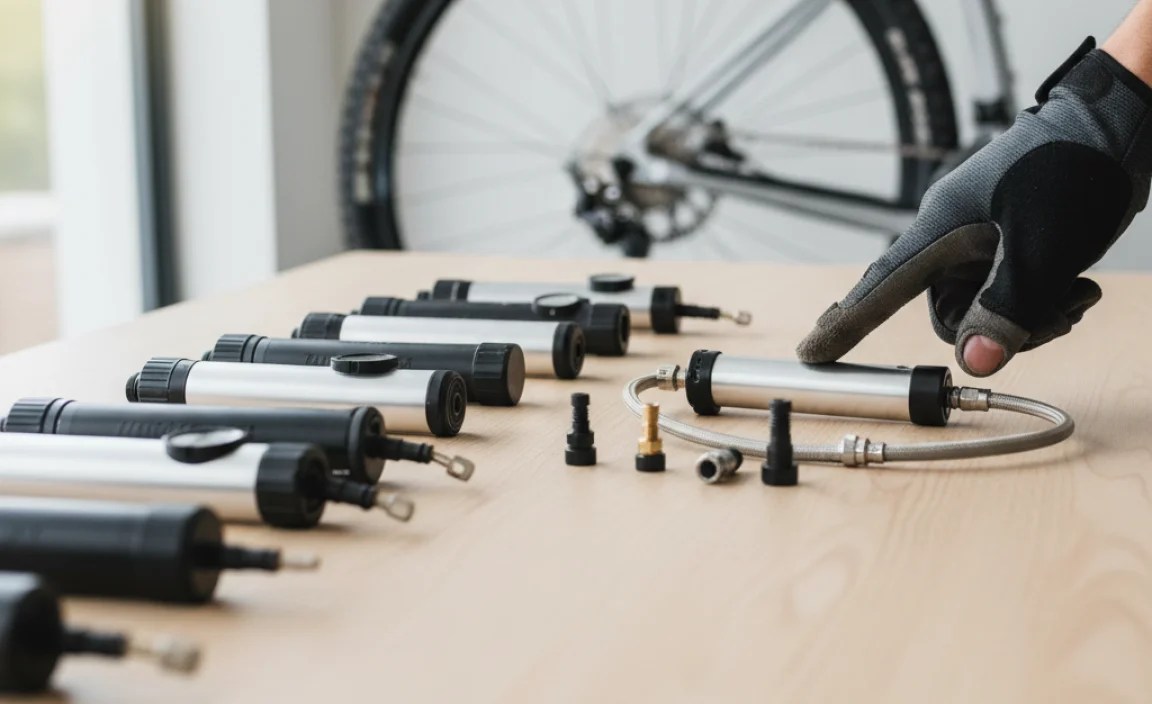
Not all mini pumps are created equal. Here’s what to look for:
- Dual Head: Some pumps have a dual head that fits both Presta and Schrader valves without needing to be disassembled or reconfigured.
- Secure Connection: Look for a pump head that creates a tight, leak-free seal on the valve. Threaded connections are generally more secure than push-on types.
- Compact Size: Mini pumps are designed to be portable, but consider the balance between size and pumping efficiency. Larger volume pumps will inflate tires faster.
Recommended Mini Pumps
Here are a few highly-rated mini pumps that are known for their reliability and ease of use:
| Pump Model | Valve Compatibility | Features | Approximate Price |
|---|---|---|---|
| Lezyne Road Drive | Presta | High pressure, compact design | $50-60 |
| Topeak Mini Morph | Presta & Schrader | Fold-out foot pad for stability | $35-45 |
| Blackburn Mammoth 2Stage | Presta & Schrader | High volume, two-stage inflation | $30-40 |
Step-by-Step Guide: Using a Mini Pump Without Damaging Your Valve
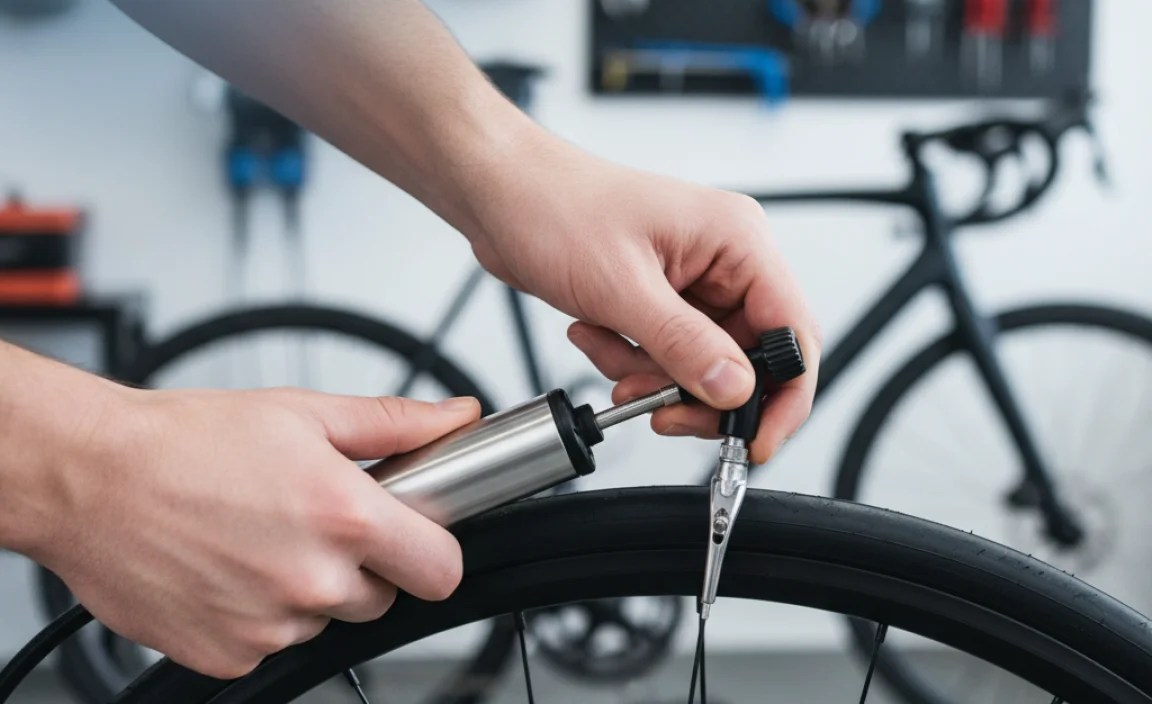
Follow these steps to inflate your tires safely and efficiently with a mini pump.
Step 1: Prepare the Valve
Before attaching the pump, prepare the valve:
- Presta Valve: Unscrew the small locking nut at the tip of the valve. Gently press the valve core to ensure it’s not stuck. This will make it easier to inflate.
- Schrader Valve: Simply remove the valve cap.
Step 2: Attach the Pump Head
This is where precision matters:
- Align the Pump Head: Make sure the pump head is perfectly aligned with the valve stem. Any angle can cause bending or damage.
- Presta Valve: Carefully press the pump head straight onto the valve. If your pump has a lever, engage it to create a secure seal.
- Schrader Valve: Push the pump head straight onto the valve until it’s firmly seated.
Step 3: Start Pumping
Use smooth, controlled strokes:
- Avoid Rushing: Rapid, jerky movements can put stress on the valve.
- Use Your Body Weight: Position the pump so you can use your body weight to assist with each stroke. This will make pumping easier and more efficient.
- Short Strokes: Use shorter strokes to start, especially with Presta valves. This helps prevent bending the valve stem.
Step 4: Monitor the Valve
Keep a close eye on the valve while pumping:
- Check for Bending: If you notice the valve bending or flexing excessively, stop immediately. Readjust the pump head and try again with less force.
- Listen for Leaks: If you hear air leaking around the valve, the pump head may not be properly sealed. Reattach the pump head and ensure a tight connection.
Step 5: Inflate to the Correct Pressure
Refer to your tire’s sidewall for the recommended pressure range:
- Use a Gauge: If your mini pump doesn’t have a built-in gauge, carry a separate pressure gauge to check the inflation level.
- Don’t Overinflate: Exceeding the recommended pressure can lead to blowouts.
Step 6: Detach the Pump Head
Carefully remove the pump head:
- Straight Pull: Pull the pump head straight off the valve to avoid bending.
- Presta Valve: Disengage the lever (if applicable) before removing the pump head. Screw the locking nut back onto the valve stem.
- Schrader Valve: Replace the valve cap.
Common Mistakes to Avoid
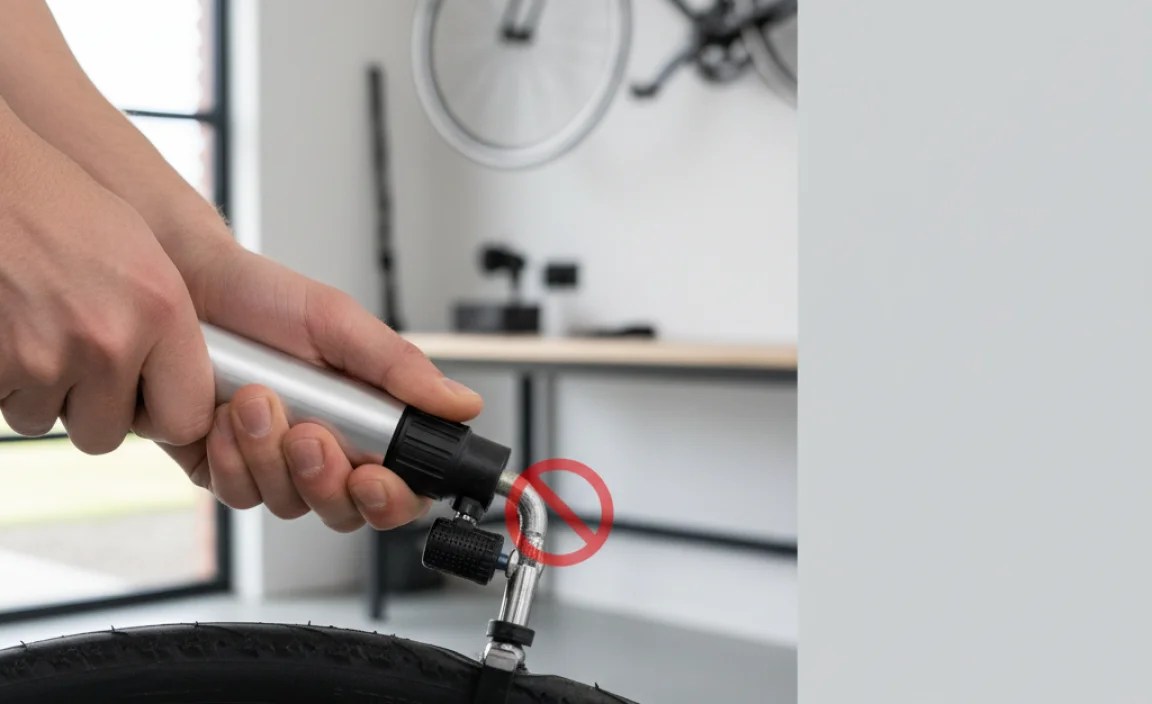
Here are some common pitfalls to watch out for:
- Using Excessive Force: Forcing the pump head onto the valve or using jerky pumping motions can easily damage the valve stem.
- Ignoring Leaks: Continuing to pump with a leaky connection can waste energy and potentially damage the valve.
- Overinflation: Always check the recommended pressure range on your tire and avoid exceeding it.
- Not Aligning the Pump Head: Angling the pump head to the valve stem can cause bending and breakage.
Tips for Presta Valves
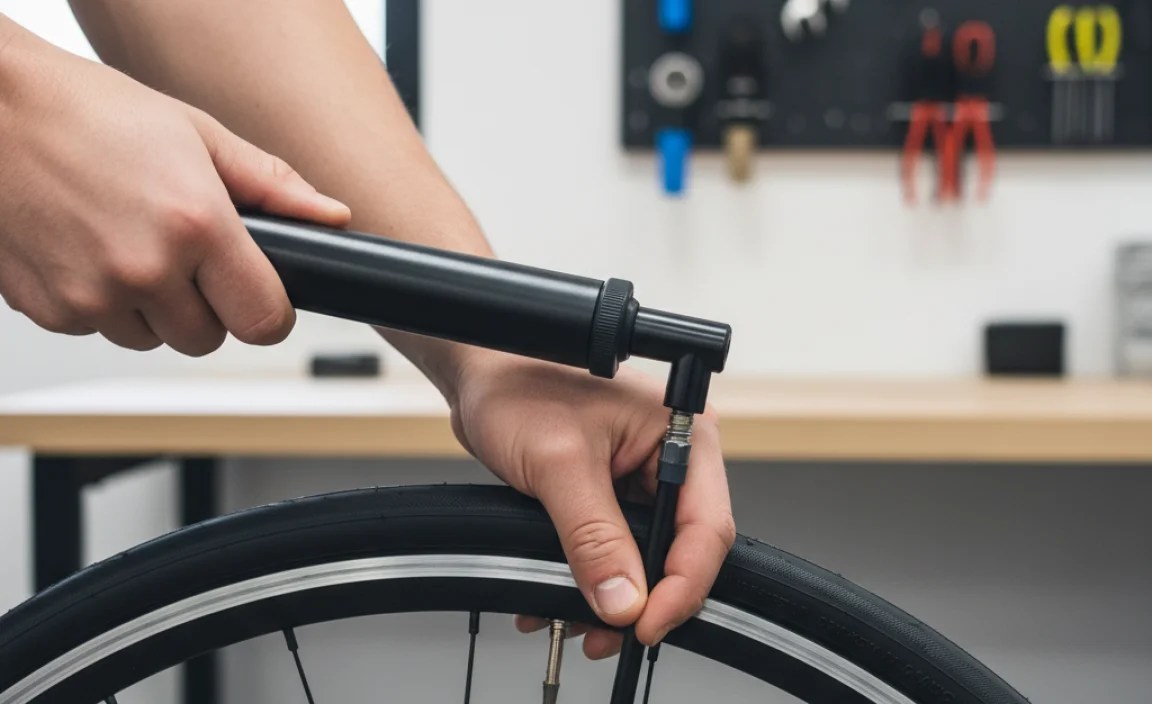
Presta valves are more delicate than Schrader valves, so here are some extra tips:
- Gentle Handling: Always handle Presta valves with care. They’re easily bent or broken.
- Check the Valve Core: Before inflating, make sure the valve core is not stuck. Gently press it to release any pressure.
- Use a Threaded Pump Head: Threaded pump heads provide a more secure connection and reduce the risk of bending the valve.
Maintaining Your Mini Pump
A well-maintained mini pump will last longer and perform better. Here are some maintenance tips:
- Clean the Pump Head: Regularly clean the pump head to remove dirt and debris that can interfere with the seal.
- Lubricate the Piston: Apply a small amount of lubricant to the piston to keep it moving smoothly.
- Store Properly: Store your mini pump in a dry place to prevent rust and corrosion.
Troubleshooting Common Issues
Even with the best technique, you might encounter some issues. Here’s how to troubleshoot them:
| Issue | Possible Cause | Solution |
|---|---|---|
| Pump not inflating tire | Poor seal between pump head and valve | Reattach pump head, ensuring a tight connection. Check for damage to the pump head seal. |
| Air leaking around valve | Damaged valve core or loose pump head | Tighten valve core (Presta). Reattach pump head securely. |
| Valve bending or breaking | Excessive force or misaligned pump head | Stop pumping immediately. Realign pump head and use gentler strokes. |
Pros and Cons of Using a Mini Pump
Here’s a quick overview of the advantages and disadvantages of mini pumps:
- Pros:
- Portable and lightweight
- Essential for on-the-go repairs
- Relatively inexpensive
- Cons:
- Can be difficult to use
- Requires more effort than a floor pump
- May not inflate tires to high pressures quickly
Alternatives to Mini Pumps
While mini pumps are great for emergencies, here are some alternatives for more convenient inflation:
- Floor Pumps: These are more efficient and easier to use for home inflation.
- CO2 Inflators: These provide rapid inflation but require CO2 cartridges.
- Electric Pumps: Compact and rechargeable, these pumps automate tire inflation.
FAQ: Mini Pump Usage
Here are some frequently asked questions about using mini pumps:
What is the best type of mini pump for road bikes?
For road bikes, look for a high-pressure mini pump with a Presta-specific head or a dual head that securely fits Presta valves. Models like the Lezyne Road Drive are popular choices.
How do I know if my tire is inflated to the correct pressure?
Check the recommended pressure range printed on your tire’s sidewall. Use a pump with a built-in gauge or carry a separate pressure gauge for accurate readings.
Can I use a mini pump for tubeless tires?
Yes, you can use a mini pump for tubeless tires, but it may take more effort to seat the tire bead initially. CO2 inflators or high-volume pumps are often preferred for tubeless setups.
What should I do if my Presta valve is stuck?
Gently press the valve core with a small tool or the pump head to release any pressure and loosen the valve. Avoid using excessive force.
How often should I maintain my mini pump?
Clean the pump head and lubricate the piston every few months, or more frequently if you use the pump regularly or ride in dusty conditions.
Is it possible to over-inflate my tire with a mini pump?
Yes, it’s possible. Always check the pressure with a gauge and avoid exceeding the recommended pressure range on your tire.
What if my mini pump doesn’t fit my valve type?
Some mini pumps have a switch or adapter to change between Presta and Schrader valves. Check the pump’s instructions or look for a dual-head pump that fits both valve types.
Conclusion
Using a mini pump doesn’t have to be a nerve-wracking experience. By following these steps, avoiding common mistakes, and taking care of your equipment, you can inflate your tires safely and efficiently, no matter where your ride takes you. Remember, patience and a gentle touch are key to protecting your valves and enjoying a smooth, worry-free cycling experience. So, grab your mini pump, hit the road, and ride on with confidence!


