
Pump Gauge for Dual Barrels: The Ultimate Guide

Quick Summary:
Using a pump gauge for dual barrel pumps is straightforward. First, connect the pump head securely to your tire’s valve. Then, read the gauge as you pump to monitor the pressure. Ensure the gauge displays the correct units (PSI or BAR) and aim for the recommended tire pressure printed on your tire’s sidewall. Adjust as needed to achieve optimal inflation.
Ever feel like your tires are either too soft or rock hard? Getting the right tire pressure is crucial for a smooth, safe ride. It affects everything from comfort and speed to preventing flats. But with so many pumps and gauges out there, how do you make sure you’re getting an accurate reading, especially with a dual barrel pump?
In this guide, I’ll walk you through how to use a pump gauge effectively with dual barrel pumps. We’ll cover everything from understanding different types of gauges to getting consistent, reliable pressure readings. Let’s get started and take the guesswork out of tire inflation!
Understanding Dual Barrel Pumps and Gauges

Dual barrel pumps are designed to inflate tires quickly and efficiently. They have two cylinders that work together to push more air with each stroke. This makes them great for high-volume tires like those on mountain bikes or for quickly inflating car tires. But to get the most out of them, you need an accurate gauge. Let’s explore the basics.
What is a Dual Barrel Pump?
A dual barrel pump features two cylinders, allowing it to move a larger volume of air compared to a single barrel pump. This design makes inflating tires faster and easier, especially for larger tires found on mountain bikes, gravel bikes, and even car tires. Dual barrel pumps are popular among cyclists and vehicle owners who value efficiency and speed.
Types of Gauges
There are two main types of gauges you’ll encounter:
- Analog Gauges: These use a needle to point to the pressure reading on a dial. They’re simple, reliable, and don’t require batteries.
- Digital Gauges: These display the pressure reading on a screen. They often offer more precise readings and can switch between units like PSI and BAR.
Both types have their pros and cons. Analog gauges are durable and easy to use, while digital gauges offer accuracy and extra features. Your choice depends on your preferences and needs.
Why Accuracy Matters
Accurate tire pressure is vital for several reasons:
- Performance: Correct pressure reduces rolling resistance, making your ride faster and more efficient.
- Comfort: Proper inflation absorbs bumps and vibrations, providing a smoother ride.
- Safety: Underinflated tires can lead to pinch flats and poor handling, while overinflated tires can burst.
- Tire Life: Maintaining the right pressure prevents premature wear and extends the life of your tires.
Now that we know why accuracy is so important, let’s look at how to use a pump gauge with a dual barrel pump.
Step-by-Step Guide to Using a Pump Gauge with Dual Barrel Pumps

Follow these steps to get accurate tire pressure readings every time.
Step 1: Gather Your Tools
Before you start, make sure you have the following:
- Dual barrel pump with a built-in or separate gauge
- Your bike or car tire
- A rag to clean the valve (optional)
Step 2: Prepare the Valve
There are two main types of valves you’ll encounter:
- Presta: Found mostly on road bikes, these have a small locking nut at the tip. Unscrew the nut and press down to release a bit of air before attaching the pump.
- Schrader: Similar to car tire valves, these are wider and have a spring-loaded pin in the center.
Clean the valve with a rag to remove any dirt or debris. This helps ensure a good seal with the pump head.
Step 3: Attach the Pump Head
Most pump heads have two openings – one for Presta valves and one for Schrader valves. Select the correct opening and firmly press the pump head onto the valve. Make sure it’s snug to prevent air leaks.
Some pumps have a lever to lock the pump head in place. If yours does, engage the lever.
Step 4: Start Pumping
Begin pumping using smooth, consistent strokes. Watch the gauge as the pressure increases. Dual barrel pumps deliver air quickly, so keep an eye on the gauge to avoid overinflation.
Step 5: Monitor the Gauge
As you pump, the gauge will show the current tire pressure. Note the units (PSI or BAR) and compare the reading to the recommended pressure printed on your tire’s sidewall.
Pro Tip: Refer to your tire manufacturer’s recommendations for optimal tire pressure. These recommendations are usually printed on the sidewall of your tire. For example, a tire might say “Inflate to 80-100 PSI.”
Step 6: Adjust Pressure as Needed
If you’ve overinflated the tire, use the pressure release valve on the pump head to let out some air. Press the valve gently until you reach the desired pressure.
If you haven’t reached the recommended pressure, continue pumping until you do.
Step 7: Remove the Pump Head
Once you’ve reached the correct pressure, disengage the locking lever (if applicable) and carefully remove the pump head from the valve. Be quick to minimize air loss.
For Presta valves, remember to tighten the locking nut.
Step 8: Double-Check Your Work
Use a separate handheld gauge to double-check the tire pressure. This helps ensure the pump gauge is accurate and reliable. If there’s a significant difference between the two readings, consider calibrating or replacing your pump gauge.
Troubleshooting Common Issues
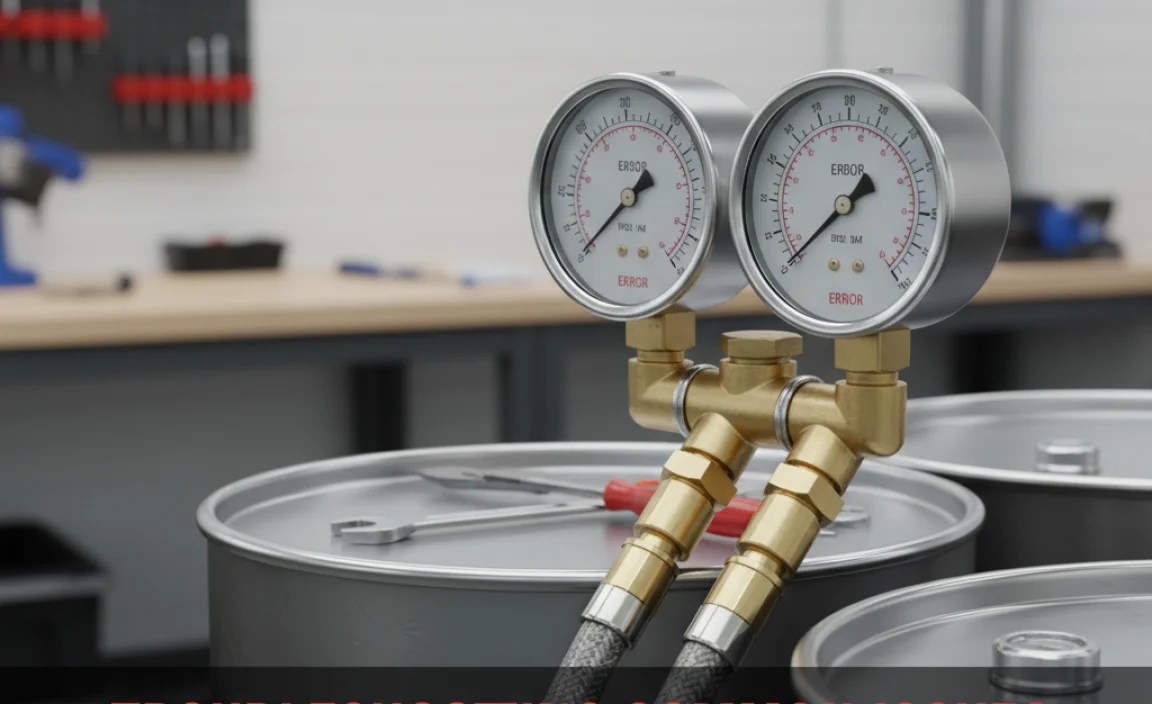
Sometimes, things don’t go as planned. Here are some common issues and how to fix them.
Air Leaks
If you hear air leaking while pumping, it could be due to:
- Poor seal: Make sure the pump head is securely attached to the valve. Try repositioning it or using a different opening.
- Damaged valve: Inspect the valve for cracks or damage. Replace it if necessary.
- Worn pump head: The rubber seal inside the pump head may be worn out. Replace the pump head.
Inaccurate Readings
If the gauge readings seem off, consider the following:
- Gauge calibration: Some gauges can be calibrated. Check the manufacturer’s instructions.
- Gauge damage: If the gauge is damaged, replace it.
- Unit confusion: Make sure you’re reading the correct units (PSI or BAR).
Pump Head Won’t Attach
If you’re having trouble attaching the pump head, try these tips:
- Correct opening: Ensure you’re using the correct opening for your valve type (Presta or Schrader).
- Lubrication: Apply a small amount of silicone grease to the valve stem to ease attachment.
- Pump head compatibility: Some pump heads may not be compatible with certain valves. Try a different pump head.
Maintaining Your Pump and Gauge

Proper maintenance ensures your pump and gauge last longer and provide accurate readings. Here are some tips:
Regular Cleaning
Clean the pump and gauge regularly with a damp cloth to remove dirt and debris. Pay special attention to the pump head and valve attachments.
Storage
Store your pump in a dry, clean place. Avoid exposing it to extreme temperatures or direct sunlight, which can damage the gauge and seals.
Gauge Calibration
Check the accuracy of your gauge periodically using a separate handheld gauge. Calibrate the pump gauge if necessary, following the manufacturer’s instructions.
Replacing Parts
Replace worn or damaged parts, such as the pump head, hose, or gauge, as needed. This will keep your pump working efficiently and accurately.
Choosing the Right Pump and Gauge

Selecting the right pump and gauge can make a big difference in your cycling experience. Here’s what to consider.
Pump Features
Look for these features when choosing a dual barrel pump:
- High volume: Ensures quick inflation for larger tires.
- Durable construction: Look for pumps made from high-quality materials like aluminum or steel.
- Stable base: A wide, stable base prevents the pump from tipping over during use.
- Comfortable handle: A comfortable, ergonomic handle reduces hand fatigue.
Gauge Considerations
When selecting a gauge, consider these factors:
- Accuracy: Choose a gauge with a reputation for accuracy. Read reviews and compare readings with a known accurate gauge.
- Readability: Look for a gauge with a clear, easy-to-read display. Digital gauges often have backlit screens for better visibility.
- Units: Make sure the gauge displays the units you prefer (PSI, BAR, or kPa).
- Durability: Choose a gauge that can withstand regular use and potential bumps or drops.
Recommended Products
Here are a few highly-rated dual barrel pumps with accurate gauges:
| Pump | Gauge Type | Key Features |
|---|---|---|
| Lezyne Micro Floor Drive HP | Analog | Compact, high-pressure, durable |
| Topeak JoeBlow Sport III | Analog | Stable base, comfortable handle |
| Serfas TCPG | Digital | Precise readings, easy-to-read display |
Understanding PSI vs. BAR
Tire pressure is often measured in PSI (pounds per square inch) or BAR (a metric unit). It’s important to understand the difference and how to convert between them.
PSI (Pounds per Square Inch)
PSI is a common unit of pressure measurement in the United States. It indicates the force exerted on one square inch of area.
BAR
BAR is a metric unit of pressure measurement commonly used in Europe and other parts of the world. 1 BAR is approximately equal to atmospheric pressure at sea level.
Conversion
Here’s the conversion between PSI and BAR:
1 BAR = 14.5038 PSI
1 PSI = 0.0689 BAR
Many gauges display both PSI and BAR, making it easy to switch between units. If your gauge only shows one unit, use the conversion formula to calculate the equivalent pressure in the other unit.
Advanced Tips for Accurate Readings
For the most accurate tire pressure readings, consider these advanced tips.
Temperature Considerations
Tire pressure changes with temperature. As the temperature rises, the pressure increases, and vice versa. Check your tire pressure when the tires are cool, preferably in the morning before riding. If you check the pressure after a ride, the tires will be warmer, and the reading will be higher.
Elevation Changes
Elevation can also affect tire pressure. At higher altitudes, the atmospheric pressure is lower, which can affect the accuracy of your gauge. If you frequently ride in mountainous areas, consider using a gauge designed for high-altitude use.
Tire Type and Riding Conditions
The ideal tire pressure depends on the type of tire and the riding conditions. Wider tires generally require lower pressures for better grip and comfort, while narrower tires require higher pressures for lower rolling resistance. Adjust your tire pressure based on the terrain, weather, and your personal preferences.
FAQ
What does PSI mean on a bike pump gauge?
PSI stands for pounds per square inch. It’s a unit used to measure the air pressure in your tires. The gauge shows how much force the air inside your tire is exerting on each square inch of the tire’s surface.
How do I know what PSI to inflate my bike tires to?
Look for the recommended PSI range printed on the sidewall of your tire. This range tells you the minimum and maximum pressure your tire can handle. Adjust within this range based on your weight, riding style, and terrain.
Can I use a car tire pump for my bike?
Yes, but you’ll need to make sure the pump head is compatible with your bike’s valve type (Presta or Schrader). Some car tire pumps may not fit Presta valves without an adapter. Also, be careful not to overinflate your bike tires, as they require much lower pressure than car tires.
How often should I check my bike tire pressure?
It’s a good idea to check your tire pressure before every ride, especially if you haven’t ridden in a few days. Tires can lose pressure over time, and maintaining the correct pressure ensures a safe and comfortable ride.
What is the difference between Presta and Schrader valves?
Presta valves are narrow and have a locking nut at the tip, commonly found on road bikes. Schrader valves are wider and have a spring-loaded pin in the center, similar to car tire valves. Each requires a different type of pump head or adapter.
Why does my tire lose air even when it’s not punctured?
Tires naturally lose air over time due to the permeability of the rubber. Small amounts of air can seep through the tire and valve. Regularly checking and inflating your tires helps maintain the correct pressure.
Is it better to inflate tires to the higher or lower end of the recommended PSI range?
It depends on your preferences and riding conditions. Higher pressures offer lower rolling resistance and are suitable for smooth roads. Lower pressures provide better grip and comfort on rough terrain. Experiment to find the pressure that works best for you.
Conclusion
Using a pump gauge with dual barrel pumps doesn’t have to be a chore. With the right knowledge and a bit of practice, you can easily maintain the correct tire pressure for optimal performance, comfort, and safety. Remember to choose a reliable pump and gauge, follow the steps outlined in this guide, and troubleshoot any issues that arise. Happy riding!


