
Air Pump Parts Name: Easy Guide + Diagrams

Have you ever blown up a balloon? Did you use your breath? Some people use a special tool. This tool is called an air pump. Air pumps help fill things with air. They have many air pump parts name that work together. These parts make it easy to inflate tires, balls, and more.
Air pumps are very useful. They save us time and energy. Imagine blowing up a big pool toy. It would take a long time! An air pump can do it quickly. Let’s learn more about the different parts of an air pump. We will see how they all help.
Air pumps come in many shapes and sizes. Some are small and used by hand. Others are big and use electricity. But all air pumps have similar parts. Knowing these parts can help you fix a pump. It can also help you understand how it works. Let’s dive in!
Key Takeaways
- Understanding air pump parts name helps you maintain and repair your pump easily.
- The piston and cylinder are crucial for compressing air inside the pump.
- Valves control the airflow, ensuring air moves in the right direction.
- Hoses and nozzles connect the pump to the item being inflated.
- Regular maintenance of all parts extends the life of your air pump.
Main Air Pump Components
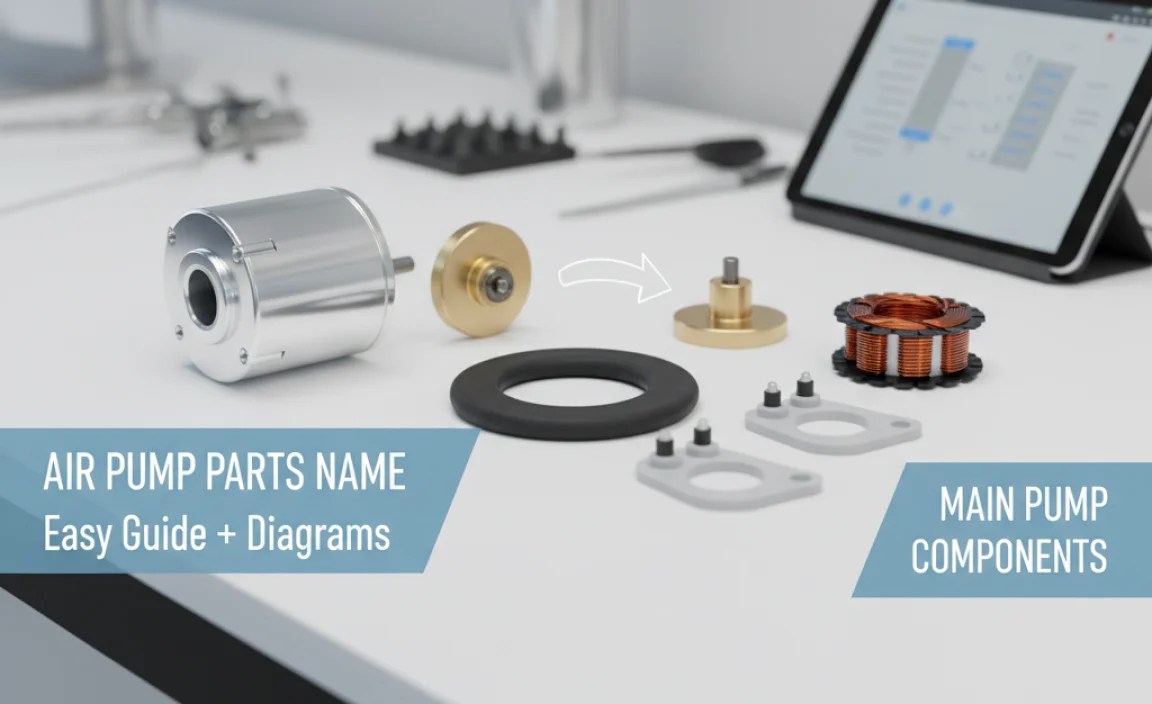
Air pumps are useful tools. They help us inflate things. Many different parts work together. These parts make the pump work well. The main air pump components include the cylinder, piston, and valves. Each part has a special job. The cylinder is a tube. The piston moves inside the cylinder. This movement compresses the air. Valves control the air flow. They let air in and out at the right times. These parts must be in good shape. If one part breaks, the pump might not work. Other important parts include the hose and nozzle. The hose connects the pump to the item. The nozzle fits into the item’s valve. Together, all these parts make inflating things easy.
- The cylinder holds the air.
- The piston compresses the air.
- Valves control air direction.
- The hose connects to the item.
- The nozzle fits into the valve.
Understanding these main components is important. It helps you take care of your air pump. Regular cleaning can prevent problems. Check the hose for cracks. Make sure the valves are not stuck. If you notice a problem, try to fix it. Sometimes you can replace a part. This can save you from buying a new pump. Knowing the parts also helps you choose the right pump. Some pumps are better for certain jobs. Think about what you need to inflate. Then, choose a pump with the right parts. A well-maintained pump will last a long time. It will help you inflate things easily for years to come.
Fun Fact or Stat: Did you know the first air pump was invented in the 1600s? It was used for scientific experiments!
What is the Air Pump Cylinder?
The cylinder is a very important part. It is a tube inside the air pump. The piston moves up and down inside it. This movement makes the air compress. Have you ever used a syringe? The cylinder is like the body of the syringe. It holds the liquid. In an air pump, it holds air. The cylinder needs to be strong. It must withstand the pressure of the air. It is usually made of metal or strong plastic. The size of the cylinder affects how much air the pump can push. A bigger cylinder can move more air. This means you can inflate things faster. Regular cleaning helps keep the cylinder working well.
How Does the Piston Work?
The piston is another key part. It fits tightly inside the cylinder. When you push or pull the pump handle, the piston moves. This movement changes the amount of space in the cylinder. When the piston moves down, it makes the space smaller. This squeezes the air. Squeezing the air makes it have more pressure. Then, the air can push into the tire or ball. The piston has a rubber ring around it. This ring helps seal the space. It stops air from leaking out. A good seal is important for the pump to work well. Without it, the pump will not build up enough pressure.
What Do Valves Do in an Air Pump?
Valves are like doors in the air pump. They let air in and out at the right times. There are usually two valves. One valve lets air into the cylinder. The other valve lets air out to the tire or ball. These valves only open in one direction. This makes sure the air flows the right way. If the valves get stuck, the pump won’t work well. They might get stuck because of dirt. Sometimes they wear out over time. Cleaning the valves can help. You can also replace them if they are broken. Good valves are important for a good air pump.
Understanding Air Pump Pistons

The piston is a key part of the air pump. It moves inside the cylinder. This movement helps to compress air. Air pump pistons are usually made of metal or plastic. They need to be strong and durable. The piston has a seal around it. This seal prevents air from leaking. Different types of pistons exist. Some are simple, while others are more complex. The design of the piston affects the pump’s efficiency. A well-designed piston can compress more air with less effort. Regular maintenance of the piston is important. Cleaning and lubricating the piston can extend its life. This ensures the air pump works smoothly.
- Pistons compress air in the cylinder.
- Seals prevent air from leaking out.
- Materials include metal and plastic.
- Maintenance keeps pistons working well.
- Design affects pumping efficiency.
The piston’s movement creates pressure. This pressure is what inflates the tire or ball. Think of the piston like your heart. Your heart pumps blood through your body. The piston pumps air through the pump. The tighter the seal, the better the pump works. If the seal is loose, air will leak. This makes it harder to inflate things. Sometimes the piston can get stuck. This can happen if it is not lubricated. A little oil can help the piston move freely again. Understanding how the piston works can help you fix your air pump. It can also help you choose the right pump for your needs.
Fun Fact or Stat: Some air pumps use a double piston design. This means they have two pistons working together for faster inflation!
Why is the Piston Seal Important?
The piston seal is very important. It fits around the piston. It stops air from leaking out. A good seal makes the pump work better. If the seal is broken, the pump loses pressure. This means it takes longer to inflate things. The seal is usually made of rubber or plastic. These materials are flexible and can create a tight fit. Over time, the seal can wear out. It can become cracked or loose. When this happens, you need to replace it. Replacing the seal is often easier than buying a new pump. It can save you money and keep your pump working well.
How Do You Maintain a Piston?
Maintaining a piston is not hard. It helps keep your air pump in good shape. First, keep the piston clean. Dirt and dust can make it stick. Use a clean cloth to wipe it down. Second, lubricate the piston. A little oil or grease can help it move smoothly. Follow the pump’s instructions for the right type of lubricant. Third, check the seal regularly. Look for cracks or wear. Replace the seal if needed. These simple steps can extend the life of your piston. They can also make your air pump work better. A little care goes a long way.
What Happens if the Piston Breaks?
If the piston breaks, the pump will not work. The piston is essential for compressing air. A broken piston means no pressure. This makes it impossible to inflate anything. Sometimes the piston cracks. Other times, the seal breaks completely. If the piston is broken, you need to replace it. You can buy replacement pistons for many air pumps. Make sure you get the right size and type. Replacing the piston can be a bit tricky. Follow the instructions carefully. If you are not sure, ask someone for help. Replacing the piston can save you from buying a new pump.
The Role of Air Pump Valves

Valves are important in an air pump. They control the flow of air. Air pump valves ensure air moves in the right direction. They open and close at the right times. This allows air to enter the cylinder and then exit to inflate an object. Without valves, the air pump would not work. Air would flow back and forth. The valves are usually small and made of rubber or plastic. They need to be durable to withstand constant use. There are different types of valves. Some are simple flaps, while others are more complex. Regular maintenance is essential for keeping the valves in good condition. Cleaning the valves can prevent them from sticking.
- Valves control air flow direction.
- They open and close at specific times.
- Materials include rubber and plastic.
- Maintenance prevents valves from sticking.
- Different types of valves exist.
The valves work with the piston. When the piston moves down, one valve opens. This lets air into the cylinder. When the piston moves up, that valve closes. Another valve opens. This lets the air flow out to the tire or ball. If the valves are not working properly, the pump will not build pressure. This can make it hard to inflate things. Sometimes the valves can get stuck. This can happen if they are dirty or worn out. Cleaning the valves can often fix the problem. If they are too damaged, you may need to replace them. A well-functioning valve is crucial for an efficient air pump.
Fun Fact or Stat: Some high-performance air pumps use special valves that open and close very quickly for faster inflation!
How Do Valves Control Air Flow?
Valves control air flow by opening and closing. They only let air flow in one direction. This is important for compressing air. Think of a one-way street. Cars can only go one way. Valves are like one-way streets for air. When the piston moves, the valves open and close. This directs the air where it needs to go. One valve lets air in. The other valve lets air out. This process repeats each time you pump. Without this controlled flow, the pump would not work. The valves ensure the air is used efficiently.
What Happens When Valves Fail?
When valves fail, the air pump stops working well. The pump might not build pressure. This means it takes longer to inflate things. Sometimes the valves get stuck open. Other times, they get stuck closed. Either way, the air flow is disrupted. This makes the pump less efficient. You might need to pump many more times to inflate something. If the valves are very damaged, the pump might not work at all. Replacing the valves can fix this problem. It is often cheaper than buying a new pump.
How Do You Clean Air Pump Valves?
Cleaning air pump valves is easy. First, take the pump apart. Be careful not to lose any small parts. Next, find the valves. They are usually small and made of rubber or plastic. Use a soft brush to clean them. You can use soapy water. Rinse the valves with clean water. Make sure they are completely dry before putting the pump back together. This helps prevent rust. Regular cleaning can keep your valves working well. It can also extend the life of your air pump.
Air Pump Hoses and Nozzles

The hose and nozzle connect the air pump to what you want to inflate. Air pump hoses and nozzles are important for directing the air. The hose carries the air from the pump to the object. The nozzle fits into the valve of the object. Different nozzles fit different valves. Some nozzles are for bicycle tires. Others are for balls. The hose needs to be strong and flexible. It should not leak air. The nozzle needs to fit tightly. This makes sure all the air goes into the object. Regular checks of the hose and nozzle are important. Look for cracks or leaks. Replace them if needed. This keeps your air pump working well.
- Hoses carry air from pump to object.
- Nozzles fit into the object’s valve.
- Different nozzles fit different valves.
- Hoses need to be strong and flexible.
- Check for cracks and leaks regularly.
The hose is usually made of rubber or plastic. It needs to be long enough to reach the object. A short hose can be hard to use. A long hose can get tangled. The nozzle is usually made of metal or plastic. It needs to be the right size for the valve. If it is too small, air will leak out. If it is too big, it won’t fit. Some air pumps come with different nozzles. This lets you inflate many different things. Keeping the hose and nozzle clean is also important. Dirt can clog the nozzle. This can make it hard to inflate things. A clean hose and nozzle will help your air pump work efficiently.
Fun Fact or Stat: Some air pumps have a pressure gauge on the hose. This tells you how much air is in the tire or ball!
What Makes a Good Air Pump Hose?
A good air pump hose is strong and flexible. It should not crack easily. It should also not leak air. The length of the hose is important. It should be long enough to reach the object. But not so long that it gets tangled. The material of the hose is also important. Rubber hoses are durable. Plastic hoses are lighter. Choose a hose that fits your needs. A good hose will last a long time. It will also make inflating things easier.
How Do You Choose the Right Nozzle?
Choosing the right nozzle is important. Different objects have different valves. Bicycle tires need one type of nozzle. Balls need another type. Look at the valve on the object. Then, find a nozzle that fits. The nozzle should fit snugly. It should not be too loose or too tight. If it is too loose, air will leak out. If it is too tight, you might damage the valve. Some air pumps come with a set of nozzles. This makes it easy to inflate different things. Always use the right nozzle for the job.
What Happens if the Hose is Damaged?
If the hose is damaged, the air pump will not work well. Air will leak out of the hose. This means less air goes into the object. It will take longer to inflate things. Sometimes the hose can crack. Other times, it can get a hole in it. If the hose is damaged, you need to replace it. You can buy replacement hoses for many air pumps. Make sure you get the right size. Replacing the hose is usually easy. It can save you from buying a new pump. A good hose is essential for a good air pump.
Maintaining Your Air Pump
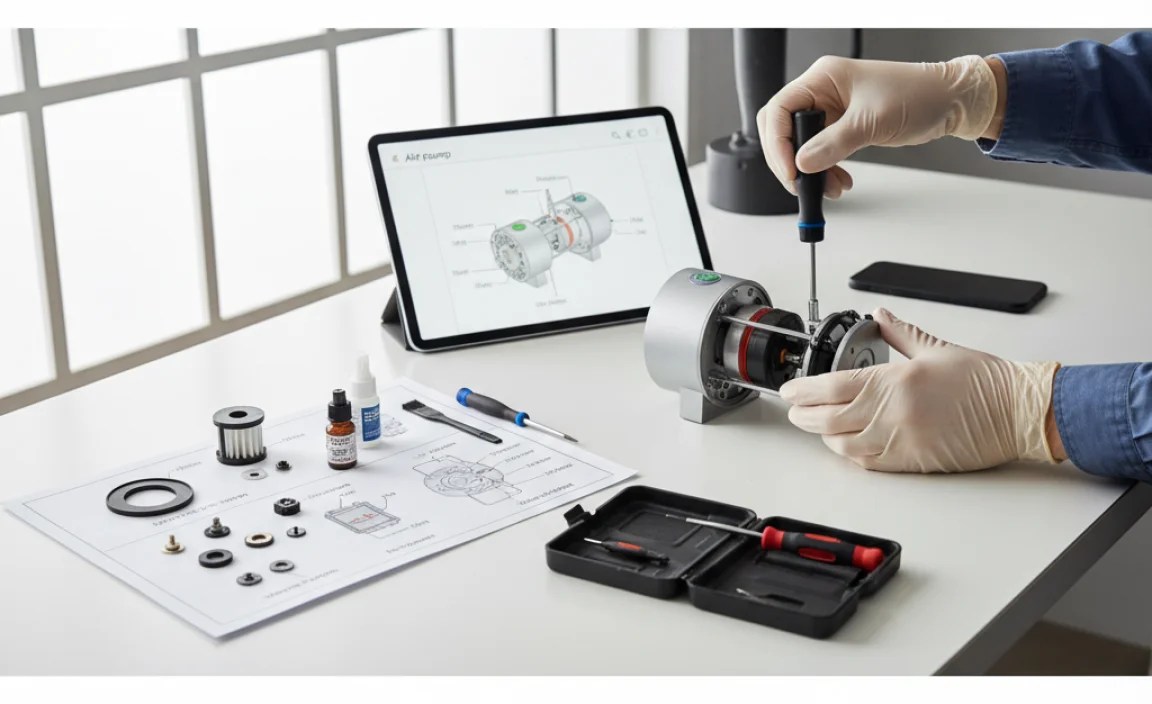
Taking care of your air pump is important. It helps it last longer. Maintaining your air pump involves a few simple steps. First, keep it clean. Wipe it down with a cloth. This removes dirt and dust. Second, check the parts. Look for cracks or wear. Replace parts if needed. Third, lubricate the moving parts. This keeps them working smoothly. Fourth, store the pump properly. Keep it in a dry place. This prevents rust. Regular maintenance will keep your air pump working well. It will also save you money in the long run. A little care goes a long way.
- Keep the pump clean from dirt.
- Check for cracks and wear often.
- Lubricate moving parts regularly.
- Store the pump in a dry place.
- Replace worn parts quickly.
Think of your air pump like a bicycle. If you take care of your bicycle, it will last longer. You clean it, oil the chain, and check the tires. The same is true for your air pump. Cleaning it prevents dirt from getting inside. Checking the parts helps you find problems early. Lubricating the moving parts keeps them working smoothly. Storing it properly prevents rust. By following these steps, you can keep your air pump working well for years. A well-maintained air pump is a reliable tool. It will always be ready when you need it.
Fun Fact or Stat: Some people use air pumps to inflate air mattresses when camping. A good pump can make setting up camp much easier!
How Often Should You Clean Your Pump?
Cleaning your pump depends on how often you use it. If you use it a lot, clean it more often. A good rule is to clean it every few months. This prevents dirt from building up. Use a clean cloth to wipe it down. Pay attention to the moving parts. Remove any dirt or dust. This will help the pump work smoothly. Regular cleaning extends the life of your pump. It also keeps it working efficiently.
What Lubricants Should You Use?
Using the right lubricants is important. Different pumps need different lubricants. Check the pump’s instructions. They will tell you what to use. Some pumps need oil. Others need grease. Use a small amount of lubricant. Too much can attract dirt. Apply the lubricant to the moving parts. This helps them move smoothly. Regular lubrication prevents wear and tear. It also keeps the pump working well.
How Do You Store Your Air Pump?
Storing your air pump properly is easy. Keep it in a dry place. This prevents rust. Avoid storing it in direct sunlight. This can damage the plastic parts. Coil the hose neatly. This prevents it from getting tangled. Store the nozzles with the pump. This makes them easy to find. A well-stored pump will be ready when you need it. It will also last longer. Proper storage is a simple way to protect your investment.
Troubleshooting Common Air Pump Issues
Sometimes air pumps have problems. Knowing how to fix them is helpful. Troubleshooting common air pump issues can save you time and money. One common problem is low pressure. This can be caused by a leak. Check the hose and nozzle. Make sure they are tight. Another problem is a stuck piston. This can be caused by dirt or lack of lubrication. Clean and lubricate the piston. A third problem is a broken valve. This can prevent air from flowing properly. Replace the valve if needed. By knowing these common issues and how to fix them, you can keep your air pump working well.
| Problem | Possible Cause | Solution |
|---|---|---|
| Low Pressure | Leak in hose or nozzle | Check connections, replace parts |
| Stuck Piston | Dirt or lack of lubricant | Clean and lubricate piston |
| Broken Valve | Wear and tear | Replace the valve |
| Hose Detachment | Loose connection | Tighten or replace the connector |
| Nozzle Doesn’t Fit | Wrong nozzle size | Use correct nozzle for valve |
- Low pressure may indicate a leak.
- Stuck piston can be due to dirt.
- Broken valves stop air flow.
- Check hose and nozzle for leaks.
- Clean and lubricate the piston.
- Replace broken parts quickly.
Imagine you are about to go on a bike ride. You find that your tires are flat. You grab your air pump, but it’s not working right. Don’t panic! First, check the hose and nozzle. Make sure they are connected tightly. If there is a leak, you will hear it. Next, try cleaning and lubricating the piston. This can often fix a stuck piston. If the pump still doesn’t work, check the valves. They might be broken or stuck. Replacing the valves is usually easy. By following these steps, you can often fix your air pump and get back on your bike quickly. Knowing how to troubleshoot problems is a valuable skill.
Fun Fact or Stat: Many air pump problems can be fixed with simple tools and a little bit of patience. Don’t give up easily!
Why Is My Pump Losing Pressure?
Losing pressure is a common problem. It usually means there is a leak. Check the hose first. Look for cracks or holes. Make sure it is connected tightly. Next, check the nozzle. Make sure it fits snugly in the valve. If the nozzle is loose, air will leak out. Finally, check the piston seal. If it is worn out, air will leak past it. Replacing the seal can fix this problem. Finding and fixing the leak will restore the pump’s pressure.
How Do I Fix a Stuck Piston?
Fixing a stuck piston is often easy. First, try cleaning the piston. Remove any dirt or dust. Use a clean cloth. Next, lubricate the piston. Use a small amount of oil or grease. Move the piston back and forth. This helps the lubricant spread. If the piston is still stuck, try using a little more force. Be careful not to break it. If the piston is very stuck, you might need to take the pump apart. Clean and lubricate all the parts. Then, put it back together. A little effort can often free a stuck piston.
When Should I Replace Air Pump Parts?
Replacing air pump parts is sometimes necessary. If a part is broken, replace it. If a part is worn out, replace it. Look for cracks, leaks, or other damage. If a part is not working properly, replace it. Replacing parts can extend the life of your pump. It can also improve its performance. Check the parts regularly. This helps you find problems early. Replacing parts is often cheaper than buying a new pump. A little maintenance can save you money in the long run.
Choosing the Right Air Pump
Not all air pumps are the same. Some are better for certain jobs. Choosing the right air pump depends on what you need to inflate. Small hand pumps are good for bicycle tires. They are easy to carry. Larger floor pumps are better for inflating car tires. They can handle higher pressure. Electric pumps are good for inflating large items. They do the work for you. Consider what you will be inflating. Then, choose a pump that fits your needs. A good choice will make inflating things easier.
- Hand pumps are good for bikes.
- Floor pumps suit car tires.
- Electric pumps inflate large items.
- Consider what you will inflate.
- Choose a pump that fits your needs.
Think about how often you will use the pump. If you only need it occasionally, a simple hand pump might be enough. If you use it frequently, a more durable pump is a better choice. Consider the size of the items you will be inflating. A small pump might not be able to inflate a large item. An electric pump can be a good choice for large items. Also, consider the pressure you will need. Some tires need high pressure. Others need low pressure. Choose a pump that can reach the required pressure. By considering these factors, you can choose the right air pump for your needs. A good pump will make inflating things much easier.
Fun Fact or Stat: Some air pumps have built-in pressure gauges. These help you inflate tires to the correct pressure!
What Type of Pump is Best for Bikes?
The best pump for bikes depends on your needs. Small hand pumps are good for carrying with you. They are lightweight and easy to use. Floor pumps are better for home use. They are more powerful and easier to use. Some cyclists use CO2 inflators. These are quick and easy, but they require cartridges. Consider your needs and choose the pump that fits them best. A good bike pump is an essential tool for any cyclist.
What Should You Look for in a Car Tire Pump?
When choosing a car tire pump, consider power and pressure. Car tires need high pressure. Make sure the pump can reach the required pressure. Floor pumps are often a good choice. They are more powerful than hand pumps. Electric pumps are also a good option. They do the work for you. Look for a pump with a pressure gauge. This helps you inflate the tires to the correct pressure. A good car tire pump is a valuable tool for any driver.
Are Electric Pumps Worth the Investment?
Electric pumps can be a good investment. They do the work for you. This can save you time and energy. They are especially useful for inflating large items. They are also good for people who have trouble using hand pumps. Electric pumps can be more expensive than hand pumps. But they can be worth the cost if you use them often. Consider your needs and decide if an electric pump is right for you. A good electric pump can make inflating things much easier.
Summary
Air pumps are useful tools for inflating tires, balls, and other items. They have several important parts. These parts include the cylinder, piston, valves, hose, and nozzle. Each part has a specific job. The cylinder holds the air. The piston compresses the air. The valves control the air flow. The hose connects the pump to the item. The nozzle fits into the item’s valve. Understanding air pump parts name helps you maintain your pump. It also helps you troubleshoot problems. Regular cleaning and lubrication are important. Replacing worn parts can extend the life of your pump.
Choosing the right air pump depends on your needs. Hand pumps are good for bikes. Floor pumps are good for car tires. Electric pumps are good for large items. Consider what you will be inflating. Then, choose a pump that fits your needs. By taking care of your air pump, you can keep it working well for years. A well-maintained air pump is a reliable tool. It will always be ready when you need it.
Conclusion
Air pumps are very helpful for inflating things. They have many parts that work together. Knowing about these air pump parts name can help you fix your pump. It can also help you choose the right pump. Keep your air pump clean and lubricated. Replace any broken parts. A little care can make your pump last longer. Then you’ll be able to inflate things easily for a long time.
Frequently Asked Questions
Question No 1: What are the most important parts of an air pump?
Answer: The most important parts of an air pump include the cylinder, piston, valves, hose, and nozzle. The cylinder is where the air is compressed. The piston moves inside the cylinder to compress the air. Valves control the direction of the air flow. The hose connects the pump to the item being inflated. The nozzle fits into the valve of the item. All these parts work together to make the pump work effectively. Understanding these parts helps you maintain and repair your air pump. This knowledge helps ensure it works well when you need it.
Question No 2: How do I know if my air pump is broken?
Answer: There are several signs that your air pump might be broken. If the pump is not building pressure, it could be a sign of a leak or a broken valve. If the piston is stuck, it might be difficult to move the handle. If the hose is cracked or leaking, air will escape. If the nozzle does not fit properly, it will be hard to inflate things. Check each of these air pump parts name carefully. If you notice any of these problems, you might need to repair or replace your air pump. Regular maintenance can help prevent these issues.
Question No 3: Can I replace parts of my air pump?
Answer: Yes, you can often replace parts of your air pump. Many air pump parts name are available for purchase. This can save you money compared to buying a new pump. Common parts to replace include the hose, nozzle, valves, and piston seal. Make sure you buy the correct parts for your specific pump model. Follow the instructions carefully when replacing the parts. If you are not comfortable doing it yourself, you can ask someone for help. Replacing parts can extend the life of your air pump and keep it working well.
Question No 4: How do I clean my air pump?
Answer: Cleaning your air pump is simple. First, disconnect the hose and nozzle. Use a clean cloth to wipe down the outside of the pump. Pay attention to the moving parts. Use a small brush to remove any dirt or dust. For the hose and nozzle, you can use soapy water. Rinse them with clean water and let them dry completely before reassembling. Avoid getting water inside the pump’s cylinder. Regular cleaning helps keep your air pump working smoothly and prevents problems.
Question No 5: What kind of lubricant should I use on my air pump?
Answer: The type of lubricant you should use depends on the air pump. Check the pump’s instructions for the recommended lubricant. Some pumps use oil. Others use grease. Use a small amount of lubricant on the moving parts. This helps them move smoothly. Avoid using too much lubricant, as it can attract dirt. Regular lubrication prevents wear and tear and keeps the air pump parts name in good condition. Use the right lubricant to make your air pump work effectively.
Question No 6: What should I do if my air pump is not inflating things quickly?
Answer: If your air pump is not inflating things quickly, there might be a few reasons. First, check for leaks in the hose and nozzle. Make sure they are connected tightly. Second, check the piston seal. If it is worn out, air will leak past it. Third, make sure the valves are working properly. If they are stuck or broken, they will not allow air to flow efficiently. Addressing these potential problems can help restore your pump’s performance and make inflating things easier. Also consider the air pump parts name and look for wear and tear.


