
Cycle All Parts Name: The Ultimate Guide

Quick Summary: Learning the names of all the parts of a bicycle can seem daunting, but it’s essential for maintenance, repairs, and confident communication with bike shops. This guide breaks down every component, from the frame and drivetrain to the wheels and brakes, using simple terms and clear explanations. By the end, you’ll know your bike inside and out!
Ever feel lost when a bike mechanic starts talking about derailleurs and headsets? You’re not alone! Many cyclists struggle to name all the parts of their bike. But understanding these components is key to maintaining your ride, fixing problems, and even upgrading for better performance. Knowing what’s what empowers you to keep your bike running smoothly and avoid costly repairs.
This guide will walk you through each part of your bicycle, explaining its function and how it contributes to the overall riding experience. We’ll cover everything from the frame to the smallest bolts. Get ready to become a bike part pro!
The Bicycle Frame: The Foundation of Your Ride

The frame is the backbone of your bicycle. It provides the structure and connects all other components. Frames come in various materials, including steel, aluminum, carbon fiber, and titanium, each offering different ride qualities and weights.
Key Frame Components
- Top Tube: The horizontal tube running from the head tube to the seat tube.
- Down Tube: The tube connecting the head tube to the bottom bracket.
- Seat Tube: The tube that houses the seatpost and connects the top tube to the bottom bracket.
- Head Tube: The front of the frame that houses the headset and fork.
- Seat Stays: The tubes connecting the seat tube to the rear dropouts.
- Chain Stays: The tubes connecting the bottom bracket to the rear dropouts.
- Dropouts: The slots at the rear and front of the frame that hold the wheels.
Each part of the frame plays a vital role in the bike’s handling and comfort. Understanding their names helps you discuss frame geometry and fit with experts.
The Drivetrain: Powering Your Bike

The drivetrain is what transfers your pedaling power to the wheels, making you go forward. It’s a complex system with many interconnected parts.
Essential Drivetrain Components
- Crankset: The assembly that includes the crank arms and chainrings.
- Crank Arms: The levers to which the pedals are attached.
- Chainrings: The gears attached to the crankset.
- Pedals: The platforms you push with your feet.
- Chain: Connects the chainrings to the cassette or freewheel.
- Cassette/Freewheel: The gears on the rear wheel.
- Derailleurs: The mechanisms that move the chain between gears.
- Shifters: The levers or grips that control the derailleurs.
- Bottom Bracket: The bearings that allow the crankset to rotate smoothly.
Maintaining your drivetrain is crucial for smooth shifting and efficient power transfer. Regular cleaning and lubrication can significantly extend the life of these components.
Front vs. Rear Derailleur
The derailleurs are key to shifting gears. The front derailleur moves the chain across the chainrings, while the rear derailleur moves it across the cassette.
| Component | Function |
|---|---|
| Front Derailleur | Shifts the chain between the chainrings. |
| Rear Derailleur | Shifts the chain between the cassette sprockets. |
The Wheelset: Rolling Along
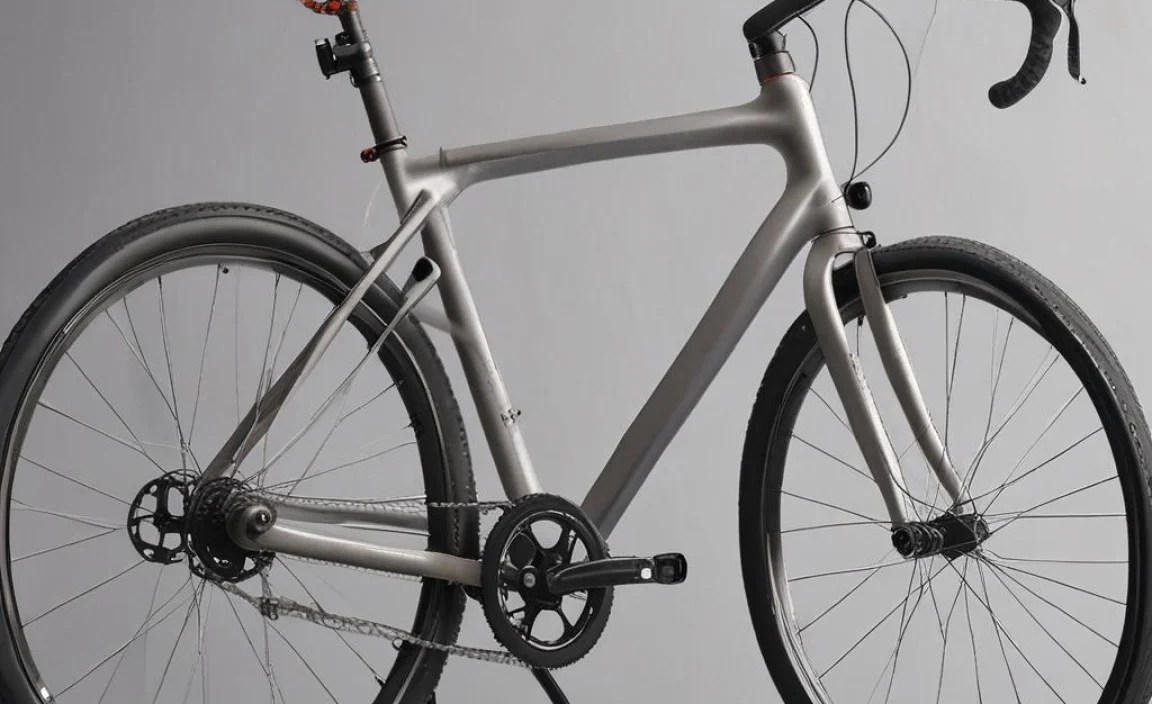
The wheelset consists of the wheels, tires, and related components that allow your bike to roll smoothly.
Key Wheelset Components
- Hub: The central part of the wheel that houses the bearings and axle.
- Spokes: The wires that connect the hub to the rim.
- Rim: The outer part of the wheel that holds the tire.
- Tire: The rubber covering that provides traction and cushioning.
- Inner Tube (if applicable): The inflatable tube inside the tire (for clincher tires).
- Rim Tape: Protects the inner tube from the spoke holes.
- Valve: The fitting through which the inner tube is inflated.
Properly inflated tires and well-maintained wheels are essential for a comfortable and efficient ride. Regularly check your tire pressure and inspect your wheels for damage.
Tire Types
There are three main types of tires: clincher, tubular, and tubeless. Clincher tires are the most common and use a separate inner tube. Tubular tires are glued to the rim and are typically used in racing. Tubeless tires seal directly to the rim, eliminating the need for an inner tube. Learn more about tubeless tire systems.
The Brakes: Stopping Power

The brakes are crucial for safety, allowing you to control your speed and stop when needed.
Essential Brake Components
- Brake Levers: The levers on the handlebars that you squeeze to activate the brakes.
- Brake Calipers: The mechanisms that clamp down on the rim or rotor to slow the bike.
- Brake Pads: The friction material that contacts the rim or rotor.
- Brake Cables/Hoses: Connect the brake levers to the calipers.
- Rotors (for disc brakes): The metal discs attached to the wheel hubs.
There are two main types of brakes: rim brakes and disc brakes. Rim brakes use calipers to squeeze the rim of the wheel, while disc brakes use calipers to squeeze a rotor attached to the wheel hub.
Rim Brakes vs. Disc Brakes
The choice between rim and disc brakes depends on riding style and conditions. Disc brakes offer better stopping power in wet or muddy conditions, while rim brakes are generally lighter and easier to maintain.
| Feature | Rim Brakes | Disc Brakes |
|---|---|---|
| Stopping Power | Good in dry conditions | Excellent in all conditions |
| Maintenance | Simpler | More complex |
| Weight | Lighter | Heavier |
| Cost | Less expensive | More expensive |
The Cockpit: Steering and Control
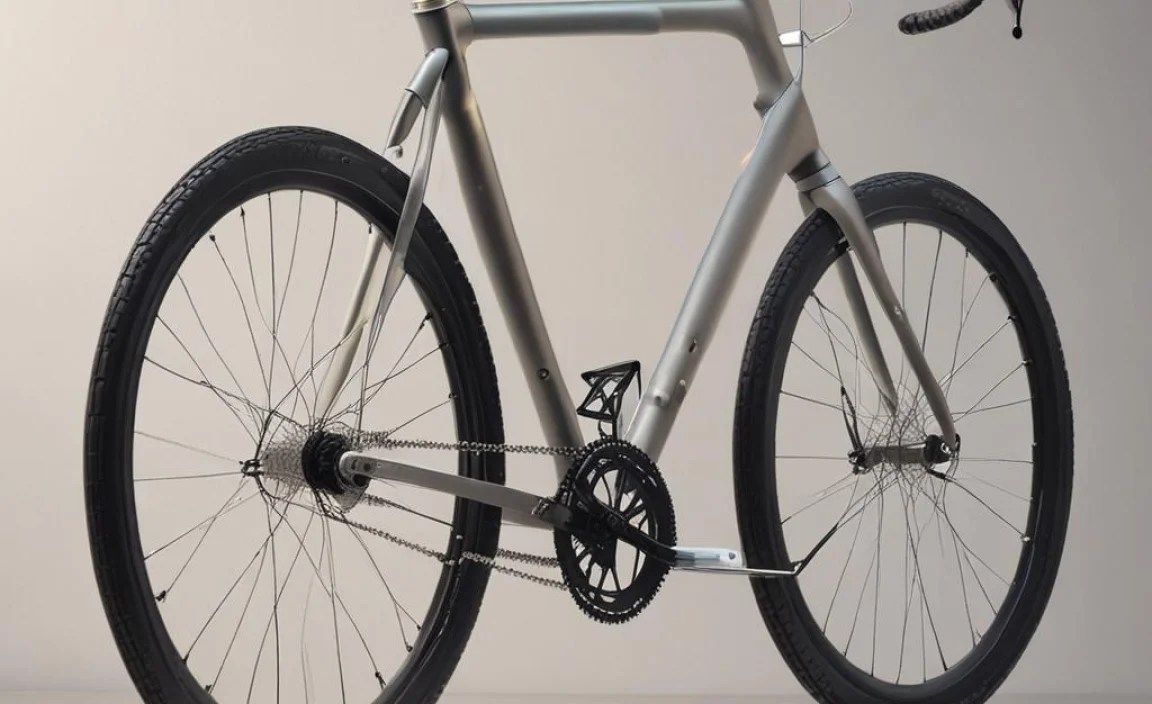
The cockpit includes the components that you use to steer and control your bike.
Key Cockpit Components
- Handlebars: The steering control of the bike.
- Stem: Connects the handlebars to the head tube.
- Headset: The bearings that allow the fork to rotate smoothly within the head tube.
- Grips/Bar Tape: Provides a comfortable and secure grip on the handlebars.
- Saddle (Seat): The part you sit on.
- Seatpost: Connects the saddle to the frame.
- Seatpost Clamp: Secures the seatpost in the frame.
A properly fitted cockpit is crucial for comfort and control. The right handlebar width, stem length, and saddle position can significantly improve your riding experience.
Accessories: Enhancing Your Ride
Accessories can add comfort, convenience, and safety to your bike.
Common Bicycle Accessories
- Lights: Front and rear lights for visibility.
- Fenders: Protect you from mud and water.
- Rack: For carrying cargo.
- Water Bottle Cage: Holds your water bottle.
- Computer: Tracks your speed, distance, and other data.
- Bell: For alerting pedestrians and other cyclists.
- Lock: To secure your bike against theft.
Understanding Bicycle Geometry
Bicycle geometry refers to the angles and lengths of the frame tubes, which affect the bike’s handling and ride quality. Key measurements include:
- Head Tube Angle: Affects steering responsiveness.
- Seat Tube Angle: Affects pedaling efficiency.
- Wheelbase: The distance between the front and rear axles, affecting stability.
- Reach: The horizontal distance from the bottom bracket to the head tube, affecting rider position.
- Stack: The vertical distance from the bottom bracket to the head tube, affecting handlebar height.
Understanding these measurements can help you choose a bike that fits your body and riding style. You can find in-depth explanations on sites like Geometry Geeks.
Basic Bike Maintenance Tips
Regular maintenance can keep your bike running smoothly and prevent costly repairs. Here are some essential tips:
- Clean Your Bike Regularly: Wipe down the frame and components after each ride.
- Lubricate the Chain: Apply chain lube every few rides.
- Check Tire Pressure: Inflate your tires to the recommended pressure before each ride.
- Inspect Brakes: Check brake pad wear and cable tension.
- Adjust Shifting: Make sure your gears shift smoothly.
- Tighten Bolts: Periodically check and tighten all bolts.
Common Bike Repair Tools
Having the right tools makes bike maintenance easier and more efficient. Here are some essential tools for your home workshop:
- Multi-Tool: A compact tool with various Allen wrenches, screwdrivers, and other useful tools.
- Allen Wrench Set: For tightening and loosening bolts.
- Tire Levers: For removing tires from the rim.
- Pump: For inflating tires.
- Chain Tool: For breaking and connecting the chain.
- Wrench Set: Including open-end and box-end wrenches.
- Cable Cutters: For cutting brake and shifter cables.
FAQ: Common Questions About Bicycle Parts
What is a groupset?
A groupset is a collection of essential drivetrain and brake components, typically including the shifters, derailleurs, crankset, cassette, and brakes. Groupsets are often designed to work together seamlessly, providing consistent performance and compatibility.
What is the difference between a cassette and a freewheel?
Both cassettes and freewheels are sets of gears on the rear wheel, but they differ in their construction. A cassette slides onto a separate freehub body, while a freewheel has the ratcheting mechanism built into the gear cluster itself. Cassettes are more common on modern bikes due to their durability and performance benefits. Learn more about cassette and freewheel differences.
How do I know what size bike I need?
Bike size is typically determined by frame size, which is often measured in centimeters or inches. The right size depends on your height, inseam, and riding style. Consult a bike fit specialist or use online sizing charts to find the appropriate frame size for you.
What is the difference between road bike and mountain bike components?
Road bikes and mountain bikes have different components designed for their specific purposes. Road bike components are typically lighter and more aerodynamic, while mountain bike components are more durable and designed to handle rough terrain. Mountain bikes often have suspension forks and wider tires for added comfort and control.
How often should I replace my chain?
The lifespan of a chain depends on riding conditions and maintenance habits. As a general rule, replace your chain every 2,000 to 3,000 miles, or when it shows signs of wear. Use a chain wear indicator tool to accurately measure chain stretch and determine when it needs replacement.
What does it mean to “index” my gears?
Indexing refers to the precision adjustment of your shifters and derailleurs to ensure that the chain shifts smoothly and accurately between gears. Proper indexing is essential for reliable shifting performance. If your gears are not shifting smoothly, you may need to adjust the cable tension or derailleur alignment.
What is a thru-axle?
A thru-axle is a type of wheel attachment that uses a larger diameter axle that threads directly into the frame or fork. Thru-axles provide increased stiffness and security compared to traditional quick-release skewers, making them common on modern road, mountain, and gravel bikes.
Conclusion
Now you’re armed with the knowledge to confidently name all the parts of your bike! Understanding these components empowers you to perform basic maintenance, communicate effectively with bike shops, and even tackle more advanced repairs. Keep exploring, keep learning, and most importantly, keep riding. Happy trails from BicyclePumper.com!


