
Mountain Bike Frame Materials Comparison: Easy Guide

Mountain Bike Frame Materials Comparison: Which is Right for You?
Quick Summary: Choosing the right mountain bike frame material is crucial for performance and budget. Steel is tough and affordable, aluminum offers a great balance of weight and cost, carbon fiber is lightweight and stiff but expensive, and titanium provides excellent durability and comfort at a premium price. Consider your riding style, budget, and desired performance to make the best choice.
Picking the perfect mountain bike can feel overwhelming, especially when you start looking at frame materials. Steel, aluminum, carbon fiber, titanium – what does it all mean? Each material has its own strengths and weaknesses, affecting everything from ride quality to your wallet. It’s easy to get lost in the details, but don’t worry! This guide breaks down the pros and cons of each material, helping you make the best decision for your riding style and budget. We’ll explore what makes each material unique and provide practical advice to get you rolling with confidence.
Understanding Mountain Bike Frame Materials

Mountain bike frames are typically made from four main materials: steel, aluminum, carbon fiber, and titanium. Each offers a unique blend of characteristics that influence the bike’s weight, strength, durability, ride quality, and cost. Understanding these differences is key to choosing the right frame for your needs.
Steel Frames
Steel is a classic material for bike frames, known for its strength, durability, and relatively low cost. It’s a popular choice for beginners and riders who prioritize robustness over weight savings.
Pros of Steel Frames:
- Durability: Steel is highly resistant to impacts and can withstand significant abuse.
- Comfort: Steel frames tend to offer a more compliant ride, absorbing vibrations and bumps for added comfort.
- Affordability: Steel is generally less expensive than aluminum, carbon fiber, or titanium.
- Repairability: Steel frames can be repaired relatively easily, even in remote locations.
Cons of Steel Frames:
- Weight: Steel is heavier than aluminum, carbon fiber, or titanium.
- Corrosion: Steel is susceptible to rust if not properly treated and maintained.
Aluminum Frames
Aluminum is a popular choice for mountain bike frames due to its lightweight properties and good stiffness. It offers a great balance of performance and affordability, making it a favorite among intermediate riders.
Pros of Aluminum Frames:
- Lightweight: Aluminum is significantly lighter than steel, making for a more efficient ride.
- Stiffness: Aluminum frames offer excellent power transfer, making them responsive and efficient.
- Corrosion Resistance: Aluminum is naturally resistant to rust.
- Cost-Effective: Aluminum frames are generally more affordable than carbon fiber or titanium.
Cons of Aluminum Frames:
- Durability: Aluminum is not as durable as steel and can be more prone to damage from impacts.
- Ride Quality: Aluminum frames can be less comfortable than steel, transmitting more vibrations to the rider.
Carbon Fiber Frames
Carbon fiber is a high-performance material known for its exceptional stiffness-to-weight ratio. It allows manufacturers to create lightweight frames that offer excellent power transfer and a comfortable ride. However, carbon fiber frames are typically more expensive than steel or aluminum.
Pros of Carbon Fiber Frames:
- Lightweight: Carbon fiber is one of the lightest materials available for bike frames.
- Stiffness: Carbon fiber frames offer exceptional stiffness, maximizing power transfer and efficiency.
- Customization: Carbon fiber can be molded into complex shapes, allowing for optimized aerodynamics and ride characteristics.
- Comfort: Carbon fiber can be designed to absorb vibrations, providing a smoother ride.
Cons of Carbon Fiber Frames:
- Cost: Carbon fiber frames are typically more expensive than steel or aluminum.
- Durability: Carbon fiber can be susceptible to damage from impacts, especially sharp blows.
- Repair Complexity: Repairing carbon fiber frames requires specialized skills and materials.
Titanium Frames
Titanium is a premium material known for its exceptional strength, durability, and ride quality. It offers a unique combination of characteristics that make it a popular choice for high-end mountain bikes. While expensive, titanium frames are known to last a lifetime.
Pros of Titanium Frames:
- Durability: Titanium is highly resistant to corrosion and fatigue, making it incredibly durable.
- Comfort: Titanium frames offer a smooth and comfortable ride, absorbing vibrations and bumps effectively.
- Lightweight: Titanium is lighter than steel and comparable to aluminum.
- Corrosion Resistance: Titanium is virtually immune to rust and corrosion.
Cons of Titanium Frames:
- Cost: Titanium frames are the most expensive option.
- Stiffness: Titanium can be less stiff than aluminum or carbon fiber, potentially affecting power transfer.
- Repair Complexity: Repairing titanium frames requires specialized welding skills.
Detailed Material Comparison Table
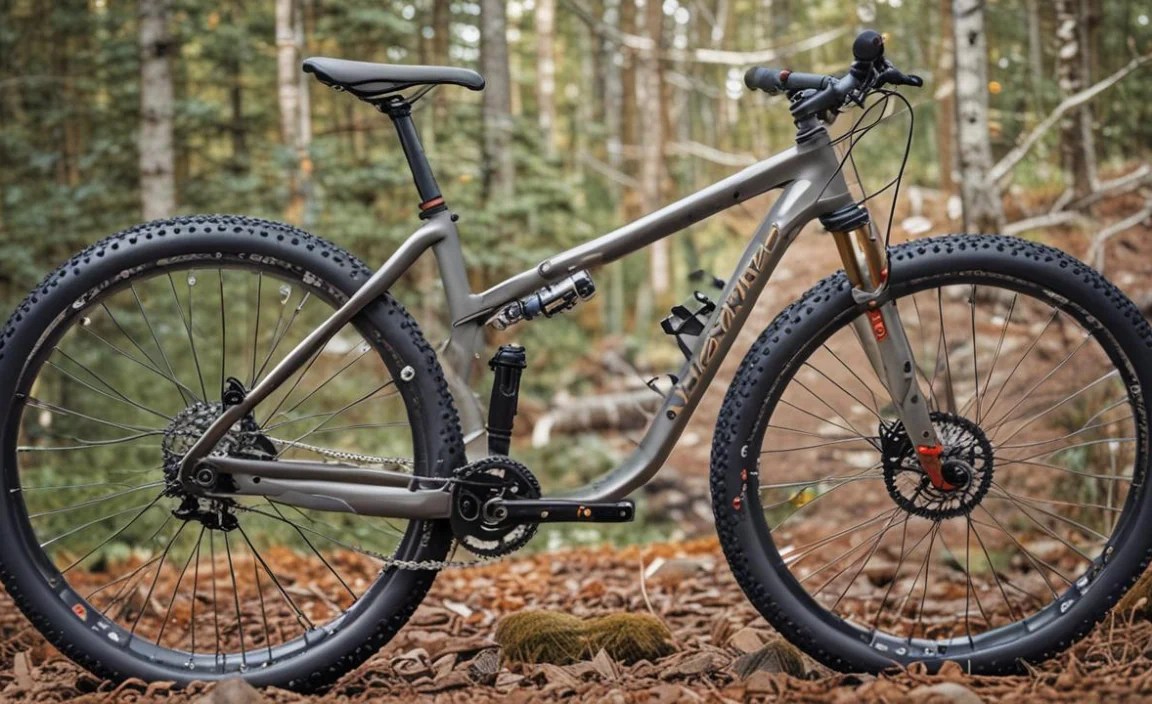
Here’s a table summarizing the key characteristics of each frame material:
| Material | Weight | Stiffness | Durability | Comfort | Cost | Corrosion Resistance |
|---|---|---|---|---|---|---|
| Steel | High | Moderate | High | High | Low | Low (Requires Treatment) |
| Aluminum | Moderate | High | Moderate | Low | Moderate | High |
| Carbon Fiber | Low | High | Moderate | Moderate to High (Design Dependent) | High | High |
| Titanium | Moderate | Moderate | High | High | Very High | Very High |
Factors to Consider When Choosing a Frame Material

When selecting a mountain bike frame material, consider the following factors:
- Riding Style: Aggressive trail riders might prioritize durability, while cross-country racers may prefer lightweight frames.
- Budget: Frame materials vary significantly in price, so set a budget before you start shopping.
- Desired Performance: Consider your priorities in terms of weight, stiffness, comfort, and durability.
- Maintenance: Different materials require different levels of maintenance to ensure longevity.
- Terrain: The type of terrain you typically ride on can influence your choice of frame material. Rough, rocky trails may warrant a more durable material like steel or titanium.
How Frame Material Affects Ride Quality
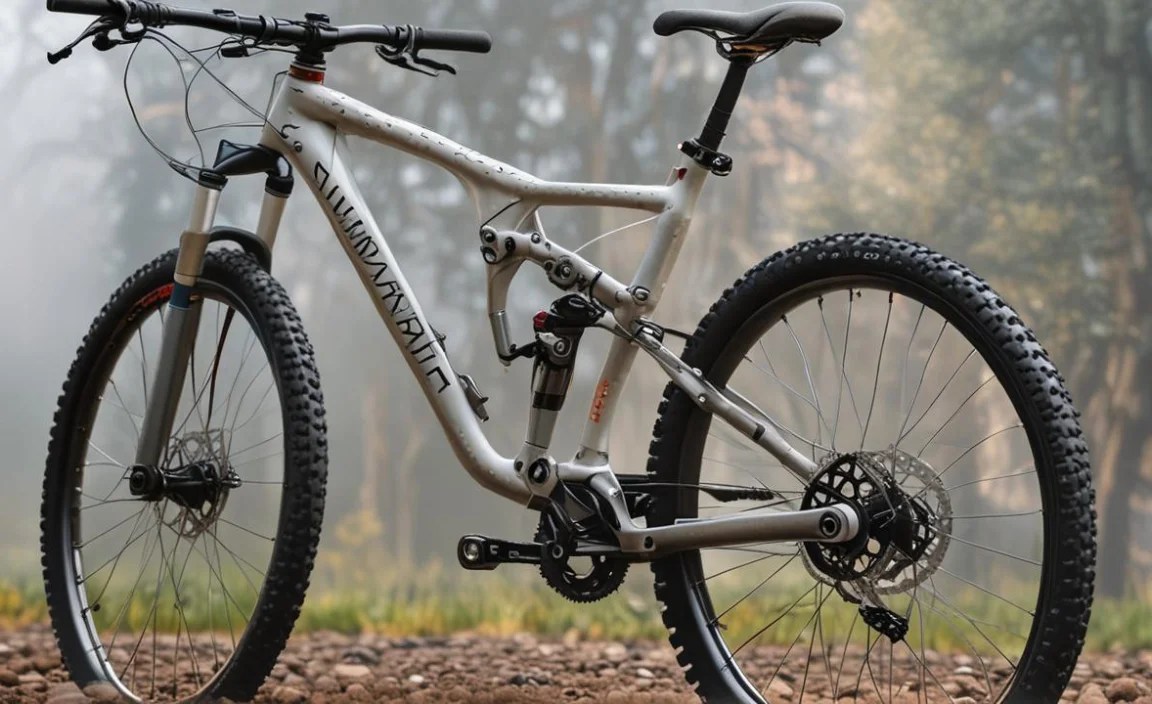
The frame material plays a significant role in the overall ride quality of a mountain bike. Here’s how each material affects the feel of the bike:
- Steel: Offers a comfortable and compliant ride, absorbing vibrations and bumps effectively.
- Aluminum: Provides a stiff and responsive ride, maximizing power transfer but can be less comfortable on rough terrain.
- Carbon Fiber: Can be tuned to offer a balance of stiffness and compliance, providing a smooth and efficient ride.
- Titanium: Delivers a smooth and comfortable ride, with excellent vibration damping properties.
Maintenance Tips for Different Frame Materials
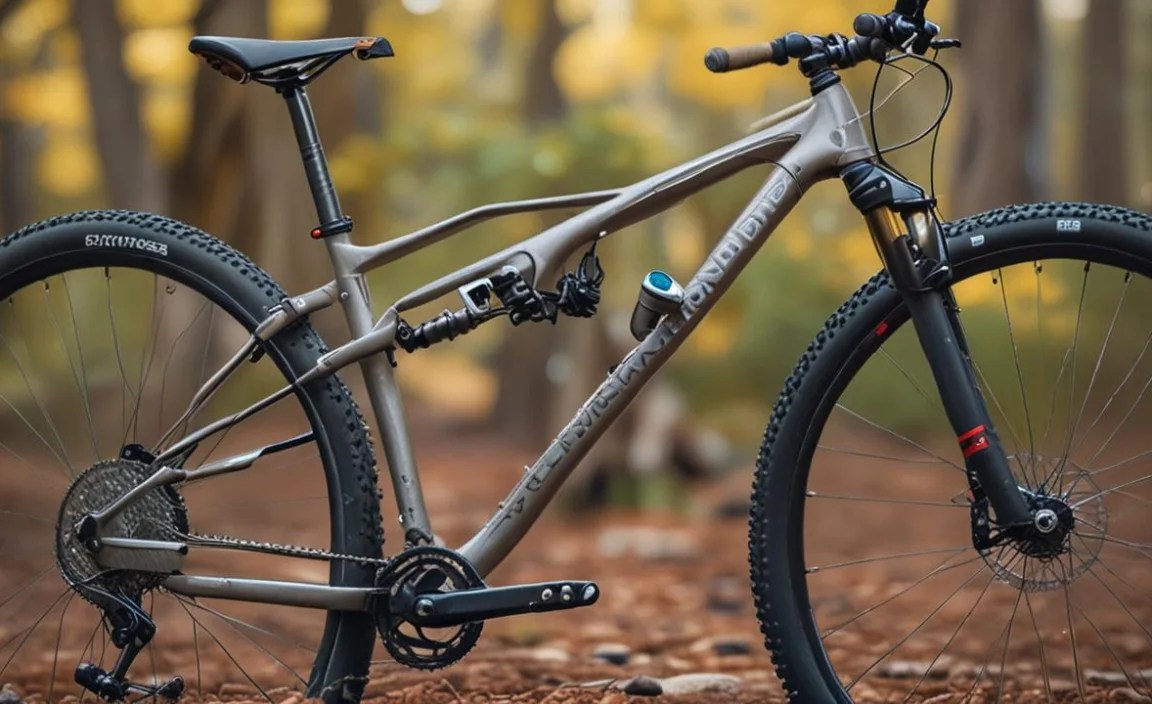
Proper maintenance is essential to prolong the life of your mountain bike frame. Here are some tips for each material:
- Steel: Regularly inspect for rust and apply a protective coating as needed. Keep the frame clean and dry.
- Aluminum: Clean the frame regularly and inspect for dents or cracks.
- Carbon Fiber: Inspect the frame for cracks or damage, especially after impacts. Use a torque wrench when tightening bolts to avoid over-tightening.
- Titanium: Clean the frame regularly to maintain its appearance. Titanium is highly corrosion-resistant but can still benefit from regular cleaning.
Choosing the Right Frame Size
Regardless of the frame material, selecting the correct frame size is crucial for comfort and performance. Here’s how to determine the right size:
- Measure Your Height: Stand against a wall and measure from the floor to the top of your head.
- Measure Your Inseam: Stand with your back against a wall and measure from the ground to your crotch.
- Consult a Size Chart: Use your height and inseam measurements to consult a size chart provided by the bike manufacturer.
- Test Ride: If possible, test ride the bike to ensure it feels comfortable and fits properly.
Many bike shops offer professional fitting services, which can help you determine the ideal frame size and bike setup for your body and riding style.
Common Myths About Mountain Bike Frame Materials
There are several misconceptions about mountain bike frame materials. Let’s debunk some common myths:
- Myth: Carbon fiber frames are fragile. Reality: Modern carbon fiber frames are incredibly strong and durable when properly designed and manufactured.
- Myth: Aluminum frames are always harsh and uncomfortable. Reality: Aluminum frames can be designed with varying degrees of compliance, and modern designs often incorporate features to improve ride quality.
- Myth: Steel frames are outdated. Reality: Steel frames offer a unique combination of strength, comfort, and affordability that makes them a popular choice for many riders.
- Myth: Titanium frames are indestructible. Reality: While titanium is highly durable, it is not impervious to damage. It’s still important to maintain and inspect your titanium frame regularly.
Expert Insights and Recommendations
To get the most out of your mountain biking experience, consider the advice of experienced riders and mechanics. Here are some insights:
- Consider Your Local Terrain: If you frequently ride on rough, rocky trails, a more durable frame material like steel or titanium may be a better choice.
- Don’t Overlook Components: The frame is just one part of the equation. Consider the quality of the components, such as the suspension, brakes, and drivetrain, as well.
- Get a Professional Bike Fit: A professional bike fit can help you optimize your riding position and prevent injuries.
Remember to always wear appropriate safety gear, including a helmet, gloves, and eye protection, when mountain biking. Regularly inspect your bike for any signs of wear or damage, and address any issues promptly.
External Resources
For more in-depth information on mountain bike frame materials and bike maintenance, check out these resources:
- REI Expert Advice: Bike Frame Materials
- BikeRadar: Mountain Bike Reviews and Guides
- Singletracks: Mountain Bike News and Community
FAQ: Mountain Bike Frame Materials
What is the best mountain bike frame material for beginners?
For beginners, aluminum is often the best choice. It offers a good balance of weight, stiffness, and affordability, making it a great starting point for new riders.
Are carbon fiber mountain bike frames worth the extra cost?
Carbon fiber frames can be worth the cost for experienced riders who prioritize lightweight performance and are willing to invest in a higher-end bike.
How do I care for a carbon fiber mountain bike frame?
Inspect carbon fiber frames regularly for cracks or damage, especially after impacts. Use a torque wrench when tightening bolts, and avoid storing the bike in direct sunlight or extreme temperatures.
Which frame material is the most durable for mountain biking?
Steel and titanium are the most durable frame materials for mountain biking, offering excellent resistance to impacts and fatigue.
Can I repair a damaged carbon fiber frame?
Repairing a carbon fiber frame requires specialized skills and materials. It’s best to consult a professional carbon fiber repair shop.
How does frame material affect the weight of a mountain bike?
Carbon fiber is the lightest material, followed by aluminum, titanium, and steel. Lighter frames make it easier to climb hills and accelerate.
What is the difference between aluminum and alloy frames?
The terms are often used interchangeably. Alloy simply means a mixture of metals, and aluminum frames are typically made from aluminum alloys to enhance their strength and durability.
Conclusion
Choosing the right mountain bike frame material is a personal decision that depends on your riding style, budget, and priorities. Steel offers durability and affordability, aluminum provides a balance of weight and stiffness, carbon fiber delivers high-performance lightweight capabilities, and titanium offers a blend of durability and comfort. By understanding the pros and cons of each material, you can make an informed decision and choose a frame that will provide years of enjoyable riding. Happy trails!


