
Cycle Pump Rate: Find the Perfect Pressure Fast!

Have you ever seen someone struggle to pump a bike tire? It can be hard work. The cycle pump rate affects how quickly you can inflate your tires. A good pump makes biking more fun. Let’s learn more about bike pumps.
Bike pumps come in many shapes and sizes. Some are small enough to carry. Others are big and stay in your garage. Each pump has a different cycle pump rate. This tells you how much air it pushes with each pump.
Why is the cycle pump rate important? It helps you choose the right pump. A pump with a good rate saves you time and energy. Let’s explore how to find the best one for you.
Key Takeaways
- Understanding the cycle pump rate helps you inflate tires faster.
- Floor pumps are more efficient than hand pumps for most bikes.
- Consider tire pressure needs when choosing a bike pump type.
- Check for compatibility with Presta and Schrader valve types.
- A reliable pump improves biking and keeps your tires in good shape.
Understanding Cycle Pump Rate
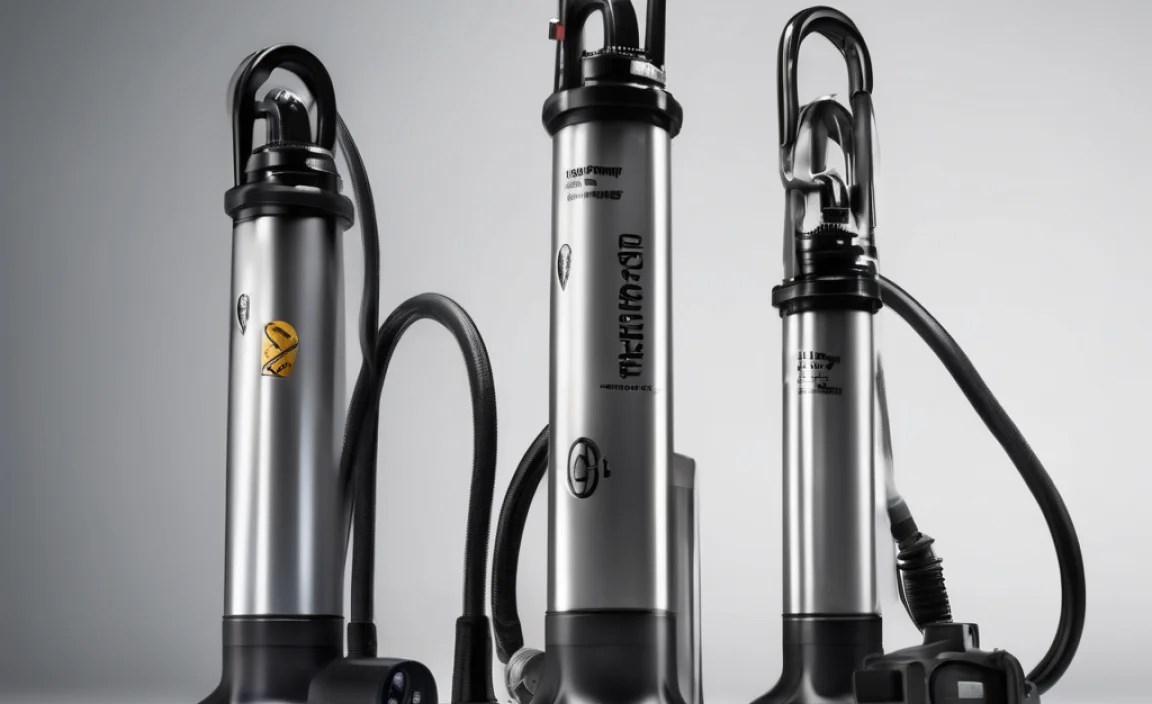
The cycle pump rate is how much air a pump pushes into your tire with each stroke. It’s usually measured in cubic centimeters (cc) per stroke. A higher rate means more air goes in per pump. This can make inflating your tires quicker and easier. Different pumps have different rates. Some are designed for speed. Others are made for higher pressure. Knowing the rate helps you pick the right pump. It also helps you understand how much work you need to do. If you have a bigger tire, you might want a pump with a higher rate. This will fill the tire faster. If you have a small tire, a lower rate might be fine. Consider the tire size and pressure you need. This will help you choose the best pump for your bike.
- The cycle pump rate is measured in cubic centimeters (cc).
- A higher rate means faster inflation.
- Consider your tire size and pressure needs.
- Different pumps have different rates.
- The rate affects how much work you need to do.
Choosing the right pump can make a big difference. Think about how often you pump your tires. Do you do it every week? Or just once in a while? If you pump often, a good pump is worth the investment. It can save you time and energy. Also, think about where you will use the pump. Will you take it on rides? If so, get a small, portable pump. If you only use it at home, a bigger floor pump might be better. These pumps are more stable and easier to use. They also often have higher cycle pump rates. This means you can fill your tires faster. No matter what you choose, make sure it fits your needs. A good pump will keep your tires in top shape.
Fun Fact or Stat: Some high-end bike pumps can inflate a tire in fewer than 10 strokes!
What Affects the Pump Rate?
Have you ever wondered why some pumps work better than others? The design of the pump affects the cycle pump rate. A pump with a long barrel can push more air. The size of the piston also matters. A bigger piston moves more air with each stroke. The materials used in the pump are important too. A well-built pump will last longer. It will also maintain its cycle pump rate over time. Cheaper pumps might lose pressure. They may also wear out faster. The pump’s valve also plays a role. A good valve seals tightly. This prevents air from leaking out. This helps to maximize the cycle pump rate. All these factors work together. They determine how well a pump inflates your tires.
Why Is a Good Rate Important?
Imagine you are late for a bike ride with your friends. You go to pump your tires, but the pump is slow. It takes forever to get them inflated. This is why a good cycle pump rate is important. It saves you time and frustration. A faster pump gets you on the road quickly. It also makes biking more enjoyable. No one wants to spend a lot of time pumping tires. A good rate means less work for you. You can spend more time riding your bike. It also helps keep your tires properly inflated. This improves your bike’s performance. You will ride faster and smoother. So, investing in a pump with a good rate is a smart choice.
How to Measure Pump Rate?
Measuring the cycle pump rate can be tricky. You can’t always rely on what the pump says. Some pumps overstate their rate. One way to check is to use a measuring cup. Pump air into the cup and see how much it holds. You can also compare pumps side by side. See how many strokes it takes to inflate a tire. A pump with a higher rate will fill the tire faster. Look for reviews online. Other bikers often share their experiences. They can tell you if a pump lives up to its claims. You can also ask at your local bike shop. They can help you find a reliable pump. They can also show you how to test the cycle pump rate. This will help you make an informed choice.
Types of Bike Pumps and Rates

There are different types of bike pumps. Each has its own cycle pump rate. Floor pumps are big and stand on the ground. They are easy to use and have a high rate. Hand pumps are small and portable. They are good for taking on rides. But they often have a lower rate. CO2 inflators use cartridges of compressed air. They are very fast but only work once per cartridge. Dual-action pumps push air on both the up and down strokes. This increases the cycle pump rate. Each type has its pros and cons. Consider your needs and riding style. This will help you choose the best type of pump. For home use, a floor pump is often the best choice. For emergencies on the road, a hand pump or CO2 inflator is handy.
- Floor pumps are easy to use at home.
- Hand pumps are portable for on-the-go use.
- CO2 inflators are very fast but use cartridges.
- Dual-action pumps push air on both strokes.
- Each type has a different cycle pump rate.
Think about the type of bike you have. Road bikes need high pressure. Mountain bikes need lower pressure but higher volume. A floor pump with a gauge is great for road bikes. It lets you get the pressure just right. A high-volume pump is good for mountain bikes. It fills the tires quickly. Also, check the valve type on your tires. There are two main types: Presta and Schrader. Some pumps work with both. Others only work with one. Make sure your pump is compatible. This will save you frustration. No matter what type of pump you choose, practice using it. This way, you will be ready when you need it. Knowing the cycle pump rate of different pumps helps you choose the right one.
Fun Fact or Stat: Some floor pumps have two chambers. One chamber is for high volume, and the other is for high pressure!
Floor Pumps: High-Volume Champions
Floor pumps are the workhorses of the bike world. They stand on the ground. This makes them stable and easy to use. They have a long barrel and a comfortable handle. This lets you pump more air with each stroke. They often have a high cycle pump rate. This means you can fill your tires quickly. Most floor pumps have a gauge. This shows you the tire pressure. This is important for getting the pressure just right. Too much pressure can make your tires explode. Too little pressure can make them slow and hard to ride. Floor pumps are great for home use. They are also good for bike shops. They are reliable and can handle many different types of tires. If you only have one pump, a floor pump is a good choice.
Hand Pumps: Portable Power
Imagine you’re on a long bike ride. Suddenly, you get a flat tire. What do you do? A hand pump can save the day. These pumps are small and light. You can carry them in your backpack or attach them to your bike. They don’t have as high a cycle pump rate as floor pumps. But they are good enough to get you back on the road. Some hand pumps have a built-in gauge. This helps you avoid over-inflating your tire. Others have a flexible hose. This makes it easier to reach the valve. Hand pumps are essential for any serious biker. They give you peace of mind. You know you can fix a flat tire no matter where you are. They are a small but mighty tool.
CO2 Inflators: Speed Demons
CO2 inflators are the speed demons of bike pumps. They use cartridges of compressed air. This air rushes into your tire in seconds. They are great for races or emergencies. They are small and easy to carry. But they have some downsides. Each cartridge only works once. You need to carry extra cartridges. They can also be expensive. It can be tricky to control the pressure. You can easily over-inflate your tire. CO2 inflators don’t have a cycle pump rate in the same way as other pumps. They deliver all the air at once. They are a good option for speed. But they are not as versatile as other pumps. Use them carefully and always have a backup plan.
Factors Affecting the Cycle Pump Rate
Many things affect the cycle pump rate. The size of the pump’s barrel matters. A bigger barrel pushes more air. The length of the stroke also matters. A longer stroke moves more air. The quality of the seals is important. Good seals prevent air from leaking out. This keeps the pump working efficiently. The design of the valve affects the rate. A good valve lets air flow easily. The user’s strength and technique also play a role. A strong person can pump faster. Good technique ensures you use the pump efficiently. All these factors work together. They determine how well a pump inflates your tires. Understanding them helps you choose the right pump. It also helps you use it effectively. A well-maintained pump will keep its cycle pump rate consistent.
- The size of the pump’s barrel affects the rate.
- The length of the stroke matters too.
- Good seals prevent air leaks.
- Valve design affects airflow.
- User strength and technique are important.
Think about how you pump your tires. Are you using your whole body? Or just your arms? Using your whole body can make pumping easier. It also helps you pump faster. Keep your back straight and use your legs for leverage. This will save your arms from getting tired. Also, make sure the pump head is securely attached to the valve. A loose connection will let air leak out. This reduces the cycle pump rate. Regularly check the seals on your pump. Replace them if they are worn out. This will keep your pump working like new. A little maintenance can go a long way. It will ensure your pump is always ready when you need it. Knowing how to maximize the cycle pump rate will make your biking experience better.
Fun Fact or Stat: Pro cyclists often have team mechanics who check their tire pressure before every race!
Pump Barrel Size and Rate
The size of the pump barrel is important. It affects the cycle pump rate. A bigger barrel can hold more air. This means it pushes more air with each stroke. Pumps with larger barrels are good for mountain bikes. Mountain bike tires need a lot of air. A bigger barrel fills them faster. Pumps with smaller barrels are good for road bikes. Road bike tires need high pressure. A smaller barrel can reach higher pressures more easily. The barrel size is just one factor. The length of the stroke also matters. A long stroke moves more air. But a shorter stroke can be faster. It depends on the design of the pump. Choose a pump with a barrel size that fits your needs. This will make inflating your tires easier.
Stroke Length and Efficiency
Have you ever noticed how some pumps feel easier to use? Stroke length plays a big role. A longer stroke moves more air. This can make pumping faster. But it can also be harder work. A shorter stroke is easier to do. But it might take more strokes to fill the tire. The best stroke length depends on your strength. It also depends on the type of tire you are inflating. For high-volume tires, a longer stroke is better. For high-pressure tires, a shorter stroke might be better. Some pumps let you adjust the stroke length. This lets you customize the pump to your needs. Pay attention to the stroke length when choosing a pump. It can affect the cycle pump rate and how easy the pump is to use.
Seal Quality and Air Loss
Imagine trying to fill a balloon with a hole in it. It’s hard, right? The same is true for bike pumps. If the seals are bad, air will leak out. This reduces the cycle pump rate. Good seals are essential for an efficient pump. They prevent air from escaping. This means more air goes into your tire with each stroke. Check the seals on your pump regularly. Replace them if they are worn out. This will keep your pump working like new. Some pumps have replaceable seals. Others do not. Choose a pump with good seals. This will save you time and effort. It will also make pumping your tires easier. A pump with good seals will last longer and maintain its cycle pump rate.
Matching Pump to Tire Pressure Needs
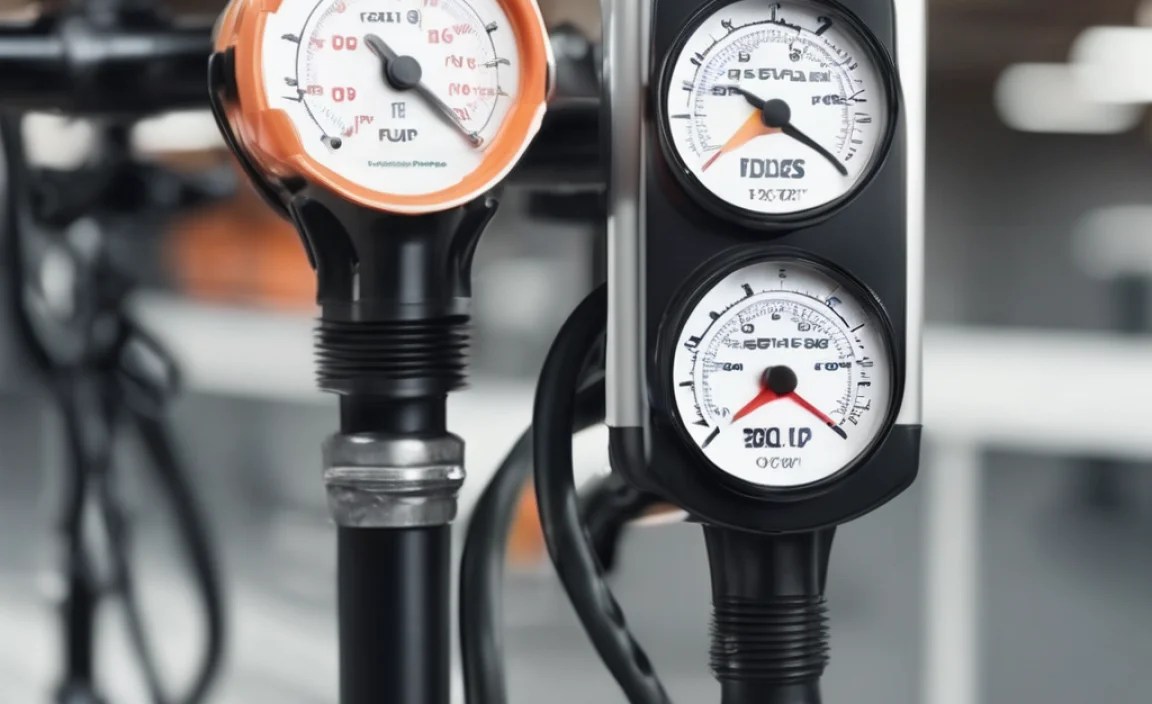
Different bikes need different tire pressures. Road bikes need high pressure. This makes them fast and efficient. Mountain bikes need lower pressure. This gives them better grip and comfort. City bikes need a medium pressure. The cycle pump rate you need depends on your bike. A road bike pump needs to reach high pressures. A mountain bike pump needs to move a lot of air. A city bike pump needs a balance of both. Look for a pump that is designed for your type of bike. This will make inflating your tires easier. It will also ensure you get the right pressure. Using the wrong pump can be frustrating. It can also damage your tires. Choose the right pump for your needs. This will keep your tires in top shape.
- Road bikes need high tire pressure.
- Mountain bikes need lower tire pressure.
- City bikes need a medium tire pressure.
- Choose a pump designed for your bike type.
- This ensures you get the right pressure.
Do you know what pressure your tires need? It’s usually written on the side of the tire. Look for a number followed by “PSI.” This stands for pounds per square inch. It tells you how much pressure to put in your tires. Use a pump with a gauge to check the pressure. This will help you avoid over-inflating or under-inflating your tires. Over-inflating can make your tires explode. Under-inflating can make them slow and hard to ride. Getting the pressure just right is important. It will improve your bike’s performance. It will also make your ride more comfortable. Matching the pump to your tire pressure needs is essential. It will keep you safe and happy on your bike. The cycle pump rate should match what the tire requires.
Fun Fact or Stat: Some professional cyclists adjust their tire pressure based on the weather conditions!
High-Pressure Pumps for Road Bikes
Road bikes are all about speed. High tire pressure helps them go fast. It reduces rolling resistance. This means the tires roll more easily on the road. Road bike pumps are designed to reach high pressures. They often have a small barrel. This makes it easier to pump to high pressures. They also have a gauge. This lets you check the pressure. Look for a pump that can reach at least 100 PSI. Some road bike pumps can even reach 160 PSI. These pumps are essential for serious road bikers. They ensure your tires are always at the right pressure. This will help you ride faster and more efficiently. The cycle pump rate for these pumps is less important than their ability to reach high pressures.
High-Volume Pumps for Mountain Bikes
Mountain bikes are all about grip and comfort. Lower tire pressure helps them grip the trail. It also makes the ride more comfortable. Mountain bike pumps are designed to move a lot of air. They often have a large barrel. This makes it easier to fill the tires quickly. They may not reach as high pressures as road bike pumps. But they can fill large tires fast. Look for a pump that can move a lot of air with each stroke. This will save you time and effort. These pumps are essential for mountain bikers. They ensure your tires are always at the right pressure. This will help you ride safely and comfortably. A high cycle pump rate is very important for mountain bike pumps.
Adjustable Pumps for Versatility
What if you have more than one bike? Or what if you ride on different types of terrain? An adjustable pump might be the answer. These pumps let you switch between high-pressure and high-volume modes. This makes them versatile. You can use them for road bikes, mountain bikes, and city bikes. Some adjustable pumps have a switch. This lets you change the barrel size. Others have a two-stage pumping action. This lets you pump at high volume or high pressure. Adjustable pumps are a good choice for bikers who want one pump for everything. They are also good for families with different types of bikes. They offer flexibility and convenience. The cycle pump rate can be adjusted based on the need.
Valve Compatibility: Presta vs. Schrader
There are two main types of bike tire valves: Presta and Schrader. Presta valves are skinny and have a small nut on top. Schrader valves are wider and look like car tire valves. Some pumps only work with one type of valve. Others work with both. Check the valve type on your tires. Make sure your pump is compatible. Using the wrong pump can damage the valve. It can also make it impossible to inflate your tires. Some pumps have a reversible head. This lets you switch between Presta and Schrader valves. Others have two separate heads. Each head is designed for one type of valve. Knowing the difference between Presta and Schrader valves is important. It will save you frustration and keep your tires in good shape. The cycle pump rate is useless if the pump doesn’t fit the valve.
- Presta valves are skinny with a nut on top.
- Schrader valves are wider like car tire valves.
- Some pumps work with only one type.
- Others work with both valve types.
- Check your tire valve before choosing a pump.
What if you have different bikes with different valves? A pump with a reversible head is a good choice. It lets you switch easily between Presta and Schrader valves. Some reversible heads are easy to use. Others can be tricky. Practice switching the head before you need it. This will save you time and frustration. Also, make sure the head is securely attached to the valve. A loose connection will let air leak out. This reduces the cycle pump rate. Regularly check the pump head for wear and tear. Replace it if it is damaged. This will keep your pump working properly. Knowing how to use your pump with different valve types is essential. It will keep you riding smoothly.
Fun Fact or Stat: Presta valves are named after a French inventor, while Schrader valves are named after an American inventor!
Identifying Presta Valves
Presta valves are common on road bikes and some high-end mountain bikes. They are skinny and have a small nut on top. You need to unscrew the nut before inflating the tire. After inflating, you need to screw the nut back on. This seals the valve. Presta valves are lightweight. They also allow for higher pressures. But they can be more fragile than Schrader valves. Be careful not to bend or break the valve when inflating. Also, make sure the pump head is properly seated on the valve. A loose connection can damage the valve. Presta valves require a special pump head. Make sure your pump is compatible. The cycle pump rate is irrelevant if the pump head doesn’t fit the valve correctly.
Recognizing Schrader Valves
Schrader valves are common on mountain bikes, city bikes, and kids’ bikes. They are wider and look like car tire valves. They have a spring-loaded pin inside. You push the pin to release air. Schrader valves are durable and easy to use. They are also compatible with many air compressors. You can even use a gas station air pump to inflate them. But they are heavier than Presta valves. They also don’t allow for as high pressures. Schrader valves require a different pump head than Presta valves. Make sure your pump is compatible. If your pump has a reversible head, switch it to the Schrader setting. The cycle pump rate will be affected if you use the wrong pump head.
Adapting Pumps for Both Valve Types
Do you have bikes with both Presta and Schrader valves? You need a pump that can handle both. Some pumps have a reversible head. This lets you switch between valve types easily. Others have two separate heads. Each head is designed for one type of valve. Reversible heads are convenient. But they can sometimes be tricky to use. Make sure you understand how to switch the head properly. Separate heads are more reliable. But they can be less convenient. You need to keep track of both heads. Choose a pump that fits your needs. Make sure it is easy to use and reliable. This will save you frustration. It will also keep your tires properly inflated. The cycle pump rate is important, but valve compatibility is essential.
Maintaining Your Pump for Optimal Rate
A bike pump is a tool. Like any tool, it needs maintenance. Regular maintenance will keep your pump working properly. It will also ensure it maintains its cycle pump rate. Check the seals regularly. Replace them if they are worn out. This will prevent air leaks. Clean the pump barrel. Dirt and debris can reduce the pump’s efficiency. Lubricate the moving parts. This will keep them moving smoothly. Store your pump in a dry place. This will prevent rust and corrosion. A little maintenance can go a long way. It will keep your pump working like new. It will also save you money in the long run. A well-maintained pump will last longer and perform better. Proper care will guarantee the optimal cycle pump rate.
- Check the seals regularly.
- Replace worn-out seals.
- Clean the pump barrel.
- Lubricate moving parts.
- Store the pump in a dry place.
What kind of lubricant should you use? A light oil or silicone grease is best. Avoid using heavy grease. It can attract dirt and debris. Apply the lubricant sparingly. Too much lubricant can also cause problems. Use a clean cloth to wipe away any excess lubricant. Also, check the pump head regularly. Make sure it is securely attached. Replace it if it is damaged. A damaged pump head can leak air. This will reduce the cycle pump rate. By following these simple tips, you can keep your pump in top condition. You’ll have the best possible inflation rate for years to come.
Fun Fact or Stat: Some bike shops offer pump repair services. They can replace seals and other parts!
Checking and Replacing Seals
Seals are essential for a good cycle pump rate. They prevent air from leaking out. Over time, seals can wear out. They can become cracked or brittle. This will reduce the pump’s efficiency. Check the seals regularly. Look for signs of wear and tear. If the seals are damaged, replace them. You can usually buy replacement seals at a bike shop. Replacing the seals is easy. Just follow the instructions that come with the new seals. Make sure you use the right type of seals for your pump. Using the wrong seals can damage the pump. A little maintenance can go a long way. It will keep your pump working like new.
Cleaning the Pump Barrel
Have you ever noticed dirt inside your pump? Dirt and debris can get inside the pump barrel. This can reduce the pump’s efficiency. It can also damage the pump. Clean the pump barrel regularly. Use a clean cloth to wipe out the inside of the barrel. You can also use a brush to remove stubborn dirt. Be careful not to scratch the inside of the barrel. This can damage the pump. After cleaning, lubricate the barrel. This will keep the pump working smoothly. Cleaning the pump barrel is easy. It will keep your pump in top condition. It will also ensure it maintains its cycle pump rate.
Lubricating Moving Parts
Imagine trying to ride a bike with a rusty chain. It’s hard, right? The same is true for a bike pump. If the moving parts are not lubricated, they will be harder to move. This will reduce the pump’s efficiency. Lubricate the moving parts regularly. Use a light oil or silicone grease. Apply the lubricant sparingly. Too much lubricant can cause problems. Use a clean cloth to wipe away any excess lubricant. Lubricating the moving parts is easy. It will keep your pump working smoothly. It will also extend the life of your pump. A well-lubricated pump will maintain its cycle pump rate.
Troubleshooting Common Pump Problems
Even with good maintenance, pumps can have problems. Sometimes the pump won’t inflate the tire. Other times, the pump head won’t stay on the valve. Knowing how to troubleshoot these problems can save you time and frustration. First, check the pump head. Make sure it is securely attached to the valve. If it is loose, tighten it. If the pump still won’t inflate the tire, check the seals. Replace them if they are worn out. Also, check the valve on the tire. Make sure it is not clogged. If the valve is clogged, clean it. If you’re still having problems, take the pump to a bike shop. They can help you diagnose and fix the problem. Addressing problems early will keep the cycle pump rate optimal.
- Check the pump head attachment.
- Inspect and replace worn seals.
- Ensure the tire valve is not clogged.
- Seek professional help if needed.
- Regular maintenance prevents problems.
One common problem is a bent or broken pump head. This can happen if you are not careful when attaching the pump head to the valve. Be gentle when attaching the pump head. If the pump head is bent or broken, replace it. You can usually buy replacement pump heads at a bike shop. Another common problem is a clogged pump barrel. This can happen if you are pumping in a dusty or dirty environment. Clean the pump barrel regularly. This will prevent clogs. By knowing how to troubleshoot common pump problems, you can keep your pump working properly. You can also ensure it maintains its cycle pump rate.
Fun Fact or Stat: Some bike pumps come with a lifetime warranty. This shows the manufacturer’s confidence in their product!
Pump Won’t Inflate Tire
Imagine you are ready to go for a ride. You go to pump your tires, but the pump won’t inflate the tire. What do you do? First, check the pump head. Make sure it is securely attached to the valve. If it is loose, tighten it. Also, check the valve on the tire. Make sure it is open. If the valve is closed, open it. If the pump still won’t inflate the tire, check the seals. Replace them if they are worn out. If you’re still having problems, take the pump to a bike shop. They can help you diagnose and fix the problem. Maintaining the pump will ensure the best cycle pump rate.
Pump Head Won’t Stay On Valve
It is very frustrating when the pump head keeps popping off the valve. This can happen if the pump head is worn out. It can also happen if the valve is damaged. First, check the pump head. Make sure it is not worn out. If it is worn out, replace it. Also, check the valve. Make sure it is not damaged. If it is damaged, replace it. If you are still having problems, try a different pump. Some pumps are more compatible with certain valves than others. Finding the right match can solve the problem. A secure connection is essential for a good cycle pump rate.
Air Leaks During Pumping
Air leaks can make pumping very difficult. They reduce the cycle pump rate. They also make you work harder. If you notice air leaking during pumping, check the seals. Replace them if they are worn out. Also, check the pump head. Make sure it is securely attached to the valve. If it is loose, tighten it. If you are still having problems, try a different pump. Some pumps have better seals than others. Investing in a high-quality pump can prevent air leaks. It will also make pumping easier.
| Problem | Possible Cause | Solution |
|---|---|---|
| Pump won’t inflate tire | Loose pump head, closed valve, worn seals | Tighten pump head, open valve, replace seals |
| Pump head won’t stay on valve | Worn pump head, damaged valve | Replace pump head, replace valve |
| Air leaks during pumping | Worn seals, loose pump head | Replace seals, tighten pump head |
| Pump is hard to use | Dry moving parts, dirty barrel | Lubricate moving parts, clean pump barrel |
Summary
The cycle pump rate is how much air a pump pushes with each stroke. It’s important for inflating your tires quickly and easily. Different types of pumps have different rates. Floor pumps are great for home use. Hand pumps are good for on-the-go. CO2 inflators are fast but use cartridges. Factors like barrel size, stroke length, and seal quality affect the rate. Matching the pump to your tire pressure needs is crucial. Road bikes need high-pressure pumps. Mountain bikes need high-volume pumps. Valve compatibility is also important. Make sure your pump works with Presta or Schrader valves. Regular maintenance will keep your pump working properly. Knowing how to troubleshoot common problems can save you time and frustration.
Conclusion
Choosing the right bike pump can make a big difference. A good pump saves you time and energy. It also keeps your tires in top shape. Consider the cycle pump rate, valve compatibility, and your riding needs. Regular maintenance will keep your pump working well. This will ensure your tires are always ready for your next adventure. So, invest in a good pump and enjoy the ride.
Frequently Asked Questions
Question No 1: What is the cycle pump rate?
Answer: The cycle pump rate refers to the amount of air a bike pump can deliver with each stroke. It’s usually measured in cubic centimeters (cc) per stroke. A higher rate means the pump can fill your tire faster. This is particularly useful for larger tires or when you need to inflate your tires quickly. So, when you’re choosing a bike pump, consider the cycle pump rate to make sure it fits your needs. A good pump can make inflating your tires a breeze.
Question No 2: How do I choose the right pump for my bike?
Answer: To choose the right pump, think about your bike type and where you’ll use the pump. Floor pumps are great for home use. They’re stable and efficient. Hand pumps are portable for on-the-go use. Consider the tire pressure your bike needs. Road bikes need high pressure. Mountain bikes need high volume. Also, check the valve type on your tires. Presta and Schrader valves need different pump heads. A pump with a good cycle pump rate that matches your tires is the best choice.
Question No 3: What are the benefits of a high cycle pump rate?
Answer: A high cycle pump rate means you can inflate your tires faster. This saves you time and energy. It’s especially helpful if you have large tires. It also makes it easier to reach the desired pressure. You’ll need fewer strokes to fill the tire. This is useful when you’re on the road. It gets you back to riding faster. A pump with a good rate makes biking more enjoyable. You’ll spend less time pumping and more time riding.
Question No 4: How do I maintain my bike pump to keep it working well?
Answer: To keep your bike pump working well, do regular maintenance. Check the seals for wear and tear. Replace them if needed. Clean the pump barrel to remove dirt and debris. Lubricate the moving parts to keep them smooth. Store the pump in a dry place to prevent rust. These simple steps will extend the life of your pump. They will also ensure it maintains its cycle pump rate. A well-maintained pump is a reliable pump.
Question No 5: What is the difference between Presta and Schrader valves?
Answer: Presta valves are skinny and have a small nut on top. They are common on road bikes. Schrader valves are wider and look like car tire valves. They are common on mountain bikes and city bikes. Presta valves allow for higher pressures. Schrader valves are more durable and easy to use. Make sure your pump is compatible with your valve type. Some pumps have reversible heads for both. The cycle pump rate doesn’t matter if the pump doesn’t fit the valve.
Question No 6: Can I use a car tire pump on my bike?
Answer: You can use a car tire pump on your bike if you have Schrader valves. Schrader valves are the same as car tire valves. However, car tire pumps can be powerful. Be careful not to over-inflate your tires. Use a gauge to check the pressure. For Presta valves, you need an adapter. This allows you to connect the car tire pump. It’s always best to use a bike pump designed for your valve type. This ensures you get the right pressure. The cycle pump rate of a car pump can be very high, so be cautious.


