
Mountain Bike for Desert Terrain: Your Ultimate Guide

Choosing the Best Mountain Bike for Desert Terrain
Riding a mountain bike in the desert demands a tough and reliable machine. Look for a bike with wide tires for better traction in sand, a robust suspension system to handle rocky trails, and a durable frame that can withstand extreme temperatures. Also, consider a bike with reliable brakes and a comfortable riding position for long days in the saddle.
Desert mountain biking offers stunning landscapes and thrilling challenges. But the harsh conditions – sand, rocks, heat, and thorny plants – require a specific type of mountain bike. Choosing the wrong bike can lead to frustrating rides, mechanical failures, or even injury. Don’t worry! This guide will walk you through everything you need to know to select the perfect mountain bike for conquering desert trails. We’ll cover frame materials, suspension, tires, and essential components to ensure you have a safe and enjoyable riding experience.
Understanding Desert Terrain Challenges
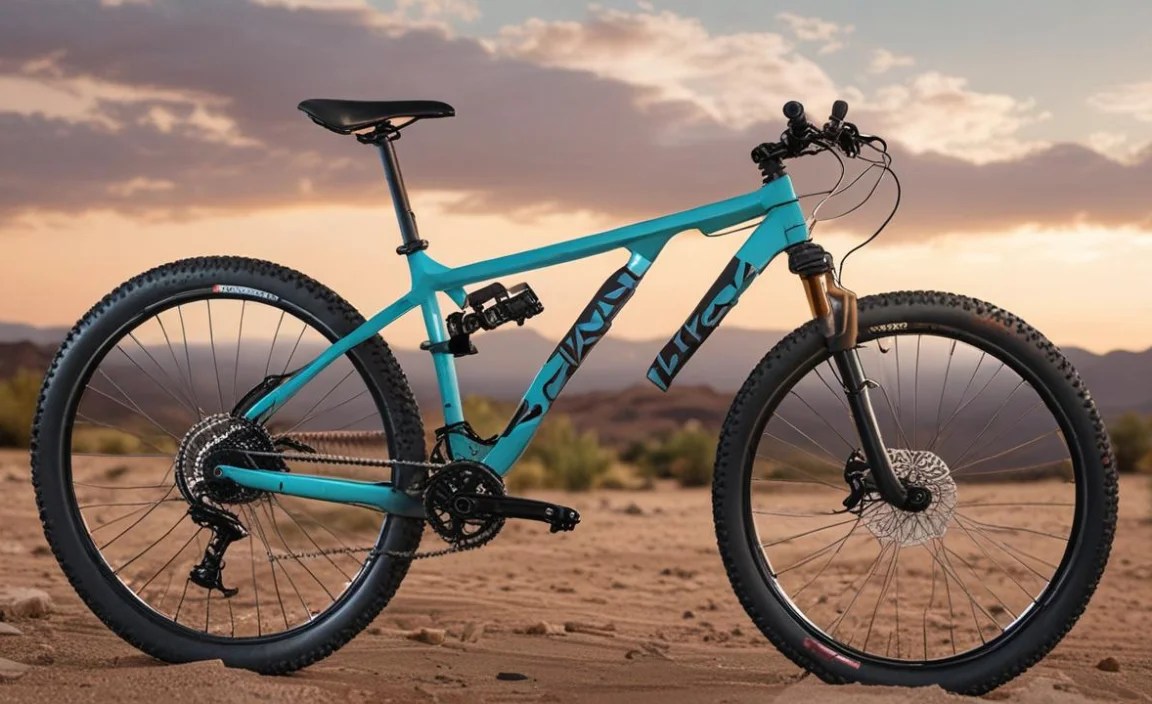
Before diving into bike selection, it’s crucial to understand the unique challenges of desert riding. Here’s what your bike will face:
- Sand and Loose Soil: Reduced traction and increased rolling resistance.
- Rocks and Obstacles: Potential for damage to wheels, tires, and frame.
- Extreme Heat: Can affect tire pressure, brake performance, and rider endurance.
- Thorny Vegetation: Puncture risks are high.
- Remote Locations: Mechanical issues can quickly become serious.
Key Features to Look For

Given these challenges, here are the key features to prioritize when choosing a mountain bike for desert terrain:
1. Frame Material: Durability and Weight
The frame is the backbone of your bike. Consider these materials:
- Aluminum: A popular choice due to its affordability, lightweight, and corrosion resistance. Ideal for riders on a budget who still need a durable frame.
- Carbon Fiber: Offers the best weight-to-stiffness ratio. More expensive but provides a more responsive and comfortable ride. Best for experienced riders seeking top performance.
- Steel: Exceptionally durable and comfortable due to its vibration-damping properties. Heavier than aluminum or carbon fiber. A good option for riders prioritizing longevity and comfort over weight.
2. Suspension: Full Suspension vs. Hardtail
Suspension absorbs bumps and provides better control. Here’s a breakdown:
- Full Suspension: Features both front and rear suspension. Provides maximum comfort and control on rough terrain. Recommended for challenging desert trails with lots of rocks and drops.
- Hardtail: Only has front suspension. Lighter, more efficient for climbing, and requires less maintenance. Suitable for smoother desert trails with fewer obstacles.
3. Tire Choice: Width and Tread Pattern
Tires are crucial for traction and puncture resistance.
- Width: Wider tires (2.3″ – 2.6″) provide better floatation and traction in sand.
- Tread Pattern: Look for a tread pattern that balances rolling efficiency with grip. A versatile tread with closely spaced center knobs and more aggressive side knobs works well.
- Tubeless Setup: Highly recommended for desert riding. Allows you to run lower tire pressures for better traction and reduces the risk of pinch flats.
4. Brakes: Stopping Power is Essential
Reliable brakes are critical for safety.
- Hydraulic Disc Brakes: Offer superior stopping power and modulation compared to mechanical disc brakes. Essential for steep descents and technical terrain.
- Rotor Size: Larger rotors (180mm or 203mm) provide more stopping power and better heat dissipation, especially important in hot desert conditions.
5. Gearing: Wide Range for Varied Terrain
A wide gear range helps you tackle steep climbs and maintain speed on flats.
- 1x Drivetrain: A single chainring in the front simplifies shifting and reduces the risk of mechanical issues. Popular for modern mountain bikes.
- Cassette Range: Look for a cassette with a wide range (e.g., 10-50T or 10-52T) to provide ample gearing options for varied terrain.
6. Frame Geometry: Comfort and Control
Frame geometry affects handling and riding position.
- Reach: A longer reach provides more stability at high speeds.
- Head Tube Angle: A slacker head tube angle (66-68 degrees) improves handling on steep descents.
- Stack Height: A higher stack height provides a more upright and comfortable riding position.
Recommended Mountain Bike Types for Desert Riding

Based on the features discussed above, here are some recommended mountain bike types for different desert riding styles:
1. Trail Bikes
Trail bikes are versatile all-around mountain bikes that excel on a variety of terrain. They typically have 120-150mm of suspension travel and are designed for both climbing and descending. Trail bikes are a great choice for riders who want a bike that can handle a wide range of desert trails.
2. Enduro Bikes
Enduro bikes are designed for aggressive riding on challenging terrain. They typically have 150-180mm of suspension travel and feature a slacker head tube angle for improved handling on steep descents. Enduro bikes are a good choice for experienced riders who want a bike that can handle the most demanding desert trails.
3. Cross-Country (XC) Bikes
XC bikes are designed for speed and efficiency on smoother trails. They typically have 80-100mm of suspension travel and are lightweight for climbing. XC bikes can be suitable for less technical desert trails where speed and efficiency are prioritized.
4. Fat Bikes
Fat bikes have extra-wide tires (3.8″ or wider) that provide exceptional floatation in sand and snow. They are a good choice for riding on soft, sandy terrain where other bikes would struggle. However, they can be slower and less efficient on smoother trails.
Essential Components and Accessories
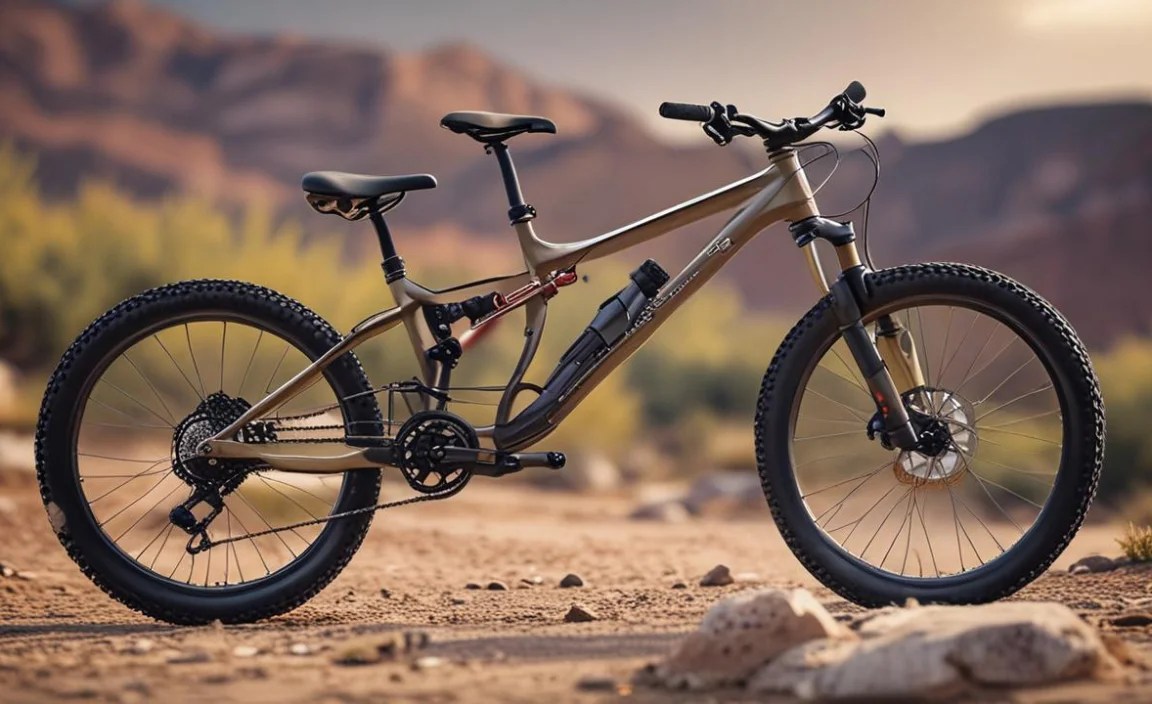
In addition to the bike itself, consider these essential components and accessories for desert riding:
- Dropper Post: Allows you to lower your saddle on the fly for improved control on descents.
- Wide Handlebars: Provide more leverage and control.
- Grips: Choose grips that are comfortable and provide good grip, even when wet.
- Pedals: Clipless pedals offer more efficiency, while flat pedals provide more freedom of movement.
- Water Bottle Cages or Hydration Pack: Staying hydrated is crucial in the desert.
- Bike Computer or GPS: For navigation and tracking your rides.
- Tool Kit: Carry essential tools for basic repairs on the trail.
- First-Aid Kit: Be prepared for minor injuries.
Maintenance Tips for Desert Riding

Desert riding can be hard on your bike. Follow these maintenance tips to keep it running smoothly:
- Clean Your Bike Regularly: Dust and sand can quickly wear down components.
- Lube Your Chain: Use a dry lube designed for dusty conditions.
- Check Tire Pressure: Adjust tire pressure based on the terrain.
- Inspect Your Brakes: Make sure your brake pads are in good condition and your brakes are properly adjusted.
- Check Suspension: Service your suspension regularly to maintain optimal performance.
Choosing the Right Bike Size
Selecting the correct frame size is crucial for comfort and control. Most bike manufacturers provide sizing charts based on rider height. Visit a local bike shop for a professional fitting to ensure you get the right size.
Budget Considerations
Mountain bikes for desert terrain range in price from a few hundred dollars to several thousand. Set a budget and prioritize the features that are most important to you. Consider buying a used bike to save money, but be sure to inspect it carefully for damage.
Top Mountain Bike Brands for Desert Riding
Several reputable brands offer mountain bikes well-suited for desert riding. Here are a few to consider:
- Specialized: Known for their high-performance bikes and innovative technology.
- Trek: Offers a wide range of mountain bikes for all skill levels and budgets.
- Giant: A popular brand known for its value and quality.
- Santa Cruz: Specializes in high-end mountain bikes with a focus on suspension performance.
- Ibis: Known for their lightweight and efficient mountain bikes.
Desert Riding Gear Checklist
Make sure you have the right gear for a safe and comfortable desert riding experience:
- Helmet: Protect your head in case of a crash.
- Sunglasses or Goggles: Shield your eyes from the sun and dust.
- Gloves: Provide grip and protect your hands.
- Moisture-Wicking Clothing: Helps keep you cool and dry.
- Sunscreen: Protect your skin from the sun’s harmful rays.
- Lip Balm: Prevent chapped lips.
- Plenty of Water: Staying hydrated is essential.
- Snacks: Keep your energy levels up.
- Navigation Tools: Map, compass, or GPS.
- Emergency Kit: First-aid supplies, repair tools, and a communication device.
Finding Desert Riding Trails
Many resources are available to help you find desert riding trails:
- Trailforks: A popular website and app with a comprehensive database of mountain bike trails.
- MTB Project: Another great resource for finding trails and planning rides.
- Local Bike Shops: Bike shops often have information about local trails.
- Riding Clubs: Join a local riding club to connect with other riders and discover new trails.
Safety Tips for Desert Riding
Desert riding can be dangerous if you’re not prepared. Follow these safety tips:
- Ride with a Friend: It’s always safer to ride with someone else.
- Tell Someone Your Plans: Let someone know where you’re going and when you expect to be back.
- Carry Plenty of Water: Dehydration can be a serious problem in the desert.
- Wear Sunscreen and Protective Clothing: Protect yourself from the sun.
- Be Aware of the Weather: Check the forecast before you go and be prepared for changing conditions.
- Watch Out for Wildlife: Be aware of snakes, scorpions, and other desert creatures.
- Carry a First-Aid Kit: Be prepared for minor injuries.
- Know Your Limits: Don’t push yourself too hard.
Table: Mountain Bike Frame Material Comparison
Here’s a comparison of common mountain bike frame materials:
| Material | Weight | Durability | Comfort | Cost |
|---|---|---|---|---|
| Aluminum | Medium | Good | Medium | Low to Medium |
| Carbon Fiber | Light | Good | High | High |
| Steel | Heavy | Excellent | High | Low to Medium |
Table: Suspension Types for Desert Terrain
Here’s a guide on choosing the right suspension type for desert mountain biking:
| Suspension Type | Pros | Cons | Best For |
|---|---|---|---|
| Full Suspension | Maximum comfort and control, absorbs bumps effectively | Heavier, more expensive, requires more maintenance | Challenging, rocky, and technical desert trails |
| Hardtail | Lighter, more efficient for climbing, less maintenance | Less comfortable on rough terrain, less control | Smoother desert trails with fewer obstacles |
External Resources
- REI Expert Advice on Mountain Bikes
- International Mountain Bicycling Association (IMBA)
- Bicycling Magazine Gear Reviews
FAQ: Mountain Bikes for Desert Terrain
Here are some frequently asked questions about choosing a mountain bike for desert terrain:
Q1: What tire pressure should I use for desert riding?
A: Lower tire pressures (20-25 PSI for tubeless setups) provide better traction in sand and on rocky terrain. Experiment to find the optimal pressure for your weight and riding style.
Q2: Is tubeless really necessary for desert riding?
A: While not strictly necessary, tubeless tires are highly recommended. They allow you to run lower pressures without the risk of pinch flats, improving traction and comfort.
Q3: What type of chain lube is best for desert conditions?
A: Use a dry lube specifically designed for dusty conditions. Dry lubes repel dirt and sand, preventing premature wear on your drivetrain.
Q4: How often should I clean my bike after desert rides?
A: Clean your bike after every ride, especially if it’s been exposed to a lot of dust or sand. Use a mild soap and water to remove dirt and grime.
Q5: What size rotors should I use for desert riding?
A: Larger rotors (180mm or 203mm) provide more stopping power and better heat dissipation, especially important for long descents in hot conditions.
Q6: Can I use a regular mountain bike for desert riding?
A: Yes, but you may need to make some modifications, such as wider tires and a tubeless setup, to improve performance and durability. A bike designed specifically for trail or enduro riding is generally a better choice.
Q7: What should I do if I get a flat tire in the desert?
A: Carry a spare tube, tire levers, a pump or CO2 inflator, and a multi-tool. Practice changing a flat tire before you hit the trails. Consider carrying tire plugs for repairing small punctures in tubeless tires.
Conclusion
Choosing the right mountain bike for desert terrain is essential for a safe and enjoyable riding experience. By considering the factors discussed in this guide – frame material, suspension, tires, brakes, gearing, and geometry – you can select a bike that’s well-suited for the challenges of desert riding. Remember to prioritize durability, reliability, and comfort. With the right bike and gear, you’ll be ready to explore the stunning landscapes and conquer the thrilling trails of the desert.


