
How to Avoid Under-Inflation Using Shock Pump: Smart Tips

Have you ever ridden your bike and felt like something was off? Maybe your tires felt soft. Or your ride was bumpy. This could be because of under-inflation. A shock pump can help. It is important to know how to avoid under-inflation using shock pump. This keeps you safe and your bike happy.
Have you ever bounced a basketball that didn’t bounce high? That’s like a bike with low air. Let’s learn how to keep your bike tires just right. We can use a shock pump to help.
Do you want to learn how to avoid under-inflation using shock pump? It’s easier than you think. With the right tools, you can keep your bike in tip-top shape. Let’s get started!
Key Takeaways
- Regularly check your bike’s air pressure to avoid problems.
- A shock pump helps inflate your bike’s suspension accurately.
- Learn how to avoid under-inflation using shock pump for better rides.
- Always use the correct pressure for your bike and riding style.
- Proper tire inflation ensures safety, comfort, and good performance.
Why Is Avoiding Under-Inflation Using Shock Pump Important?
Riding with under-inflated tires can be a real drag. Imagine trying to run a race with shoes that are too big. It’s hard, right? It’s the same with your bike. When your tires don’t have enough air, it makes it harder to pedal. You have to work much harder to go the same distance. This can make you tired faster. Plus, under-inflated tires can make your bike feel wobbly. This can be dangerous, especially if you’re riding fast or on bumpy roads. Knowing how to avoid under-inflation using shock pump is key. It makes your rides safer and more fun. It also helps your tires last longer. Properly inflated tires roll more smoothly. This means you go faster with less effort. So, keeping your tires at the right pressure is a win-win!
- Under-inflated tires require more effort to pedal.
- Low pressure can cause a wobbly and unsafe ride.
- Proper inflation improves speed and reduces fatigue.
- Correct pressure extends the life of your tires.
- Using a shock pump ensures accurate inflation.
Using a shock pump is like giving your bike a superpower. It allows you to fine-tune the air pressure in your suspension. This means you can adjust your bike to handle different types of terrain. Riding on a smooth road? A bit more pressure will make you faster. Hitting some rough trails? Lower pressure will give you more cushion. A shock pump makes it easy to make these adjustments. It also has a gauge that tells you exactly how much air is in your tires. This helps you avoid over- or under-inflation. Learning how to avoid under-inflation using shock pump is like unlocking a secret level in a video game. It gives you more control and makes your rides even better.
Fun Fact or Stat: Did you know that properly inflated tires can improve your fuel efficiency by up to 3% in a car? The same principle applies to bikes, making each pedal stroke more effective!
How Does Under-Inflation Affect Bike Handling?
Ever tried steering a shopping cart with a wobbly wheel? It’s hard to control, right? Under-inflated tires can have the same effect on your bike. When your tires are low on air, they don’t hold their shape as well. This makes it harder to steer and control your bike, especially when turning. You might feel like you’re fighting against the bike instead of riding it. Also, under-inflated tires can make your bike feel sluggish. It’s like trying to run in sand. You have to work harder to maintain your speed. This can make even a short ride feel exhausting. Keeping your tires properly inflated ensures that your bike handles smoothly and predictably. This makes riding safer and more enjoyable. Using a shock pump helps you achieve this perfect balance.
What Are the Risks of Riding With Low Tire Pressure?
Imagine walking on a twisted ankle. Every step is painful, and you risk making it worse. Riding with under-inflated tires is similar for your bike. It puts extra stress on the tires and rims. This can lead to damage, like pinch flats, where the tire gets squeezed and punctured. It can also damage the rims if they hit the ground too hard. Plus, riding on low pressure can be dangerous. Your bike might not respond quickly when you need to brake or steer. This can increase your risk of accidents. Maintaining proper tire pressure is like taking care of your body. It prevents injuries and keeps you safe. Learning how to avoid under-inflation using shock pump is a crucial part of bike maintenance.
Can Under-Inflation Cause Tire Damage?
Have you ever seen a balloon that’s been stretched too much? It gets weak and might pop. Under-inflated tires can suffer a similar fate. When your tires don’t have enough air, they flex and bend more as you ride. This constant flexing can weaken the tire’s sidewalls. It can also cause the inner tube to rub against the tire. This friction can create weak spots and lead to punctures. Additionally, riding on low pressure increases the risk of pinch flats. These happen when the tire gets compressed between the rim and the ground. This pinches the inner tube and causes a flat tire. Keeping your tires properly inflated prevents these problems. It extends the life of your tires and saves you money in the long run. A shock pump is your best friend in this battle.
How Does a Shock Pump Help With Inflation?
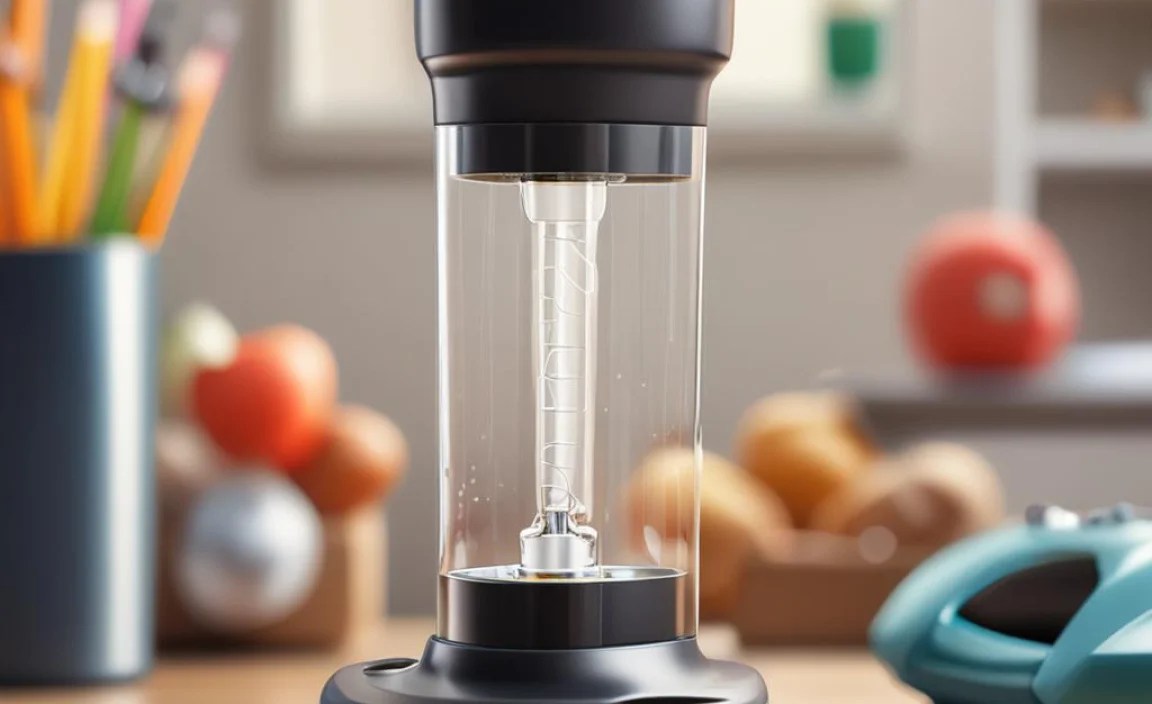
A shock pump is like a special tool for your bike’s suspension. It’s not like the regular pump you use for your tires. A shock pump is designed to add small amounts of air. This lets you get the pressure just right. It also has a gauge that shows you the exact pressure. This is important because even a little too much or too little air can make a big difference. Imagine trying to bake a cake without measuring the ingredients. It might not turn out so well, right? The same goes for your bike’s suspension. Using a shock pump ensures that you get the perfect air pressure. This makes your ride smoother and more comfortable. It also helps your suspension work the way it’s supposed to. Understanding how to avoid under-inflation using shock pump is like becoming a bike mechanic. You’ll know how to keep your bike performing its best.
- A shock pump allows for precise air pressure adjustments.
- It features a gauge to display accurate pressure readings.
- Using a shock pump improves suspension performance.
- It helps achieve optimal comfort and control.
- It’s different from a regular tire pump.
- This tool is essential for maintaining suspension systems.
Using a shock pump is like having a personal tuner for your bike. You can adjust the air pressure based on your weight, riding style, and the type of terrain you’re riding on. For example, if you’re a heavier rider, you might need more air pressure. This will prevent the suspension from bottoming out. If you’re riding on rough trails, you might want less air pressure. This will give you a softer, more comfortable ride. The shock pump allows you to make these adjustments quickly and easily. It’s like having a remote control for your bike’s suspension. Learning how to avoid under-inflation using shock pump empowers you to customize your ride. This ensures you get the most out of your bike. It also makes riding more enjoyable.
Fun Fact or Stat: Some professional mountain bikers adjust their suspension pressure by as little as 1-2 PSI to optimize performance for specific sections of a race course!
What Makes a Shock Pump Different From Other Pumps?
Have you ever tried using the wrong tool for a job? It can be frustrating and might even damage something. A shock pump is specially designed for inflating bike suspension. Regular tire pumps deliver large volumes of air quickly. This makes them great for tires, but not for suspension. Suspension systems require precise pressure adjustments. Shock pumps deliver small amounts of air. They also have a gauge that shows the exact pressure. This allows you to fine-tune your suspension. Regular pumps often lack this precision. They can easily over-inflate or under-inflate your suspension. This can affect its performance and even damage it. A shock pump is the right tool for the job. It ensures that your suspension is properly inflated. Learning how to avoid under-inflation using shock pump starts with using the right equipment.
How Accurate Are the Pressure Readings on Shock Pumps?
Imagine trying to measure something with a ruler that’s not marked correctly. You wouldn’t get an accurate measurement, right? The accuracy of the pressure reading on a shock pump is very important. A good shock pump will have a gauge that is calibrated to provide accurate readings. This allows you to inflate your suspension to the exact pressure recommended by the manufacturer. Some cheaper shock pumps may have less accurate gauges. This can lead to over- or under-inflation. To ensure accuracy, it’s a good idea to invest in a high-quality shock pump. You can also check the accuracy of your pump by comparing it to another gauge. Knowing how to avoid under-inflation using shock pump includes verifying your tools are accurate.
Can a Shock Pump Be Used on Car Tires?
Have you ever tried using a small spoon to dig a big hole? It would take a very long time, right? A shock pump is designed for the low-volume, high-pressure needs of bike suspension. Car tires require a much larger volume of air. Using a shock pump to inflate a car tire would be very slow and inefficient. It would take a very long time to add even a small amount of air. Also, shock pumps typically don’t have the pressure range needed for car tires. Car tires usually require much higher pressures than bike suspension. It’s best to use a pump specifically designed for car tires. These pumps deliver a high volume of air quickly. They also have a gauge that measures the higher pressures required for car tires. Stick to using a shock pump for bike suspension only.
What Tools Do You Need Besides a Shock Pump?

Think of baking a cake. You need more than just a mixer. You also need a bowl, measuring cups, and an oven. Similarly, to properly inflate your bike’s suspension, you’ll need more than just a shock pump. A good floor pump is useful for inflating your tires. Tire levers help you remove the tire from the rim if you need to change a tube. A multi-tool can be handy for making adjustments on the go. And of course, you’ll need to know the recommended air pressure for your tires and suspension. This information is usually printed on the tire or in the bike’s owner’s manual. Having the right tools makes the job easier and ensures that you do it correctly. Learning how to avoid under-inflation using shock pump includes knowing what other tools are helpful.
- A floor pump is great for inflating tires quickly.
- Tire levers help remove tires to change tubes.
- A multi-tool allows adjustments while riding.
- The owner’s manual lists recommended tire pressures.
- A pressure gauge verifies accurate inflation.
Having the right tools is like having a well-stocked toolbox. You’ll be prepared for anything. For example, a good floor pump can inflate your tires quickly and easily. This saves you time and energy. Tire levers make it easier to remove the tire from the rim without damaging it. A multi-tool can help you adjust your brakes, gears, and other components on the trail. And knowing the recommended air pressure for your tires and suspension ensures that you inflate them properly. All these tools work together to keep your bike in top condition. Learning how to avoid under-inflation using shock pump is just one piece of the puzzle. Having the right tools completes the picture.
Fun Fact or Stat: Professional bike mechanics often carry a complete set of tools weighing over 20 pounds to ensure they can handle any repair on the road!
Why Is a Pressure Gauge Important?
Have you ever tried guessing how much water is in a glass? It’s hard to be accurate without measuring, right? A pressure gauge is like a measuring cup for air. It tells you exactly how much air is in your tires or suspension. This is important because even a small difference in pressure can affect your ride. A pressure gauge helps you avoid over- or under-inflation. This ensures that your tires and suspension are performing at their best. It also helps you maintain the correct pressure for your weight and riding style. Without a pressure gauge, you’re just guessing. This can lead to a bumpy ride, poor handling, and even damage to your bike. A pressure gauge is an essential tool for any cyclist who wants to keep their bike in top condition. It helps you learn how to avoid under-inflation using shock pump.
How Do Tire Levers Help With Tire Maintenance?
Imagine trying to pry something open with your bare hands. It would be difficult and might even hurt, right? Tire levers are like special tools for removing tires from the rim. They make it much easier to get the tire off without damaging it. This is important when you need to change a flat tire or replace a worn-out tire. Tire levers allow you to gently pry the tire bead over the rim. This creates enough slack to remove the tire. Without tire levers, you might struggle to get the tire off. You could even damage the rim or the tire. Tire levers are a simple but essential tool for any cyclist. They make tire maintenance much easier and safer. They work in tandem to allow you to avoid over-inflation using shock pump.
What Should Be in a Basic Bike Repair Kit?
Think of a first-aid kit. It has everything you need to treat minor injuries. A basic bike repair kit is similar. It has everything you need to fix common problems on the road. This includes a multi-tool, tire levers, a spare tube, a patch kit, and a small pump. A multi-tool has various wrenches, screwdrivers, and Allen keys. This allows you to adjust different parts of your bike. Tire levers help you remove the tire. A spare tube replaces a flat tire. A patch kit repairs small punctures. And a small pump inflates the tire. Having these items in your repair kit ensures that you can handle most common problems. This keeps you rolling and gets you home safely. Add a shock pump to your kit for ultimate control.
How to Use a Shock Pump Correctly?

Using a shock pump might seem tricky at first. But it’s actually quite simple. First, find the valve on your bike’s suspension. This is usually covered by a small cap. Remove the cap and carefully attach the shock pump to the valve. Make sure it’s securely connected. Otherwise, air might leak out. Next, check the pressure gauge on the pump. This will tell you the current pressure in your suspension. Now, start pumping the handle. Watch the gauge as you pump. Stop when you reach the desired pressure. Once you’ve reached the correct pressure, carefully remove the shock pump from the valve. Replace the cap to protect the valve. That’s it! You’ve successfully used a shock pump. Knowing how to avoid under-inflation using shock pump is all about following these steps.
- Remove the valve cap on your bike’s suspension.
- Attach the shock pump securely to the valve.
- Check the pressure gauge for the current pressure.
- Pump the handle until you reach the desired pressure.
- Carefully remove the pump and replace the valve cap.
Using a shock pump correctly is like following a recipe. Each step is important. If you skip a step or do it wrong, the results might not be what you expect. For example, if you don’t attach the pump securely, air might leak out. This will make it difficult to reach the desired pressure. If you over-inflate your suspension, it can make your ride harsh and uncomfortable. And if you under-inflate it, it can make your ride wobbly and unsafe. So, it’s important to follow the steps carefully. With a little practice, you’ll become a pro at using a shock pump. You’ll know exactly how to avoid under-inflation using shock pump.
Fun Fact or Stat: The Schrader valve, commonly used in bike tires and suspension, was invented in 1893 by August Schrader, a German-American machinist!
What Is the Correct Pressure for Your Suspension?
Have you ever worn shoes that are too tight or too loose? They’re not comfortable, right? The correct pressure for your suspension is similar. It depends on your weight, riding style, and the type of terrain you’re riding on. The manufacturer of your suspension will usually provide a recommended pressure range. This range is a good starting point. You can then adjust the pressure based on your own preferences. If you’re a heavier rider, you’ll likely need more pressure. This will prevent the suspension from bottoming out. If you’re riding on rough trails, you might want less pressure. This will give you a softer, more comfortable ride. Finding the correct pressure is like finding the perfect pair of shoes. It takes some experimentation, but it’s worth the effort. It’s all part of learning how to avoid under-inflation using shock pump.
How Often Should You Check Your Suspension Pressure?
Imagine checking the oil in your car. You wouldn’t wait until the engine starts making strange noises, right? You should check your suspension pressure regularly. This will ensure that it’s always at the correct level. A good rule of thumb is to check it before every ride. This only takes a few seconds. It can prevent problems down the road. If you notice that your suspension is losing air quickly, there might be a leak. In this case, you should have it inspected by a professional. Regular maintenance is like taking care of your health. It prevents problems and keeps you feeling good. It’s also important to learn how to avoid under-inflation using shock pump.
What Happens if You Over-Inflate Your Suspension?
Have you ever blown up a balloon until it pops? Over-inflating your suspension can have a similar effect. It can put too much stress on the components. This can lead to damage or even failure. Over-inflating your suspension can also make your ride harsh and uncomfortable. The suspension won’t be able to absorb bumps and vibrations as effectively. This can make your bike feel stiff and unforgiving. It’s important to stay within the recommended pressure range. This will protect your suspension and ensure a smooth, comfortable ride. This also keeps you safe while riding. Knowing how to avoid under-inflation using shock pump includes knowing how to avoid over-inflation too.
How Does Temperature Affect Tire Pressure?
Have you ever noticed how a basketball bounces differently on a hot day versus a cold day? Temperature can affect the pressure in your tires. When the temperature goes up, the air inside your tires expands. This increases the pressure. When the temperature goes down, the air contracts. This decreases the pressure. This means that you might need to adjust your tire pressure depending on the weather. For example, if you inflate your tires on a warm day, they might be over-inflated on a cold day. And if you inflate them on a cold day, they might be under-inflated on a warm day. It’s a good idea to check your tire pressure regularly, especially when the temperature changes. This will ensure that your tires are always properly inflated. Proper inflation is key to how to avoid under-inflation using shock pump.
- Air expands in warm temperatures, increasing pressure.
- Air contracts in cold temperatures, decreasing pressure.
- Check tire pressure when the weather changes.
- Adjust pressure to maintain optimal levels.
- Temperature changes affect ride quality and safety.
Understanding how temperature affects tire pressure is like understanding how the seasons affect your garden. You need to adjust your care based on the weather. For example, you might need to water your plants more often in the summer. And you might need to protect them from frost in the winter. Similarly, you need to adjust your tire pressure based on the temperature. This will ensure that your tires are always performing at their best. This is especially important if you ride in different climates. Or if you store your bike in a garage that gets very hot or cold. Paying attention to temperature can help you maintain proper tire pressure. It will also help you learn how to avoid under-inflation using shock pump.
Fun Fact or Stat: Tire pressure can change by about 1 PSI (pounds per square inch) for every 10 degrees Fahrenheit change in temperature!
Why Is Consistent Tire Pressure Important for Safety?
Imagine trying to drive a car with one tire that’s flat. It would be hard to control and could be dangerous, right? Consistent tire pressure is important for bike safety. Properly inflated tires provide the best grip and handling. This allows you to steer and brake effectively. Under-inflated tires can make your bike feel wobbly and unstable. They can also increase your risk of a flat tire. Over-inflated tires can make your ride harsh and uncomfortable. They can also reduce your grip on the road. Maintaining consistent tire pressure ensures that your bike handles predictably. It also keeps you safe while riding. This is a key concept in how to avoid under-inflation using shock pump.
How Do Different Riding Conditions Affect Tire Pressure Needs?
Have you ever worn different shoes for different activities? You wouldn’t wear sandals to go hiking, right? Different riding conditions require different tire pressures. For example, if you’re riding on smooth pavement, you might want higher tire pressure. This will reduce rolling resistance and make you faster. If you’re riding on rough trails, you might want lower tire pressure. This will provide more grip and cushion. And if you’re riding in wet conditions, you might want to lower your tire pressure slightly. This will increase your contact patch with the road and improve traction. Adjusting your tire pressure based on the riding conditions can improve your comfort, control, and safety. It’s an important part of learning how to avoid under-inflation using shock pump.
Can You Visually Inspect Your Tires for Correct Pressure?
Imagine trying to tell if a cake is done just by looking at it. It’s hard to be sure without testing it, right? Visually inspecting your tires can give you a general idea of whether they’re properly inflated. But it’s not a very accurate method. You can look for signs of under-inflation, such as bulging sidewalls or a flattened appearance. But it’s difficult to tell the exact pressure just by looking. A pressure gauge is the best way to ensure that your tires are properly inflated. It provides an accurate reading of the pressure. This allows you to make precise adjustments. While visual inspection can be helpful, it’s not a substitute for using a pressure gauge. A pressure gauge is essential for how to avoid under-inflation using shock pump.
What Are Common Mistakes When Using a Shock Pump?
Everyone makes mistakes, especially when learning something new. Using a shock pump is no different. One common mistake is not attaching the pump securely to the valve. This can cause air to leak out. Another mistake is over-inflating the suspension. This can damage the components and make your ride uncomfortable. A third mistake is not checking the pressure gauge regularly. This can lead to over- or under-inflation. A fourth mistake is using the wrong type of pump. A regular tire pump is not suitable for suspension. It’s important to use a shock pump specifically designed for this purpose. Avoiding these common mistakes will help you use a shock pump correctly. It will also help you learn how to avoid under-inflation using shock pump.
- Not securing the pump to the valve causes leaks.
- Over-inflating suspension can damage components.
- Forgetting to check the pressure gauge leads to errors.
- Using a regular pump damages the suspension.
- Not knowing the recommended pressure is a mistake.
Learning from mistakes is part of the process. It’s like learning to ride a bike. You might fall a few times before you get the hang of it. But with practice, you’ll eventually become a pro. The same is true for using a shock pump. You might make a few mistakes at first. But by learning from them, you’ll become more confident and skilled. And you’ll be able to keep your suspension properly inflated. You’ll also be a master of how to avoid under-inflation using shock pump.
Fun Fact or Stat: Many cyclists experience a flat tire at least once a year, making it a common problem that proper inflation can help prevent!
How Can You Prevent Air Leaks When Using a Shock Pump?
Imagine trying to fill a bucket with a hole in it. It would be difficult to fill it up, right? Air leaks can be a problem when using a shock pump. To prevent air leaks, make sure to attach the pump securely to the valve. The pump should be firmly seated on the valve. There should be no gaps or spaces. You can also try using a small amount of lubricant on the valve. This can help create a better seal. If you’re still experiencing air leaks, the valve might be damaged. In this case, you should have it inspected by a professional. Preventing air leaks ensures that you can inflate your suspension properly. It’s an important step in how to avoid under-inflation using shock pump.
What Should You Do if the Shock Pump Isn’t Reading Pressure?
Have you ever tried using a tool that’s not working properly? It can be frustrating, right? If your shock pump isn’t reading pressure, there could be a few reasons. First, make sure that the pump is properly connected to the valve. If it’s not, air might be leaking out. Second, check the pump’s gauge. It might be damaged or malfunctioning. Third, the valve on your suspension might be clogged or damaged. In this case, you should have it inspected by a professional. If you’ve checked all these things and the pump is still not reading pressure, it might be time for a new pump. A functioning pump is essential for how to avoid under-inflation using shock pump.
How Do You Know if You’ve Over-Inflated Your Suspension?
Imagine blowing up a balloon until it’s stretched very tight. You know it’s close to popping, right? Over-inflating your suspension can have similar signs. Your ride will feel harsh and uncomfortable. The suspension won’t absorb bumps and vibrations as effectively. You might also hear strange noises coming from the suspension. If you suspect that you’ve over-inflated your suspension, check the pressure gauge. If it’s above the recommended range, release some air until it’s within the correct range. Staying within the recommended pressure range protects your suspension. It also ensures a smooth, comfortable ride. This is crucial for how to avoid under-inflation using shock pump.
Why Are Regular Bike Checks Important?
Think of your bike like a car. You wouldn’t drive a car for years without getting it serviced, right? Regular bike checks are important for keeping your bike in good condition. They help you identify potential problems before they become serious. This can save you money and prevent accidents. During a bike check, you should inspect your tires, brakes, gears, chain, and other components. You should also check your tire pressure and suspension pressure. If you notice anything unusual, have it inspected by a professional. Regular bike checks are like preventative medicine. They keep your bike healthy and ensure that it’s safe to ride. They also help you know how to avoid under-inflation using shock pump.
Here’s a simple table to show how often you should check different parts of your bike:
| Component | Frequency | Reason |
|---|---|---|
| Tires | Before every ride | Check for wear, damage, and proper inflation |
| Brakes | Before every ride | Ensure they are responsive and not worn out |
| Chain | Monthly | Check for rust, lubrication, and wear |
| Suspension | Before every ride | Ensure it is properly inflated and functioning |
| Gears | Monthly | Check for smooth shifting and proper adjustment |
Regular bike checks are like giving your bike a physical exam. You’re looking for any signs of trouble. If you catch problems early, you can fix them before they cause serious damage. For example, if you notice that your chain is rusty, you can lubricate it before it breaks. If you notice that your brakes are worn, you can replace them before they fail. And if you notice that your tires are under-inflated, you can inflate them before you get a flat. Regular bike checks can also help you identify potential safety hazards. This can prevent accidents and keep you safe while riding. Knowing how to avoid under-inflation using shock pump is one part of this process.
Fun Fact or Stat: A well-maintained bike can last for decades, providing years of enjoyable riding and reducing waste!
How Can You Tell if Your Brakes Are Worn?
Imagine trying to stop a car with worn-out brakes. It would be difficult and dangerous, right? Worn brakes can be a serious safety hazard on a bike. There are a few signs that your brakes might be worn. First, check the brake pads. If they’re thin or worn down, it’s time to replace them. Second, listen for squealing or grinding noises when you brake. This can indicate that the brake pads are worn or that there’s dirt or debris on the brake rotors. Third, feel the brake levers. If they feel spongy or require more force to stop, the brakes might need to be adjusted or replaced. Regular brake checks are essential for safety. They help you identify worn brakes before they fail.
What Are the Signs of a Worn Chain?
Have you ever seen a chain that’s stretched out or rusty? That’s a sign that it’s worn out. A worn chain can affect your bike’s performance. It can also damage other components, such as the gears and cassette. There are a few signs that your chain might be worn. First, check the chain for rust or corrosion. Second, look for stretched or elongated links. Third, try shifting gears. If the chain skips or doesn’t shift smoothly, it might be worn. Regular chain checks can help you identify a worn chain before it causes problems. Replacing a worn chain is much cheaper than replacing the gears and cassette. So, it’s worth the effort to keep your chain in good condition.
Why Is Lubricating Your Chain Important?
Imagine trying to run a machine without oiling the parts. It would quickly wear out and break down, right? Lubricating your chain is important for keeping it running smoothly. Lubrication reduces friction between the chain and the gears. This makes it easier to pedal and shift gears. It also protects the chain from rust and corrosion. A well-lubricated chain will last longer. It will also perform better. You should lubricate your chain regularly, especially after riding in wet or dirty conditions. Use a chain lubricant specifically designed for bicycles. Apply the lubricant sparingly and wipe off any excess. A properly lubricated chain will make your ride more enjoyable. It will also extend the life of your bike.
Summary
Keeping your bike in top shape is important for safety and fun. We talked about how to avoid under-inflation using shock pump. Using a shock pump helps you get the right air pressure in your suspension. This makes your ride smoother and more comfortable. We also talked about other tools you need, like a floor pump and tire levers. And we discussed common mistakes to avoid when using a shock pump. Remember to check your tire pressure regularly and adjust it based on the temperature and riding conditions. Regular bike checks are also important for identifying potential problems. By following these tips, you can keep your bike running smoothly and enjoy safe, comfortable rides.
Conclusion
Learning how to avoid under-inflation using shock pump is a great way to care for your bike. A shock pump helps you fine-tune your suspension. This makes your rides safer and more fun. Remember to check your tire pressure often. Use the right tools and avoid common mistakes. Regular bike checks will help you keep your bike in good condition. Happy riding!
Frequently Asked Questions
Question No 1: What is a shock pump and why do I need one?
Answer: A shock pump is a special type of pump designed for inflating the suspension on your bike. It’s different from a regular tire pump because it allows you to add small amounts of air with very precise pressure control. This is important for fine-tuning your suspension to match your weight, riding style, and the type of terrain you’re riding on. Without a shock pump, it’s difficult to get the air pressure just right. This can affect your ride quality and even damage your suspension. A shock pump is an essential tool for any cyclist who wants to get the most out of their bike’s suspension. It helps you avoid over- or under-inflation.
Question No 2: How often should I check the pressure in my bike’s suspension?
Answer: It’s a good idea to check the pressure in your bike’s suspension before every ride. This will ensure that it’s always at the correct level. A quick check only takes a few seconds. It can prevent problems down the road. If you notice that your suspension is losing air quickly, there might be a leak. In this case, you should have it inspected by a professional. Regular maintenance is like taking care of your health. It prevents problems and keeps you feeling good. You should also check the pressure after significant temperature changes, as temperature affects air pressure. This is another way to ensure how to avoid under-inflation using shock pump.
Question No 3: Can I use a regular tire pump to inflate my bike’s suspension?


![How to Use Shock Pump on Tubeless Tyre? [Easy Guide]](https://i2.wp.com/bicyclepumper.com/wp-content/uploads/2026/01/how-to-use-shock-pump-on-tubeless-tyre-easy-guide-768x469.webp)
