
How Long Should a Well Pump Cycle When Watering? A Simple Guide

Quick Summary: A well pump should typically cycle for at least one minute when watering. Shorter cycles can cause the pump to overheat and wear out quickly. Adjust your watering habits or tank size to ensure longer, healthier pump cycles. Regular monitoring helps spot problems early and extend your well pump’s lifespan.
Is your well pump short-cycling when you’re just trying to water your garden? It’s a common problem that can be super frustrating. Not only does it disrupt your watering, but it also puts unnecessary strain on your well pump. This can lead to costly repairs and a shorter lifespan for your entire system. Don’t worry, though! We’ll walk you through the ideal cycle times, what causes short cycling, and simple steps you can take to keep your well pump running smoothly. Let’s dive in and get your watering back on track!
Understanding Well Pump Cycle Times

Knowing how long your well pump should run is key to keeping your system healthy. Let’s break down the ideal cycle times and what they mean for your pump’s longevity.
Ideal Cycle Length
A healthy well pump cycle should generally last at least 1 minute. Longer is often better, as it reduces the frequency of starts and stops, which are the most stressful events for a pump. A cycle of 1-3 minutes is a good target, providing enough water while minimizing wear and tear.
What is Considered Short Cycling?
Short cycling happens when your well pump turns on and off too frequently in a short period, often less than one minute. This rapid on-off action can overheat the motor and damage the pump’s components. It’s like repeatedly starting your car engine for just a few seconds—it wears things out fast!
Why is Cycle Length Important?
Maintaining proper cycle lengths is crucial for a few reasons:
- Extends Pump Life: Reducing the number of starts and stops minimizes wear and tear, prolonging the life of your well pump.
- Prevents Overheating: Longer cycles allow the motor to cool down between uses, preventing overheating and potential damage.
- Saves Energy: Efficient cycling reduces energy consumption, lowering your electricity bill.
- Ensures Consistent Water Pressure: Proper cycle times help maintain stable water pressure throughout your home and garden.
Factors Affecting Well Pump Cycle Times

Several factors can influence how long your well pump cycles. Understanding these can help you troubleshoot issues and optimize your system.
Water Demand
The amount of water you use directly affects how often your pump cycles. High water demand, such as watering a large garden or running multiple appliances, will cause the pump to cycle more frequently.
Well Recovery Rate
The well recovery rate is how quickly your well refills with water after being drawn down. A slow recovery rate means the pump has to work harder and cycle more often to meet demand. According to the U.S. Geological Survey (USGS), understanding your local groundwater conditions is crucial for managing well recovery effectively.
Pressure Tank Size
The size of your pressure tank plays a significant role in cycle times. A larger tank stores more water, allowing the pump to run less frequently. A smaller tank will cause the pump to cycle more often to maintain pressure.
Pressure Switch Settings
The pressure switch controls when the pump turns on and off based on the water pressure in the tank. Incorrect settings can lead to short cycling or other issues. The typical pressure switch settings are 30/50 or 40/60 PSI.
Leaks in the System
Leaks in your plumbing can cause the pump to cycle unnecessarily to maintain pressure. Even small leaks can add up over time and lead to short cycling.
Troubleshooting Short Cycling

If your well pump is short cycling, don’t panic! Here are some common causes and how to address them.
Identifying the Problem
First, confirm that your pump is indeed short cycling. Monitor the pump’s behavior when you’re using water. If it turns on and off rapidly (less than a minute per cycle), you likely have a short cycling issue.
Common Causes of Short Cycling
- Low Water Level in Well: If the water level in your well is too low, the pump may struggle to maintain pressure, leading to short cycles.
- Faulty Pressure Switch: A malfunctioning pressure switch can cause the pump to turn on and off erratically.
- Bladder Tank Issues: Problems with the bladder tank, such as loss of air pressure or a ruptured bladder, can lead to short cycling.
- Leaks in Plumbing: Leaks in your pipes or fixtures can cause the pump to cycle frequently to compensate for the lost pressure.
- Clogged Well Screen: A clogged well screen restricts water flow, making the pump work harder and cycle more often.
Step-by-Step Troubleshooting
- Check for Leaks: Inspect all visible pipes and fixtures for leaks. Repair any leaks you find.
- Test the Pressure Switch: Use a multimeter to test the pressure switch for continuity. Replace it if it’s faulty.
- Inspect the Bladder Tank: Check the air pressure in the bladder tank. It should be 2 PSI below the cut-in pressure of the pressure switch (e.g., 28 PSI for a 30/50 switch). If the tank is waterlogged or the bladder is damaged, replace it.
- Check Well Water Level: If possible, check the water level in your well. If it’s low, you may need to conserve water or consider deepening the well.
- Inspect the Well Screen: If you suspect a clogged well screen, consult a professional well service to inspect and clean or replace the screen.
Optimizing Your Watering Habits

Adjusting your watering habits can significantly impact your well pump’s cycle times and overall health.
Watering Schedule
Watering deeply and less frequently encourages deeper root growth and reduces the overall water demand. Aim to water your plants thoroughly but less often, allowing the soil to dry out slightly between watering sessions. Watering in the early morning or late evening minimizes water loss due to evaporation, making your watering more efficient.
Efficient Watering Techniques
Using efficient watering techniques can help conserve water and reduce the strain on your well pump.
- Drip Irrigation: Drip irrigation delivers water directly to the plant roots, minimizing water waste and reducing the amount of water needed.
- Soaker Hoses: Soaker hoses slowly release water into the soil, providing consistent moisture without overwatering.
- Rain Barrels: Collecting rainwater in rain barrels can provide a supplemental water source for your garden, reducing the demand on your well pump.
Water Conservation Tips
Implementing water conservation measures around your home can further reduce the strain on your well pump.
- Fix Leaks Promptly: Repair any leaks in your plumbing system as soon as possible to prevent water waste.
- Use Water-Efficient Appliances: Install water-efficient toilets, showerheads, and washing machines to reduce your overall water consumption.
- Be Mindful of Water Usage: Be conscious of how much water you’re using and make an effort to conserve water whenever possible.
Upgrading Your System
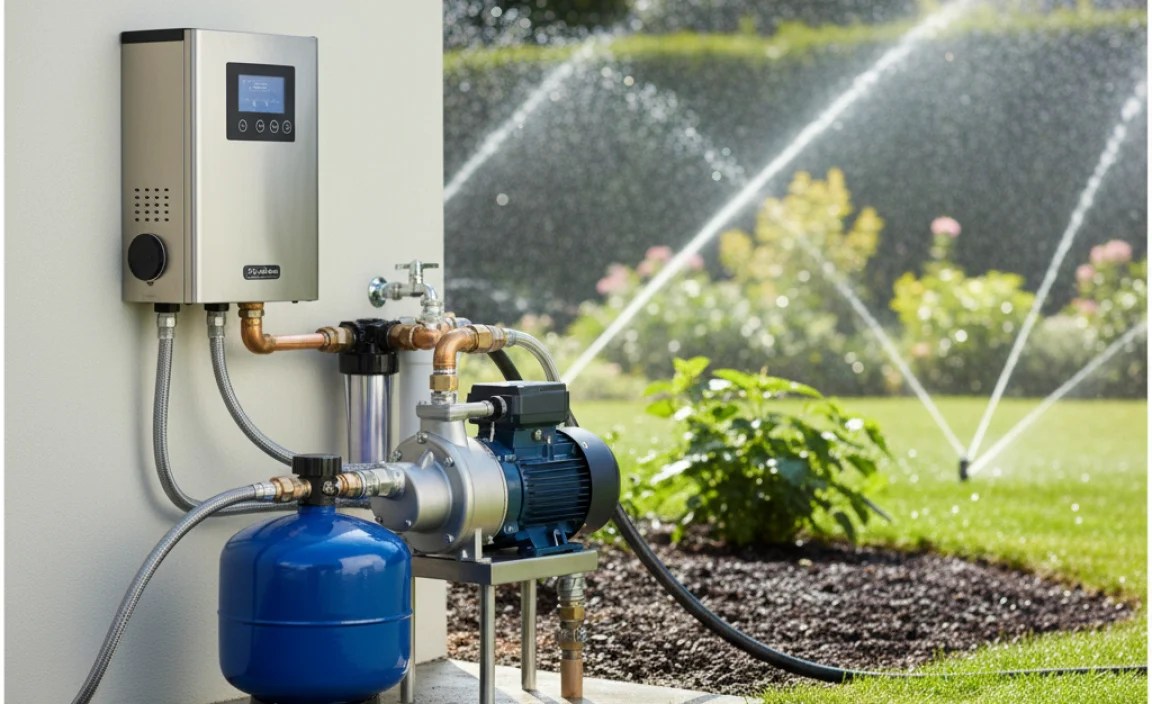
Sometimes, the best solution is to upgrade your well system to better meet your water needs and prevent short cycling.
Larger Pressure Tank
Installing a larger pressure tank can significantly reduce the frequency of pump cycles. A larger tank stores more water, allowing the pump to run less often. Consult with a well professional to determine the appropriate size tank for your home.
Variable Speed Pump
A variable speed pump adjusts its pumping rate based on water demand, providing consistent pressure and reducing energy consumption. These pumps are more efficient and can prolong the life of your well system. They can also maintain constant pressure, eliminating pressure fluctuations and enhancing overall system performance.
Well Deepening or New Well
If your well has a low recovery rate or frequently runs dry, you may need to consider deepening the well or drilling a new one. This can provide a more reliable water source and reduce the strain on your pump. According to the Environmental Protection Agency (EPA), proper well construction is essential for protecting groundwater quality.
Regular Maintenance
Regular maintenance is essential for keeping your well pump system in top condition and preventing problems like short cycling.
Inspections
Schedule regular inspections of your well system to identify potential issues early on. A professional well service can inspect the pump, pressure tank, and other components to ensure they’re functioning properly.
Cleaning
Periodically clean the well screen and other components to remove sediment and debris that can restrict water flow. This can improve pump efficiency and prevent short cycling.
Testing
Test your well water regularly to ensure it’s safe to drink and free from contaminants. This can also help identify any issues with the well system that may be affecting water quality.
Understanding Pressure Tank Functionality
Let’s dive deeper into how the pressure tank works and why it’s so important for your well system.
How a Pressure Tank Works
A pressure tank stores water under pressure, providing a buffer between the pump and your household plumbing. It consists of a steel tank with an air-filled bladder inside. When the pump fills the tank with water, the bladder compresses, storing energy in the form of pressurized air. When you turn on a faucet, the pressurized air pushes the water out of the tank, providing a steady flow of water without immediately engaging the pump.
Importance of Air Charge
The air charge in the bladder tank is crucial for its proper function. If the air pressure is too low, the tank will become waterlogged, reducing its storage capacity and causing the pump to cycle more frequently. If the air pressure is too high, the tank won’t store enough water, leading to pressure fluctuations and potential damage to the pump.
Checking and Adjusting Air Pressure
To check the air pressure in your bladder tank, follow these steps:
- Turn off the pump and drain the tank completely by opening a faucet until the water stops flowing.
- Locate the Schrader valve (similar to a tire valve) on top of the tank.
- Use a tire pressure gauge to check the air pressure.
- If the pressure is too low, use an air compressor to add air until it reaches the recommended level (2 PSI below the cut-in pressure of the pressure switch).
- If the pressure is too high, release air by pressing the valve core until it reaches the correct level.
Here’s a quick reference table for common pressure switch settings:
| Pressure Switch Setting | Cut-In Pressure (PSI) | Cut-Out Pressure (PSI) | Recommended Tank Pressure (PSI) |
|---|---|---|---|
| 30/50 | 30 | 50 | 28 |
| 40/60 | 40 | 60 | 38 |
DIY vs. Professional Help
While many well pump issues can be resolved with DIY troubleshooting and maintenance, some situations require professional help.
When to DIY
- Checking for and repairing minor leaks
- Testing and adjusting pressure switch settings
- Checking and adjusting bladder tank air pressure
- Implementing water conservation measures
When to Call a Professional
- Low water level in the well
- Clogged well screen
- Faulty pump motor
- Damaged or waterlogged bladder tank (if you’re not comfortable replacing it yourself)
- Well deepening or drilling a new well
Cost Considerations
Understanding the costs associated with well pump maintenance and upgrades can help you budget and make informed decisions.
Maintenance Costs
- Routine inspections: $100 – $300
- Water testing: $50 – $200
- Minor repairs (leaks, switch replacements): $50 – $500
Upgrade Costs
- Larger pressure tank: $300 – $1,000 (including installation)
- Variable speed pump: $1,000 – $3,000 (including installation)
- Well deepening or new well: $5,000 – $20,000+
Well Pump Safety Tips
Working with well pumps and electrical components can be dangerous. Follow these safety tips to protect yourself:
- Always turn off the power to the pump before performing any maintenance or repairs.
- Wear appropriate safety gear, such as gloves and eye protection.
- Never work on electrical components while standing in water.
- If you’re not comfortable working with electricity, hire a qualified electrician.
- Consult the pump manufacturer’s instructions before performing any maintenance or repairs.
FAQ: Well Pump Cycle Times
Here are some frequently asked questions about well pump cycle times:
What is the ideal cycle time for a well pump?
Ideally, a well pump should cycle for at least one minute. Longer cycles (1-3 minutes) are even better as they reduce wear and tear on the pump.
Why is my well pump short cycling?
Short cycling can be caused by low water levels in the well, a faulty pressure switch, a waterlogged bladder tank, leaks in the plumbing, or a clogged well screen.
How do I check the air pressure in my pressure tank?
Turn off the pump, drain the tank, and use a tire pressure gauge to check the air pressure at the Schrader valve. Adjust as needed to 2 PSI below the pressure switch cut-in pressure.
Can I fix short cycling myself?
You can try troubleshooting by checking for leaks, testing the pressure switch, and adjusting the bladder tank air pressure. For more complex issues, consult a professional.
How does a larger pressure tank help?
A larger pressure tank stores more water, allowing the pump to run less frequently and reducing the number of starts and stops, which prolongs pump life.
What are the benefits of a variable speed pump?
Variable speed pumps adjust their pumping rate based on water demand, providing consistent pressure, reducing energy consumption, and prolonging the life of the well system.
How often should I have my well system inspected?
It’s recommended to have your well system inspected at least once a year to identify potential issues early and ensure it’s functioning properly.
Conclusion
Understanding how long your well pump should cycle when watering is essential for maintaining a healthy and efficient well system. By monitoring cycle times, troubleshooting common issues, optimizing your watering habits, and performing regular maintenance, you can prolong the life of your pump and ensure a reliable water supply. Whether you tackle DIY fixes or seek professional help, taking proactive steps will keep your well system running smoothly for years to come. Happy watering!
“`


