
How to Prepare Your Ride for Trail with Shock Pump: Easy!

Did you ever ride your bike and feel like something was off? Maybe it felt too bumpy or too soft. Getting ready for a trail ride is super important. You need to check your bike. Do you know how to prepare your ride for trail with a shock pump? It’s easier than you think!
Imagine your bike is like a race car. Race cars need special adjustments. Your bike does too! A shock pump helps you set the right pressure in your bike’s suspension. This makes your ride smoother and more fun. Let’s learn how to do it!
Properly preparing your bike makes a big difference. You’ll ride faster and feel more confident. Plus, you’ll have more control. So, let’s get started and learn all about using a shock pump. It will help you have the best trail ride ever!
Key Takeaways
- Using a shock pump helps adjust your bike’s suspension for better performance.
- Check your bike’s suspension before each trail ride for safety and comfort.
- Knowing how to prepare your ride for trail with a shock pump improves handling.
- Always use the correct pressure settings for your weight and riding style.
- Regularly maintaining your suspension keeps your bike in top condition.
How To Prepare Your Ride For Trail Safely

Getting ready for a trail ride is exciting. But safety should always come first. Preparing your ride for the trail involves checking many things. One of the most important is your bike’s suspension. Suspension helps your bike absorb bumps. This makes riding more comfortable and gives you more control. A shock pump is a special tool. It lets you adjust the air pressure in your suspension. Make sure you have the right tools. You need a shock pump that fits your bike’s valves. Also, grab a rag to wipe away any dirt. Don’t forget your bike’s manual. It tells you the correct pressure settings. Take your time and follow each step carefully. It’s better to be safe than sorry when hitting the trails.
- Wear a helmet every time you ride.
- Check your brakes before each ride.
- Inspect your tires for wear and tear.
- Adjust your suspension with a shock pump.
- Bring water and snacks for energy.
When you adjust your suspension, think about the type of trail. Is it smooth or bumpy? For rough trails, you might want more pressure. This prevents the suspension from bottoming out. For smoother trails, less pressure can be better. This gives you a more comfortable ride. Always start with the recommended pressure. You can find this in your bike’s manual. Then, adjust it based on how the bike feels. Remember, small changes can make a big difference. After a few rides, you’ll find the perfect setting for you. This makes how to prepare your ride for trail much easier. This way you can enjoy the trails even more.
Why Is Bike Safety Important?
Have you ever seen a car race? The drivers and their teams always check the cars before the race. They make sure everything is working perfectly. This keeps the drivers safe and helps them win. Bike riding is similar. Checking your bike is like checking a race car. It keeps you safe and helps you have fun. Imagine riding down a trail and your brakes don’t work. That would be scary! Or imagine your tires are flat. You wouldn’t be able to ride at all. That’s why bike safety is so important. It protects you from accidents and lets you enjoy your ride without worries. How to prepare your ride for trail also keeps your bike in good shape. This means it will last longer and you won’t have to fix it as often.
What Tools Do I Need?
Imagine you’re building a Lego set. You need the right pieces to make it perfect. Preparing your bike for a trail ride is similar. You need the right tools. A shock pump is one of the most important tools. It looks like a regular pump, but it’s special. It has a gauge that shows the exact pressure. This helps you adjust your suspension perfectly. You’ll also need a wrench to tighten bolts. A chain lube keeps your chain running smoothly. Tire levers help you change a flat tire. A multi-tool is like a Swiss Army knife for bikes. It has many tools in one. Having the right tools makes bike maintenance much easier. It also helps you fix problems quickly on the trail.
How Often Should I Check My Bike?
Think of your bike like a pet. You need to take care of it regularly. Just like you feed and groom your pet, you need to check and maintain your bike. It’s best to check your bike before every ride. This only takes a few minutes. You can look for loose bolts, worn tires, and other problems. It’s also a good idea to do a more thorough check once a month. This includes cleaning and lubricating your chain. You should also check your brakes and gears. If you ride your bike a lot, you might need to check it more often. Regular maintenance keeps your bike running smoothly. It also prevents bigger problems from happening. Knowing how to prepare your ride for trail prevents accidents and makes biking more fun.
Fun Fact or Stat: Did you know that properly inflated tires can make you ride up to 10% faster?
How To Adjust Bike Suspension With Shock Pump

Adjusting your bike’s suspension is like tuning a musical instrument. You want it to sound just right. Your bike’s suspension needs to feel just right. A shock pump helps you do this. It lets you add or remove air from your suspension. This changes how soft or firm it feels. To start, find the air valve on your fork or shock. It usually has a cap on it. Remove the cap and attach the shock pump. Make sure it’s on tight. Then, look at the gauge on the pump. It shows the current pressure. Add air slowly until you reach the recommended pressure. Check your bike’s manual for the right settings. Too much or too little pressure can make your ride uncomfortable. Adjusting your suspension with a shock pump makes a big difference. It gives you more control and comfort on the trails.
- Find the air valve on your suspension.
- Attach the shock pump securely.
- Read the pressure on the pump’s gauge.
- Add or remove air as needed.
- Check your bike’s manual for settings.
- Adjust based on your weight and trail.
Different trails need different suspension settings. For example, if you’re riding on a smooth trail, you might want a firmer suspension. This helps you pedal more efficiently. It also makes the bike feel more responsive. If you’re riding on a bumpy trail, you might want a softer suspension. This absorbs the bumps and makes the ride more comfortable. Experiment with different settings to see what works best for you. You can even adjust your suspension mid-ride. This lets you adapt to changing trail conditions. Learning how to prepare your ride for trail with a shock pump gives you more control. It also helps you get the most out of your bike.
What Does Suspension Do?
Imagine you’re jumping on a trampoline. The trampoline bounces up and down. It absorbs your energy and makes the jump smoother. Your bike’s suspension does something similar. It absorbs the bumps and vibrations from the trail. This makes your ride more comfortable and controlled. Without suspension, every bump would send a jolt through your body. You would feel every rock and root. Suspension helps keep your tires on the ground. This gives you better traction and control. It also helps you ride faster and more confidently. How to prepare your ride for trail makes sure your suspension works well. This way you can enjoy a smooth and fun ride, no matter how rough the trail is.
How Do I Find The Right Pressure?
Finding the right pressure for your suspension is like finding the perfect recipe. You need to mix the right ingredients to get the best results. Your bike’s manual is like a cookbook. It gives you a starting point for your suspension pressure. It usually recommends a pressure range based on your weight. Start with the middle of the range and see how it feels. If the suspension feels too soft, add more air. If it feels too harsh, remove some air. It’s also important to consider the type of trail you’re riding. Bumpy trails need more air. Smooth trails need less air. How to prepare your ride for trail involves some trial and error. But with practice, you’ll find the perfect pressure for your weight and riding style.
Can I Adjust Suspension On The Trail?
Imagine you’re driving a car and the road changes. Sometimes it’s smooth, and sometimes it’s bumpy. You might want to adjust your car’s settings to match the road. You can do the same with your bike’s suspension. Many bikes have adjustments that you can make on the trail. This lets you fine-tune your suspension to match the terrain. For example, you might want to add more air for a downhill section. Or you might want to remove some air for a climb. Knowing how to prepare your ride for trail means knowing how to use these adjustments. Some bikes have levers or dials that you can turn. Others require a shock pump. Experiment with different settings to see what works best for you. This helps you ride more efficiently and comfortably.
Fun Fact or Stat: Professional mountain bikers often adjust their suspension multiple times during a single race!
Understanding Shock Pump Pressure Readings

Reading a shock pump’s pressure gauge is like reading a speedometer in a car. It tells you how much air is inside your suspension. The gauge usually shows pressure in PSI (pounds per square inch). It’s important to understand what the numbers mean. Too little pressure can cause your suspension to bottom out. This means it hits the end of its travel. Too much pressure can make your ride feel harsh and uncomfortable. The right pressure depends on your weight, riding style, and the type of trail. Your bike’s manual will give you a recommended pressure range. Start with that range and adjust as needed. Pay attention to how your bike feels. If it feels too soft, add more air. If it feels too harsh, remove some air. How to prepare your ride for trail involves understanding these pressure readings. It helps you fine-tune your suspension for the best possible ride.
- Learn what PSI means on the gauge.
- Know the recommended pressure range.
- Add air slowly and check often.
- Remove air carefully to avoid overdoing it.
- Pay attention to how the bike feels.
- Adjust based on trail conditions.
A digital shock pump can be very helpful. These pumps have a screen that shows the pressure. They are more accurate than analog pumps. Some digital pumps even have a memory function. This lets you save your preferred settings. This is useful if you ride the same trails often. Regular checks are also important. Air can leak out of your suspension over time. Check the pressure before each ride. This ensures that your suspension is working properly. It also helps you identify any leaks. Knowing how to prepare your ride for trail includes regular maintenance. This keeps your suspension in good condition and makes your rides more enjoyable.
What Is PSI?
Have you ever pumped up a basketball? You can feel the air pressure inside the ball. PSI stands for pounds per square inch. It’s a way to measure that air pressure. When you use a shock pump, the gauge shows the PSI in your bike’s suspension. A higher PSI means more air pressure. This makes the suspension stiffer. A lower PSI means less air pressure. This makes the suspension softer. Knowing what PSI means helps you adjust your suspension correctly. It’s like knowing how much sugar to add to a cake. Too much or too little can ruin the recipe. How to prepare your ride for trail involves understanding PSI. This helps you get the perfect suspension setting for your ride.
How Accurate Are Shock Pump Gauges?
Imagine you’re using a ruler to measure something. If the ruler isn’t accurate, your measurement will be off. The same is true for a shock pump’s gauge. If the gauge isn’t accurate, you won’t know the true pressure in your suspension. Most shock pump gauges are fairly accurate. But some can be off by a few PSI. This is especially true for older or cheaper pumps. Digital pumps tend to be more accurate than analog pumps. If you’re serious about suspension tuning, it’s worth investing in a good quality pump. You can also check the accuracy of your pump. Compare it to another pump or a pressure gauge at a bike shop. How to prepare your ride for trail means using accurate tools. This helps you get the best performance from your bike.
Why Does Pressure Change?
Have you ever noticed how a balloon shrinks when it gets cold? Air pressure changes with temperature. The same thing happens in your bike’s suspension. When the temperature drops, the air pressure decreases. When the temperature rises, the air pressure increases. This means you might need to adjust your suspension depending on the weather. Also, air can leak out of your suspension over time. Even a small leak can affect your ride quality. That’s why it’s important to check your pressure regularly. How to prepare your ride for trail means being aware of these factors. This helps you keep your suspension dialed in for optimal performance.
Fun Fact or Stat: A change of 10 degrees Fahrenheit can affect your suspension pressure by 1-2 PSI!
Matching Shock Pump Settings To Trail Type

Different trails demand different bike setups. A smooth, flowy trail needs a different suspension setting than a rocky, technical trail. Matching your shock pump settings to the trail type is key. It helps you ride more efficiently and comfortably. For smooth trails, you might want a firmer suspension. This helps you pedal faster and maintain speed. For rocky trails, you might want a softer suspension. This absorbs the bumps and keeps your tires on the ground. Consider the terrain. Is it mostly uphill or downhill? Uphill sections might benefit from a firmer suspension. Downhill sections might benefit from a softer suspension. Knowing how to prepare your ride for trail with a shock pump means understanding these nuances. It lets you fine-tune your bike for any trail.
- Smooth trails: firmer suspension.
- Rocky trails: softer suspension.
- Uphill: firmer, efficient pedaling.
- Downhill: softer, more control.
- Consider jumps and drops.
- Adjust for your comfort level.
Think about your riding style. Are you an aggressive rider who likes to push your limits? Or are you a more cautious rider who prefers a smoother ride? Aggressive riders might prefer a firmer suspension. This gives them more support for jumps and drops. Cautious riders might prefer a softer suspension. This makes the ride more comfortable and forgiving. Experiment with different settings until you find what works best for you. It’s also helpful to talk to other riders. They can share their experiences and give you tips. How to prepare your ride for trail is a personal process. It’s about finding the settings that make you feel confident and comfortable.
What Is A Flow Trail?
Imagine you’re riding a roller coaster. It’s smooth, fast, and full of turns. A flow trail is similar. It’s designed to be ridden smoothly and effortlessly. It has berms (banked turns) and rollers (small hills) that let you maintain your speed. Flow trails are usually not very technical. They don’t have many rocks or roots. This means you can focus on pumping and gliding. For a flow trail, you might want a firmer suspension. This helps you maintain speed and control. It also makes the bike feel more responsive. How to prepare your ride for trail on a flow trail means setting your suspension for speed and efficiency.
What Is A Technical Trail?
Imagine you’re navigating an obstacle course. It’s full of challenges like walls, ropes, and tunnels. A technical trail is similar. It’s full of rocks, roots, and other obstacles. Technical trails require a lot of skill and focus. You need to be able to handle your bike well. You also need to be able to read the terrain. For a technical trail, you might want a softer suspension. This helps absorb the bumps and keep your tires on the ground. It also makes the ride more comfortable. How to prepare your ride for trail on a technical trail means setting your suspension for comfort and control.
Should I Change Settings Mid-Ride?
Imagine you’re driving a car and the road suddenly changes. You might need to adjust your speed or steering. You can do the same with your bike’s suspension. If the trail changes, you might want to adjust your settings mid-ride. Some bikes have adjustments that you can make easily. This lets you fine-tune your suspension to match the terrain. For example, you might want to add more air for a downhill section. Or you might want to remove some air for a climb. Knowing how to prepare your ride for trail means being able to adapt to changing conditions. It also means being comfortable making adjustments on the fly.
Fun Fact or Stat: Some high-end bikes have electronic suspension that automatically adjusts to the terrain!
Troubleshooting Common Shock Pump Problems
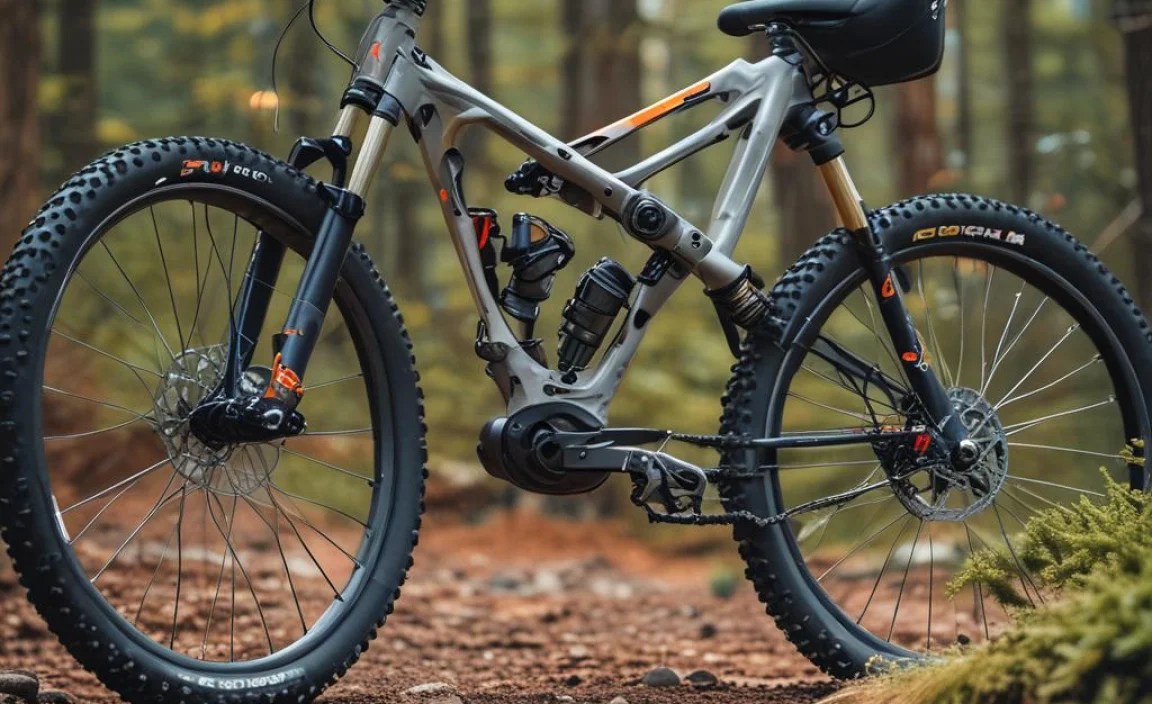
Even with the best tools, things can sometimes go wrong. Shock pumps are no exception. You might encounter problems like leaks, stuck valves, or inaccurate readings. Knowing how to troubleshoot these issues can save you time and frustration. One common problem is a leaky valve. This can happen if the pump isn’t attached properly. Make sure the pump is securely connected to the valve. Another problem is a stuck valve. This can happen if dirt or debris gets into the valve. Try cleaning the valve with a soft cloth. If the pump isn’t reading the pressure correctly, it might be faulty. Try using a different pump to compare readings. How to prepare your ride for trail includes knowing how to fix these common problems. It helps you keep your suspension working properly.
- Check for leaks at the valve.
- Clean the valve if it’s stuck.
- Compare readings with another pump.
- Replace worn-out seals or o-rings.
- Make sure the pump is compatible.
- Read the pump’s instructions.
Regular maintenance can prevent many problems. Clean your shock pump regularly. This prevents dirt and debris from getting inside. Also, check the seals and o-rings. These can wear out over time and cause leaks. Replace them as needed. Store your pump in a safe place. This prevents it from getting damaged. Remember, a shock pump is a precision tool. Treat it with care. Knowing how to prepare your ride for trail with a shock pump also means knowing how to take care of your tools. This ensures that they will last longer and work properly.
Why Is Air Leaking?
Imagine you have a tire with a hole in it. The air will slowly leak out. The same thing can happen with your bike’s suspension. If you hear a hissing sound or see bubbles when you attach the shock pump, there’s probably a leak. The leak could be at the valve. Or it could be in the suspension itself. Check the valve first. Make sure the pump is securely attached. If the leak is still there, it could be a problem with the suspension. You might need to take your bike to a shop for repairs. How to prepare your ride for trail means identifying and fixing leaks. This keeps your suspension working properly and prevents damage.
Why Is The Pump Stuck?
Have you ever tried to open a jar that’s stuck tight? It can be frustrating! Sometimes a shock pump can get stuck on the valve. This can happen if the pump is old or dirty. Or it can happen if you tighten the pump too much. Try wiggling the pump gently. This might help loosen it. You can also try using a little bit of lubricant. Be careful not to get any lubricant inside the valve. If the pump is still stuck, you might need to take it to a bike shop. How to prepare your ride for trail means knowing how to handle stuck pumps. This prevents you from damaging your suspension or your pump.
What If The Gauge Is Inaccurate?
Imagine you’re using a scale to weigh yourself. If the scale is inaccurate, you won’t know your true weight. The same is true for a shock pump’s gauge. If the gauge is inaccurate, you won’t know the true pressure in your suspension. This can affect your ride quality and safety. If you suspect that your gauge is inaccurate, try comparing it to another pump. You can also take your bike to a shop and have them check the pressure. If the gauge is inaccurate, you might need to replace the pump. How to prepare your ride for trail means using accurate tools. This helps you get the best performance from your bike.
Fun Fact or Stat: Some riders carry a spare shock pump on long rides, just in case!
Maintaining Your Shock Pump For Longevity
Taking care of your shock pump is important. It ensures it works well for a long time. Regular maintenance keeps it in top condition. Clean the pump after each use. This removes dirt and debris. Store it in a dry place. This prevents rust and corrosion. Check the seals and o-rings regularly. Replace them if they are worn out. Use a silicone-based lubricant. This keeps the pump working smoothly. Avoid using oil-based lubricants. These can damage the seals. Knowing how to prepare your ride for trail with a shock pump includes taking care of your tools. This saves you money in the long run. It also ensures that your pump is always ready when you need it.
- Clean the pump after each use.
- Store it in a dry place.
- Check seals and o-rings often.
- Use silicone-based lubricant.
- Avoid oil-based lubricants.
- Handle the pump with care.
Think of your shock pump like a toothbrush. You wouldn’t share your toothbrush with someone else. You should also avoid lending out your shock pump. Other people might not take care of it as well as you do. Also, be careful not to drop the pump. This can damage the gauge or other parts. If you’re not sure how to maintain your pump, consult the owner’s manual. Or ask a bike mechanic for advice. How to prepare your ride for trail means being responsible for your equipment. This keeps you safe and helps you enjoy your rides more.
How Often Should I Clean My Shock Pump?
Imagine you’re washing your hands after playing outside. You want to remove all the dirt and germs. You should clean your shock pump regularly. This removes dirt and debris that can damage it. Clean the pump after each use. This only takes a few minutes. Use a soft cloth to wipe down the pump. Pay special attention to the valve connector. This is where dirt can build up. You can also use a brush to clean hard-to-reach areas. How to prepare your ride for trail includes cleaning your tools. This keeps them working properly and extends their lifespan.
What Kind Of Lubricant Should I Use?
Imagine you’re oiling a squeaky door hinge. You want to use the right kind of oil. The same is true for your shock pump. You should use a silicone-based lubricant. Silicone lubricant is safe for the seals and o-rings in your pump. Avoid using oil-based lubricants. These can damage the seals and cause leaks. Apply a small amount of lubricant to the moving parts of the pump. This will keep it working smoothly. You can find silicone lubricant at most bike shops. How to prepare your ride for trail means using the right products. This protects your equipment and ensures optimal performance.
How Should I Store My Shock Pump?
Imagine you’re putting away your toys after playing. You want to store them in a safe place. You should store your shock pump in a dry place. This prevents rust and corrosion. Avoid storing it in direct sunlight. This can damage the seals and o-rings. A toolbox or a drawer is a good place to store your pump. You can also hang it on a hook in your garage. Just make sure it’s protected from the elements. How to prepare your ride for trail includes proper storage of your tools. This keeps them in good condition and ready for use.
| Maintenance Task | Frequency | Why |
|---|---|---|
| Cleaning | After each use | Removes dirt and debris |
| Lubrication | Every few months | Keeps pump working smoothly |
| Seal Inspection | Monthly | Detects wear and prevents leaks |
| Storage | Always | Protects from damage |
Fun Fact or Stat: A well-maintained shock pump can last for many years!
Summary
Getting ready for a trail ride involves many steps. One of the most important is adjusting your bike’s suspension. A shock pump is a special tool. It lets you add or remove air from your suspension. This changes how soft or firm it feels. Knowing how to prepare your ride for trail with a shock pump is key. It helps you ride more efficiently and comfortably. Start by checking your bike’s manual. This tells you the recommended pressure settings. Then, attach the shock pump and add or remove air as needed. Pay attention to how your bike feels. If it feels too soft, add more air. If it feels too harsh, remove some air. Remember, different trails need different settings. A smooth trail needs a firmer suspension. A rocky trail needs a softer suspension.
Regular maintenance is also important. Clean your shock pump after each use. This prevents dirt and debris from damaging it. Check the seals and o-rings regularly. Replace them if they are worn out. Store your pump in a dry place. This prevents rust and corrosion. By following these tips, you can keep your suspension working properly. You can also enjoy a smooth and comfortable ride. How to prepare your ride for trail involves taking care of your equipment. This makes biking more fun and safe.
Conclusion
Preparing your ride for the trail is essential for a safe and enjoyable biking experience. Using a shock pump to adjust your suspension is a key part of this process. It allows you to fine-tune your bike to match the terrain and your riding style. Remember to check your bike’s manual for recommended pressure settings. Also, pay attention to how your bike feels. With practice, you’ll learn how to dial in your suspension for the perfect ride. Knowing how to prepare your ride for trail with a shock pump ensures that you have the best possible time on the trails. So, grab your pump and get ready to ride!
Frequently Asked Questions
Question No 1: What is a shock pump and why do I need one?
Answer: A shock pump is a special type of air pump. It’s designed to adjust the air pressure in your bike’s suspension. Regular pumps cannot do this accurately. Suspension helps your bike absorb bumps and vibrations. This makes your ride more comfortable and controlled. You need a shock pump to fine-tune your suspension. This ensures that it’s working properly for your weight and riding style. Without a shock pump, your suspension may be too soft or too firm. This can make your ride uncomfortable and even dangerous. How to prepare your ride for trail includes using a shock pump to get the best performance from your bike.
Question No 2: How often should I check the pressure in my suspension?
Answer: You should check the pressure in your suspension before every ride. Air can leak out over time. Even a small change in pressure can affect your ride quality. Checking the pressure only takes a few minutes. It’s a quick and easy way to ensure that your suspension is working properly. If you ride your bike frequently, you might want to check the pressure more often. Also, remember that temperature can affect air pressure. If the temperature changes significantly, you might need to adjust your suspension. How to prepare your ride for trail means being diligent about checking your suspension pressure.
Question No 3: Can I use a regular tire pump to adjust my suspension?
Answer: No, you cannot use a regular tire pump to adjust your suspension. Regular tire pumps deliver a large volume of air. This makes it difficult to make small, precise adjustments. Also, regular tire pumps don’t have a gauge that shows the pressure. A shock pump is designed specifically for adjusting suspension. It delivers a small volume of air. It also has a gauge that shows the pressure in PSI. This lets you fine-tune your suspension to the exact setting you need. How to prepare your ride for trail with a shock pump ensures accuracy. Using the right tools is very important for safety.
Question No 4: What should I do if my shock pump is leaking air?
Answer: If your shock pump is leaking air, there are a few things you can try. First, make sure the pump is securely attached to the valve. Sometimes a loose connection can cause a leak. Second, check the seals and o-rings on the pump. These can wear out over time and cause leaks. If the seals are worn, you can replace them. You can buy replacement seals at most bike shops. Third, try cleaning the valve on your suspension. Dirt and debris can sometimes cause leaks. If you’ve tried these things and the pump is still leaking, you might need to replace it. How to prepare your ride for trail means having reliable equipment. A leaking pump is not reliable.
Question No 5: How do I know what pressure to put in my suspension?
Answer: The best place to start is your bike’s manual. It usually recommends a pressure range based on your weight. You can also find pressure charts online. These charts provide guidance based on your weight and the type of bike you have. Once you have a starting point, you can adjust the pressure based on how the bike feels. If the suspension feels too soft, add more air. If it feels too harsh, remove some air. It’s important to experiment and find what works best for you. How to prepare your ride for trail with a shock pump involves some trial and error. But with practice, you’ll find the perfect setting.
Question No 6: Can I damage my suspension by over-inflating it?
Answer: Yes, you can damage your suspension by over-inflating it. Over-inflating can put too much stress on the seals and other components. This can lead to leaks or even a complete failure of the suspension. Always stay within the recommended pressure range. You can find this range in your bike’s manual. Be careful when adding air. Add it slowly and check the pressure frequently. If you’re not sure how much pressure to add, start with a small amount. You can always add more later. How to prepare your ride for trail means being careful and following the manufacturer’s instructions. This helps you avoid damaging your equipment.


