
How to Use Shock Pump on Remote Lock-Out Suspension: Easy!

Have you ever seen a mountain biker zoom up a hill? Some bikes have special parts. These parts help them go fast. One of these parts is called a remote lock-out suspension. It helps the bike handle bumps. But, how do you keep it working well? Do you know how to use a shock pump on remote lock-out suspension? It’s easier than you think!
Just like a car needs air in its tires, a bike’s suspension needs air too. A shock pump is a special tool. It adds air to the suspension. This keeps the ride smooth. Keep reading to learn more!
Key Takeaways
- Using a shock pump correctly keeps your suspension working well.
- Always check the manufacturer’s instructions for the right pressure.
- Knowing how to use shock pump on remote lock-out suspension is vital.
- Too much or too little air can hurt your suspension.
- Regularly check and adjust the pressure for the best performance.
Understanding Your Remote Lock-Out Suspension

Your bike’s remote lock-out suspension is like a superhero. It helps you ride over rough ground. It makes your ride smoother and easier. But what exactly is it? It is a system that lets you stiffen or soften your bike’s suspension. You can do this without stopping. A remote lock-out lets you change the suspension from your handlebars. This is super useful when going from a flat road to a bumpy trail. It helps you pedal more efficiently on smooth surfaces. It also gives you more control on rough ones. Understanding how it works helps you take better care of it. Using a shock pump is part of that care.
- Remote lock-out makes riding easier on different terrains.
- It lets you change the suspension while you ride.
- This helps you go faster and have more control.
- The suspension absorbs bumps and keeps you comfortable.
- It is important to keep the suspension properly inflated.
Think of your suspension as a balloon. If it has too much air, it’s hard and bouncy. If it has too little air, it’s soft and squishy. Neither is good for riding. The right amount of air makes the ride smooth and fun. A shock pump lets you add or remove air. This makes the suspension just right. It’s like giving your bike the perfect shoes for running! Taking care of your suspension means checking the air pressure often. It also means knowing how to use shock pump on remote lock-out suspension the right way. This will keep your bike happy and you riding smoothly for a long time.
Why Is Suspension Important?
Have you ever tried riding a bike with flat tires? It’s bumpy and hard work! Suspension does the opposite. It makes the ride smooth, even when the ground is rough. Imagine riding over rocks and roots. Without suspension, you would feel every bump. Your hands and body would get tired quickly. Suspension absorbs those bumps. It keeps your tires on the ground. This gives you more control. It also makes riding more fun. Good suspension can even help you go faster. It lets you focus on the trail. You won’t have to worry about every little bump. It’s like having a magic carpet under your wheels! Proper shock pump use is a key part of keeping your suspension working like magic.
What Does “Lock-Out” Mean?
Lock-out is like a switch for your suspension. When it’s on, the suspension is stiff. It doesn’t move up and down as much. This is good for riding on smooth roads. It helps you pedal more efficiently. It keeps you from wasting energy. When the lock-out is off, the suspension is soft. It absorbs bumps and keeps you comfortable. A remote lock-out lets you control this switch from your handlebars. You don’t have to stop to change it. This is super handy when you’re riding on different types of terrain. It’s like having a superpower that lets you change your bike’s settings on the fly!
How Does the Remote Work?
The remote is a small lever or button on your handlebars. It’s connected to your suspension with a cable or wire. When you push the lever, it changes the setting on your suspension. It’s like using a remote control for your TV. But instead of changing the channel, you’re changing how your bike rides. Some remotes are simple. They only have two settings: locked and unlocked. Others are more complex. They let you adjust the suspension to different levels of stiffness. The remote makes it easy to adjust your suspension without taking your hands off the handlebars. This keeps you safe and in control. It’s a simple tool that makes a big difference in your ride.
Fun Fact or Stat: Did you know that some professional mountain bikers adjust their suspension settings multiple times during a single race? It helps them go faster and handle different parts of the course!
Gathering the Right Tools for the Job

Before you start, you need the right tools. Imagine trying to build a Lego set without the instructions. It would be very hard! Working on your suspension is the same. Having the right tools makes the job easier and safer. The most important tool is a shock pump. This isn’t just any air pump. It’s a special pump that’s made for suspension. It has a gauge that shows the air pressure. This helps you add the right amount of air. You’ll also need a rag. This will keep things clean. Finally, you might need your bike’s manual. It will tell you the right air pressure for your suspension. Having these tools ready will make the job go smoothly.
- A shock pump is essential for adjusting air pressure.
- A rag helps keep the area clean and free of dirt.
- Your bike’s manual provides important information.
- Make sure the shock pump is compatible with your suspension.
- Having the right tools prevents damage to your suspension.
Think of your shock pump as a tiny doctor for your bike. It helps you keep your suspension healthy. Using the wrong pump can be like giving your bike the wrong medicine. It could make things worse! A shock pump has a special valve. This valve prevents air from leaking out when you disconnect it. This is important because even a little bit of air can make a big difference. The gauge on the pump is also very important. It helps you see exactly how much air you’re adding. This way, you can be sure you’re giving your suspension the right amount of air. Knowing how to use shock pump on remote lock-out suspension properly ensures the longevity of your bike’s components.
What Is a Shock Pump?
A shock pump is a special pump. It’s designed to put air into your bike’s suspension. It’s different from a regular tire pump. It has a small chamber and a gauge. The chamber lets you add air slowly. The gauge tells you how much air is inside. This is important because suspension needs very precise air pressure. Too much or too little air can hurt the suspension. A shock pump helps you get it just right. It’s like using a measuring cup when you’re baking. It makes sure you add the right amount of each ingredient. This helps you get the best results.
Why Can’t I Use a Regular Tire Pump?
A regular tire pump pushes a lot of air at once. This is good for filling up tires quickly. But it’s not good for suspension. Suspension needs small changes in air pressure. A regular pump can easily add too much air. It’s like trying to pour a tiny amount of water from a fire hose. It’s just too much! Also, regular pumps don’t have accurate gauges. You won’t be able to see exactly how much air you’re adding. This can be dangerous for your suspension. It’s best to use a shock pump. It’s designed for the job.
Where Can I Find My Bike’s Manual?
Your bike’s manual is like a guidebook for your bike. It has all sorts of important information. It tells you how to take care of your bike. It also tells you the right air pressure for your suspension. You can usually find your manual online. Go to the bike maker’s website. Look for the “Support” or “Manuals” section. You might need to know your bike’s model and year. If you can’t find it online, ask your local bike shop. They might be able to help you find a copy. Keep your manual in a safe place. You’ll need it for reference.
Fun Fact or Stat: Some high-end shock pumps have digital gauges that are accurate to within 0.5 PSI (pounds per square inch)! That’s super precise!
Finding the Correct Air Pressure
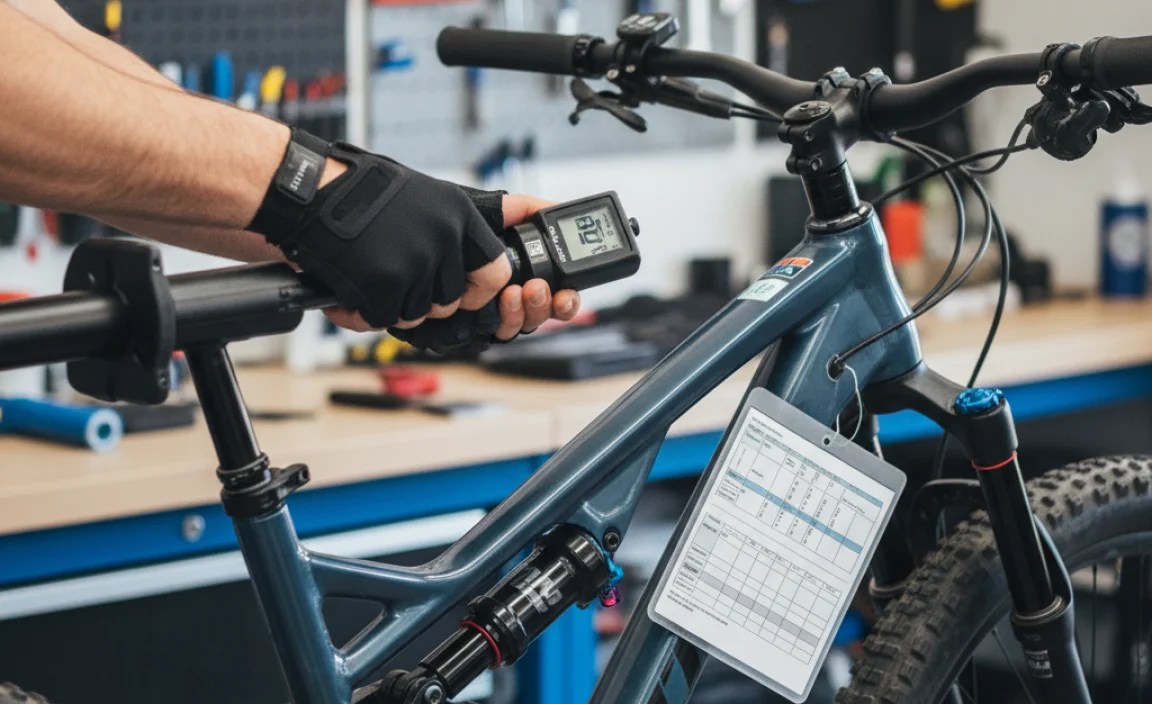
Finding the right air pressure is like finding the perfect recipe. Too much or too little of something can ruin the whole thing. Your bike’s suspension is the same way. Too much air can make it stiff and bouncy. Too little air can make it soft and squishy. The right air pressure makes the ride smooth and comfortable. So, how do you find the right pressure? Start by checking your bike’s manual. It will have a chart or a guide. This guide will tell you the right pressure based on your weight. If you don’t have a manual, you can usually find this information online. Once you have the recommended pressure, you can start adding air with your shock pump.
- Check your bike’s manual for recommended air pressure.
- Air pressure depends on your weight and riding style.
- Start with the recommended pressure and adjust as needed.
- Write down your preferred air pressure for future reference.
- Always double-check the pressure after adding air.
Imagine your suspension is like a seesaw. If you’re too heavy, the seesaw will be tilted down. If you’re too light, it will be tilted up. The right air pressure balances the seesaw. It makes the ride smooth and even. Your bike’s manual is like a set of instructions for balancing the seesaw. It tells you how much air to add based on your weight. But, it’s also important to experiment. You might find that you like a little more or a little less air. This is okay! The most important thing is to find what feels best for you. Remember, knowing how to use shock pump on remote lock-out suspension properly helps you fine-tune your ride for maximum comfort and performance.
What Does PSI Mean?
PSI stands for “pounds per square inch.” It’s a way to measure air pressure. Think of it like this: imagine you have a square that’s one inch on each side. PSI tells you how much force is pushing on that square. The higher the PSI, the more force there is. Your shock pump has a gauge that shows the PSI. This helps you add the right amount of air to your suspension. It’s like using a ruler to measure something. It gives you a precise measurement so you can get it just right.
How Does My Weight Affect Air Pressure?
Your weight is like the amount of force pushing down on your suspension. The more you weigh, the more force there is. This means you’ll need more air in your suspension to support your weight. If you don’t have enough air, the suspension will compress too much. This can make the ride uncomfortable. It can also damage the suspension. That’s why it’s important to adjust the air pressure based on your weight. The bike manual’s chart helps you find the right balance. It ensures your suspension works properly.
Can I Adjust the Pressure Based on Riding Style?
Yes, you can! Your riding style also affects the ideal air pressure. If you’re riding on smooth roads, you might want a higher pressure. This will make the suspension stiffer. It helps you pedal more efficiently. If you’re riding on rough trails, you might want a lower pressure. This will make the suspension softer. It will absorb bumps better. Experiment with different pressures to see what feels best for you. Remember to make small changes and test them out on a short ride. This will help you find the perfect setting for your riding style.
Fun Fact or Stat: Some riders use a suspension calculator app on their phone to help them determine the ideal air pressure for their weight and riding style!
Step-by-Step Guide: Using the Shock Pump
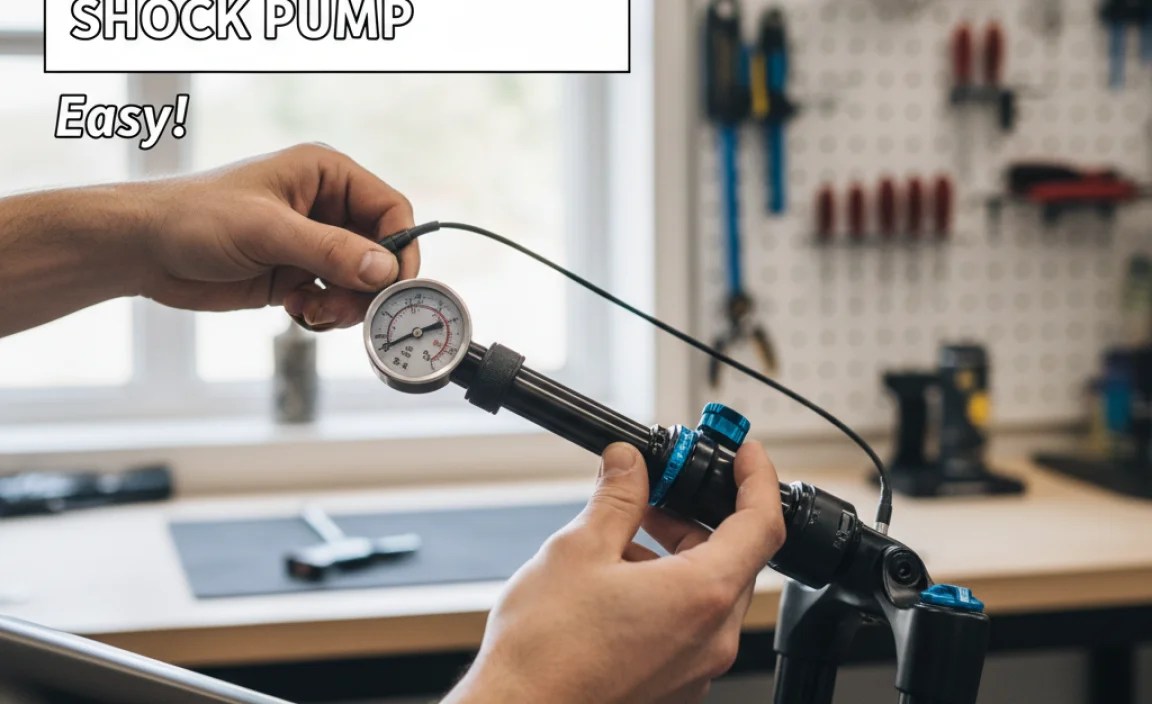
Now, let’s get to the main part. How do you actually use the shock pump? It’s like following a recipe. You need to do each step in the right order. First, find the valve on your suspension. It’s usually covered with a small cap. Remove the cap and keep it in a safe place. Next, attach the shock pump to the valve. Make sure it’s on tight. You don’t want any air to leak out. Now, start pumping. Watch the gauge on the pump. Stop when you reach the desired pressure. Finally, carefully remove the pump and replace the valve cap. That’s it! You’ve successfully used a shock pump.
- Remove the valve cap from your suspension.
- Attach the shock pump securely to the valve.
- Pump air into the suspension while watching the gauge.
- Stop pumping when you reach the desired pressure.
- Carefully remove the pump and replace the valve cap.
- Always double-check the pressure after removing the pump.
Think of attaching the shock pump as connecting a hose to a water faucet. You want it to be snug and secure. If it’s loose, water will leak out. The same thing happens with air. If the pump isn’t attached properly, air will leak out. This will make it hard to get the right pressure. When you’re pumping, watch the gauge closely. It’s like watching the speedometer in a car. You want to stay within the speed limit. The gauge tells you how much air you’re adding. This helps you avoid over-inflating or under-inflating your suspension. It’s all part of knowing how to use shock pump on remote lock-out suspension correctly.
How Do I Attach the Pump Correctly?
Attaching the pump correctly is super important. First, line up the pump’s nozzle with the valve on your suspension. Then, push the nozzle onto the valve. You should feel it click into place. Some pumps have a lever that you need to flip to lock the pump onto the valve. Make sure the pump is on tight. You shouldn’t be able to wiggle it around. If it’s loose, air will leak out. This will make it hard to get an accurate reading on the gauge. A secure connection ensures that all the air goes into the suspension.
How Do I Read the Gauge?
The gauge on your shock pump shows the air pressure in PSI. It’s like reading a clock. The needle points to a number. That number tells you the pressure. Some gauges have different colors or markings. These can help you see the recommended pressure range for your suspension. Pay attention to the units. Make sure you’re reading PSI and not some other unit. If you’re not sure how to read the gauge, check your pump’s manual. It will have instructions and diagrams.
What If Air Leaks Out When I Remove the Pump?
It’s normal for a tiny bit of air to leak out when you remove the pump. This is because the valve in the pump needs to close. However, if a lot of air leaks out, there might be a problem. Make sure the pump is attached tightly. Also, check the valve on your suspension. It might be damaged or dirty. If you’re still having problems, take your bike to a local bike shop. They can help you diagnose the issue. They can also repair or replace the valve if needed.
Fun Fact or Stat: Some shock pumps have a “no-loss” valve design. This means that no air escapes when you disconnect the pump!
Adjusting the Remote Lock-Out
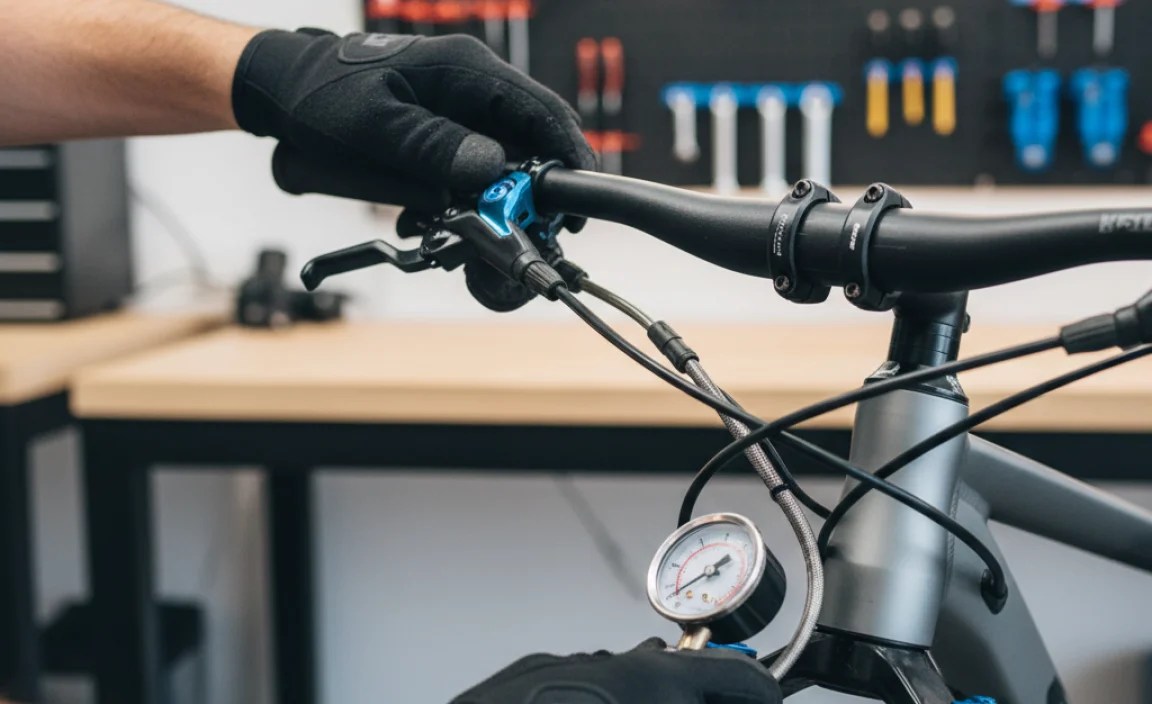
Now that you know how to use shock pump on remote lock-out suspension, let’s talk about the remote. The remote is what makes your suspension super cool. It lets you change the suspension settings while you’re riding. But how do you use it? It’s like using the gears on your bike. You need to know when to shift. On smooth roads, you can lock out the suspension. This makes the bike more efficient. On rough trails, you can unlock the suspension. This makes the ride smoother. Experiment with the remote to see what works best for you. Practice using it in different situations.
- Use the remote lock-out to adjust suspension on the fly.
- Lock out suspension on smooth roads for efficiency.
- Unlock suspension on rough trails for comfort and control.
- Practice using the remote in different riding conditions.
- Adjust the remote cable tension if it’s not working smoothly.
Think of the remote lock-out as a magic switch. It can change your bike from a smooth-riding machine to a bump-absorbing monster. When you’re climbing a hill, locking out the suspension can help you pedal more efficiently. It prevents the suspension from soaking up your energy. When you’re descending a rough trail, unlocking the suspension can help you stay in control. It allows the suspension to absorb the bumps and keep your tires on the ground. Learning how to use the remote effectively is like unlocking a new level of riding skill. It gives you more control and confidence on the trail. Remember, correct air pressure set with a shock pump is key to the remote lock-out working effectively.
When Should I Lock Out My Suspension?
You should lock out your suspension when you’re riding on smooth surfaces. This includes paved roads, bike paths, and smooth trails. Locking out the suspension makes the bike more efficient. It prevents the suspension from moving up and down. This wastes energy. When the suspension is locked out, all of your energy goes into moving the bike forward. It’s like turning off the squishiness of your bike. This helps you go faster and farther with less effort. It’s a great way to conserve energy on long rides.
When Should I Unlock My Suspension?
You should unlock your suspension when you’re riding on rough surfaces. This includes rocky trails, rooty trails, and bumpy roads. Unlocking the suspension allows it to absorb bumps and vibrations. This makes the ride more comfortable. It also gives you more control. The suspension keeps your tires on the ground. This helps you steer and brake effectively. It’s like having a built-in shock absorber for your bike. This helps you ride safely and confidently on challenging terrain.
How Do I Maintain the Remote Cable?
The remote cable connects the lever on your handlebars to the suspension. It’s important to keep the cable clean and lubricated. This will ensure that it works smoothly. Check the cable regularly for any signs of damage. Look for kinks, frays, or rust. If you see any damage, replace the cable. You can also adjust the cable tension. If the remote is not working properly, the cable might be too loose or too tight. Consult your bike’s manual for instructions on how to adjust the cable tension. A well-maintained cable ensures that your remote works reliably.
Fun Fact or Stat: Some remote lock-out systems use wireless technology instead of a cable. This eliminates the need for cable maintenance!
Troubleshooting Common Issues
Even with the best care, things can sometimes go wrong. Maybe your suspension feels too soft. Or maybe the remote isn’t working. Don’t worry! There are usually simple solutions. If your suspension feels too soft, add more air with your shock pump. If it feels too stiff, let out some air. If the remote isn’t working, check the cable. Make sure it’s connected properly. Also, make sure it’s not damaged. If you’re not sure what to do, take your bike to a local bike shop. They can help you diagnose the problem and find a solution. Remember, regular maintenance can prevent many problems from happening in the first place.
- Suspension feels too soft: Add more air with a shock pump.
- Suspension feels too stiff: Release some air with a shock pump.
- Remote not working: Check the cable and connections.
- Suspension leaking air: Inspect the valve and seals.
- Consult a bike shop for complex or persistent issues.
Think of your bike as a complex machine with many moving parts. Just like a car, it needs regular checkups and maintenance. If you notice something isn’t working right, don’t ignore it. Address the problem as soon as possible. This can prevent it from getting worse. A little bit of troubleshooting can save you a lot of time and money in the long run. Learning how to use shock pump on remote lock-out suspension and performing basic maintenance are essential skills for any cyclist. They help you keep your bike in top condition and enjoy a smooth, safe ride.
Why Is My Suspension Leaking Air?
If your suspension is leaking air, there are a few possible causes. The most common cause is a loose valve. Make sure the valve cap is tightened. Also, check the valve core. It might be loose. You can tighten it with a special tool called a valve core remover. Another possible cause is a damaged seal. The seals are rubber rings that prevent air from leaking out. If a seal is damaged, it will need to be replaced. Take your bike to a local bike shop. They can replace the seals for you.
Why Isn’t My Remote Working?
If your remote isn’t working, the first thing to check is the cable. Make sure the cable is connected properly to the remote lever and the suspension. Also, check the cable tension. If the cable is too loose or too tight, the remote won’t work properly. You can adjust the cable tension with the barrel adjuster on the remote lever. If the cable is damaged, it will need to be replaced. Take your bike to a local bike shop. They can replace the cable for you.
When Should I Take My Bike to a Shop?
You should take your bike to a shop when you’re not comfortable working on it yourself. Also, you should take your bike to a shop when you’re dealing with complex or persistent issues. This includes suspension leaks, remote problems, and any other issue that you can’t easily fix. A qualified bike mechanic has the tools and knowledge to diagnose and repair your bike. They can also perform routine maintenance to keep your bike in top condition. Don’t hesitate to seek professional help when you need it.
Fun Fact or Stat: Some bike shops offer suspension tuning services. They can customize your suspension to your specific weight and riding style!
Maintaining Your Suspension
Taking care of your suspension is like taking care of a pet. It needs regular attention and care. This will keep it healthy and happy. Clean your suspension regularly with a soft cloth. This will remove dirt and grime. Also, lubricate the moving parts with a special suspension lubricant. This will keep them working smoothly. Check the air pressure regularly. Adjust it as needed. Finally, inspect your suspension for any signs of damage. This includes cracks, leaks, and worn parts. Addressing problems early can prevent them from getting worse. Remember, a well-maintained suspension will last longer and perform better.
- Clean your suspension regularly with a soft cloth.
- Lubricate moving parts with suspension lubricant.
- Check and adjust air pressure regularly.
- Inspect for cracks, leaks, and worn parts.
- Follow manufacturer’s recommendations for service intervals.
Think of your suspension as a valuable investment. It’s an important part of your bike. It affects your comfort, control, and performance. By taking good care of it, you’re protecting your investment. Regular maintenance can prevent costly repairs. It can also extend the life of your suspension. A little bit of effort goes a long way. Learning how to use shock pump on remote lock-out suspension and performing routine maintenance are essential for keeping your bike in top condition. They ensure that you can enjoy your rides for years to come. Here’s a quick guide:
| Maintenance Task | Frequency | Description |
|---|---|---|
| Cleaning | After every ride | Wipe down the suspension components with a clean, soft cloth to remove dirt and grime. |
| Lubrication | Monthly | Apply a small amount of suspension-specific lubricant to the stanchions and seals. |
| Air Pressure Check | Before every ride | Check the air pressure using a shock pump and adjust as needed based on your weight and riding conditions. |
| Inspection | Monthly | Look for any signs of damage, such as cracks, leaks, or worn parts. |
| Service | Annually | Take your bike to a professional mechanic for a complete suspension service, including oil changes and seal replacements. |
What Kind of Lubricant Should I Use?
You should use a special suspension lubricant. This lubricant is designed to work with the materials used in your suspension. It’s also designed to resist water and dirt. Don’t use a general-purpose lubricant. It might damage your suspension. You can find suspension lubricant at most bike shops. Look for a lubricant that’s specifically designed for suspension forks and shocks. Follow the instructions on the lubricant container. Apply a small amount of lubricant to the stanchions and seals. This will keep them working smoothly.
How Often Should I Service My Suspension?
You should service your suspension at least once a year. This will keep it in top condition. Servicing involves cleaning, lubricating, and inspecting the suspension. It also involves replacing the oil and seals. This is a more complex task. It’s best to take your bike to a local bike shop for servicing. A qualified bike mechanic has the tools and knowledge to perform a complete suspension service. They can also identify and address any potential problems. Regular servicing ensures that your suspension performs optimally and lasts longer.
What Are the Signs of a Worn Suspension?
There are several signs that your suspension might be worn. These include: excessive play or movement, strange noises, leaks, and a loss of performance. If you notice any of these signs, take your bike to a local bike shop. A qualified bike mechanic can inspect your suspension and determine if it needs to be repaired or replaced. Ignoring the signs of a worn suspension can lead to more serious problems. It can also compromise your safety. Addressing problems early can prevent them from getting worse.
Fun Fact or Stat: Some professional mountain bikers service their suspension after every race! This ensures that their suspension is always performing at its best.
Summary
Learning how to use shock pump on remote lock-out suspension is an important skill for any cyclist. It allows you to adjust your suspension to your weight and riding style. It also helps you maintain your suspension and keep it in top condition. A shock pump is a special pump that’s designed to add air to your suspension. It has a gauge that shows the air pressure. This helps you add the right amount of air. The remote lock-out lets you change the suspension settings while you’re riding. This is super useful when going from smooth roads to rough trails. Regular maintenance is essential for keeping your suspension working properly. This includes cleaning, lubricating, and inspecting the suspension.
By following these tips, you can keep your suspension in top condition and enjoy a smooth, safe ride. Remember to always consult your bike’s manual for specific instructions and recommendations. If you’re not comfortable working on your suspension yourself, take your bike to a local bike shop. A qualified bike mechanic can help you diagnose and repair any problems. With a little bit of knowledge and effort, you can keep your suspension working like new for years to come.
Conclusion
Understanding how to use shock pump on remote lock-out suspension can make a big difference in your riding experience. It helps you fine-tune your bike for different terrains. You can adjust the air pressure for comfort and control. A well-maintained suspension improves performance. It also extends the life of your bike. So grab your shock pump, follow the steps, and enjoy the ride!
Frequently Asked Questions
Question No 1: What is the main purpose of a shock pump?
Answer: A shock pump is a specialized tool designed to inflate the air chambers in your bike’s suspension system, including forks and shocks. Unlike a regular tire pump, a shock pump delivers a much smaller volume of air at a higher pressure. This allows for precise adjustments to the suspension’s stiffness and responsiveness. It is equipped with a gauge that displays the air pressure in PSI (pounds per square inch), enabling you to accurately match the pressure to your weight, riding style, and the terrain you’ll be encountering. Using a shock pump helps optimize your bike’s suspension performance, ensuring a smoother and more controlled ride, especially over rough or uneven surfaces.
Question No 2: How often should I check and adjust the air pressure in my suspension?
Answer: You should aim to check the air pressure in your suspension components before each ride, especially if you are a frequent rider or are planning a particularly challenging ride. Air pressure can gradually decrease over time due to minor leaks or changes in temperature. Checking it regularly ensures that your suspension is properly inflated for optimal performance and comfort. Adjust the pressure as needed based on your weight, riding style, and the type of terrain you’ll be riding on. Refer to your bike’s manual or the manufacturer’s guidelines for recommended pressure ranges. Consistent monitoring and adjustment of your suspension’s air pressure will help maintain a smooth, controlled, and enjoyable riding experience.
Question No 3: What happens if I over-inflate or under-inflate my suspension?
Answer: Over-inflating or under-inflating your suspension can negatively affect your riding experience and potentially damage your bike’s components. Over-inflation makes the suspension too stiff, reducing its ability to absorb bumps and vibrations. This results in a harsh and uncomfortable ride, as well as decreased traction and control. On the other hand, under-inflation allows the suspension to compress too easily, causing it to bottom out on even small bumps. This can lead to a bouncy and unstable ride, as well as potential damage to the suspension system. It’s crucial to use a shock pump to achieve the correct air pressure, ensuring a balanced and controlled ride that maximizes comfort and performance while minimizing the risk of damage.
Question No 4: Can I use any shock pump for my remote lock-out suspension?
Answer: While most shock pumps are designed to be compatible with a wide range of suspension systems, it’s essential to ensure that the pump you’re using is specifically designed for air suspension. Some older or lower-quality pumps may not provide accurate pressure readings or may have difficulty connecting to the valve on your suspension. Always check the pump’s specifications and compatibility before using it on your remote lock-out suspension. If you’re unsure, consult your bike’s manual or a qualified bike mechanic for guidance. Using the correct shock pump will ensure accurate pressure adjustments and prevent damage to your suspension system.
Question No 5: How do I know the correct air pressure for my weight and riding style when learning how to use shock pump on remote lock-out suspension?
Answer: Determining the correct air pressure for your weight and riding style involves a combination of consulting your bike’s manual, experimenting with different pressures, and observing how your suspension performs on the trail. Start by referring to the manufacturer’s recommendations in your bike’s manual. They often provide a chart or guideline that correlates your weight to a recommended pressure range. From there, fine-tune the pressure based on your riding style. If you prefer a firmer ride for smoother terrain, you might increase the pressure slightly. If you prefer a more plush ride for rougher terrain, you might decrease the pressure slightly. After making adjustments, take your bike for a test ride and observe how the suspension responds to different bumps and obstacles. Continue experimenting until you find a pressure that provides a balance of comfort, control, and efficiency.
Question No 6: What are some signs that my suspension needs professional servicing?
Answer: Several signs indicate that your suspension needs professional servicing. These include: excessive noise (such as squeaking or creaking), noticeable leaks of oil or air, a significant decrease in suspension performance (such as bottoming out easily or feeling excessively stiff), and visible damage to the suspension components (such as cracks or dents). If you notice any of these signs, it’s best to take your bike to a qualified bike mechanic for inspection and servicing. Attempting to repair or service your suspension yourself without the proper tools and knowledge can potentially cause further damage and compromise your safety. Regular professional servicing will ensure that your suspension performs optimally and lasts longer.


