
How to Get Your Suspension Dialled Using a Shock Pump: Easy!

Have you ever felt like your bike ride was too bumpy? Do you want to glide over rocks and roots? Learning how to get your suspension dialled using a shock pump can help! It makes your ride smoother and more fun. Let’s explore how to do it.
Your bike’s suspension is like a superhero. It soaks up bumps. This keeps you comfortable. A shock pump is a special tool. It adds air to your suspension. This helps you adjust it just right.
Imagine your bike is a bouncy castle. Too little air, and you sink. Too much air, and you bounce too high. Getting the right amount of air is key! It will make your ride amazing.
Key Takeaways
- Using a shock pump helps you fine-tune your bike’s suspension.
- Proper suspension setup improves comfort and control on trails.
- Set your sag correctly for optimal suspension performance.
- Adjust rebound damping to control how quickly your suspension bounces back.
- Regularly check and adjust your suspension with a shock pump.
How To Use a Shock Pump Correctly

A shock pump is a special air pump. It’s made for bike suspension. It lets you add or remove air. This changes how your suspension feels. Using it right is super important. You don’t want to damage your suspension. First, find the valve on your fork or shock. It looks like a car tire valve, but smaller. Unscrew the cap. Then, attach the shock pump. Make sure it’s on tight. Now, slowly add air. Watch the pressure gauge. Add air until you reach the right pressure. This pressure depends on your weight and bike. Check your bike’s manual. It will tell you the right pressure. After adding air, remove the pump. Be careful. Some air might escape. It’s okay if a little comes out. Screw the valve cap back on. Now, your suspension is ready!
- Find the valve on your bike’s suspension.
- Screw on the shock pump tightly.
- Slowly add air while watching the gauge.
- Remove the pump carefully after reaching the correct pressure.
- Replace the valve cap to protect it.
It is important to check your suspension regularly. The air pressure can change over time. Temperature changes can affect it. Riding hard can also affect it. Check the pressure before each ride. This helps keep your suspension working well. If you notice your suspension feels different, adjust it. Use your shock pump to add or remove air. This will keep your ride smooth and fun. Remember, a well-tuned suspension makes a big difference. It helps you ride better and enjoy the trails more. Take your time and get it right!
Fun Fact or Stat: Professional mountain bikers often adjust their suspension multiple times during a single race to adapt to changing course conditions!
Why is a Shock Pump Needed?
Have you ever wondered why you can’t use a regular tire pump for your suspension? A regular pump pushes a lot of air at once. This can be too much for the small suspension chamber. A shock pump is different. It pushes a small amount of air. This lets you make tiny adjustments. These adjustments are important. They help you dial in your suspension perfectly. Also, shock pumps have special valves. These valves prevent air loss when you remove the pump. This keeps your pressure accurate. Using the right tool makes a big difference. It helps you avoid damaging your suspension. It also makes it easier to get the perfect setup for your ride.
What is the Correct PSI?
Finding the correct PSI (pounds per square inch) for your suspension is like finding the perfect recipe. It depends on a few things. Your weight is a big factor. Heavier riders need more air pressure. Lighter riders need less. Your bike’s suspension design also matters. Some bikes need higher pressure than others. Check your bike’s manual. It will give you a starting point. Most suspension forks and shocks have a sticker. This sticker shows recommended pressure ranges. Start with the recommended pressure. Then, adjust it based on how your bike feels. Go for a short ride. See if the suspension feels too soft or too firm. Add or remove air as needed. Keep making small adjustments until it feels just right.
How Often Should I Check PSI?
Imagine your bike’s suspension is like a balloon. Over time, it can lose a little air. That’s why you need to check it regularly. How often should you check? A good rule is to check before each ride. This only takes a few minutes. It ensures your suspension is ready to go. Temperature changes can also affect air pressure. On a hot day, the pressure might increase. On a cold day, it might decrease. Checking regularly helps you keep your suspension consistent. If you ride often, check it more. If you only ride once a week, checking before each ride is still a good idea. A little check can make a big difference in your ride quality.
Understanding Suspension Sag and How It Works

Sag is how much your suspension compresses when you sit on your bike. Setting the right sag is super important. It helps your suspension work well. Too little sag, and your bike will feel harsh. Too much sag, and your bike will bottom out easily. To measure sag, you’ll need a friend. First, put on your riding gear. Then, stand next to your bike. Have your friend measure the distance from the seal to a point on the stanchion. Now, sit on your bike in your normal riding position. Have your friend measure the distance again. The difference between the two measurements is your sag. Most bikes need around 20-30% sag. Check your bike’s manual for the recommended sag. Adjust the air pressure in your suspension to get the right sag. Use your shock pump to add or remove air.
- Sag is how much your suspension compresses.
- Correct sag improves suspension performance.
- Measure sag with a friend’s help.
- Adjust air pressure to achieve the correct sag.
- Check your bike’s manual for sag recommendations.
Getting the right sag can take some practice. Don’t be afraid to experiment. Try different air pressures. See how they affect your ride. Pay attention to how your bike feels on the trail. Does it feel smooth and controlled? Or does it feel harsh and bouncy? Adjusting sag is an important part of how to get your suspension dialled using a shock pump. Once you find the right sag, your bike will feel much better. You’ll have more control. You’ll also be more comfortable. This will make your rides more fun. So, take the time to get it right!
Fun Fact or Stat: The concept of “sag” in suspension setup comes from motorcycle racing, where precise suspension tuning is critical for performance!
What Happens If Sag is Too Low?
Imagine your bike’s suspension is like a spring. If the sag is too low, the spring is too tight. This means your suspension won’t compress easily. Your ride will feel harsh and bumpy. You’ll feel every little bump on the trail. This can be uncomfortable. It can also make it harder to control your bike. Your tires might lose traction more easily. This can make it harder to corner and climb. Low sag can also put more stress on your suspension components. This can lead to premature wear and tear. So, it’s important to make sure your sag is not too low. Use your shock pump to adjust the air pressure. Add air to increase the sag. Aim for the recommended sag for your bike and riding style.
What Happens If Sag is Too High?
If the sag is too high, your suspension will compress too much. This means your bike will sit lower in its travel. It might feel like you’re sinking into the suspension. This can make it harder to pedal efficiently. You might also experience “bottoming out.” This is when your suspension compresses all the way. It can feel harsh and jarring. High sag can also affect your bike’s geometry. It can make the steering feel sluggish. Your bike might not handle as well. So, it’s important to avoid too much sag. Use your shock pump to remove air. This will decrease the sag. Aim for the recommended sag for your bike and riding style.
How Does Rider Weight Affect Sag?
Your weight has a big impact on sag. If you’re heavier, you’ll need more air pressure. This will prevent the suspension from compressing too much. If you’re lighter, you’ll need less air pressure. This will allow the suspension to compress properly. Imagine two people sitting on the same chair. The heavier person will compress the cushion more. The same is true for your bike’s suspension. That’s why it’s important to adjust the air pressure based on your weight. Use your shock pump to add or remove air. Check the sag after each adjustment. Keep adjusting until you reach the recommended sag. This will ensure your suspension works well for your weight.
How To Adjust Rebound Damping Like a Pro

Rebound damping controls how fast your suspension bounces back. After it compresses from a bump. Think of it like a spring with a brake. The brake controls how quickly the spring returns. Too little rebound damping, and your suspension will bounce back too fast. This can feel like a pogo stick. Too much rebound damping, and your suspension will pack up. This means it won’t return fast enough. It will feel harsh and unresponsive. Most suspension forks and shocks have a rebound adjustment knob. It’s usually red. Turning the knob changes the amount of damping. Start with the knob in the middle. Then, go for a ride. Pay attention to how your suspension feels. Adjust the knob one click at a time. Keep adjusting until your suspension feels smooth and controlled.
- Rebound damping controls suspension bounce back.
- Too little rebound causes a pogo stick feel.
- Too much rebound causes packing up.
- Adjust the rebound knob one click at a time.
- Aim for a smooth and controlled feel.
Adjusting rebound damping is an important part of how to get your suspension dialled using a shock pump. It can make a big difference in your bike’s handling. Experiment with different settings. See what works best for you. The right rebound setting depends on the terrain. On smooth trails, you might want less damping. This will make your suspension feel more lively. On rough trails, you might want more damping. This will keep your suspension more controlled. Pay attention to how your bike feels. Keep making small adjustments. Soon, you’ll find the perfect rebound setting for your riding style and terrain.
Fun Fact or Stat: Some high-end suspension systems use position-sensitive damping, which adjusts rebound based on how far the suspension is compressed!
What Happens With Too Little Rebound?
Imagine bouncing a basketball. If you don’t control the bounce, it goes wild. Too little rebound damping is like that. Your suspension bounces back too quickly. This can cause a pogo stick effect. Your bike will feel unstable. It will be hard to control. You might lose traction on rough terrain. This can make it harder to corner and climb. Too little rebound can also be dangerous. It can cause you to lose control of your bike. So, it’s important to add enough rebound damping. Turn the rebound knob towards the “slow” setting. This will slow down the bounce. Test your bike on a familiar trail. Keep adjusting until it feels stable and controlled.
What Happens With Too Much Rebound?
Too much rebound damping is like trying to catch a ball in slow motion. Your suspension can’t return fast enough. This is called packing up. Your suspension compresses on each bump. But it doesn’t have time to fully extend before the next bump. This makes your ride feel harsh and jarring. You’ll lose travel. Your suspension won’t be able to absorb big hits. Too much rebound can also make it harder to maintain speed. Your bike will feel sluggish. It won’t respond quickly to changes in terrain. So, it’s important to avoid too much rebound damping. Turn the rebound knob towards the “fast” setting. This will speed up the bounce. Test your bike on a familiar trail. Keep adjusting until it feels smooth and responsive.
How Does Terrain Affect Rebound Settings?
The type of terrain you’re riding on affects your rebound settings. On smooth trails, you can run less rebound damping. This will make your suspension feel more lively and responsive. It will help you maintain speed. On rough trails, you’ll need more rebound damping. This will keep your suspension controlled. It will prevent it from bouncing around. Think about riding over rocks and roots. You want your suspension to absorb each bump. But you don’t want it to bounce you off course. Adjust your rebound damping based on the terrain. Experiment with different settings. See what works best for you. A little adjustment can make a big difference in your ride quality.
Fine-Tuning Compression Damping Explained
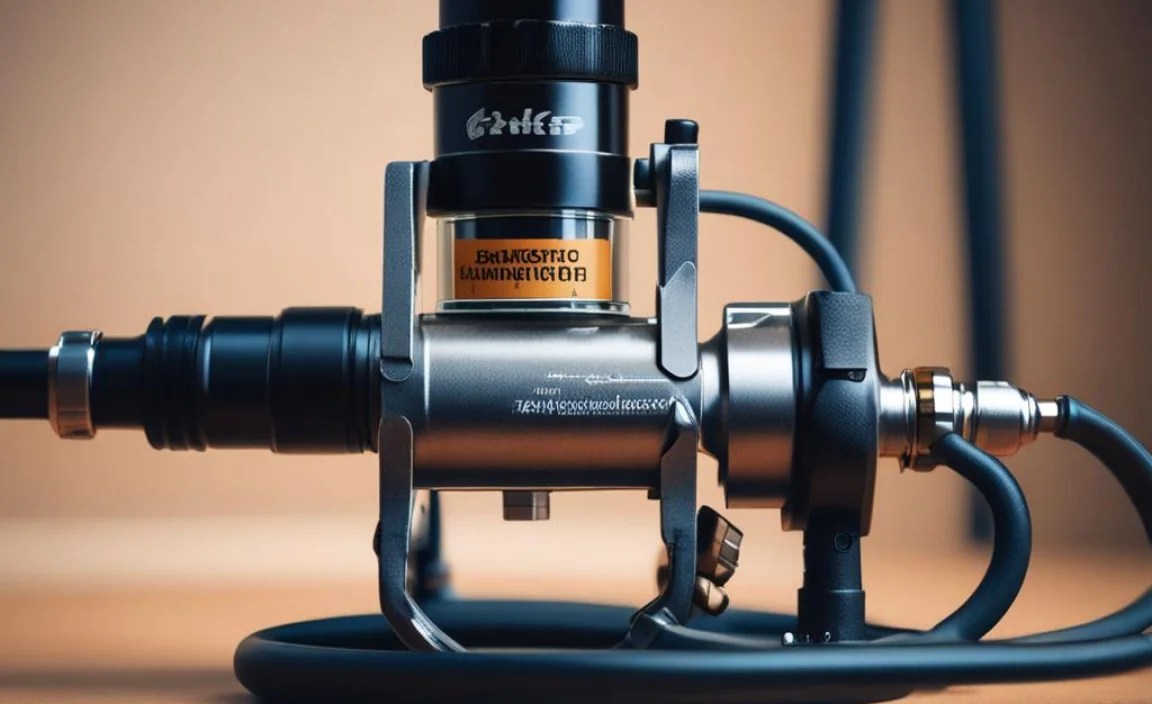
Compression damping controls how hard it is to compress your suspension. It’s like a valve that controls oil flow inside your fork or shock. More compression damping means it’s harder to compress. Less compression damping means it’s easier. Some forks and shocks have adjustable compression damping. This lets you fine-tune how your suspension feels. Low-speed compression affects how your suspension feels on small bumps. High-speed compression affects how it feels on big hits. Too much compression damping can make your ride harsh. Too little can make it feel wallowy. Adjust compression damping to match your riding style and the terrain.
- Compression damping controls suspension compression.
- Low-speed affects small bumps.
- High-speed affects big hits.
- Adjust to match your riding style.
- Too much can make the ride harsh.
Learning how to get your suspension dialled using a shock pump also involves understanding compression damping. Compression damping is more advanced than sag or rebound. It’s not always necessary to adjust it. But if you want to fine-tune your suspension, it can help. Start with the recommended settings in your bike’s manual. Then, experiment with small adjustments. Pay attention to how your bike feels on different types of terrain. If you’re not sure where to start, leave the compression damping in the middle setting. Focus on getting your sag and rebound dialed in first. Then, you can experiment with compression damping later. It can make a subtle but noticeable difference in your ride quality.
Fun Fact or Stat: Some downhill bikes have separate high- and low-speed compression adjustments, allowing for incredibly precise control!
What is Low-Speed Compression?
Low-speed compression damping controls how your suspension reacts to slow movements. Think about rolling over small bumps or pedaling hard. These actions cause slow suspension movements. Low-speed compression helps control these movements. Too much low-speed compression can make your ride harsh. It can prevent your suspension from absorbing small bumps. Too little low-speed compression can make your bike feel wallowy. It can cause it to bob when you pedal. Adjust low-speed compression to find a balance. You want your suspension to absorb small bumps. But you don’t want it to feel too soft. Experiment with different settings to see what works best for you.
What is High-Speed Compression?
High-speed compression damping controls how your suspension reacts to fast movements. Think about hitting a big jump or a sharp rock. These actions cause fast suspension movements. High-speed compression helps control these movements. Too much high-speed compression can make your ride harsh. It can prevent your suspension from absorbing big hits. Too little high-speed compression can cause your suspension to bottom out. This is when it compresses all the way. Adjust high-speed compression to find a balance. You want your suspension to absorb big hits. But you don’t want it to bottom out too easily. Experiment with different settings to see what works best for you.
How Do I Adjust Compression Damping?
Adjusting compression damping can seem tricky. But it’s easier than you think. Most forks and shocks have a compression adjustment knob. This knob controls the amount of compression damping. Turn the knob clockwise to increase compression damping. Turn it counterclockwise to decrease compression damping. Start with the knob in the middle position. Then, go for a ride on a familiar trail. Pay attention to how your suspension feels. If it feels too harsh, decrease the compression damping. If it feels too wallowy, increase the compression damping. Make small adjustments one click at a time. Keep adjusting until your suspension feels smooth and controlled. Remember, it takes time to dial in your suspension. Don’t be afraid to experiment.
Troubleshooting Common Suspension Problems
Sometimes, your suspension might not feel right. You might notice it’s too soft or too harsh. Maybe it’s making strange noises. These are common suspension problems. One problem is air leaking from your suspension. This can cause it to feel soft. Check the valves to make sure they’re tight. Another problem is sticky suspension. This means it’s not moving smoothly. Clean your suspension stanchions. Use a special suspension lubricant. If your suspension is making noises, it could be a sign of a bigger problem. Take it to a bike shop for service. Regular maintenance can prevent many suspension problems. Keep your suspension clean and lubricated. Check the air pressure regularly. This will keep it working well.
- Air leaks cause soft suspension.
- Sticky suspension needs cleaning and lube.
- Strange noises can signal bigger issues.
- Regular maintenance prevents problems.
- Check air pressure often.
Knowing how to get your suspension dialled using a shock pump also means knowing how to fix problems. If you notice any issues, don’t ignore them. Address them quickly. Small problems can become big problems if you wait. If you’re not comfortable working on your suspension, take it to a professional. A good bike mechanic can diagnose and fix most suspension problems. They can also help you set up your suspension correctly. This will make your bike ride better. It will also help you stay safe on the trails. So, take care of your suspension. It’s an important part of your bike.
Fun Fact or Stat: Suspension fluid degrades over time, so it’s recommended to have your suspension serviced annually to maintain optimal performance!
Why is My Suspension Leaking Air?
Air leaks are a common suspension problem. They can cause your suspension to feel soft and mushy. There are several reasons why your suspension might be leaking air. One reason is a faulty valve. The valve might not be sealing properly. This allows air to escape. Another reason is a damaged seal. The seals keep the air inside the suspension. If they’re damaged, they can leak. A loose valve core can also cause leaks. Make sure the valve core is tightened properly. To fix an air leak, first check the valve. Tighten it if it’s loose. If the valve is damaged, replace it. If the seals are damaged, you’ll need to rebuild the suspension. This is best done by a professional.
Why is My Suspension Feeling Sticky?
Sticky suspension means your suspension isn’t moving smoothly. It might feel like it’s binding or sticking. This can be caused by dirt and grime. Dirt can get inside the suspension seals. This can cause friction. Lack of lubrication can also cause stickiness. The suspension needs to be properly lubricated to move smoothly. To fix sticky suspension, start by cleaning the stanchions. Use a clean cloth and some isopropyl alcohol. Then, apply a special suspension lubricant. This will help the suspension move more freely. If the problem persists, you might need to have the suspension serviced. The seals might need to be replaced.
Why is My Suspension Making Noises?
Strange noises from your suspension can be a sign of a problem. Clicking noises can be caused by loose bolts. Check all the bolts on your suspension. Make sure they’re tightened to the correct torque. Creaking noises can be caused by dry bushings. The bushings are the parts that allow the suspension to move. Lubricate the bushings with a special suspension grease. If you hear a squishing noise, it could be a sign of air in the oil. This means the suspension needs to be bled. This is a process of removing the air from the oil. If you’re not sure what’s causing the noise, take your suspension to a bike shop. A mechanic can diagnose the problem and fix it.
Choosing The Right Shock Pump for Your Needs
Not all shock pumps are the same. Some are better than others. When choosing a shock pump, consider a few things. Look for a pump with a precise gauge. This will help you get the right pressure. A pump with a swivel head is also helpful. This makes it easier to attach to the valve. Some pumps have a bleed valve. This lets you release small amounts of air. This is useful for fine-tuning your pressure. Also, consider the pump’s size. A smaller pump is easier to carry. But a larger pump might be easier to use. Read reviews before buying a shock pump. See what other riders think. Choose a pump that meets your needs and budget.
| Feature | Importance | Benefit |
|---|---|---|
| Precise Gauge | High | Accurate pressure readings |
| Swivel Head | Medium | Easy valve access |
| Bleed Valve | Medium | Fine-tune pressure adjustments |
| Compact Size | Low | Easy to carry on rides |
Using the right shock pump is essential to how to get your suspension dialled using a shock pump. A good shock pump makes the job easier and more accurate. It also helps prevent damage to your suspension. A cheap pump might not be accurate. It could damage the valve. Investing in a quality shock pump is worth it. It will last longer. It will also give you better results. Take care of your shock pump. Keep it clean and dry. This will help it last longer. A good shock pump is an important tool for any serious mountain biker.
Fun Fact or Stat: Some digital shock pumps can store pressure readings, making it easier to replicate your favorite suspension settings!
What Features Should I Look For?
When shopping for a shock pump, look for certain features. A precise gauge is a must-have. This will help you get the right pressure. A swivel head is also important. It makes it easier to attach the pump to the valve. A bleed valve is useful for fine-tuning. It lets you release small amounts of air. A comfortable handle is also important. It will make pumping easier. A durable construction is a must. You want a pump that will last. Read reviews before buying a pump. See what other riders recommend. Choose a pump that has the features you need.
How Much Should I Spend on a Pump?
Shock pump prices vary. You can find cheap pumps for under $30. But these might not be very accurate or durable. Mid-range pumps cost between $30 and $60. These pumps usually have better features and construction. High-end pumps can cost over $60. These pumps are the most accurate and durable. They often have extra features. Consider your budget and needs. If you’re serious about suspension setup, invest in a good pump. It will be worth it in the long run. A good pump will last longer. It will also give you better results.
How Do I Maintain My Shock Pump?
To keep your shock pump working well, maintain it properly. Keep it clean and dry. Wipe it down after each use. Store it in a safe place. This will prevent damage. Check the hose for cracks or leaks. Replace the hose if needed. Lubricate the pump mechanism occasionally. Use a light oil. This will keep it working smoothly. If the gauge stops working, replace the pump. A broken gauge is useless. With proper care, your shock pump will last for years.
Summary
Learning how to get your suspension dialled using a shock pump is essential for a smooth and controlled ride. A shock pump allows you to adjust the air pressure in your suspension. This affects how it performs. You need to understand sag. Sag is how much your suspension compresses when you sit on the bike. You also need to understand rebound damping. Rebound damping controls how fast your suspension bounces back. With the right tools and knowledge, you can fine-tune your suspension. This will make your bike ride better than ever. Always check your bike’s manual for specific recommendations. Experiment with different settings. See what works best for you. Take your time. It will make a big difference.
Conclusion
Adjusting your bike’s suspension can seem tricky at first. But it’s worth the effort. A well-tuned suspension makes a huge difference. It improves your comfort and control. It also makes your rides more fun. Remember to start with the basics. Set your sag correctly. Adjust your rebound damping. Fine-tune your compression damping. Use a good shock pump to make accurate adjustments. With practice, you’ll become a suspension expert. You’ll be able to dial in your suspension. You’ll enjoy a smoother, faster, and more confident ride. Learning how to get your suspension dialled using a shock pump is a skill that will improve every ride.
Frequently Asked Questions
Question No 1: What is a shock pump used for?
Answer: A shock pump is a special air pump. It is designed to adjust the air pressure in your bike’s suspension fork and shock. Unlike regular tire pumps, shock pumps deliver small amounts of air at high pressure. This allows you to make precise adjustments. This is critical for fine-tuning your suspension. You can use it to achieve the correct sag. You can also use it to optimize the suspension for different riding conditions. The gauge on the pump helps you see the exact pressure. This ensures accurate setup. A shock pump is an essential tool. It will help you get the most out of your suspension.
Question No 2: How often should I check my suspension pressure?
Answer: Checking your suspension pressure regularly is a good habit. It ensures your suspension is always working properly. A good rule is to check before each ride. This only takes a few minutes. It helps you identify any leaks or pressure changes. Temperature can affect air pressure. Cold weather lowers pressure. Hot weather increases it. If you ride frequently, check it more often. If you notice a change in your bike’s handling, check the pressure. Keeping your suspension at the correct pressure will improve performance. It will also increase your comfort and control. Use your shock pump to make adjustments as needed.
Question No 3: How do I know what pressure to put in my suspension?
Answer: Finding the right pressure for your suspension is important. It depends on a few factors. Your weight is a big one. Your bike’s suspension design also matters. Check your bike’s manual. It provides recommended pressure ranges. Most forks and shocks have a sticker. This sticker also shows recommended pressures. Start with the recommended pressure. Then, adjust it based on how your bike feels. Go for a short ride. See if the suspension feels too soft or too firm. Add or remove air using your shock pump as needed. Keep making small adjustments until it feels just right.
Question No 4: What is sag and why is it important?
Answer: Sag is how much your suspension compresses when you sit on your bike. Setting the right sag is crucial. It ensures your suspension works properly. Too little sag, and your bike will feel harsh. Too much sag, and your bike will bottom out easily. To measure sag, you’ll need a friend. First, put on your riding gear. Then, stand next to your bike. Have your friend measure the distance from the seal to a point on the stanchion. Now, sit on your bike in your normal riding position. Have your friend measure the distance again. The difference between the two measurements is your sag. Adjust the air pressure with a shock pump. This will help you achieve the correct sag.
Question No 5: Can I use a regular tire pump on my suspension?
Answer: No, you should not use a regular tire pump on your suspension. Regular tire pumps deliver a large volume of air. This makes it difficult to make small, precise adjustments. Shock pumps are designed to deliver small amounts of air at high pressure. This allows for fine-tuning. Also, shock pumps have a special valve. This valve prevents air loss when you remove the pump. This keeps your pressure accurate. Using a regular tire pump can damage your suspension. It can also make it hard to get the right pressure. Always use a shock pump for your suspension.
Question No 6: What do I do if my suspension is leaking air?
Answer: If your suspension is leaking air, there are a few things you can check. First, make sure the valve core is tight. Use a valve core tool to tighten it. Next, check the valve for damage. If the valve is damaged, replace it. Check the seals for cracks or wear. If the seals are damaged, you’ll need to rebuild the suspension. You may need to take it to a professional. Use your shock pump to add air after fixing the leak. This will restore the correct pressure. Regular maintenance can help prevent air leaks.


