
What Does Cycles Mean on a Motif Breast Pump? Secret REVEALED!

Quick Summary: On a Motif breast pump, “cycles” refers to the number of times the pump completes a suction and release action per minute. Higher cycles can mimic a baby’s natural nursing pattern, potentially stimulating milk production. Adjusting the cycle settings allows you to customize the pump’s speed and intensity to find the most comfortable and effective expression for your body.
Are you staring at your Motif breast pump, wondering what “cycles” really means? It’s a common question! Understanding this setting is key to getting the most out of your pump and making breastfeeding easier. Many moms find the array of settings confusing at first. But don’t worry; we’ll break it down step-by-step, so you can confidently adjust your pump for optimal comfort and milk flow. Let’s dive in and unlock the secrets of your Motif pump!
Understanding Cycles on Your Motif Breast Pump

The “cycles” setting on your Motif breast pump determines how many times the pump completes a full suction and release action in one minute. Think of it as the pump’s “speed.” Adjusting this setting can significantly impact your comfort and milk output.
Why Cycles Matter
Cycles mimic a baby’s natural sucking pattern. Babies don’t just suck constantly; they use short, rapid sucks to stimulate let-down and then switch to longer, deeper sucks to draw out milk. By adjusting the cycles on your pump, you can replicate this natural process.
The Relationship Between Cycles and Suction
Cycles work hand-in-hand with the suction level (measured in mmHg or millimeters of mercury). While cycles control the speed, suction controls the strength of each pull. Finding the right balance between these two is crucial.
Motif Pump Modes: Expression and Stimulation

Motif breast pumps typically offer two main modes: Stimulation and Expression.
- Stimulation Mode: This mode uses faster cycles and lower suction to mimic a baby’s initial rapid sucking, encouraging milk let-down.
- Expression Mode: This mode uses slower cycles and higher suction to efficiently draw out milk once let-down has occurred.
How Cycles Differ in Each Mode
Let’s look at how cycles typically function in each mode:
- Stimulation Mode: Usually features higher cycle speeds (e.g., 70-80 cycles per minute) to stimulate milk flow.
- Expression Mode: Usually features lower cycle speeds (e.g., 40-60 cycles per minute) to efficiently extract milk.
Step-by-Step Guide to Adjusting Cycles on Your Motif Pump

Here’s how to adjust the cycle settings on your Motif breast pump:
- Start in Stimulation Mode: Begin your pumping session in stimulation mode to trigger let-down.
- Observe Your Body: Pay attention to how your breasts feel. Look for signs of let-down, such as tingling or milk dripping from your nipple.
- Adjust Cycle Speed: If your pump allows manual cycle adjustment in stimulation mode, experiment with slightly increasing or decreasing the speed. The goal is to find a speed that feels comfortable and effective for stimulating milk flow.
- Switch to Expression Mode: Once you experience let-down, switch to expression mode.
- Fine-Tune Cycle Speed and Suction: In expression mode, you’ll typically have more control over both cycle speed and suction strength. Start with a moderate cycle speed and suction level.
- Increase Suction Gradually: Slowly increase the suction level until you find the highest comfortable setting. Discomfort is a sign to reduce the suction.
- Adjust Cycle Speed for Comfort and Output: Experiment with slightly increasing or decreasing the cycle speed to see what maximizes your milk output without causing pain.
- Monitor Milk Flow: Keep an eye on your milk output. If the flow slows down, you might need to adjust the cycle speed or suction level.
- Record Your Settings: Once you find a combination of cycle speed and suction that works well for you, make a note of it for future sessions.
Troubleshooting Cycle Settings
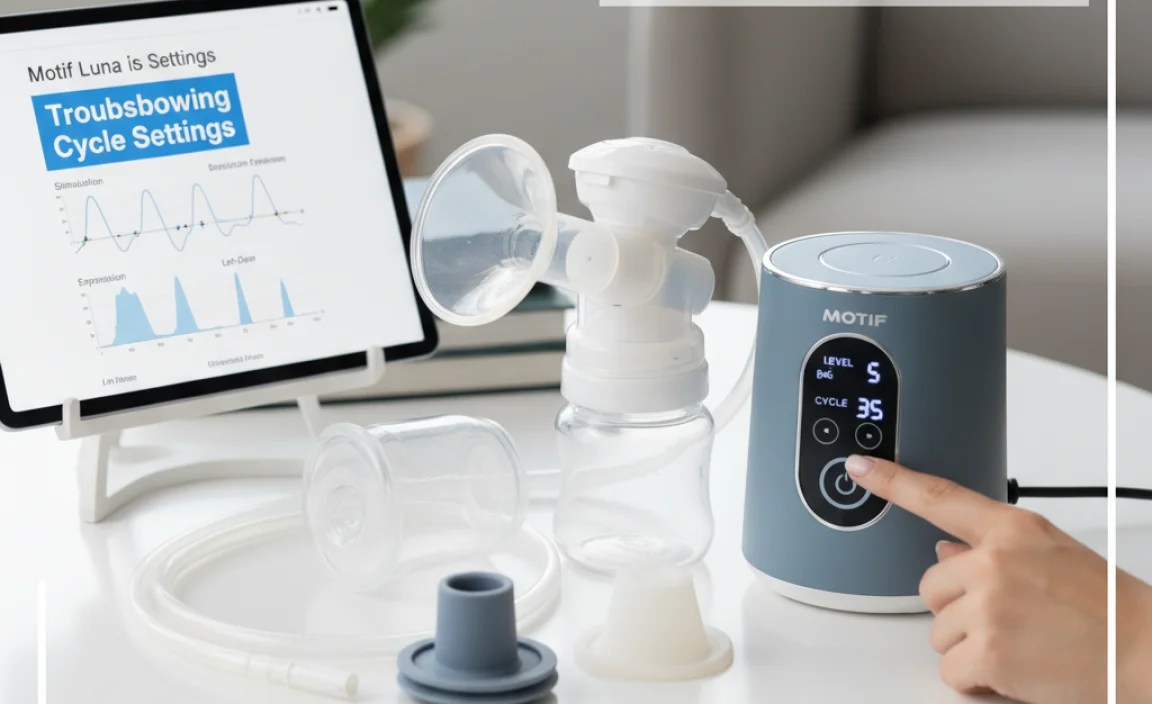
Sometimes, finding the right cycle settings can be tricky. Here are some common issues and how to address them:
- Pain or Discomfort: If you experience pain, reduce the suction level immediately. If the pain persists, try lowering the cycle speed.
- Low Milk Output: If your milk output is low, ensure you’re in expression mode after let-down. Try increasing the suction level gradually and experimenting with different cycle speeds.
- No Let-Down: If you’re not experiencing let-down, stay in stimulation mode for a longer period. Ensure the cycle speed is relatively high to mimic a baby’s initial sucking. Relaxation techniques can also help.
Comparing Motif Pump Models and Cycle Adjustments

Different Motif pump models offer varying degrees of control over cycle settings. Here’s a comparison:
| Motif Pump Model | Cycle Adjustment in Stimulation Mode | Cycle Adjustment in Expression Mode | Notes |
|---|---|---|---|
| Motif Luna | Yes | Yes | Offers a wide range of cycle and suction settings. |
| Motif Duo | No (preset) | Yes | Stimulation mode has a preset cycle speed; expression mode allows adjustment. |
| Motif ES | No (preset) | Yes | Similar to Duo, with preset stimulation and adjustable expression. |
Tips for Optimizing Your Pumping Sessions
Here are some additional tips to help you get the most out of your Motif breast pump:
- Ensure Proper Flange Size: Using the correct flange size is crucial for comfort and milk output. A poorly fitting flange can cause pain and reduce milk flow.
- Relax and Visualize: Relaxation can significantly impact let-down. Try listening to calming music, looking at pictures of your baby, or practicing deep breathing exercises.
- Massage Your Breasts: Gently massage your breasts before and during pumping to encourage milk flow.
- Stay Hydrated: Drink plenty of water to support milk production.
- Pump Regularly: Consistent pumping helps maintain your milk supply.
- Consult a Lactation Consultant: If you’re experiencing persistent issues with pumping, consider consulting a lactation consultant for personalized advice.
The Science Behind Breast Pumping Cycles
The mechanics of breast pumping are rooted in replicating the natural sucking patterns of infants. Understanding the scientific rationale can help you optimize your pumping technique. Studies have shown that varying the suction and cycle speeds can more effectively stimulate milk ejection reflexes, leading to increased milk volume. For example, research published in the National Institutes of Health highlights the importance of personalized pump settings to match individual breastfeeding physiology.
How Different Cycles Affect Milk Ejection
The milk ejection reflex, often referred to as “let-down,” is triggered by the release of the hormone oxytocin. This hormone causes the muscles around the milk ducts in the breast to contract, pushing milk forward. The cycle speed plays a crucial role in stimulating this reflex:
- Fast Cycles (Stimulation Mode): Mimic the initial rapid sucking of a baby, which helps to stimulate the release of oxytocin.
- Slow Cycles (Expression Mode): Once let-down has occurred, slower, stronger sucks are more efficient at extracting milk.
The Role of Vacuum Pressure (Suction)
Vacuum pressure, or suction, is another critical factor. Too little suction, and you won’t effectively remove milk. Too much, and you risk pain and tissue damage. The ideal suction level varies from person to person, and it’s essential to find a level that is both comfortable and effective.
Common Mistakes to Avoid When Adjusting Cycle Settings
Many moms make common mistakes when adjusting their pump settings. Here are some pitfalls to avoid:
- Starting with High Suction: Beginning with high suction can cause pain and discourage let-down. Always start low and increase gradually.
- Ignoring Pain: Pain is a sign that something is wrong. Don’t push through discomfort; adjust the settings or flange size.
- Not Experimenting: Don’t be afraid to experiment with different cycle speeds and suction levels to find what works best for you.
- Using the Wrong Flange Size: An incorrect flange size can significantly impact comfort and milk output.
- Not Relaxing: Stress can inhibit let-down. Create a relaxing environment for your pumping sessions.
Advanced Techniques for Optimizing Milk Output
Once you’re comfortable with the basics, you can explore more advanced techniques to maximize your milk output:
- Power Pumping: This technique involves pumping for 20 minutes, resting for 10 minutes, pumping for 10 minutes, resting for 10 minutes, and then pumping for another 10 minutes. It’s designed to mimic cluster feeding and boost milk supply.
- Hands-On Pumping: This involves massaging and compressing your breasts while pumping to help empty them more completely.
- Lactation Supplements: Some women find that certain herbs and supplements, such as fenugreek or blessed thistle, can help increase milk supply. Consult with your doctor or a lactation consultant before taking any supplements.
Maintaining Your Motif Breast Pump for Optimal Performance
Proper maintenance is essential to keep your Motif breast pump working efficiently. Here are some tips:
- Clean After Each Use: Disassemble and wash all pump parts that come into contact with breast milk after each use. Use warm, soapy water and rinse thoroughly.
- Sterilize Regularly: Sterilize pump parts at least once a day, especially in the early weeks. You can use a steam sterilizer, boiling water, or sterilizing bags.
- Replace Parts as Needed: Pump parts, such as valves and membranes, can wear out over time. Replace them regularly to maintain optimal suction. Check the manufacturer’s recommendations for replacement intervals.
- Check for Damage: Regularly inspect your pump parts for cracks, tears, or other damage. Replace any damaged parts immediately.
- Follow Manufacturer’s Instructions: Always follow the manufacturer’s instructions for cleaning, sterilizing, and maintaining your pump.
Understanding Motif Breast Pump Settings: A Quick Reference Table
Here’s a handy table summarizing the key settings on your Motif breast pump:
| Setting | Description | Impact on Pumping |
|---|---|---|
| Cycles | Number of suction/release actions per minute | Affects stimulation and milk extraction efficiency |
| Suction (mmHg) | Strength of the suction | Determines how forcefully milk is drawn out |
| Mode (Stimulation/Expression) | Preset programs for let-down and milk extraction | Optimizes pumping for different stages |
FAQ: Understanding Cycles on Your Motif Breast Pump
Here are some frequently asked questions about cycles on Motif breast pumps:
- What cycle speed should I use in stimulation mode?
- Aim for a higher cycle speed, typically between 70-80 cycles per minute, to mimic a baby’s rapid initial sucking and stimulate let-down.
- What cycle speed should I use in expression mode?
- Lower cycle speeds, usually between 40-60 cycles per minute, are more effective for extracting milk once let-down has occurred.
- How do I know if my cycle speed is too high?
- If you experience pain or discomfort, the cycle speed may be too high. Reduce the speed and/or suction until you find a comfortable setting.
- How do I know if my cycle speed is too low?
- If your milk output is low, try increasing the cycle speed slightly. Also, ensure that your suction level is appropriately adjusted.
- Can I customize the cycle settings on all Motif pumps?
- Not all Motif pumps offer manual cycle adjustment in both stimulation and expression modes. Some models have preset cycle speeds in stimulation mode. Refer to your pump’s manual for specific instructions.
- What does mmHg mean on my breast pump?
- mmHg stands for millimeters of mercury, a unit of measurement for pressure. On a breast pump, it indicates the suction strength – how much pressure the pump applies to express milk.
- How often should I replace the parts of my Motif breast pump?
- Replace valves and membranes every 4-8 weeks, or sooner if you notice decreased suction. Backflow protectors and tubing should be replaced every 3-6 months, depending on usage.
Conclusion
Understanding the “cycles” setting on your Motif breast pump is a crucial step in optimizing your pumping experience. By fine-tuning the cycle speed and suction level, you can mimic a baby’s natural sucking pattern, stimulate milk let-down, and efficiently extract milk. Remember to experiment with different settings, listen to your body, and consult with a lactation consultant if you have any concerns. With a little practice and patience, you’ll be well on your way to a comfortable and successful breastfeeding journey. Happy pumping!
“`


