
How Long Is a Medela Pump Cycle? A Simple Guide

Quick Summary: A typical Medela breast pump cycle lasts around 30-60 minutes, depending on your let-down and how much milk you need to express. Each cycle includes stimulation and expression phases. Adjust the pump’s settings to match your body’s needs and comfort. Remember, every mom is different, so find what works best for you!
Using a Medela breast pump can be a lifesaver for many moms, but understanding how long each pumping session should last can be confusing. Are you unsure if you’re pumping for the right amount of time? Do you worry about not expressing enough milk or overdoing it? Don’t worry; you’re not alone! Many new moms have the same questions. This guide will walk you through everything you need to know about Medela pump cycles, ensuring you pump efficiently and comfortably. We’ll break down the phases, timing, and how to adjust the pump to fit your unique needs. Let’s get started!
Understanding the Medela Pump Cycle

A Medela breast pump cycle mimics a baby’s natural nursing pattern. It has two main phases:
- Stimulation Phase: This phase is designed to stimulate your let-down reflex, which is when your milk starts to flow. It usually involves faster, lighter suction.
- Expression Phase: Once your milk has let down, the pump switches to a slower, stronger suction to efficiently express milk.
Knowing these phases helps you understand how to adjust your pump for the best results.
Typical Duration of a Medela Pump Cycle

So, how long should a pumping session last? Here’s a general guideline:
A typical pumping session with a Medela pump lasts between 30 to 60 minutes. This can vary depending on several factors, including:
- Individual Milk Supply: Some moms express milk quickly, while others take longer.
- Baby’s Age: As your baby grows, your milk supply might change, affecting pumping time.
- Pump Settings: Adjusting the suction and speed can influence how quickly you express milk.
Here’s a table summarizing the typical durations:
| Phase | Typical Duration | Purpose |
|---|---|---|
| Stimulation Phase | 2-5 minutes | Trigger let-down reflex |
| Expression Phase | 25-55 minutes | Efficient milk expression |
| Total Cycle | 30-60 minutes | Complete pumping session |
Step-by-Step Guide to Timing Your Medela Pump Cycle

Follow these steps to time your Medela pump cycle effectively:
Step 1: Prepare Your Equipment
Before you start, make sure all your pump parts are clean and properly assembled. A properly assembled pump ensures efficient suction and hygiene.
- Wash your hands thoroughly.
- Ensure all pump parts are clean and dry.
- Have a bottle or milk storage bag ready.
Step 2: Start with the Stimulation Phase
Begin with the stimulation phase to trigger your let-down. Most Medela pumps automatically start in this phase.
- Turn on your Medela pump.
- Start with the stimulation mode.
- This phase usually lasts for 2-5 minutes.
Step 3: Transition to the Expression Phase
Once your milk starts flowing, switch to the expression phase. You’ll notice the suction becomes stronger and slower.
- Most Medela pumps will automatically switch to the expression phase. If not, manually switch.
- Adjust the suction to the highest comfortable level.
- Continue pumping until the milk flow slows down significantly.
Step 4: Monitor Milk Flow
Keep an eye on your milk flow. This will help you determine when to end the pumping session.
- Watch the milk flow into the bottle.
- When the flow slows to a trickle, it’s a good indication to stop.
- This phase can last anywhere from 25 to 55 minutes.
Step 5: End the Pumping Session
After the milk flow has significantly decreased, end the pumping session.
- Turn off the pump.
- Gently remove the breast shield.
- Store your breast milk properly.
Step 6: Clean Your Equipment
Clean your pump parts immediately after each use to prevent bacterial growth. Refer to the CDC guidelines for proper cleaning.
- Disassemble the pump parts.
- Wash them with soap and water.
- Allow them to air dry completely.
Adjusting Pump Settings for Optimal Results

Every mom is different, so adjusting your pump settings is crucial for optimal results. Here’s how to do it:
Suction Strength
Adjust the suction strength to a level that’s comfortable for you. Too much suction can cause pain or damage.
- Start with a low suction level.
- Gradually increase until you find a comfortable level.
- Avoid any pain or discomfort.
Pumping Speed
Adjust the pumping speed to mimic your baby’s natural nursing pattern.
- Experiment with different speeds.
- Find a speed that effectively expresses milk without causing discomfort.
- Some pumps have pre-set speeds; others allow manual adjustments.
Pumping Frequency
Pump as often as your baby would normally nurse. This helps maintain your milk supply.
- Aim to pump every 2-3 hours, especially in the early weeks.
- If you’re exclusively pumping, maintain a consistent schedule.
- Consult with a lactation consultant for personalized advice.
Troubleshooting Common Pumping Issues
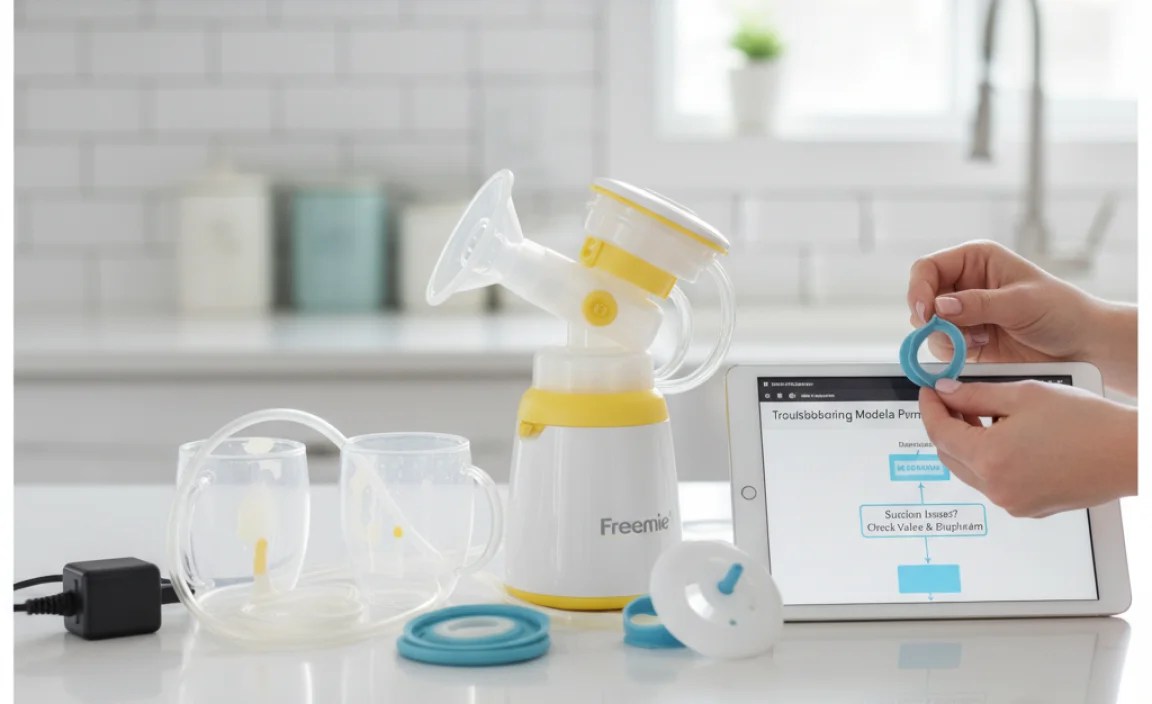
Sometimes, things don’t go as planned. Here are some common issues and how to troubleshoot them:
Low Milk Supply
If you’re not expressing enough milk, consider these tips:
- Ensure you’re well-hydrated.
- Try power pumping (pumping for 20 minutes, resting for 10, and repeating for an hour).
- Check your pump parts for wear and tear.
Pain or Discomfort
Pumping should not be painful. If you experience pain, try these solutions:
- Adjust the suction level.
- Ensure the breast shield fits properly.
- Apply a warm compress before pumping.
Pump Not Working Properly
If your pump isn’t working, check these common issues:
- Check the power source or battery.
- Ensure all parts are properly connected.
- Refer to the pump’s manual for troubleshooting tips.
Choosing the Right Medela Pump
Medela offers a variety of pumps to suit different needs. Here’s a quick overview of some popular models:
| Model | Description | Pros | Cons |
|---|---|---|---|
| Medela Pump in Style Advanced | A double electric pump designed for daily use. | Efficient, portable, and comes with a carrying bag. | Can be noisy, requires a power outlet. |
| Medela Freestyle Flex | A hands-free, portable double electric pump. | Lightweight, rechargeable, and connects to the MyMedela app. | More expensive than other models. |
| Medela Harmony Manual Breast Pump | A manual pump for occasional use. | Quiet, portable, and doesn’t require electricity. | Requires manual effort, less efficient for frequent pumping. |
Consider your lifestyle and pumping needs when choosing a Medela pump. A portable pump might be best if you pump on the go, while a hospital-grade pump is suitable for frequent use.
Tips for Maximizing Milk Output
Want to get the most out of your pumping sessions? Here are some additional tips:
- Relax: Stress can inhibit milk flow. Try to relax before and during pumping.
- Massage: Gently massage your breasts before and during pumping to stimulate milk flow.
- Look at Pictures of Your Baby: Looking at photos or videos of your baby can trigger the let-down reflex.
- Stay Hydrated: Drink plenty of water throughout the day to support milk production.
- Eat a Balanced Diet: Ensure you’re getting enough calories and nutrients to support lactation.
External Resources for Breastfeeding and Pumping
For more in-depth information and support, check out these resources:
- La Leche League International: Offers breastfeeding support and education.
- KellyMom: Provides evidence-based information on breastfeeding and parenting.
- Centers for Disease Control and Prevention (CDC): Offers guidelines on proper breast milk storage and handling.
FAQ About Medela Pump Cycles
Here are some frequently asked questions about Medela pump cycles:
How do I know if my Medela pump is working correctly?
Ensure all parts are properly connected and the suction is strong enough. Check the pump’s manual for troubleshooting tips or contact Medela customer support.
Can I pump for too long?
Yes, pumping for too long can cause nipple damage or overstimulation. Follow the recommended guidelines and adjust based on your comfort.
What if I don’t get a let-down during the stimulation phase?
Try massaging your breasts, applying a warm compress, or looking at pictures of your baby to help trigger the let-down reflex. If problems persist, consult with a lactation consultant.
How often should I replace my Medela pump parts?
Replace pump parts, such as valves and membranes, every 1-3 months, depending on usage. Worn parts can affect pump performance.
Is it normal for pumping sessions to vary in duration?
Yes, it’s normal. Factors like stress, hydration, and time of day can influence milk flow and pumping duration.
Can I use a Medela pump while pregnant?
Consult your healthcare provider before using a breast pump during pregnancy. Pumping can stimulate contractions in some cases.
How do I clean my Medela pump parts?
Wash all parts with soap and water after each use and sterilize them regularly. Refer to the CDC guidelines for proper cleaning and sanitization.
Conclusion
Understanding how long a Medela pump cycle should last is key to efficient and comfortable pumping. Remember, the typical pumping session lasts between 30 to 60 minutes, including the stimulation and expression phases. Adjust your pump settings to match your body’s needs, and don’t hesitate to seek support from lactation consultants or other moms. With the right knowledge and tools, you can confidently navigate your pumping journey and provide the best nutrition for your baby. Happy pumping!
“`


