
What Does “Cycle” Mean on Your Spectra Breast Pump? A Simple Guide

Quick Summary: On a Spectra breast pump, “cycle” refers to the number of times the pump suctions and releases per minute. A higher cycle speed means more frequent, shorter suctions, while a lower cycle speed results in fewer, longer suctions. Adjusting the cycle and vacuum settings allows you to customize the pump to mimic your baby’s natural sucking pattern for optimal milk expression and comfort.
Feeling confused by all the settings on your Spectra breast pump? You’re not alone! Many moms find themselves scratching their heads when trying to figure out what “cycle” really means and how it affects their pumping experience. It can be frustrating, especially when you’re already juggling so much. But don’t worry, I’m here to break it down in simple terms. Think of it as tuning your pump to match your baby’s unique needs. In this guide, we’ll explore what cycle means, how to adjust it, and how to find the settings that work best for you. Let’s get started!
Understanding “Cycle” on Your Spectra Pump

The term “cycle” on your Spectra breast pump refers to the number of suction and release motions the pump completes in one minute. It’s measured in cycles per minute (CPM). Basically, it controls how quickly the pump is sucking and releasing. Understanding this setting is key to getting the most out of your pump and ensuring a comfortable and efficient pumping session.
Why is Cycle Speed Important?
Different babies have different sucking patterns. Some prefer quick, short sucks, while others prefer slower, longer ones. The cycle setting allows you to mimic these different patterns, making pumping more comfortable and effective. By adjusting the cycle, you can find the setting that best simulates your baby’s natural nursing style, which can lead to better milk expression and a more comfortable experience for you.
Relationship Between Cycle and Vacuum
Cycle works hand-in-hand with the vacuum setting (suction strength). While cycle controls the speed of the suction, vacuum controls the strength of the suction. You’ll need to find the right balance between the two to optimize your pumping. Generally, a higher cycle might work well with a lower vacuum, and vice versa. It’s all about finding what feels best for your body.
Exploring the Different Modes on Your Spectra Pump

Spectra pumps typically offer different modes to help you optimize your pumping sessions. The two main modes are Massage Mode and Expression Mode.
Massage Mode (Let-Down Mode)
Massage Mode, also known as let-down mode, is designed to stimulate your milk ejection reflex (let-down). It usually features a faster cycle speed and lower vacuum strength. This mode mimics the initial rapid sucking of a baby to encourage milk flow. Think of it as “priming the pump.”
Expression Mode
Once your milk has let down, you’ll switch to Expression Mode. This mode typically has a slower cycle speed and a higher vacuum strength. It’s designed to efficiently extract milk after the let-down has occurred. This mode mimics the deeper, longer sucks of a baby when actively feeding.
How to Adjust the Cycle Setting on Your Spectra Pump

Adjusting the cycle setting on your Spectra pump is straightforward. Here’s a step-by-step guide:
- Turn on Your Pump: Start by turning on your Spectra breast pump.
- Select Your Mode: Choose either Massage Mode or Expression Mode, depending on your needs.
- Locate the Cycle Control: Look for the buttons or dial that control the cycle speed. It’s usually indicated by a wave-like symbol or the word “Cycle.”
- Adjust the Speed: Use the up and down buttons (or the dial) to increase or decrease the cycle speed. The speed is usually displayed on the screen in CPM (cycles per minute).
- Fine-Tune: Experiment with different cycle speeds to find what feels most comfortable and effective for you.
- Monitor Your Milk Flow: Pay attention to your milk flow as you adjust the cycle speed. You want to find a setting that encourages a steady and comfortable flow.
- Adjust Vacuum Accordingly: As you adjust the cycle, also adjust the vacuum to find the optimal combination.
Finding Your Ideal Cycle Setting
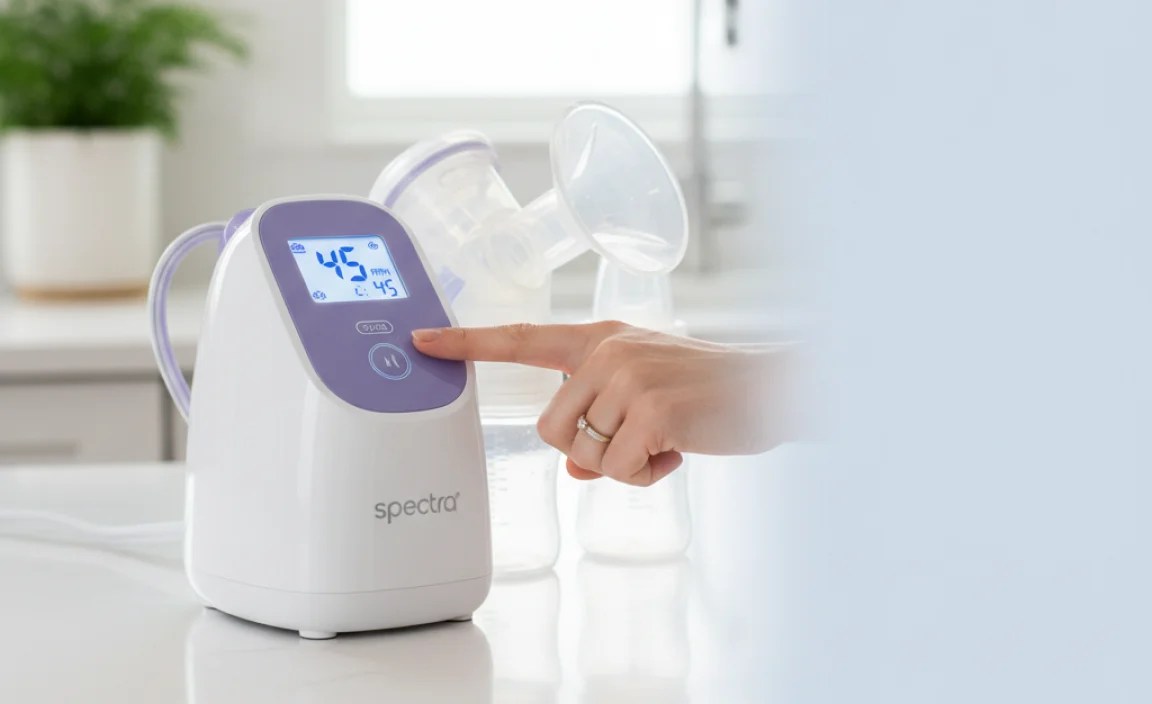
Finding the perfect cycle setting is a personal journey. Here are some tips to help you discover what works best for you:
- Start with the Default Settings: Begin with the default settings recommended by Spectra for each mode.
- Listen to Your Body: Pay close attention to how your breasts feel. If you experience any discomfort, reduce the vacuum and/or cycle speed.
- Observe Your Milk Flow: Monitor your milk output. If you’re not expressing much milk, try adjusting the cycle and vacuum settings to see if it makes a difference.
- Experiment: Don’t be afraid to experiment with different settings. It might take some trial and error to find the perfect combination.
- Take Notes: Keep a record of the settings that work best for you. This can be helpful for future pumping sessions.
- Consult a Lactation Consultant: If you’re struggling to find the right settings, consider consulting a lactation consultant. They can provide personalized guidance and support.
Troubleshooting Common Issues
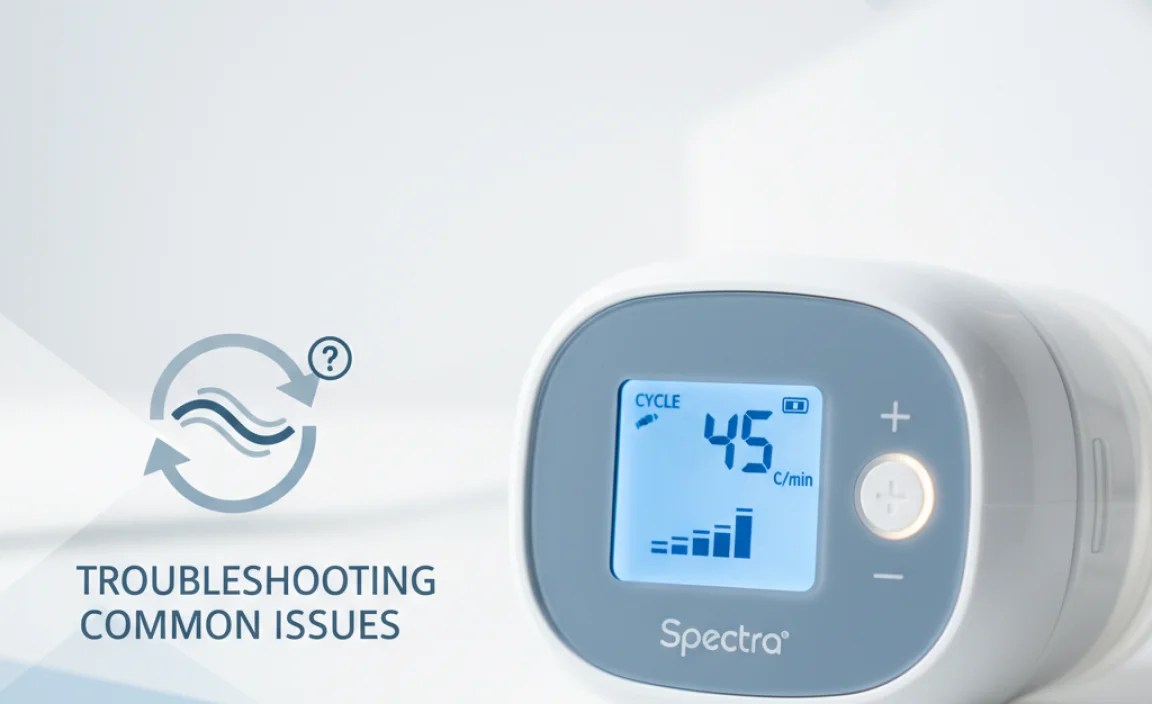
Sometimes, even with the right settings, you might encounter issues. Here are some common problems and how to troubleshoot them:
Low Milk Output
If you’re experiencing low milk output, try the following:
- Check Your Flange Size: Make sure your breast flange fits properly. An incorrect flange size can restrict milk flow.
- Adjust the Vacuum and Cycle: Experiment with different combinations of vacuum and cycle settings.
- Ensure Proper Seal: Check that the flange is creating a good seal around your breast.
- Relax: Stress can inhibit milk flow. Try to relax and create a calm environment for pumping.
- Try Massage Mode: Spend more time in Massage Mode to stimulate let-down.
Discomfort or Pain
If you’re experiencing discomfort or pain, try the following:
- Reduce the Vacuum Strength: Lower the vacuum strength to a more comfortable level.
- Adjust the Cycle Speed: Experiment with different cycle speeds to find what feels best.
- Check Flange Fit: Ensure your flange fits properly.
- Use Lanolin Cream: Apply lanolin cream to your nipples to soothe any irritation.
Pump Not Working Properly
If your pump isn’t working properly, try the following:
- Check the Power Source: Make sure the pump is properly plugged in or that the battery is fully charged.
- Inspect the Tubing: Check the tubing for any cracks or leaks.
- Clean the Pump Parts: Ensure all pump parts are clean and properly assembled.
- Contact Spectra Support: If you’ve tried everything else and the pump still isn’t working, contact Spectra customer support for assistance.
Spectra Pump Settings Chart: A Starting Point
While individual needs vary, this table provides a general starting point for adjusting your Spectra pump settings. Remember to adjust based on your comfort and milk flow.
| Mode | Cycle (CPM) | Vacuum Level | Purpose |
|---|---|---|---|
| Massage Mode | 70 CPM (Adjustable) | Level 1-3 (Lower) | Stimulate let-down and milk flow |
| Expression Mode | 38-54 CPM (Adjustable) | Level 4-12 (Higher) | Efficiently extract milk after let-down |
Note: These are just suggested starting points. Adjust these settings to suit your comfort level and milk output.
Spectra S1 vs. S2: Does Cycle Work the Same?
Yes, the “cycle” function operates identically on both the Spectra S1 and S2 breast pumps. The core technology and functionality related to cycle speed and vacuum levels are consistent across these models. The main difference between the S1 and S2 is that the S1 has a built-in rechargeable battery, while the S2 needs to be plugged into an outlet to operate.
Benefits of Understanding Cycle Settings
Taking the time to understand and adjust your Spectra pump’s cycle settings can have several benefits:
- Increased Milk Output: Finding the right settings can help you express more milk in less time.
- Improved Comfort: Customized settings can reduce discomfort and pain during pumping.
- More Efficient Pumping: Optimal settings can lead to more efficient milk extraction.
- Mimics Baby’s Nursing Pattern: You can better mimic your baby’s natural sucking pattern, which can be more comfortable for your breasts.
- Reduced Pumping Time: Efficient pumping can shorten the amount of time you need to spend pumping each day.
Advanced Techniques for Optimizing Cycle and Vacuum
Once you’re comfortable with the basics, you can explore advanced techniques to further optimize your pumping sessions:
Switching Between Modes
Try switching between Massage Mode and Expression Mode during your pumping session. Start with Massage Mode to stimulate let-down, then switch to Expression Mode once your milk starts flowing. You can switch back to Massage Mode if your milk flow slows down.
Gradual Increase
Some moms find it helpful to gradually increase the vacuum strength during Expression Mode. Start with a lower vacuum and gradually increase it as your breasts become more comfortable.
Power Pumping
Power pumping is a technique that involves pumping for short intervals with breaks in between to simulate cluster feeding and boost milk supply. You can use different cycle and vacuum settings during power pumping to maximize milk expression.
Here’s a sample power pumping schedule:
- Pump for 20 minutes
- Rest for 10 minutes
- Pump for 10 minutes
- Rest for 10 minutes
- Pump for 10 minutes
External Resources for Further Reading
For more in-depth information about breast pumping and milk expression, check out these resources:
- Centers for Disease Control and Prevention (CDC) – Breastfeeding
- La Leche League International
- Office on Women’s Health – Breastfeeding
FAQ: Understanding Cycle on Spectra Pumps
What is the ideal cycle speed for let-down?
Generally, a faster cycle speed, around 60-70 CPM, is ideal for stimulating let-down in Massage Mode. This mimics the rapid sucking of a baby at the beginning of a feeding.
Can I adjust the cycle speed while pumping?
Yes, you can adjust the cycle speed during your pumping session. Experiment with different speeds to find what feels most comfortable and effective for you at different stages of pumping.
Does a higher cycle speed always mean more milk?
Not necessarily. A higher cycle speed can help stimulate let-down, but the most effective cycle speed for milk expression varies from person to person. It’s important to find the speed that works best for your body and milk flow.
What if I don’t feel anything when pumping?
If you don’t feel anything, try adjusting both the cycle and vacuum settings. Make sure your flange fits properly and that you have a good seal. If you still don’t feel anything, consult a lactation consultant.
How do I know if my cycle speed is too high?
If you experience discomfort or pain, your cycle speed might be too high. Reduce the speed and/or the vacuum strength until you feel comfortable.
Is there a “best” cycle setting for everyone?
No, there’s no one-size-fits-all cycle setting. The best setting depends on your individual body, milk flow, and comfort level. Experiment to find what works best for you.
Can cycle settings affect breast emptying?
Yes, cycle settings can impact breast emptying. An optimal cycle and vacuum combination will help efficiently remove milk from your breasts, preventing engorgement and maintaining milk supply.
Conclusion
Understanding the “cycle” setting on your Spectra breast pump is a crucial step towards a more comfortable and efficient pumping experience. By experimenting with different cycle speeds and vacuum levels, you can find the settings that best mimic your baby’s natural sucking pattern and optimize your milk expression. Remember to listen to your body, pay attention to your milk flow, and don’t be afraid to adjust the settings as needed. With a little patience and experimentation, you’ll be well on your way to a successful and comfortable pumping journey. Happy pumping!
“`


