What is a Defrost Cycle in a Heat Pump? A Simple Guide

Quick Summary: The defrost cycle in a heat pump is an essential process that melts ice buildup on the outdoor unit during cold weather. It temporarily switches the heat pump into cooling mode to warm the coils, ensuring efficient heating performance. This cycle usually lasts between 5 to 15 minutes and occurs every 30 to 90 minutes, depending on the temperature and humidity. Understanding this cycle helps you recognize normal operation and prevent unnecessary service calls.
Heat pumps are fantastic for year-round comfort, providing both heating and cooling. But when winter rolls around, you might notice your heat pump doing something a little unusual – the defrost cycle. It can be a bit confusing when your heating system seems to switch to cooling mode in the middle of a cold day! Don’t worry, it’s perfectly normal and crucial for keeping your heat pump running efficiently. This guide will break down everything you need to know about the defrost cycle, why it happens, and what to expect. We’ll walk you through the process step-by-step, so you can understand exactly how your heat pump keeps you warm even when it’s freezing outside. Let’s dive in!
Why Heat Pumps Need Defrost Cycles

To understand the defrost cycle, it’s helpful to know how a heat pump works in the heating mode. Unlike furnaces that generate heat, heat pumps transfer heat from the outside air into your home. Even when it feels cold outside, there’s still some heat energy available in the air. The heat pump’s outdoor coil absorbs this heat, and a refrigerant circulates it inside to warm your home.
However, when the outdoor temperature drops below freezing (32°F or 0°C), moisture in the air can freeze on the outdoor coil. This ice buildup acts as an insulator, reducing the heat pump’s ability to absorb heat from the outside air. Think of it like trying to breathe through a scarf covered in ice – it becomes much harder!
The defrost cycle is designed to remove this ice and keep the heat pump operating efficiently. Without it, the ice would continue to build up, eventually causing the heat pump to shut down or even damage its components. According to the U.S. Department of Energy, maintaining your heat pump properly, including understanding its defrost cycle, can significantly improve its efficiency and lifespan.
How the Defrost Cycle Works: A Step-by-Step Guide

The defrost cycle might seem counterintuitive at first, but it’s a clever process that ensures your heat pump can continue to heat your home effectively. Here’s a breakdown of what happens during a typical defrost cycle:
- Initiation: The defrost cycle is triggered automatically by the heat pump’s control system. This system monitors the temperature of the outdoor coil and the amount of time the heat pump has been running. When the coil temperature drops to a certain point (usually around 28°F or -2°C) and the heat pump has been running for a set period (e.g., 30-90 minutes), the defrost cycle is initiated.
- Reversing Valve Activation: The reversing valve is a key component of a heat pump. During normal heating operation, it directs the flow of refrigerant to absorb heat from the outside air and release it inside your home. When the defrost cycle starts, the reversing valve switches the flow of refrigerant, essentially putting the heat pump into cooling mode.
- Cooling Mode (Briefly): With the reversing valve activated, the heat pump starts running in cooling mode. This means the outdoor coil, which was previously absorbing heat, now becomes the condenser, releasing heat. The hot refrigerant flowing through the coil melts the ice that has accumulated on its surface.
- Fan Shutdown: To speed up the defrosting process and prevent cold air from being blown into your home, the outdoor fan usually shuts off during the defrost cycle. This allows the heat from the refrigerant to focus on melting the ice.
- Electric Resistance Heaters (Auxiliary Heat): Since the heat pump is temporarily in cooling mode, it’s no longer providing heat to your home. To compensate for this, most heat pumps have electric resistance heaters (also known as auxiliary or emergency heat) that kick in to provide warmth. These heaters are similar to those found in electric furnaces or space heaters.
- Melting and Draining: As the hot refrigerant flows through the outdoor coil, the ice melts and drains away. You might see steam or water dripping from the outdoor unit during this process, which is perfectly normal.
- Cycle Termination: The defrost cycle typically lasts for 5 to 15 minutes. It ends when the outdoor coil reaches a certain temperature (e.g., 50°F or 10°C) or after a set amount of time. The control system then switches the reversing valve back to its normal position, and the heat pump resumes heating mode.
- Return to Normal Heating: The outdoor fan restarts, the electric resistance heaters turn off, and the heat pump begins transferring heat from the outside air into your home again.
Recognizing the Defrost Cycle
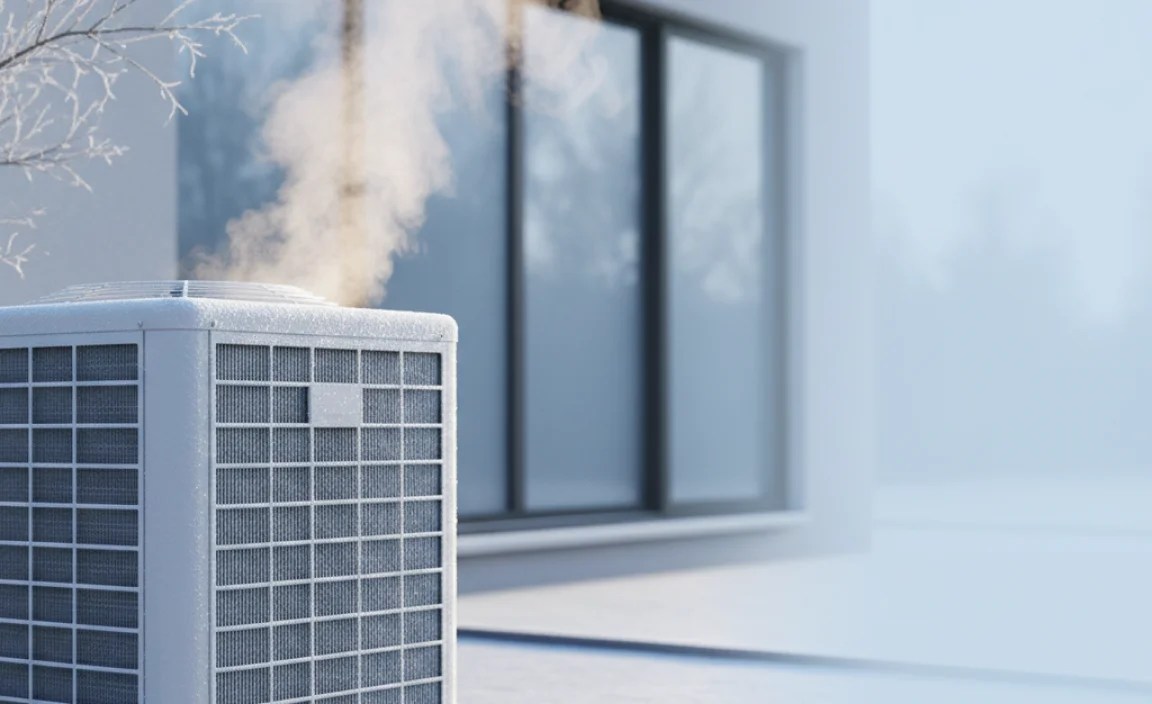
Knowing what to look for can help you identify when your heat pump is in defrost mode. Here are some common signs:
- Outdoor Fan Stops: One of the most noticeable signs is that the outdoor fan stops running. This is done to concentrate the heat on the coil and speed up the melting process.
- Steam or Water: You might see steam or water dripping from the outdoor unit as the ice melts. This is perfectly normal and indicates that the defrost cycle is working.
- Cool Air from Vents (Briefly): Because the heat pump is briefly in cooling mode, you might feel a slight coolness coming from your vents. However, this should be temporary, as the auxiliary heat will kick in to compensate.
- Humming or Buzzing Sound: You might hear a humming or buzzing sound from the reversing valve as it switches positions.
- Auxiliary Heat Indicator: Many thermostats have an indicator light that shows when the auxiliary heat is running. This light will often turn on during the defrost cycle.
Factors Affecting the Defrost Cycle

Several factors can influence how often and how long your heat pump’s defrost cycle runs:
- Outdoor Temperature: The colder it is outside, the more likely moisture will freeze on the outdoor coil, and the more frequently the defrost cycle will run.
- Humidity: High humidity levels mean there’s more moisture in the air, which can lead to faster ice buildup and more frequent defrost cycles.
- Coil Temperature: The defrost cycle is typically triggered when the outdoor coil reaches a certain temperature.
- Heat Pump Model: Different heat pump models may have different defrost cycle settings and algorithms. Some newer models use more sophisticated sensors and controls to optimize the defrost cycle and minimize energy consumption.
- Airflow: If airflow is restricted due to dirty air filter or blocked vents, it can affect the heat exchange process and lead to more frequent defrost cycles.
Common Issues and Troubleshooting
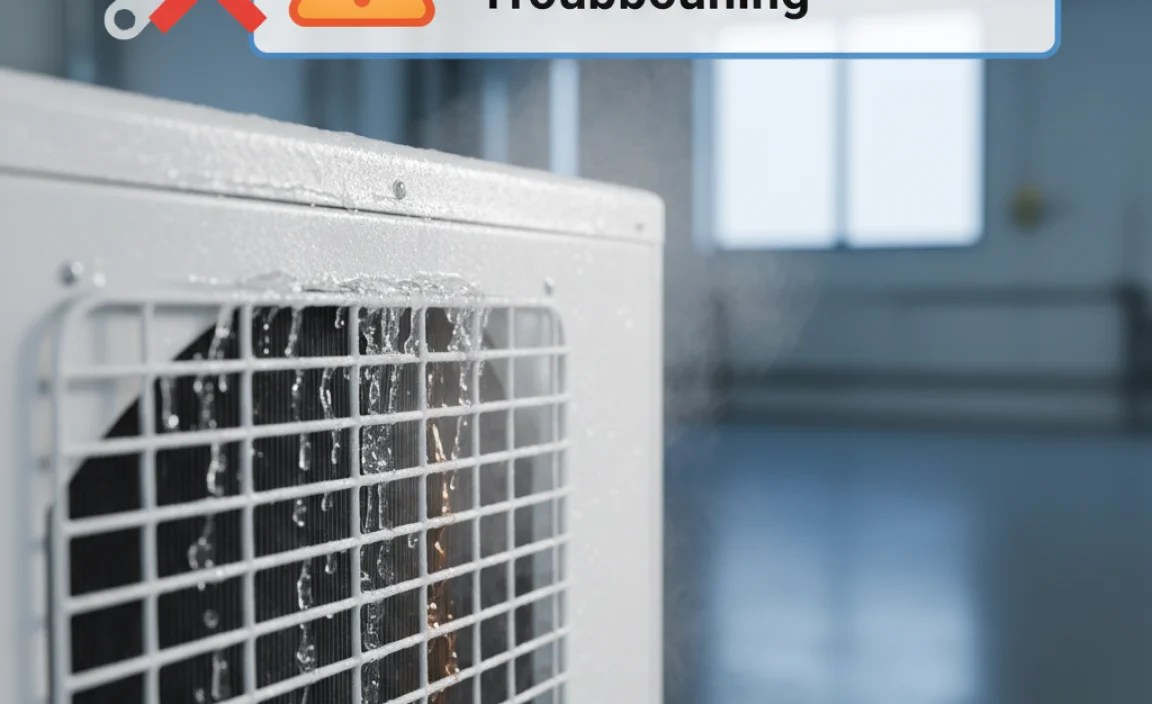
While the defrost cycle is a normal part of heat pump operation, there are some issues that can arise. Here are some common problems and how to troubleshoot them:
- Excessive Defrost Cycles: If your heat pump is defrosting too frequently (e.g., more than once an hour), it could indicate a problem. Possible causes include:
- Dirty Outdoor Coil: A dirty coil can restrict airflow and cause ice to build up more quickly. Clean the coil with a garden hose (gentle spray) or a specialized coil cleaner.
- Refrigerant Leak: Low refrigerant levels can cause the coil to get colder than normal, leading to excessive ice buildup. Contact a qualified HVAC technician to check for leaks and recharge the refrigerant.
- Faulty Defrost Sensor: A malfunctioning defrost sensor can trigger the defrost cycle prematurely. Have a technician inspect and replace the sensor if necessary.
- No Defrost Cycle: If your heat pump is not defrosting at all, ice will continue to build up on the outdoor coil, eventually reducing its heating capacity. Possible causes include:
- Faulty Defrost Timer or Control Board: The defrost timer or control board may be malfunctioning, preventing the defrost cycle from initiating. Contact a technician to diagnose and repair or replace the faulty component.
- Failed Reversing Valve: If the reversing valve is stuck or broken, it may not be able to switch the heat pump into cooling mode for defrosting. A technician can test and replace the reversing valve.
- Ice Buildup on the Base of the Unit: If ice is building up on the base of the outdoor unit, it could be due to poor drainage. Make sure the drain holes are clear of debris. You can also try pouring warm water over the ice to melt it.
- Loud Noises During Defrost: Some noises are normal during the defrost cycle (e.g., the reversing valve switching), but loud banging or clanging noises could indicate a problem. Contact a technician to investigate.
Maintaining Your Heat Pump for Optimal Performance
Regular maintenance can help ensure your heat pump operates efficiently and reliably, including proper defrost cycle function. Here are some tips:
- Change Air Filters Regularly: Dirty air filters restrict airflow, which can affect the heat exchange process and lead to more frequent defrost cycles. Change your air filters every 1-3 months, or more often if you have pets or allergies.
- Clean Outdoor Coil: Keep the outdoor coil free of dirt, leaves, and debris. Clean it at least once a year, or more often if you live in a dusty or wooded area.
- Trim Vegetation: Trim any bushes or shrubs that are growing too close to the outdoor unit. This will ensure proper airflow.
- Inspect Ductwork: Check your ductwork for leaks or damage. Seal any leaks with duct tape or mastic sealant.
- Schedule Professional Maintenance: Have a qualified HVAC technician inspect your heat pump at least once a year. They can check refrigerant levels, test components, and perform other maintenance tasks to keep your heat pump running smoothly.
Defrost Cycle vs. Emergency Heat
It’s important to distinguish between the defrost cycle and emergency heat (also known as auxiliary heat). While both involve the use of electric resistance heaters, they serve different purposes.
The defrost cycle is a normal and automatic process that occurs periodically to remove ice buildup from the outdoor coil. Emergency heat, on the other hand, is a backup heating system that’s used when the heat pump is unable to provide sufficient heat on its own. This might happen during extremely cold weather or if there’s a problem with the heat pump.
Here’s a table summarizing the key differences:
| Feature | Defrost Cycle | Emergency Heat |
|---|---|---|
| Purpose | Remove ice buildup from outdoor coil | Provide supplemental heat when heat pump can’t |
| Automatic/Manual | Automatic | Can be automatic or manually activated |
| Duration | 5-15 minutes | Until manually turned off or heat pump recovers |
| Frequency | Every 30-90 minutes (depending on conditions) | Only when needed (e.g., extreme cold) |
| Energy Consumption | Relatively low (short duration) | High (electric resistance is less efficient) |
Using emergency heat excessively can significantly increase your energy bills, as electric resistance heating is much less efficient than heat pump operation. It’s best to use emergency heat only when necessary and to address any underlying issues that are causing the heat pump to struggle.
Upgrading to a More Efficient Heat Pump
If you have an older heat pump, you might consider upgrading to a newer, more efficient model. Modern heat pumps often have advanced features that can improve their performance and reduce energy consumption, including:
- Variable-Speed Compressors: These compressors can adjust their speed to match the heating or cooling demand, providing more consistent temperatures and using less energy than single-speed compressors.
- Advanced Defrost Controls: Newer heat pumps often use more sophisticated sensors and algorithms to optimize the defrost cycle, minimizing its frequency and duration.
- Smart Thermostats: Smart thermostats can learn your heating and cooling preferences and adjust the temperature automatically, saving you energy and improving comfort.
- Improved Insulation: Better insulation in the heat pump cabinet can reduce heat loss and improve efficiency.
When choosing a new heat pump, look for models with high SEER (Seasonal Energy Efficiency Ratio) and HSPF (Heating Season Performance Factor) ratings. These ratings indicate the heat pump’s energy efficiency in cooling and heating modes, respectively. ENERGY STAR certified heat pumps meet strict energy efficiency guidelines set by the U.S. Environmental Protection Agency.
FAQ About Heat Pump Defrost Cycles
Here are some frequently asked questions about heat pump defrost cycles:
- Why does my heat pump go into cooling mode in the winter?
- It’s not really “cooling mode” for your comfort. It’s part of the defrost cycle, where the heat pump briefly reverses its operation to melt ice buildup on the outdoor coil, allowing it to continue heating efficiently.
- How long does a defrost cycle typically last?
- A defrost cycle usually lasts between 5 and 15 minutes.
- How often should my heat pump defrost?
- The frequency depends on the outdoor temperature and humidity. Typically, it occurs every 30 to 90 minutes when temperatures are below freezing.
- Is it normal to see steam coming from my heat pump during the defrost cycle?
- Yes, it’s perfectly normal. The steam is simply the melting ice turning into water vapor as the coil heats up.
- Should I be concerned if my auxiliary heat comes on during the defrost cycle?
- No, the auxiliary heat is designed to kick in during the defrost cycle to provide supplemental heat while the heat pump is temporarily in cooling mode.
- Can I manually force my heat pump into a defrost cycle?
- Some thermostats have a manual defrost setting, but it’s generally best to let the heat pump’s control system handle the defrost cycle automatically. Forcing a defrost cycle unnecessarily can waste energy.
- What can I do to improve my heat pump’s efficiency during the winter?
- Ensure proper airflow by changing air filters regularly, keeping the outdoor coil clean, and trimming vegetation around the unit. Also, schedule regular maintenance with a qualified HVAC technician.
Conclusion
Understanding the defrost cycle in your heat pump is crucial for maintaining a comfortable and efficient home heating system. It’s a normal and necessary process that ensures your heat pump can continue to provide warmth even in cold weather. By recognizing the signs of the defrost cycle, addressing potential issues, and performing regular maintenance, you can keep your heat pump running smoothly for years to come. Don’t be alarmed when you see steam or feel a brief cool breeze – it’s just your heat pump doing its job! And remember, if you ever have any concerns about your heat pump’s operation, it’s always best to consult with a qualified HVAC professional. They can diagnose any problems and ensure your system is running at its best.
“`