
A Heat Pump That Operates on the Ideal Vapor-Compression Cycle

Quick Summary: A heat pump using the ideal vapor-compression cycle moves heat efficiently. It involves four key stages: evaporation, compression, condensation, and expansion. Understanding these stages helps you troubleshoot common issues, maintain performance, and appreciate how these systems keep you comfortable while saving energy. This knowledge also helps when considering upgrades or repairs.
Ever wonder how your home stays cozy in winter and cool in summer? Heat pumps are the unsung heroes, and many operate on something called the ideal vapor-compression cycle. It sounds complicated, but it’s really just a clever way to move heat from one place to another. If your heat pump isn’t working as well as it used to, or you’re just curious about how it all works, you’re in the right place. We’ll break down each step, explain what makes it “ideal,” and give you a clearer picture of this amazing technology.
Ready to learn how a heat pump keeps you comfortable year-round? Let’s dive in and explore the four key stages of the ideal vapor-compression cycle!
Understanding the Ideal Vapor-Compression Cycle

The ideal vapor-compression cycle is a theoretical model that describes how a heat pump (or refrigerator) moves heat. It’s “ideal” because it assumes perfect conditions to make calculations easier. In real life, things aren’t always perfect, but this model gives us a great foundation for understanding how these systems work. The cycle consists of four main processes:
- Evaporation
- Compression
- Condensation
- Expansion
Let’s look at each of these in more detail.
1. Evaporation: Absorbing Heat
The first step is evaporation. The cycle starts with a low-pressure, low-temperature liquid refrigerant. This refrigerant flows through the evaporator coil, which is usually located outside in a heat pump system during heating mode (and inside during cooling mode).
As the refrigerant passes through the coil, it absorbs heat from the surrounding environment (even if it’s cold outside!). This heat causes the liquid refrigerant to change into a low-pressure vapor. Think of it like water boiling on a stove – it needs heat to turn into steam. The same thing happens with the refrigerant, but at a much lower temperature.
Key points about evaporation:
- Refrigerant starts as a cold, low-pressure liquid.
- It absorbs heat from the surroundings.
- The liquid turns into a low-pressure vapor.
2. Compression: Increasing Pressure and Temperature
Next up is compression. The low-pressure refrigerant vapor now enters a compressor. This device is like a pump that squeezes the vapor, increasing both its pressure and temperature. The compressor requires energy to do this work, usually in the form of electricity.
The high-pressure, high-temperature vapor is now ready to move on to the next stage. Think of it like inflating a bicycle tire – you’re compressing the air inside, which makes it hotter.
Key points about compression:
- Low-pressure vapor enters the compressor.
- The compressor increases the pressure and temperature of the vapor.
- This stage requires energy input (electricity).
3. Condensation: Releasing Heat
The third stage is condensation. The hot, high-pressure refrigerant vapor now flows through the condenser coil, which is usually located inside your home in heating mode (and outside during cooling mode). Here, the refrigerant releases heat to the surrounding environment, such as the air inside your house.
As the refrigerant releases heat, it changes from a high-pressure vapor back into a high-pressure liquid. This is similar to steam turning back into water when it cools down. The heat released during condensation is what warms your home in winter (or cools it in summer).
Key points about condensation:
- High-pressure vapor enters the condenser.
- The refrigerant releases heat to the surroundings.
- The vapor turns back into a high-pressure liquid.
4. Expansion: Reducing Pressure and Temperature
The final stage is expansion. The high-pressure liquid refrigerant now passes through an expansion valve (also called a throttling device). This valve restricts the flow of the refrigerant, causing a significant drop in both pressure and temperature.
The cold, low-pressure liquid refrigerant is now ready to start the cycle all over again at the evaporator. This process ensures that the refrigerant is cold enough to absorb heat from the environment in the evaporator.
Key points about expansion:
- High-pressure liquid enters the expansion valve.
- The valve reduces the pressure and temperature of the liquid.
- The cold, low-pressure liquid is ready for the evaporator.
The “Ideal” Part: What Makes It Theoretical?

The vapor-compression cycle we’ve described is “ideal” because it makes several simplifying assumptions. These assumptions help us understand the basic principles, but they don’t always hold true in real-world systems. Here are some key differences between the ideal cycle and a real-world cycle:
- No Pressure Drops: The ideal cycle assumes no pressure drops in the evaporator and condenser. In reality, there’s always some pressure loss due to friction and the design of the components.
- Isentropic Compression: The ideal cycle assumes that the compression process is isentropic, meaning it occurs with no change in entropy (a measure of disorder). In reality, compression is never perfectly isentropic; there’s always some energy lost as heat due to friction within the compressor.
- Saturated States: The ideal cycle assumes that the refrigerant is a saturated vapor at the exit of the evaporator and a saturated liquid at the exit of the condenser. Saturated means it’s right on the verge of changing phase. In reality, designers often superheat the vapor at the evaporator exit and subcool the liquid at the condenser exit to ensure proper operation and prevent damage to the compressor.
- No Heat Transfer in Valves/Pipes: The ideal cycle assumes no heat loss or gain in connecting pipes or through the expansion valve. In reality, heat transfer can occur, especially in long pipe runs or poorly insulated systems.
These differences mean that a real-world heat pump will always be less efficient than the ideal cycle predicts. However, the ideal cycle is still a valuable tool for understanding the fundamental principles of heat pump operation.
Components of a Heat Pump Using Vapor-Compression Cycle

Now that we know the stages, let’s explore the main components you’ll find in a heat pump system:
- Evaporator: This is a coil (usually made of copper or aluminum) where the refrigerant absorbs heat and evaporates.
- Compressor: The heart of the system, the compressor increases the pressure and temperature of the refrigerant vapor. There are different types of compressors, such as reciprocating, rotary, and scroll compressors.
- Condenser: Another coil where the refrigerant releases heat and condenses back into a liquid.
- Expansion Valve: A device that reduces the pressure and temperature of the refrigerant before it enters the evaporator. Common types include thermostatic expansion valves (TXV) and electronic expansion valves (EEV).
- Refrigerant: The working fluid that circulates through the system, absorbing and releasing heat. Common refrigerants include R-410A and R-32, although newer refrigerants with lower global warming potential are being developed.
- Reversing Valve: A valve that reverses the flow of refrigerant, allowing the heat pump to switch between heating and cooling modes.
- Fan: Used to blow air over the evaporator and condenser coils, improving heat transfer.
Troubleshooting a Heat Pump System
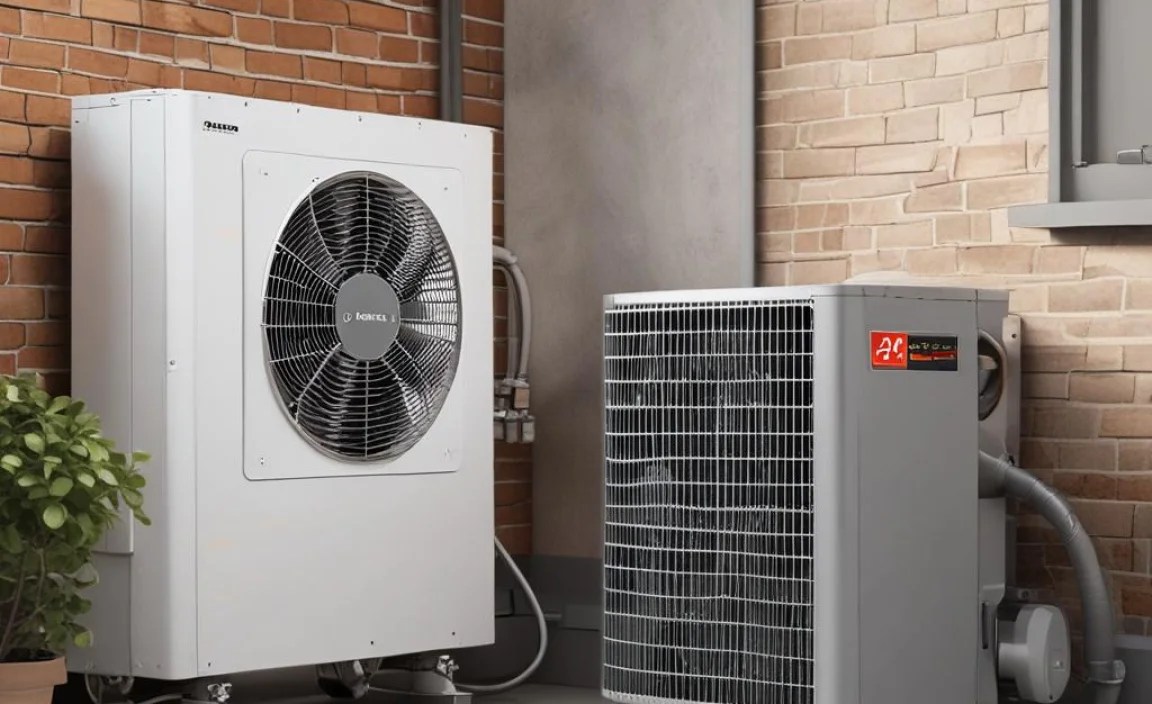
Understanding the vapor-compression cycle can help you diagnose common problems with your heat pump. Here are a few potential issues and their possible causes:
| Problem | Possible Cause |
|---|---|
| Heat pump not heating or cooling effectively | Low refrigerant charge, dirty coils, faulty compressor, restricted airflow |
| Ice buildup on the outdoor unit | Defrost cycle malfunction, low refrigerant charge, restricted airflow |
| Noisy operation | Faulty compressor, loose components, fan motor issues |
| High energy bills | Inefficient operation due to age, leaks, or poor maintenance; ductwork leaks |
If you notice any of these problems, it’s best to consult with a qualified HVAC technician. They have the tools and expertise to properly diagnose and repair your heat pump.
Tips for Maintaining Your Heat Pump
Proper maintenance can extend the life of your heat pump and keep it running efficiently. Here are some tips:
- Clean the coils regularly: Dirty coils reduce heat transfer. Use a fin comb to straighten bent fins and a hose to gently wash away dirt and debris. The U.S. Department of Energy recommends regular coil cleaning.
- Change the air filter: A dirty air filter restricts airflow, making the heat pump work harder. Change the filter every 1-3 months, or more often if you have pets or allergies.
- Keep the area around the outdoor unit clear: Remove any leaves, snow, or other debris that could block airflow.
- Schedule regular professional maintenance: A qualified HVAC technician can inspect your heat pump, check the refrigerant charge, and identify any potential problems before they become major issues.
Advantages and Disadvantages of Heat Pumps Operating on Vapor-Compression Cycle
Like any technology, heat pumps have their pros and cons.
| Advantages | Disadvantages |
|---|---|
| High energy efficiency compared to traditional heating systems | Performance decreases in extremely cold weather |
| Can provide both heating and cooling | Higher upfront cost than some other heating systems |
| Environmentally friendly due to reduced fossil fuel consumption | Requires professional installation and maintenance |
| Relatively quiet operation | Can be less effective in older, poorly insulated homes |
Future Trends in Vapor-Compression Heat Pumps
The field of heat pump technology is constantly evolving. Here are some trends to watch out for:
- New Refrigerants: Researchers are developing new refrigerants with lower global warming potential to replace older, more harmful refrigerants.
- Improved Compressors: Manufacturers are working on more efficient and reliable compressors, such as variable-speed compressors that can adjust their output to match the heating or cooling demand.
- Smart Controls: Smart thermostats and other control systems can optimize heat pump performance and save energy.
- Integration with Renewable Energy: Heat pumps can be combined with solar panels and other renewable energy sources to further reduce their environmental impact.
FAQ About Heat Pumps and Vapor-Compression Cycle
What is a refrigerant?
A refrigerant is a special fluid that absorbs and releases heat as it changes between liquid and vapor. It’s the working fluid in a heat pump or air conditioner.
How does a heat pump provide both heating and cooling?
A reversing valve changes the direction of refrigerant flow. In heating mode, it moves heat from outside to inside. In cooling mode, it moves heat from inside to outside.
Why is it important to clean the coils on my heat pump?
Dirty coils reduce heat transfer, making the heat pump work harder and use more energy. Cleaning the coils improves efficiency and extends the life of the system.
What is a SEER rating?
SEER (Seasonal Energy Efficiency Ratio) measures the cooling efficiency of a heat pump or air conditioner. The higher the SEER rating, the more efficient the unit.
What is an HSPF rating?
HSPF (Heating Seasonal Performance Factor) measures the heating efficiency of a heat pump. The higher the HSPF rating, the more efficient the unit.
How often should I have my heat pump serviced?
It’s generally recommended to have your heat pump serviced by a qualified HVAC technician at least once a year, preferably in the spring or fall.
Are heat pumps noisy?
Modern heat pumps are generally quiet, but you may hear some noise from the fan or compressor, especially when the unit is starting up or running at full capacity.
Conclusion
Understanding how a heat pump operates on the ideal vapor-compression cycle empowers you to troubleshoot common issues, maintain your system effectively, and make informed decisions about upgrades or repairs. By knowing the four key stages – evaporation, compression, condensation, and expansion – you gain a clearer picture of how these systems keep you comfortable while saving energy. Remember to keep those coils clean, change your air filter regularly, and schedule professional maintenance to ensure your heat pump runs smoothly for years to come. With this knowledge, you’re well-equipped to keep your home comfortable and energy-efficient!


