
What Does a Heat Pump Defrost Cycle Sound Like?

Quick Summary: The heat pump defrost cycle sounds like a combination of noises: a whooshing sound from the reversing valve, a gurgling or hissing as refrigerant flows, and the sound of the outdoor fan stopping. You might also hear ice cracking or melting. These sounds are normal and indicate your heat pump is working to remove ice buildup.
Is your heat pump making strange noises in the winter? Don’t panic! One of the most common reasons for unusual sounds is the defrost cycle. It can be a bit alarming if you’re not expecting it, but it’s a normal and necessary process for keeping your heat pump running efficiently. We’ll walk you through what these sounds are, why they happen, and what’s normal versus what might need a professional’s attention. By the end of this guide, you’ll be able to identify defrost cycle sounds and know when to relax and when to call for help.
Understanding the Heat Pump Defrost Cycle

Heat pumps are designed to both heat and cool your home. In the winter, they extract heat from the outside air and transfer it inside. But when outdoor temperatures drop, moisture in the air can freeze on the outdoor coil. This ice buildup reduces the heat pump’s ability to extract heat, making it less efficient. That’s where the defrost cycle comes in.
The defrost cycle temporarily reverses the heat pump’s operation. It runs the system in cooling mode, which warms the outdoor coil and melts the ice. This process usually lasts for a short period, typically between 5 and 15 minutes. After the ice is melted, the system switches back to heating mode.
Common Sounds During the Defrost Cycle

Knowing what to listen for can help you identify whether your heat pump is simply in defrost mode or if there’s a more serious issue. Here are the typical sounds you might hear:
- Whooshing Sound: This is often the first sound you’ll notice. It comes from the reversing valve switching the flow of refrigerant. The reversing valve is what changes the flow of refrigerant to switch between heating and cooling modes.
- Hissing or Gurgling: These sounds are caused by the refrigerant flowing through the system in the opposite direction. You might hear a gurgling sound as the refrigerant flows.
- Fan Shut-Off: The outdoor fan usually stops running during the defrost cycle. This helps the coil heat up more quickly and efficiently melt the ice.
- Cracking or Popping: As the ice melts, you might hear cracking or popping sounds. This is simply the ice breaking away from the coil.
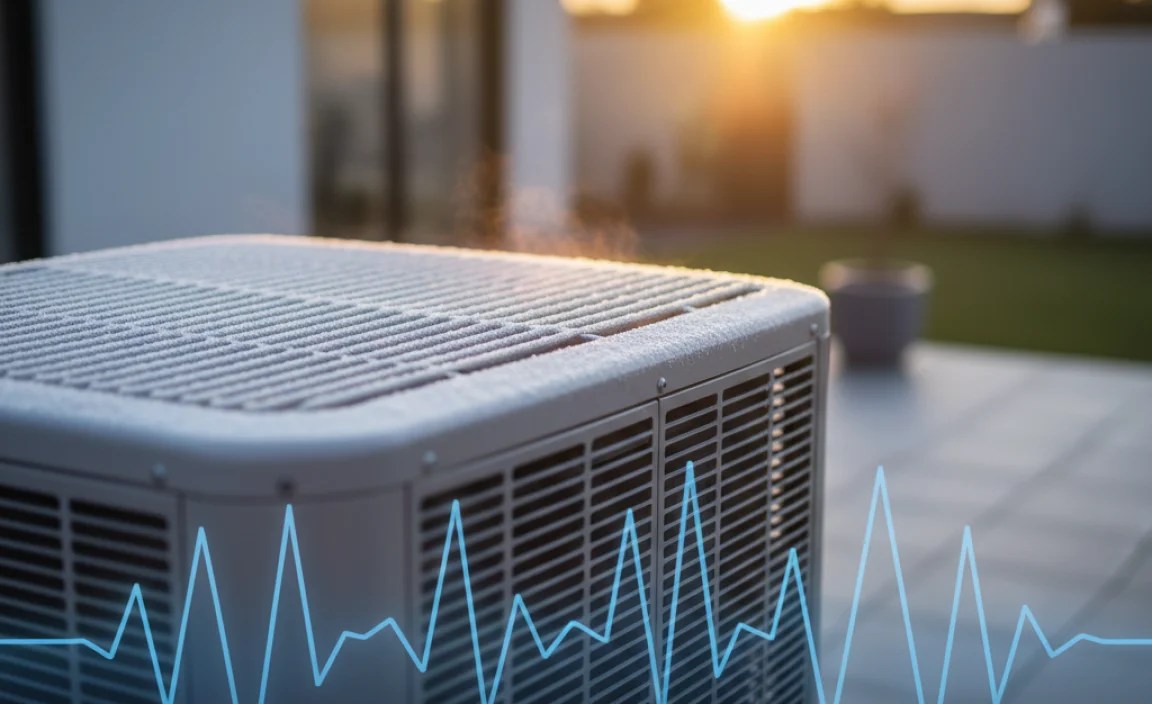
- Steam: While not a sound, you might see steam rising from the outdoor unit as the ice melts. This is a visual cue that the defrost cycle is working.
Differentiating Normal Sounds from Potential Problems
While the sounds above are typical during a defrost cycle, some noises could indicate a problem. Here’s how to tell the difference:
- Loud Banging or Clanging: This could indicate a loose component or a problem with the compressor.
- Screeching or Grinding: These sounds could indicate a failing motor or bearing.
- Constant Hissing: A continuous hissing sound, even when the unit isn’t in defrost mode, could indicate a refrigerant leak.
- No Sounds at All: If you never hear a defrost cycle, even when it’s freezing outside, there could be a problem with the defrost control system.
If you hear any of the unusual sounds listed above, it’s best to call a qualified HVAC technician to inspect your system.
Why is the Defrost Cycle Important?

The defrost cycle is crucial for maintaining the efficiency and lifespan of your heat pump. Here’s why:
- Maintains Efficiency: Ice buildup on the outdoor coil acts as an insulator, reducing the heat pump’s ability to extract heat from the air. The defrost cycle removes this ice, allowing the system to operate efficiently.
- Prevents Damage: Excessive ice buildup can damage the coil and other components of the heat pump. The defrost cycle prevents this damage by removing the ice before it becomes a problem.
- Ensures Consistent Heating: By removing ice buildup, the defrost cycle ensures that your heat pump can provide consistent heating throughout the winter.
Factors Affecting the Defrost Cycle

Several factors can influence how often your heat pump goes into defrost mode:
- Outdoor Temperature: The colder it is outside, the more frequently your heat pump will need to defrost.
- Humidity: High humidity levels can lead to more ice buildup, requiring more frequent defrost cycles.
- System Design: Some heat pumps are designed with more efficient defrost cycles than others.
- Airflow: Proper airflow around the outdoor unit is essential for efficient operation. Blocked airflow can lead to more ice buildup.
Troubleshooting Common Defrost Cycle Issues
Sometimes, the defrost cycle might not work as expected. Here are some common issues and how to troubleshoot them:
- Heat Pump Icing Up Excessively: If your heat pump is constantly covered in ice, even after a defrost cycle, check for airflow obstructions around the outdoor unit. Make sure bushes, snow, or debris aren’t blocking the airflow.
- Defrost Cycle Too Frequent: If your heat pump is going into defrost mode very frequently, it could indicate a problem with the defrost control system. Contact a qualified HVAC technician to diagnose and repair the issue.
- Defrost Cycle Not Occurring: If you never hear the defrost cycle, even when it’s freezing outside, the defrost control system may not be working correctly. Again, call a technician for assistance.
Maintaining Your Heat Pump for Optimal Performance
Regular maintenance can help ensure your heat pump operates efficiently and reliably, including its defrost cycle. Here are some tips:
- Keep the Outdoor Unit Clear: Regularly remove any debris, snow, or ice from around the outdoor unit.
- Change Air Filters Regularly: Clogged air filters can reduce airflow and cause the heat pump to work harder, potentially leading to more frequent defrost cycles.
- Schedule Professional Maintenance: Have a qualified HVAC technician inspect your heat pump annually. They can identify and address potential problems before they become major issues.
Defrost Cycle Problems and Solutions
Here’s a table summarizing potential defrost cycle problems and possible solutions:
| Problem | Possible Cause | Solution |
|---|---|---|
| Excessive ice buildup | Restricted airflow, faulty defrost control | Clear obstructions, call HVAC technician |
| Frequent defrost cycles | Faulty defrost control, low refrigerant | Call HVAC technician |
| No defrost cycle | Faulty defrost control, sensor issues | Call HVAC technician |
| Loud noises during defrost | Loose components, compressor issues | Call HVAC technician |
Heat Pump Defrost Cycle: Best Practices
To keep your heat pump running smoothly, consider these best practices:
- Monitor Performance: Pay attention to how often your heat pump cycles and whether you notice any unusual noises or ice buildup.
- Address Issues Promptly: Don’t ignore potential problems. Addressing them early can prevent more serious damage.
- Invest in Quality: When replacing your heat pump, choose a high-quality model with an efficient defrost cycle.
Understanding Defrost Timers and Sensors
The defrost cycle is typically controlled by a combination of timers and sensors. Here’s how they work:
- Timer-Based Defrost: Some heat pumps use a timer to initiate the defrost cycle at regular intervals, such as every 30, 60, or 90 minutes.
- Sensor-Based Defrost: More advanced systems use sensors to detect ice buildup on the coil. When the sensors detect ice, they trigger the defrost cycle. These sensors are typically temperature sensors attached to the outside coil that will activate when the temperature drops below freezing.
- Demand Defrost: The most efficient systems use a combination of timers and sensors. The timer sets a maximum interval between defrost cycles, while the sensors ensure that the defrost cycle only occurs when needed.
The Role of Refrigerant in the Defrost Cycle
Refrigerant is the lifeblood of your heat pump. It’s the substance that absorbs and releases heat as it circulates through the system. During the defrost cycle, the refrigerant flow is reversed, which warms the outdoor coil and melts the ice.
If your heat pump is low on refrigerant, it can affect the defrost cycle. Low refrigerant can cause the coil to ice up more quickly and make the defrost cycle less efficient. If you suspect a refrigerant leak, contact a qualified HVAC technician to inspect and recharge the system.
Heat Pump Efficiency and the Defrost Cycle
The defrost cycle can impact your heat pump’s overall efficiency. Here’s how:
- Energy Consumption: The defrost cycle consumes energy because it temporarily switches the system to cooling mode, which requires energy to operate.
- Temperature Fluctuations: During the defrost cycle, the temperature inside your home may drop slightly. This can be noticeable if the defrost cycle is frequent or prolonged.
- Modern Systems: Newer heat pumps are designed with more efficient defrost cycles that minimize energy consumption and temperature fluctuations.
Heat Pump Technology Advancements
Heat pump technology is constantly evolving, with advancements aimed at improving efficiency, reliability, and performance. Here are some recent developments:
- Variable-Speed Compressors: These compressors can adjust their speed to match the heating or cooling demand, resulting in more consistent temperatures and lower energy consumption.
- Smart Controls: Smart thermostats and control systems can optimize heat pump operation based on your preferences and energy usage patterns.
- Improved Defrost Controls: Newer systems use more sophisticated sensors and algorithms to minimize the frequency and duration of the defrost cycle.
Cost Considerations for Heat Pump Ownership
Owning a heat pump involves several cost considerations:
- Purchase Price: Heat pumps can be more expensive than traditional furnaces or air conditioners.
- Installation Costs: Installation costs can vary depending on the complexity of the installation and the location of the unit.
- Operating Costs: Heat pumps are generally more energy-efficient than traditional heating systems, which can result in lower operating costs.
- Maintenance Costs: Regular maintenance is essential for keeping your heat pump running efficiently and reliably.
Here’s a table summarizing the pros and cons of heat pump ownership:
| Pros | Cons |
|---|---|
| Energy efficient | Higher upfront cost |
| Both heating and cooling | Can struggle in extreme cold |
| Environmentally friendly | Requires regular maintenance |
| Long lifespan | Defrost cycle can be noisy |
FAQ About Heat Pump Defrost Cycles
Here are some frequently asked questions about heat pump defrost cycles:
1. How often should my heat pump go into defrost mode?
The frequency depends on the outdoor temperature and humidity. In very cold and humid conditions, it might defrost every 30-60 minutes. In milder conditions, it could be much less frequent.
2. Is it normal for my indoor temperature to drop during the defrost cycle?
Yes, it’s normal for the indoor temperature to drop slightly because the system is temporarily running in cooling mode to heat the outdoor coil.
3. Can I manually trigger the defrost cycle?
Some thermostats have a manual defrost setting, but it’s generally best to let the system run automatically. Manually triggering it too often can waste energy.
4. What should I do if my heat pump is constantly in defrost mode?
If your heat pump is constantly in defrost mode, there may be an underlying issue. Check for airflow obstructions and contact an HVAC technician for assistance.
5. How can I improve the efficiency of my heat pump’s defrost cycle?
Ensure proper airflow around the outdoor unit, change air filters regularly, and schedule professional maintenance to keep your system running efficiently.
6. Why does my heat pump make a hissing sound during the defrost cycle?
The hissing sound is caused by the refrigerant flowing through the system in the opposite direction, which warms the outdoor coil and melts the ice.
7. Is it normal to see steam coming from my outdoor unit during the defrost cycle?
Yes, it’s normal to see steam rising from the outdoor unit as the ice melts. This is a visual cue that the defrost cycle is working.
Conclusion
Understanding what a heat pump defrost cycle sounds like can save you unnecessary worry and help you identify potential issues early on. Remember, the whooshing, gurgling, and cracking sounds are usually normal. But if you hear loud banging, screeching, or constant hissing, it’s time to call a professional. By following the maintenance tips and best practices outlined in this guide, you can ensure your heat pump operates efficiently and reliably for years to come, keeping your home comfortable all winter long.
“`


