What is Pump Cycling? A Beginner’s Guide

Quick Summary: Pump cycling refers to the on-and-off operation of a water pump system to maintain water pressure within a specific range. Instead of running continuously, the pump activates when pressure drops below a set point and shuts off when it reaches the desired level. This conserves energy and extends the pump’s lifespan.
Ever turned on your faucet and experienced inconsistent water pressure? Or maybe you’ve noticed your well pump kicking on and off more frequently than it used to. These could be signs of pump cycling issues. Understanding pump cycling is key to maintaining a healthy and efficient water system. Don’t worry, it’s not as complicated as it sounds! We’ll walk you through the basics and show you how to keep your pump running smoothly. Let’s dive in!
Understanding Pump Cycling Basics
Pump cycling, at its core, is the intermittent operation of a water pump. Instead of running constantly, the pump turns on and off to maintain water pressure within a predetermined range. Think of it like a thermostat in your home: it kicks on the furnace when the temperature drops too low and shuts it off once it reaches the set point. A water pump system does something similar, but with water pressure.
Here’s a simple breakdown:
- Normal Operation: The pump turns on when water pressure drops below a certain level (the “cut-in” pressure) and pumps water into a pressure tank.
- Pressure Build-Up: As the tank fills, the pressure increases.
- Pump Shut-Off: Once the pressure reaches the upper limit (the “cut-out” pressure), the pump shuts off.
- Water Usage: When you use water, the pressure in the tank gradually decreases.
- Cycle Repeats: When the pressure drops back to the cut-in point, the pump turns on again, restarting the cycle.
This on-and-off operation is normal and designed to prevent the pump from overheating and wasting energy. However, when the cycling becomes too frequent or erratic, it can indicate underlying problems.
Why is Pump Cycling Important?

Proper pump cycling is crucial for several reasons:
- Energy Efficiency: Cycling prevents the pump from running continuously, saving electricity and lowering your energy bills.
- Pump Longevity: Frequent starting and stopping puts stress on the pump motor. Controlled cycling reduces wear and tear, extending the pump’s lifespan.
- Consistent Water Pressure: A properly cycling pump maintains a stable water pressure, providing a consistent flow of water throughout your home.
- System Protection: Excessive cycling can lead to overheating and damage to other components of the water system, such as the pressure tank and pipes.
Common Causes of Pump Cycling Problems

Several factors can disrupt the normal pump cycling process. Identifying the root cause is the first step in resolving the issue. Here are some common culprits:
- Water Leaks: Even small leaks in your plumbing can cause a gradual drop in water pressure, triggering the pump to cycle on more frequently. Check faucets, toilets, and pipes for any signs of leaks.
- Faulty Pressure Tank: The pressure tank stores water under pressure, providing a buffer between pump cycles. A damaged or waterlogged tank can’t store water effectively, leading to rapid cycling.
- Incorrect Pressure Switch Settings: The pressure switch controls the cut-in and cut-out pressure settings. If these settings are incorrect or the switch is malfunctioning, the pump may cycle erratically.
- Well Issues: A low-yielding well or a clogged well screen can restrict water flow, causing the pump to cycle more often as it struggles to keep up with demand.
- Pump Problems: A worn-out or damaged pump may not be able to maintain pressure properly, leading to frequent cycling.
- Clogged or Incorrectly Sized Pipes: Restrictions in the pipes can cause pressure fluctuations and lead to short cycling.
Diagnosing Pump Cycling Issues: A Step-by-Step Guide

Before calling a professional, you can perform some basic troubleshooting steps to identify the cause of your pump cycling problem.
- Check for Leaks: Carefully inspect all faucets, toilets, pipes, and connections for any signs of leaks. Even small drips can contribute to pressure loss. Don’t forget to check outside faucets and irrigation systems.
- Inspect the Pressure Tank: The pressure tank should be partially filled with air. Tap on the side of the tank. If it sounds full of water from top to bottom, it may be waterlogged. You can also check the air pressure using a tire pressure gauge. It should be a couple of PSI below the cut-in pressure of your pump.
- Monitor Pump Cycling Frequency: Observe how often the pump turns on and off. If it’s cycling very rapidly (e.g., more than once every few minutes), it indicates a significant problem.
- Listen for Unusual Noises: Pay attention to any unusual noises coming from the pump or pressure tank. Gurgling, hissing, or banging sounds can indicate air in the system or a malfunctioning component.
- Check the Pressure Switch: Locate the pressure switch (usually mounted on or near the pressure tank). Make sure the wires are securely connected and that there are no signs of damage. Consult your pump’s manual for instructions on adjusting the cut-in and cut-out pressure settings. Caution: Work with electricity only if you are qualified and comfortable. Otherwise, call a professional.
- Examine the Well Head: Check the well head for any signs of damage or contamination. Make sure the well cap is securely in place to prevent debris from entering the well.
Testing Your Pressure Tank
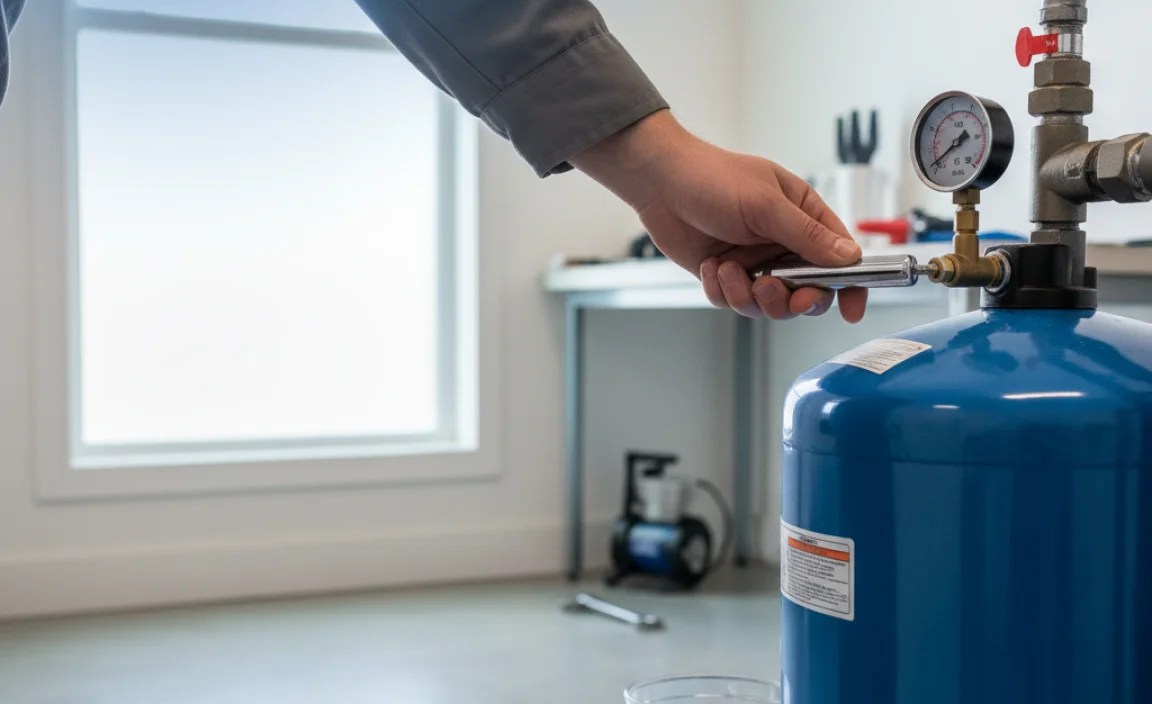
A faulty pressure tank is a common cause of pump cycling. Here’s how to test it:
- Turn off the pump: Locate the circuit breaker for your well pump and turn it off.
- Drain the system: Open a faucet at the lowest point in your house to drain all the water from the pressure tank and pipes.
- Check the air pressure: Use a tire pressure gauge to check the air pressure at the Schrader valve (usually located at the top of the tank, under a cap). The pressure should be 2 PSI below the cut-in pressure of your pump.
- Add air if needed: If the pressure is low, use an air compressor to add air to the tank until it reaches the correct pressure.
- Monitor the pressure: After adding air, monitor the pressure gauge. If the pressure drops rapidly, it indicates a leak in the tank bladder.
- Turn the pump back on: Close the faucet and turn the circuit breaker back on to restart the pump. Observe how the pump cycles. If it still cycles rapidly, the pressure tank may need to be replaced.
Solutions for Pump Cycling Problems
Once you’ve identified the cause of your pump cycling issue, you can take steps to resolve it. Here are some common solutions:
- Repair Leaks: Fix any leaks in your plumbing system promptly. Replace worn-out washers, tighten loose connections, and repair or replace damaged pipes.
- Replace the Pressure Tank: If the pressure tank is waterlogged or has a damaged bladder, it needs to be replaced. Choose a tank that is appropriately sized for your water usage and pump capacity.
- Adjust Pressure Switch Settings: Consult your pump’s manual for instructions on adjusting the cut-in and cut-out pressure settings. Make sure the settings are within the recommended range.
- Clean or Replace Well Components: If you suspect a well issue, contact a qualified well contractor to inspect the well and clean or replace any clogged components, such as the well screen.
- Repair or Replace the Pump: If the pump is worn out or damaged, it may need to be repaired or replaced. Consider upgrading to a more efficient pump model.
- Install a Cycle Stop Valve: A cycle stop valve is a device that helps maintain constant pressure in the system and reduces pump cycling. It can be a good option for homes with low water usage or long pipe runs.
Preventive Maintenance Tips
Regular maintenance can help prevent pump cycling problems and extend the lifespan of your water system. Here are some tips:
- Inspect for Leaks Regularly: Check your plumbing system for leaks at least once a month.
- Monitor Pressure Tank Health: Check the air pressure in your pressure tank every 6 months and add air as needed.
- Flush Your Water Heater: Sediment buildup in your water heater can reduce its efficiency and contribute to pressure fluctuations. Flush your water heater annually.
- Consider a Water Softener: Hard water can cause mineral buildup in pipes and fixtures, restricting water flow and leading to pump cycling. A water softener can help prevent this.
- Schedule Professional Inspections: Have your well and pump system inspected by a qualified contractor every 2-3 years.
Choosing the Right Pressure Tank
Selecting the correct pressure tank size is crucial for optimal pump cycling and system performance. Here’s a guide to help you choose the right tank:
Factors to Consider:
- Pump Capacity (GPM): The pump’s flow rate in gallons per minute (GPM) is a primary factor in determining tank size.
- Drawdown Volume: This is the amount of water the tank can deliver between pump cycles. A larger drawdown volume means fewer pump starts.
- Household Water Usage: Consider the number of people in your household and your average water consumption.
- Space Availability: Ensure you have enough space to accommodate the tank.
General Sizing Guidelines:
While a professional assessment is always recommended, here are some general guidelines:
- Small Homes (1-2 people): 20-30 gallon tank
- Medium Homes (3-4 people): 30-40 gallon tank
- Large Homes (5+ people): 40+ gallon tank
Calculating Drawdown Volume:
A more precise method involves calculating the drawdown volume based on your pump’s GPM and desired cycle time. A longer cycle time is generally better for pump longevity.
Here’s a simplified formula:
Drawdown Volume (gallons) = (Pump GPM x Desired Cycle Time (minutes)) / 2
For example, if your pump has a GPM of 10 and you want a cycle time of 2 minutes, the required drawdown volume would be (10 x 2) / 2 = 10 gallons. Choose a tank with a drawdown volume close to this value.
Consult with a plumbing professional or pressure tank manufacturer for specific sizing recommendations based on your unique circumstances.
Understanding Pressure Switch Settings
The pressure switch is a vital component that controls when your well pump turns on and off. Understanding its settings is crucial for maintaining optimal water pressure and preventing pump cycling issues.
Key Terms:
- Cut-In Pressure: The pressure at which the pump turns on.
- Cut-Out Pressure: The pressure at which the pump turns off.
- Differential: The difference between the cut-out and cut-in pressure.
Common Pressure Switch Settings:
The most common pressure switch setting is 30/50 PSI. This means the pump turns on when the pressure drops to 30 PSI (cut-in) and turns off when the pressure reaches 50 PSI (cut-out). The differential is 20 PSI.
Other common settings include 40/60 PSI, which provides higher water pressure.
Adjusting the Pressure Switch:
Caution: Working with electricity can be dangerous. If you are not comfortable working with electrical components, consult a qualified electrician.
The pressure switch typically has two adjustment nuts or screws:
- Range Nut: Adjusts both the cut-in and cut-out pressure simultaneously.
- Differential Nut: Adjusts the differential between the cut-in and cut-out pressure.
To increase the pressure, tighten the range nut. To decrease the pressure, loosen the range nut. Adjust the differential nut to fine-tune the difference between the cut-in and cut-out pressures.
Important Considerations:
- Consult the pump manufacturer’s recommendations for the appropriate pressure switch settings for your specific pump model.
- Do not exceed the maximum pressure rating of your pump or plumbing system.
- Make small adjustments and monitor the pressure gauge to ensure the pump is cycling correctly.
If you are unsure about adjusting the pressure switch, it is best to consult with a qualified plumber or well contractor.
Troubleshooting Chart
Here’s a quick reference chart to help you troubleshoot common pump cycling problems:
| Problem | Possible Cause | Solution |
|---|---|---|
| Rapid Pump Cycling | Leaks in plumbing | Inspect and repair all leaks. |
| Rapid Pump Cycling | Waterlogged pressure tank | Test and replace pressure tank if needed. |
| Rapid Pump Cycling | Incorrect pressure switch settings | Adjust pressure switch settings according to pump manufacturer’s recommendations. |
| Pump Runs Constantly | Low-yielding well | Consult with a well contractor to assess well yield. |
| Pump Runs Constantly | Pump is too small for demand | Consider upgrading to a larger pump. |
| No Water Pressure | Faulty pump | Inspect and repair or replace the pump. |
| No Water Pressure | Blocked well screen | Have the well screen cleaned or replaced by a professional. |
When to Call a Professional
While you can handle some pump cycling issues on your own, there are situations where it’s best to call a qualified professional. Consider contacting a plumber or well contractor if:
- You’re uncomfortable working with electrical components.
- You suspect a well issue, such as a low-yielding well or a contaminated water supply.
- You’ve tried troubleshooting the problem yourself and haven’t been able to resolve it.
- You notice any unusual noises or smells coming from your well or pump system.
- You’re unsure about adjusting pressure switch settings or replacing the pressure tank.
A professional can accurately diagnose the problem and recommend the appropriate solution, ensuring the safety and reliability of your water system. They can also perform more complex repairs and maintenance tasks that are beyond the scope of a typical homeowner.
FAQ: Pump Cycling Explained
Here are some frequently asked questions about pump cycling:
What is considered short cycling for a well pump?
Short cycling is when your well pump turns on and off too frequently, typically more than 4-6 times per hour. This can damage the pump and indicates an underlying issue.
How do I know if my pressure tank is bad?
If your pressure tank sounds full of water when you tap it, or if the air pressure drops rapidly after adding air, it’s likely bad and needs replacement.
Can a leaking toilet cause pump cycling?
Yes, even a small, continuous leak from a toilet can cause a gradual drop in water pressure, leading to frequent pump cycling.
What should my well pump pressure be set at?
A common setting is 30/50 PSI (cut-in/cut-out), but consult your pump’s manual for the recommended settings. The cut-in pressure should be set high enough to supply adequate pressure to the highest fixtures in your house.
How long should a well pump run before shutting off?
A well pump should run for at least one to two minutes to properly fill the pressure tank. Shorter run times indicate a problem.
Is it okay to turn off my well pump at night?
Turning off your well pump every night isn’t generally recommended, as it can put unnecessary stress on the pump motor. It’s better to address any underlying cycling issues.
How much does it cost to replace a pressure tank?
The cost to replace a pressure tank can vary depending on the size and brand of the tank, as well as labor costs. Expect to pay anywhere from $300 to $800 or more.
Conclusion
Understanding pump cycling is essential for maintaining a healthy and efficient water system. By recognizing the signs of pump cycling problems, diagnosing the underlying causes, and implementing appropriate solutions, you can extend the lifespan of your pump, conserve energy, and ensure a consistent water supply. Remember to perform regular maintenance, and don’t hesitate to call a professional when needed. With a little knowledge and effort, you can keep your water system running smoothly for years to come. Happy cycling!
“`