
How to Avoid Hose Slipping at Valve: Easy Fix!

Quick Summary: To stop hoses from slipping off valves, use hose clamps for a secure fit. Make sure the hose and valve sizes match, and the hose is pushed all the way onto the valve. Clean the valve and hose to remove any slick residue, and consider using barbed fittings for extra grip. Regularly check and tighten clamps to keep everything secure.
Ever get frustrated when a hose keeps popping off a valve? It’s a common problem, whether you’re dealing with a garden hose, a bike pump, or something in your workshop. A slipping hose can cause leaks, messes, and wasted time. But don’t worry! There are simple steps you can take to make sure your hoses stay put. We’ll walk you through everything, from choosing the right clamps to prepping the surfaces. Let’s get started and keep those hoses secure!
Why Hoses Slip Off Valves

Before we dive into fixing the problem, let’s understand why hoses slip off valves in the first place. Knowing the cause helps you choose the right solution.
- Loose Fit: The most common reason. If the hose is too big for the valve, it won’t stay on tight.
- Lack of Clamps: Without a clamp, there’s nothing to keep the hose from sliding.
- Old or Worn Hose: Hoses can stretch and lose their grip over time.
- Slick Surfaces: Oil, grease, or even water can make the surfaces slippery.
- Pressure: High pressure inside the hose can force it off the valve.
- Vibration: Vibration can loosen the hose over time.
- Temperature Changes: Heat can cause the hose to expand and contract, affecting the fit.
Tools and Materials You’ll Need

Having the right tools makes the job easier and ensures a secure fit. Here’s what you’ll likely need:
- Hose Clamps: Choose the right size for your hose and valve.
- Screwdriver or Nut Driver: To tighten the hose clamps.
- Clean Rags: For cleaning the hose and valve.
- Degreaser or Cleaner: To remove oil or grease.
- Utility Knife or Hose Cutter: To trim the hose if needed.
- Heat Gun or Hair Dryer (Optional): To soften the hose for easier installation.
- Barbed Fitting (Optional): For extra grip.
Step-by-Step Guide to Preventing Hose Slippage

Follow these steps to keep your hoses securely attached to valves.
Step 1: Choose the Right Size Hose and Valve
Make sure the hose and valve are the correct size for each other. The hose should fit snugly over the valve without being too tight or too loose. If the hose is too big, it will easily slip off. If it’s too small, you won’t be able to get it on the valve.
Step 2: Clean the Valve and Hose
Clean both the valve and the inside of the hose to remove any dirt, oil, or grease. Use a clean rag and a degreaser or cleaner. This helps the hose grip the valve better.
- Gather Supplies: Get your clean rags and degreaser.
- Apply Cleaner: Spray the degreaser on the rag.
- Wipe the Valve: Thoroughly clean the outside of the valve.
- Clean the Hose: Wipe the inside of the hose. For easier cleaning, you can spray the cleaner directly into the hose and then wipe with a rag.
- Dry: Let both the valve and hose dry completely before moving on.
Step 3: Install Hose Clamps
Hose clamps are essential for keeping hoses securely attached. They provide a tight grip that prevents slipping.
- Position the Hose: Push the hose all the way onto the valve.
- Place the Clamp: Slide the hose clamp over the hose and position it about ¼ inch from the end of the hose.
- Tighten the Clamp: Use a screwdriver or nut driver to tighten the clamp until it’s snug. Be careful not to overtighten, as this can damage the hose.
- Check the Fit: Make sure the hose is securely attached and doesn’t move when you try to pull it off.
Step 4: Use Barbed Fittings (If Needed)
Barbed fittings have ridges that grip the inside of the hose, providing extra security. These are great for high-pressure situations or when you need a really secure connection.
- Insert the Fitting: Push the barbed fitting into the end of the hose.
- Attach to Valve: Connect the fitting to the valve.
- Secure with Clamp: Use a hose clamp to secure the hose to the barbed fitting.
Step 5: Soften the Hose (If Needed)
If the hose is stiff or hard to get onto the valve, you can soften it with heat. Use a heat gun or hair dryer to warm the end of the hose, making it more flexible.
- Heat the Hose: Use a heat gun or hair dryer to gently warm the end of the hose.
- Make it Pliable: Keep the heat moving to avoid burning the hose.
- Attach Quickly: While the hose is warm and pliable, quickly push it onto the valve.
- Secure: Use a hose clamp to secure the connection.
Step 6: Check and Maintain the Connection
Regularly check the hose connections to make sure they’re still tight and secure. Over time, clamps can loosen, and hoses can wear out. Here’s how to maintain a good connection:
- Inspect Regularly: Check the hose and clamp for any signs of wear or damage.
- Tighten Clamps: If the clamp is loose, tighten it with a screwdriver or nut driver.
- Replace Worn Hoses: If the hose is cracked, brittle, or stretched out, replace it.
Types of Hose Clamps
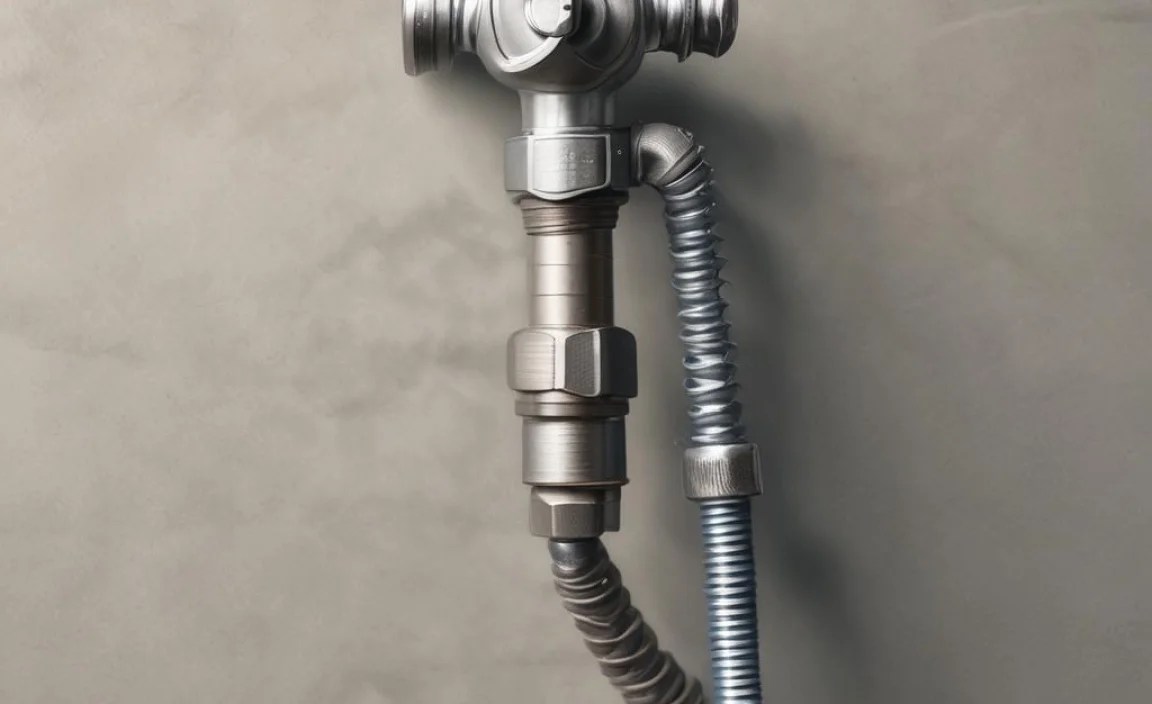
Choosing the right type of hose clamp can make a big difference in how secure your connection is. Here are some common types:
- Worm Gear Clamps: These are the most common type. They have a screw that tightens a metal band around the hose.
- Spring Clamps: These clamps use spring tension to hold the hose in place. They’re easy to install and remove.
- Ear Clamps: These clamps are crimped onto the hose using a special tool. They provide a very secure connection.
- T-Bolt Clamps: These are heavy-duty clamps that are used for high-pressure applications.
Here’s a table comparing the hose clamps:
| Clamp Type | Pros | Cons | Best For |
|---|---|---|---|
| Worm Gear Clamps | Easy to find, adjustable, reusable | Can damage hose if overtightened | General use, automotive |
| Spring Clamps | Easy to install, self-adjusting | Less secure than worm gear clamps | Low-pressure applications |
| Ear Clamps | Secure, tamper-proof | Requires special tool for installation | Automotive, industrial |
| T-Bolt Clamps | Very strong, high-pressure applications | More expensive, can be bulky | Heavy-duty use, turbochargers |
Troubleshooting Common Issues
Even with the best preparation, you might still run into some issues. Here’s how to troubleshoot them.
Hose Still Slipping
If the hose is still slipping even with a clamp, try these steps:
- Double Check Size: Make sure the hose and valve are the correct size.
- Add a Second Clamp: Use two clamps for extra security.
- Try a Barbed Fitting: If you’re not already using one, add a barbed fitting.
- Replace the Hose: The hose may be worn out and need to be replaced.
Clamp is Too Tight
Overtightening a hose clamp can damage the hose. If you think you’ve overtightened the clamp:
- Loosen the Clamp: Back off the screw until it’s snug but not too tight.
- Inspect the Hose: Look for any signs of damage, such as cracks or cuts.
- Replace if Damaged: If the hose is damaged, replace it.
Hose is Hard to Install
If the hose is difficult to get onto the valve:
- Soften with Heat: Use a heat gun or hair dryer to warm the hose.
- Use Lubricant: Apply a small amount of silicone-based lubricant to the valve.
- Check for Obstructions: Make sure there’s nothing blocking the hose or valve.
Tips for Specific Applications
The best approach to preventing hose slippage can vary depending on the application. Here are some tips for common situations.
Garden Hoses
- Use High-Quality Clamps: Garden hoses are often exposed to the elements, so use durable, rust-resistant clamps.
- Check for Leaks: Regularly inspect the connections for leaks.
- Store Properly: Store hoses out of direct sunlight to prevent them from drying out and cracking.
Bike Pumps
- Secure the Connection: Make sure the pump head is securely attached to the valve.
- Use a Locking Mechanism: Many bike pumps have a locking lever to keep the head in place.
- Check for Wear: Inspect the pump head and hose for wear and replace as needed.
Automotive Hoses
- Use High-Quality Hoses: Automotive hoses need to withstand high temperatures and pressures, so use high-quality, reinforced hoses.
- Use Proper Clamps: Use clamps that are designed for automotive use.
- Check Regularly: Regularly inspect the hoses for leaks or damage.
Cost Considerations
Preventing hose slippage doesn’t have to break the bank. Here’s a look at the costs involved.
- Hose Clamps: A pack of hose clamps typically costs between $5 and $15.
- Barbed Fittings: Barbed fittings usually cost between $1 and $5 each.
- Hoses: The cost of a hose can vary depending on the type and length. A good quality garden hose might cost $20 to $50, while an automotive hose could cost $10 to $30.
- Tools: If you don’t already have them, a screwdriver or nut driver will cost around $5 to $15. A heat gun can cost $20 to $50.
Here’s a table with an estimated cost breakdown:
| Item | Estimated Cost |
|---|---|
| Hose Clamps (Pack of 10) | $5 – $15 |
| Barbed Fittings (Each) | $1 – $5 |
| Garden Hose (25 ft) | $20 – $50 |
| Automotive Hose | $10 – $30 |
| Screwdriver/Nut Driver | $5 – $15 |
| Heat Gun | $20 – $50 |
External Resources
For more information on hose maintenance and repair, check out these resources:
- Environmental Protection Agency (EPA): Offers guidelines on water conservation and hose usage.
- Occupational Safety and Health Administration (OSHA): Provides safety standards for using hoses in the workplace.
FAQ: Preventing Hose Slippage
Here are some frequently asked questions about preventing hoses from slipping off valves.
- Why does my hose keep slipping off the valve?
- The most common reasons are a loose fit, lack of a hose clamp, old or worn hose, slick surfaces, high pressure, or vibration.
- What size hose clamp should I use?
- Choose a hose clamp that matches the outer diameter of your hose when it’s connected to the valve. The clamp should fit snugly without being too tight or too loose.
- Can I reuse hose clamps?
- Yes, you can reuse worm gear clamps and spring clamps as long as they’re not damaged. Ear clamps, however, are typically single-use.
- How often should I check my hose connections?
- Check your hose connections regularly, especially if they’re used frequently or exposed to high pressure or vibration. A monthly check is a good habit.
- What is a barbed fitting and when should I use it?
- A barbed fitting has ridges that grip the inside of the hose, providing extra security. Use it for high-pressure situations or when you need a really secure connection.
- Is it okay to use lubricant to help install a hose?
- Yes, but use a silicone-based lubricant sparingly. Avoid petroleum-based lubricants, as they can damage the hose.
- What should I do if my hose is cracked or brittle?
- Replace the hose immediately. A cracked or brittle hose is likely to leak or burst, causing damage and wasting resources.
Conclusion
Keeping your hoses securely attached to valves is all about choosing the right materials, using the right techniques, and performing regular maintenance. By selecting the correct size hose and valve, cleaning the surfaces, installing hose clamps, and using barbed fittings when necessary, you can prevent frustrating slippage and ensure reliable connections. Remember to regularly check and maintain your connections to catch any issues before they become major problems. With these tips, you’ll be able to keep your hoses secure and enjoy worry-free operation, whether you’re watering your garden, inflating your tires, or working on your car.


