
How to Make a Cycle Pump Bait Launcher: A DIY Guide

Quick Summary: Turn your old bike pump into a powerful bait launcher! You’ll need a bike pump, PVC pipe, end caps, a drill, and some adhesive. Cut the PVC pipe, attach it to the pump, create a seal, and you’re ready to launch bait accurately for fishing. This DIY project is easy, affordable, and perfect for anglers who want to improve their casting range.
Ever struggled to cast your bait far enough to reach that sweet spot in the lake or river? It’s a common frustration for anglers. Buying a commercial bait launcher can be expensive, but what if you could make one yourself using something you might already have – an old bicycle pump? It’s easier than you think! This guide provides a step-by-step process to transform your cycle pump into a reliable bait launcher, saving you money and improving your fishing game. Let’s get started and build your own bait launcher!
Why Build Your Own Bait Launcher?

Before diving into the how-to, let’s explore why creating your own bait launcher is a worthwhile project.
- Cost-Effective: Save money compared to buying a pre-made launcher.
- DIY Satisfaction: Enjoy the process of building something useful yourself.
- Customization: Tailor the launcher to your specific needs and preferences.
- Recycling: Give new life to an old or unused bike pump.
- Improved Casting Distance: Reach further fishing spots with greater accuracy.
Materials and Tools You’ll Need
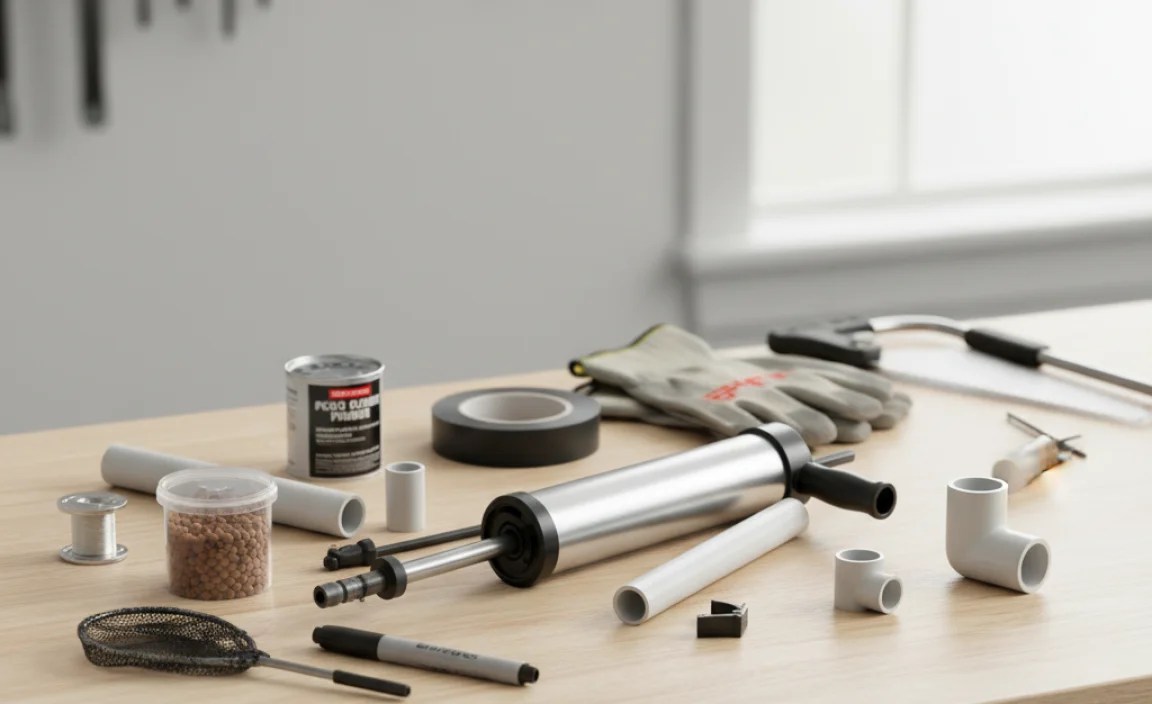
Gather these materials and tools before you start. Having everything ready will make the process smoother and more efficient.
- Old Bicycle Pump: A standard air pump will work. Make sure it’s in decent working condition.
- PVC Pipe: Choose a diameter suitable for your bait size (e.g., 1.5-inch or 2-inch). Get at least 1 foot. Schedule 40 PVC is a good choice.
- PVC End Caps: One cap to fit the end of the PVC pipe.
- PVC Cement/Adhesive: To securely attach the end cap to the PVC pipe.
- Drill: With various drill bits to create holes for attaching the pump.
- Hole Saw (Optional): If you want a super clean hole for the pump nozzle to fit into.
- Measuring Tape: For accurate measurements.
- Saw: To cut the PVC pipe to the desired length. A hand saw or PVC pipe cutter works well.
- Sandpaper or File: To smooth any rough edges on the PVC pipe after cutting.
- Safety Glasses: To protect your eyes while cutting and drilling.
- Gloves: To protect your hands.
- Clamps: Optional, but helpful for holding pieces together while the adhesive dries.
- Old Bike Tire Tube: To make a seal.
Step-by-Step Guide: Building Your Bait Launcher
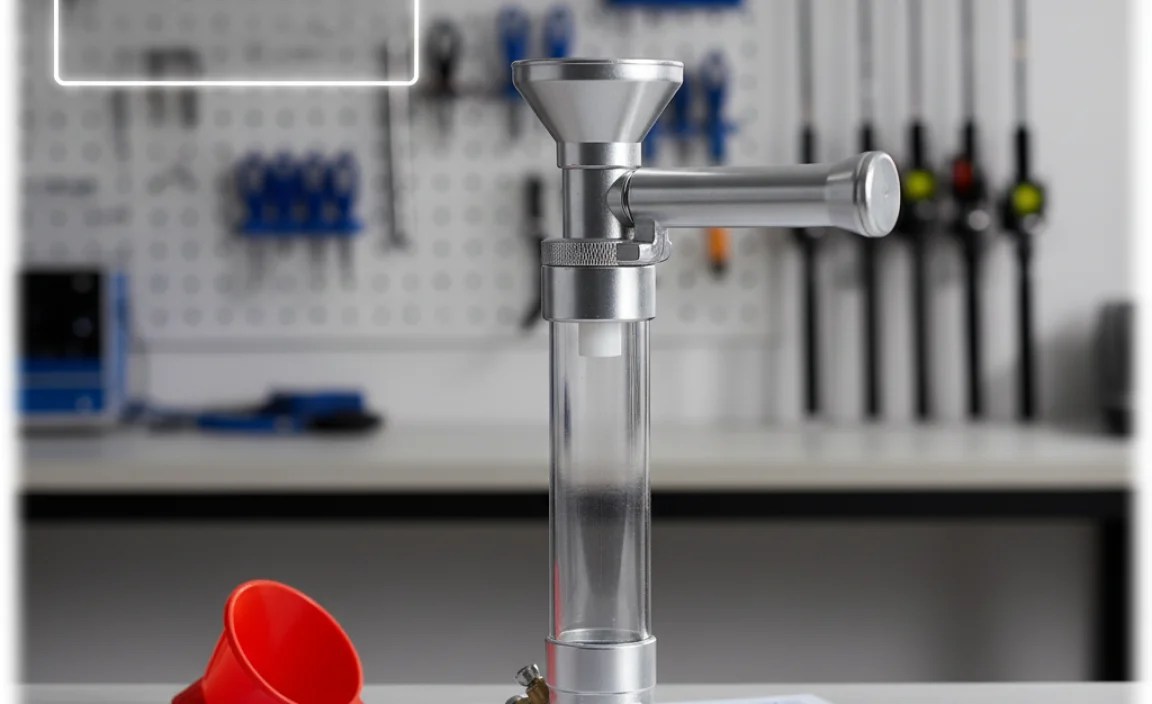
Follow these steps carefully to construct your bait launcher.
Step 1: Prepare the PVC Pipe
First, you need to cut the PVC pipe to the right length.
- Measure: Use your measuring tape to mark the desired length on the PVC pipe. A length of 8-12 inches is generally a good starting point.
- Cut: Use your saw to cut the PVC pipe at the marked location. Make sure the cut is straight and clean.
- Smooth: Use sandpaper or a file to smooth any rough edges on the cut end of the PVC pipe. This will ensure a better seal when you attach the end cap.
Step 2: Attach the End Cap
Next, you need to securely attach the end cap to one end of the PVC pipe.
- Clean: Ensure both the inside of the end cap and the outside of the PVC pipe are clean and free of debris.
- Apply Adhesive: Apply PVC cement/adhesive to both the inside of the end cap and the outside of the PVC pipe. Follow the adhesive manufacturer’s instructions for application.
- Attach: Slide the end cap onto the PVC pipe, pushing it firmly into place.
- Hold: Hold the end cap in place for the amount of time recommended by the adhesive manufacturer (usually a few minutes) to ensure a strong bond. Clamps can be helpful here.
- Cure: Allow the adhesive to fully cure according to the manufacturer’s instructions (usually several hours) before proceeding.
Step 3: Create the Pump Connection
Now, you’ll create a way to connect the bike pump to the PVC pipe.
- Mark: Decide where you want to attach the bike pump nozzle to the PVC pipe. Mark this spot. Usually, it’s best to place it near the capped end.
- Drill (Pilot Hole): Drill a small pilot hole at the marked location. This will help guide the larger drill bit.
- Drill (Larger Hole): Using a drill bit slightly smaller than the diameter of the bike pump nozzle, carefully drill a hole through the PVC pipe. If you have a hole saw that’s the right size, that will give you a cleaner hole.
- Test Fit: Insert the bike pump nozzle into the hole to ensure it fits snugly. You may need to adjust the size of the hole slightly.
Step 4: Creating a Seal
To ensure maximum air pressure and efficient launching, create a secure seal between the pump nozzle and the PVC pipe. An old bike tire tube is perfect for this.
- Cut the Tube: Cut a small piece of the old bike tire tube. The size should be large enough to wrap around the bike pump nozzle where it connects to the PVC pipe.
- Wrap the Nozzle: Wrap the rubber piece tightly around the nozzle, creating a thicker, more airtight connection.
- Insert into Hole: Carefully insert the wrapped nozzle into the drilled hole in the PVC pipe. The rubber should create a snug fit, preventing air from escaping.
- Secure (Optional): If needed, use a small clamp or zip tie to further secure the rubber seal and ensure it stays in place during use.
Step 5: Test and Refine
Before heading to the fishing spot, test your bait launcher and make any necessary adjustments.
- Load Bait: Place a small amount of bait into the open end of the PVC pipe.
- Insert Pump: Insert the bike pump nozzle into the hole.
- Pump Air: Begin pumping air into the PVC pipe. Observe how the bait launches.
- Adjust: If the bait doesn’t launch effectively, check for air leaks around the pump connection and end cap. Adjust the amount of bait as needed. Experiment to find the optimal amount of air pressure.
Tips for Optimal Performance
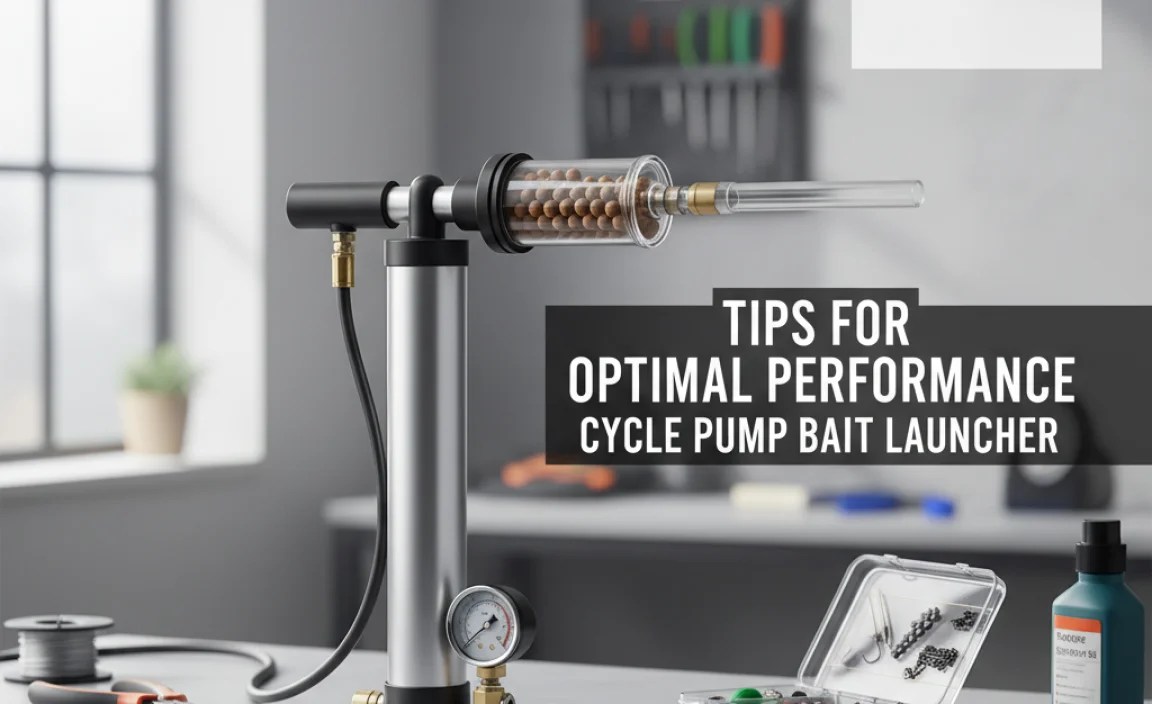
Here are some tips to help you get the best performance from your DIY bait launcher:
- Bait Consistency: Use bait that is consistent in size and shape for more accurate launches.
- Air Pressure: Experiment with different air pressures to find the optimal pressure for different types of bait and distances.
- Sealing: Ensure a good seal between the pump nozzle and the PVC pipe to maximize air pressure.
- Maintenance: Clean the PVC pipe regularly to prevent buildup of bait residue.
- Safety: Always point the launcher in a safe direction and away from people and animals.
Safety Precautions
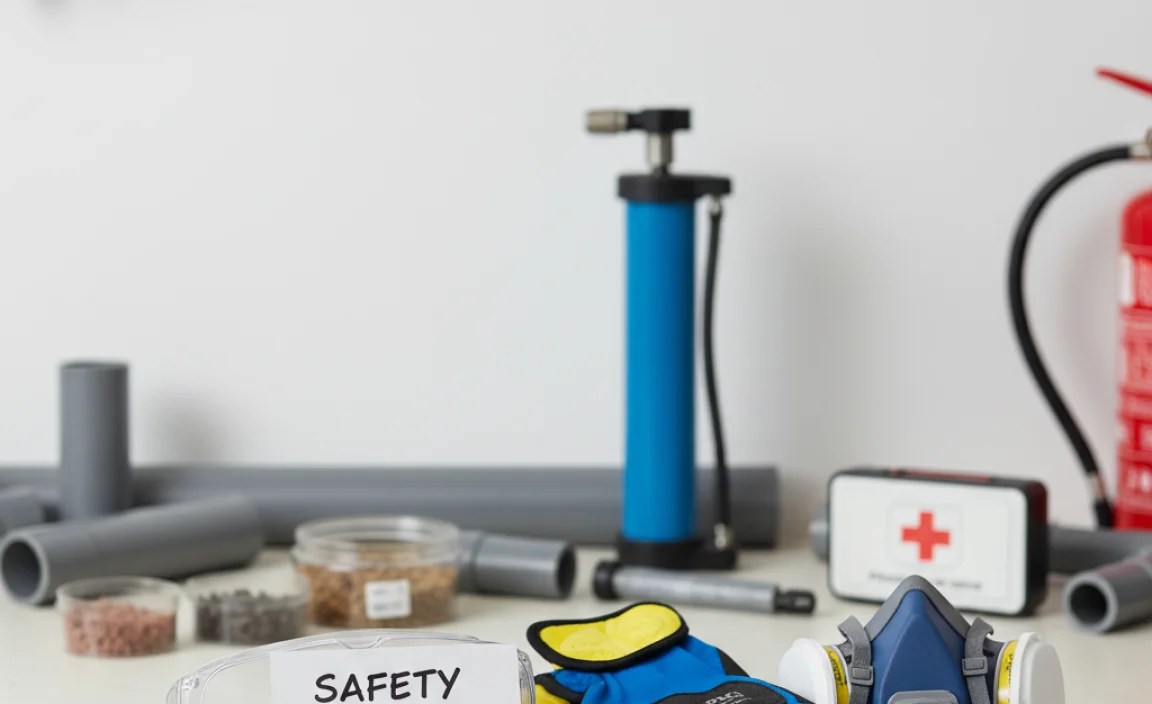
Safety should always be a priority when using any kind of launcher.
- Eye Protection: Always wear safety glasses to protect your eyes from flying debris.
- Direction: Never point the launcher at people or animals.
- Clear Area: Ensure there is a clear area in front of the launcher before firing.
- Supervision: Supervise children when they are using the launcher.
- Pressure: Do not over-pressurize the launcher, as this could cause it to burst.
Troubleshooting
Here are some common issues you might encounter and how to fix them:
| Problem | Possible Cause | Solution |
|---|---|---|
| Bait not launching far enough | Low air pressure | Pump more air or check for leaks. |
| Air leaking from connection | Poor seal | Ensure the pump nozzle is securely attached and sealed with the rubber from the old bike tire tube. |
| Bait getting stuck | Too much bait or incorrect bait size | Reduce the amount of bait or use smaller pieces. |
| Launcher bursting | Over-pressurization | Do not pump too much air into the launcher. |
Customization Ideas
Want to take your bait launcher to the next level? Here are some customization ideas:
- Handle: Add a handle to the PVC pipe for easier handling and aiming.
- Pressure Gauge: Install a small pressure gauge to monitor the air pressure inside the launcher.
- Different Nozzles: Experiment with different nozzle sizes to accommodate various types of bait.
- Paint: Paint the launcher to camouflage it or add a personal touch.
FAQ Section
Here are some frequently asked questions about making a cycle pump bait launcher:
Can I use any type of bike pump?
Yes, most standard bicycle pumps will work. However, a pump with a higher volume output will generally provide better performance.
What size PVC pipe should I use?
The best size depends on the size of the bait you plan to use. A 1.5-inch or 2-inch diameter PVC pipe is a good starting point.
How do I prevent air leaks?
Ensure a tight seal between the pump nozzle and the PVC pipe. Use rubber from an old bike tire tube to create a snug fit.
What kind of bait works best?
Small, consistent pieces of bait work best. Experiment with different types to see what works best for your fishing needs.
Is it safe to use a bike pump bait launcher?
Yes, but always follow safety precautions. Wear eye protection, never point the launcher at people or animals, and do not over-pressurize it.
How far can the bait be launched?
The launching distance depends on the air pressure and the type of bait. With proper setup, you can achieve significant casting distances.
Can I use this launcher for other purposes?
While designed for launching bait, you could potentially use it for other similar purposes, but always prioritize safety and ensure it’s appropriate for the task.
Alternative Bait Launching Methods
While a cycle pump bait launcher is a fun and cost-effective DIY project, there are other methods you can consider for launching bait. Here’s a comparison of different approaches:
| Method | Pros | Cons | Cost |
|---|---|---|---|
| DIY Cycle Pump Launcher | Cost-effective, customizable, recycles old materials | Requires DIY skills, may not be as powerful as commercial options | Low (using recycled materials) |
| Commercial Bait Launcher | Powerful, reliable, consistent performance | More expensive, less customizable | Moderate to High |
| Slingshot | Simple, portable, inexpensive | Less accurate, shorter range | Low |
| Hand Casting | No equipment needed, natural | Limited distance, can be tiring | Free |
Expanding Your DIY Fishing Gear
If you enjoyed building your own bait launcher, why not explore other DIY fishing projects? Here are a few ideas to get you started:
- DIY Fishing Rod Holder: Build a simple rod holder from PVC pipe to keep your rods organized and accessible.
- Homemade Fishing Lures: Create your own unique lures using materials like wood, metal, and plastic.
- DIY Tackle Box Organizer: Customize a tackle box with dividers and compartments to keep your gear organized.
- Homemade Fish Attractant: Create your own fish attractant using natural ingredients like anise oil, garlic, and molasses.
- DIY Net: Make your own fishing net.
Conclusion
Building your own cycle pump bait launcher is a rewarding and cost-effective project for any angler. By following these simple steps, you can transform an old bike pump into a powerful tool that will help you cast further and catch more fish. Remember to prioritize safety, experiment with different techniques, and customize your launcher to suit your specific needs. So, gather your materials, get creative, and enjoy the satisfaction of using something you built yourself on your next fishing adventure. Happy fishing!
“`


