
Why Does My Heat Pump Cycle Off Before Reaching Temperature?

Quick Summary: A heat pump that cycles off too early often suffers from issues like a dirty air filter restricting airflow, a refrigerant leak reducing its heating capacity, or a malfunctioning thermostat misreading the room temperature. Addressing these problems promptly ensures your heat pump heats your home effectively and efficiently.
Is your heat pump turning off before your home reaches the desired temperature? It’s a common problem, and it can be frustrating! You’re left feeling cold, and your energy bills might be higher than they should be. Don’t worry; you’re not alone, and there are several reasons why this might be happening. We’ll walk you through the most common causes and how to troubleshoot them. By the end of this article, you’ll have a better understanding of why your heat pump is short cycling and what you can do to fix it. Let’s get started!
Understanding Heat Pump Short Cycling

Short cycling refers to when your heat pump turns on and off too frequently, before completing a full heating cycle. This not only prevents your home from reaching the set temperature but also puts extra strain on the system, potentially shortening its lifespan. Let’s dive into the common reasons for this issue.
Dirty Air Filter
A dirty air filter is one of the most frequent culprits behind short cycling. When the filter is clogged with dust and debris, it restricts airflow to the heat pump. This causes the unit to overheat, triggering a safety mechanism that shuts it down prematurely.
Solution: Regularly check and replace your air filter. A good rule of thumb is to replace it every 1-3 months, depending on usage and the type of filter. If you have pets or allergies, you might need to replace it more often. Here’s a quick guide:
- Fiberglass filters: Replace every month.
- Pleated filters: Replace every 3 months.
- HEPA filters: Replace every 6-12 months.
Refrigerant Leaks
Refrigerant is the lifeblood of your heat pump, responsible for transferring heat between the inside and outside of your home. If there’s a leak, the system won’t have enough refrigerant to operate efficiently, leading to short cycling.
Signs of a Refrigerant Leak:
- Ice buildup on the refrigerant lines.
- Hissing or bubbling sounds from the unit.
- Higher than usual energy bills.
- The heat pump struggles to heat or cool your home.
Solution: Refrigerant leaks should be handled by a qualified HVAC technician. They can locate and repair the leak, then recharge the system with the correct amount of refrigerant. Attempting to fix this yourself can be dangerous and may void your warranty.
Oversized Heat Pump
Sometimes, the problem isn’t a malfunction but rather an improperly sized heat pump. An oversized unit will heat your home too quickly, then shut off before completing a full cycle. While it might seem like a good thing to have a powerful heat pump, it can lead to short cycling and uneven heating.
Solution: If you suspect your heat pump is oversized, consult with an HVAC professional. They can perform a load calculation to determine the correct size for your home. Replacing an oversized unit is a significant investment, but it can improve comfort and energy efficiency in the long run. Learn more about sizing your heating and cooling equipment at Energy.gov.
Faulty Thermostat
The thermostat is the brain of your heating system, telling the heat pump when to turn on and off. A malfunctioning thermostat can send incorrect signals, causing the heat pump to short cycle.
Common Thermostat Problems:
- Incorrect temperature readings.
- Loose wiring.
- Dust or debris inside the thermostat.
- Outdated or failing components.
Solution:
- Check the batteries: Replace them if they’re low.
- Clean the thermostat: Use a soft brush or compressed air to remove any dust or debris.
- Check the wiring: Ensure all connections are secure.
- Recalibrate the thermostat: Refer to the manufacturer’s instructions for how to do this.
- Consider a smart thermostat: These offer advanced features and more accurate temperature control.
Frozen Outdoor Unit
During cold weather, it’s normal for some frost to accumulate on the outdoor unit. However, excessive ice buildup can impede airflow and cause the heat pump to short cycle. This often happens when the defrost cycle isn’t working correctly.
Causes of a Frozen Outdoor Unit:
- Defrost cycle malfunction.
- Dirty outdoor coil.
- Restricted airflow around the unit.
- Low refrigerant levels.
Solution:
- Check the defrost cycle: Observe whether the unit goes into defrost mode periodically. If not, there may be a problem with the defrost timer, thermostat, or heating element.
- Clean the outdoor coil: Use a garden hose to gently wash away any dirt or debris. Be careful not to damage the fins.
- Ensure adequate airflow: Clear away any snow, leaves, or other obstructions around the unit.
- Call a professional: If the problem persists, it’s best to consult with an HVAC technician to diagnose and repair the issue.
Ductwork Issues
Leaky or poorly insulated ductwork can cause significant heat loss, forcing the heat pump to work harder and potentially short cycle. If warm air is escaping through the ducts, the system will struggle to maintain the desired temperature.
Signs of Ductwork Problems:
- Uneven heating throughout your home.
- High energy bills.
- Dusty or musty odors coming from the vents.
- Visible damage to the ductwork.
Solution:
- Inspect the ductwork: Look for any visible leaks or damage.
- Seal the ducts: Use duct tape or mastic sealant to seal any leaks you find.
- Insulate the ducts: Wrap the ducts with insulation to prevent heat loss.
- Consider professional duct sealing: For more extensive ductwork problems, it’s best to hire a professional to seal and insulate the ducts properly.
Electrical Problems
Electrical issues, such as a loose connection or a failing capacitor, can also cause a heat pump to short cycle. These problems can disrupt the flow of electricity to the unit, causing it to turn on and off erratically.
Signs of Electrical Problems:
- The heat pump turns on and off rapidly.
- The unit makes unusual noises.
- The circuit breaker trips frequently.
- There’s a burning smell coming from the unit.
Solution: Electrical problems should be addressed by a qualified electrician or HVAC technician. They can diagnose and repair any electrical issues safely and effectively. Never attempt to fix electrical problems yourself unless you have the necessary training and experience.
Troubleshooting Steps
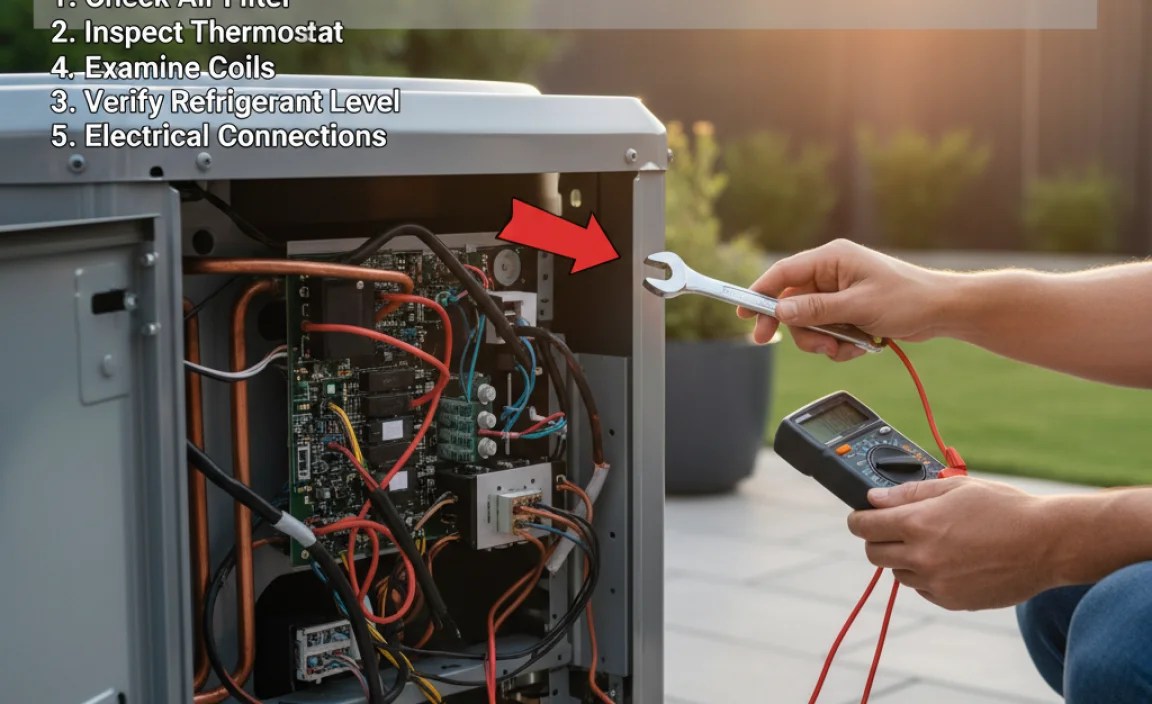
Here’s a step-by-step guide to help you troubleshoot why your heat pump is short cycling:
- Check the air filter: Replace it if it’s dirty.
- Inspect the outdoor unit: Make sure it’s free of ice and debris.
- Check the thermostat: Ensure it’s set correctly and functioning properly.
- Listen for unusual noises: This could indicate a mechanical or electrical problem.
- Monitor the unit’s behavior: Note how often it cycles on and off.
Preventative Maintenance
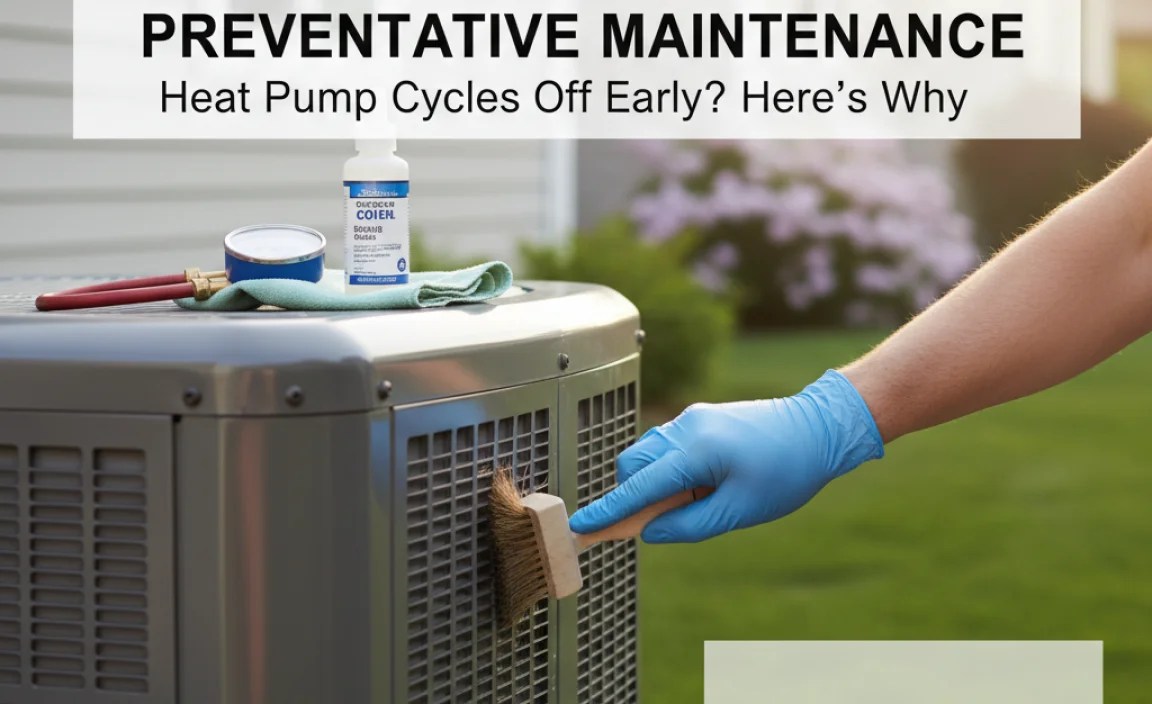
Regular maintenance is key to preventing short cycling and keeping your heat pump running smoothly. Here are some essential maintenance tasks:
- Change the air filter regularly.
- Clean the outdoor coil annually.
- Inspect the ductwork for leaks.
- Schedule professional maintenance: Have your heat pump inspected and serviced by an HVAC technician at least once a year.
DIY vs. Professional Help
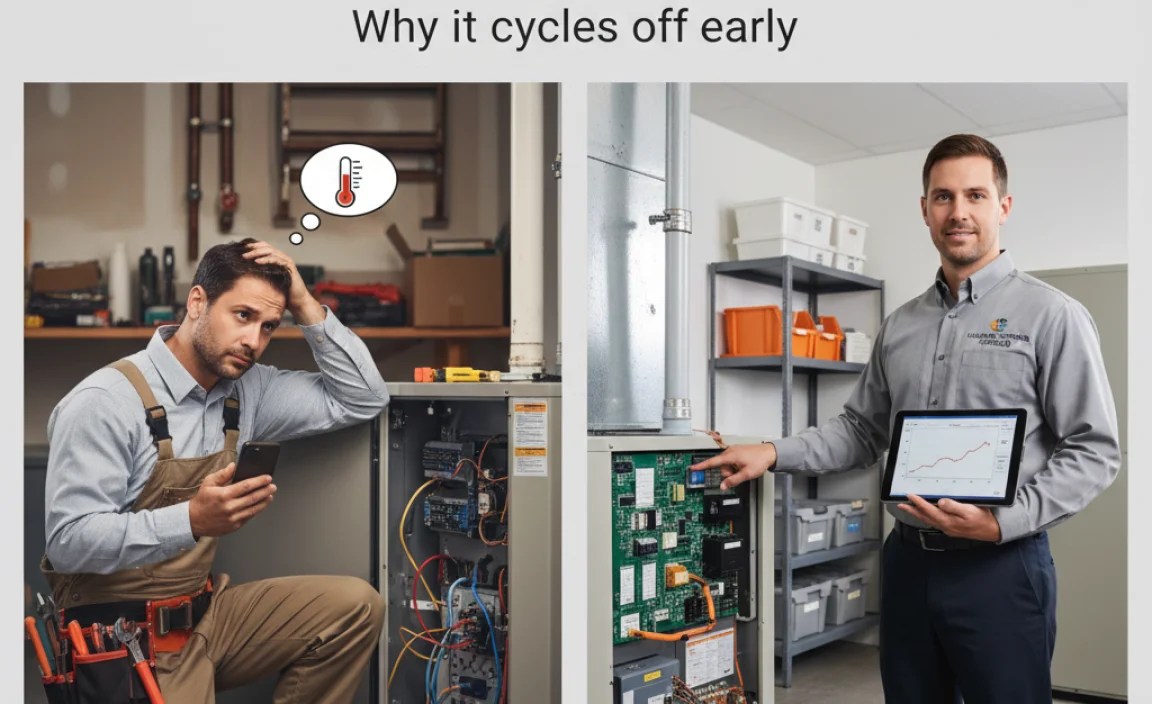
Some heat pump problems, like replacing the air filter or cleaning the outdoor coil, can be easily handled yourself. However, more complex issues, such as refrigerant leaks or electrical problems, should be left to a professional. Knowing when to DIY and when to call for help can save you time, money, and potential headaches.
Here’s a table to help you decide:
| Problem | DIY | Professional Help |
|---|---|---|
| Dirty Air Filter | Yes | No |
| Frozen Outdoor Unit (Minor) | Yes | No |
| Faulty Thermostat (Basic) | Yes | No |
| Refrigerant Leak | No | Yes |
| Oversized Heat Pump | No | Yes |
| Frozen Outdoor Unit (Major) | No | Yes |
| Faulty Thermostat (Complex) | No | Yes |
| Ductwork Issues (Major) | No | Yes |
| Electrical Problems | No | Yes |
Cost Considerations
The cost of fixing a short cycling heat pump can vary depending on the problem. Replacing a dirty air filter is inexpensive, while repairing a refrigerant leak or replacing an oversized unit can be more costly. Here’s a general idea of potential expenses:
| Problem | Estimated Cost |
|---|---|
| Air Filter Replacement | $5 – $20 |
| Thermostat Replacement | $50 – $300 |
| Refrigerant Leak Repair | $200 – $1000 |
| Ductwork Sealing and Insulation | $200 – $2000 |
| Heat Pump Replacement | $4,000 – $10,000+ |
It’s always a good idea to get multiple quotes from different HVAC contractors before committing to a repair or replacement. Also, consider the long-term energy savings that can result from fixing the problem.
FAQ About Heat Pump Short Cycling
Why is my heat pump turning on and off so frequently?
Frequent on-off cycles, known as short cycling, can be caused by a dirty air filter, refrigerant leaks, an oversized unit, a faulty thermostat, or ductwork problems.
Can a dirty air filter cause my heat pump to short cycle?
Yes, a dirty air filter restricts airflow, causing the heat pump to overheat and shut down prematurely.
How often should I replace my heat pump’s air filter?
Replace your air filter every 1-3 months, depending on usage and the type of filter. More frequent changes may be needed if you have pets or allergies.
Is it normal for my heat pump to have ice on the outdoor unit?
Some frost is normal, but excessive ice buildup can indicate a problem with the defrost cycle or airflow.
Can I fix a refrigerant leak myself?
No, refrigerant leaks should be repaired by a qualified HVAC technician due to safety and environmental concerns.
How do I know if my heat pump is the right size for my home?
An HVAC professional can perform a load calculation to determine the correct size for your home. An oversized unit can lead to short cycling.
What are the benefits of regular heat pump maintenance?
Regular maintenance prevents short cycling, improves energy efficiency, extends the lifespan of your unit, and ensures optimal performance.
Conclusion
A heat pump that’s short cycling can be a real headache, but understanding the potential causes is the first step towards fixing the problem. From simple solutions like replacing the air filter to more complex repairs like fixing a refrigerant leak, there are several things you can do to get your heat pump back on track. Remember to prioritize safety and consult with a professional when needed. By addressing the root cause of the short cycling, you can improve your home’s comfort, lower your energy bills, and extend the life of your heat pump. Now you have the knowledge to keep your heat pump running efficiently and your home cozy all season long!
“`


