
Bicycle Air Pump Spare Parts: Find Yours Easy!

Quick Summary: Need to fix your bike pump? Common bicycle air pump spare parts include seals, hoses, gauges, and valve adapters. Knowing how to identify and replace these parts can save you money and keep your tires properly inflated. We’ll guide you through the essentials, making pump repair simple and effective.
Is your bike pump not working like it used to? Don’t worry, you don’t always need to buy a new one. Bike pumps often have parts that wear out over time, but the good news is that many of these parts are easy to replace. By understanding the common spare parts and how to install them, you can keep your pump working perfectly and save some money. Let’s dive into the world of bicycle air pump spare parts and get your pump back in action!
Understanding Bicycle Air Pump Spare Parts

Bike pumps are essential tools for any cyclist. Over time, however, certain parts can wear out or break. Knowing which parts are most likely to need replacement can help you maintain your pump and avoid the cost of buying a new one.
Common Spare Parts
Here are some of the most common spare parts for bicycle air pumps:
- Seals and O-rings: These are crucial for maintaining air pressure and preventing leaks.
- Hoses: Hoses can crack or become brittle over time, leading to air loss.
- Gauges: A faulty gauge can give inaccurate pressure readings.
- Valve Adapters: These allow you to inflate different types of valves (Presta, Schrader, Dunlop).
- Handles and Bases: While less frequent, these can break due to physical stress.
- Internal Pistons: The piston is the heart of the pump, and its components can wear out.
Why Parts Fail
Understanding why these parts fail can help you prevent future issues. Common causes include:
- Wear and Tear: Regular use naturally degrades parts over time.
- Environmental Factors: Exposure to sunlight, heat, and moisture can damage rubber and plastic components.
- Improper Use: Using the pump incorrectly or forcing it can cause parts to break.
- Lack of Maintenance: Neglecting cleaning and lubrication can accelerate wear.
Essential Tools for Pump Repair

Before you start replacing parts, make sure you have the right tools. Having the correct tools makes the job easier and prevents damage to the pump.
Basic Toolkit
Here’s a list of tools you’ll likely need:
- Screwdrivers: Both Phillips head and flathead screwdrivers in various sizes.
- Pliers: Needle-nose pliers are useful for gripping small parts.
- Wrenches: Adjustable wrenches or a set of fixed-size wrenches.
- Hex Keys (Allen Wrenches): A set of metric hex keys is essential for many pump repairs.
- Lubricant: Silicone grease or oil to lubricate moving parts.
- Utility Knife or Scissors: For cutting hoses or trimming seals.
- Gloves: To keep your hands clean and protected.
Advanced Tools (Optional)
Depending on the complexity of the repair, you might need these:
- মাল্টিমিটার: To test the gauge if it is electronic.
- Pressure Gauge: A separate gauge to verify the accuracy of your pump’s gauge after repair.
- Parts Organizer: Small containers to keep screws and small parts organized.
Step-by-Step Guide to Replacing Common Parts

Now, let’s get into the details of replacing some of the most common parts in your bike pump.
Replacing Seals and O-Rings
Seals and O-rings are vital for maintaining air pressure. If your pump is leaking, these are often the first things to check.
- Identify the Leaking Seal: Listen for hissing sounds or feel for air escaping around joints.
- Disassemble the Pump: Use screwdrivers or wrenches to carefully take apart the pump, noting the location of each seal.
- Remove the Old Seal: Use a small, pointed tool to gently pry out the old seal. Be careful not to scratch the surrounding surfaces.
- Clean the Area: Wipe the area clean with a cloth to remove any dirt or debris.
- Install the New Seal: Apply a small amount of silicone grease to the new seal. This helps it slide into place and creates a better seal.
- Reassemble the Pump: Put the pump back together, ensuring all parts are properly aligned.
- Test the Pump: Inflate a tire to check for leaks. If you still hear hissing, double-check the seal and reassemble if necessary.
Replacing a Hose
A cracked or brittle hose can lead to significant air loss. Replacing it is a straightforward process.
- Remove the Old Hose: Use a utility knife or scissors to cut the old hose near the connection points.
- Detach the Hose Ends: Use pliers or wrenches to remove the hose ends from the pump and valve connector.
- Measure the New Hose: Cut the new hose to the same length as the old one.
- Attach the Hose Ends: Secure the hose ends to the new hose, ensuring they are tightly fitted.
- Connect the Hose: Attach the hose to the pump and valve connector, tightening any screws or clamps.
- Test for Leaks: Inflate a tire to check for leaks around the hose connections.
Replacing a Gauge
An inaccurate gauge can lead to over- or under-inflated tires. Here’s how to replace it.
- Remove the Old Gauge: Use a wrench to unscrew the old gauge from the pump.
- Disconnect Any Wires (if applicable): If the gauge is electronic, disconnect any wires.
- Install the New Gauge: Screw the new gauge into the pump, tightening it securely.
- Reconnect Wires (if applicable): If the gauge is electronic, reconnect the wires according to the manufacturer’s instructions.
- Test the Gauge: Use a separate, reliable pressure gauge to verify the accuracy of the new gauge.
Replacing Valve Adapters
Valve adapters can wear out or become damaged, making it difficult to inflate tires.
- Remove the Old Adapter: Unscrew or detach the old adapter from the pump head.
- Install the New Adapter: Screw or attach the new adapter to the pump head, ensuring it is securely fastened.
- Test the Adapter: Try inflating a tire with the new adapter to ensure it works properly and doesn’t leak.
Troubleshooting Common Pump Problems
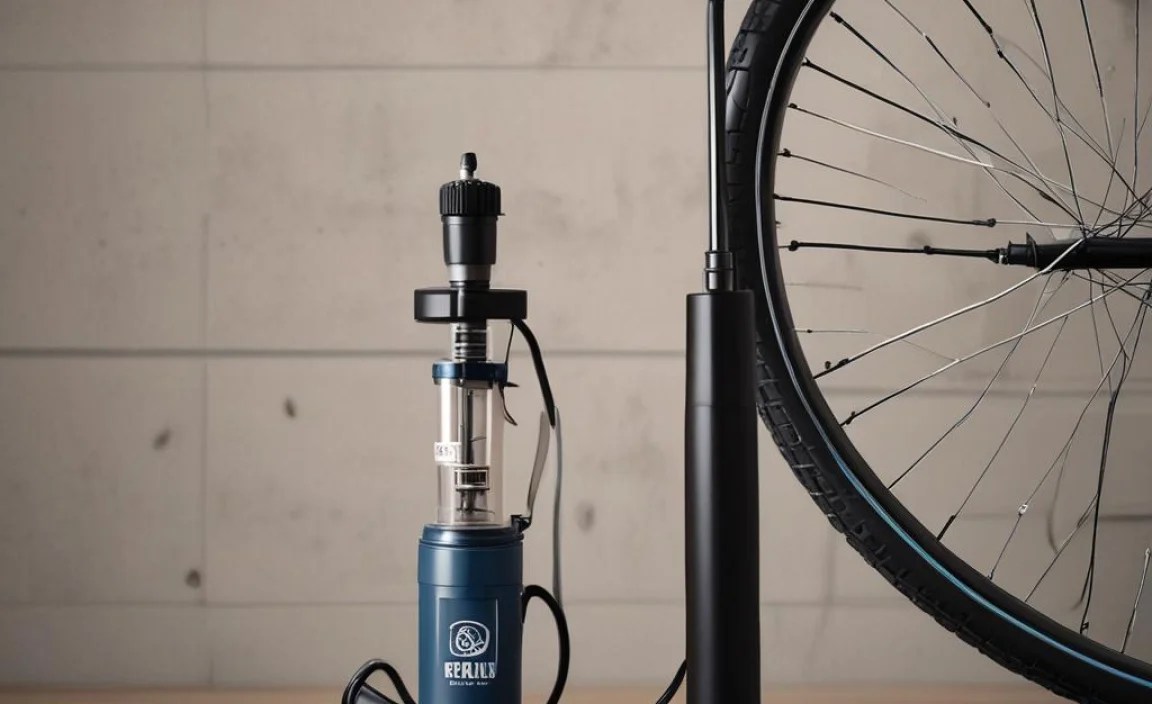
Even with new spare parts, you might encounter issues. Here are some troubleshooting tips.
Pump Not Building Pressure
- Check Seals: Ensure all seals are properly installed and lubricated.
- Inspect the Hose: Look for cracks or leaks in the hose.
- Examine the Piston: The piston may need cleaning or replacement.
Air Leaking from Connections
- Tighten Connections: Make sure all connections are tight and secure.
- Replace Washers: Worn washers can cause leaks.
- Use Teflon Tape: Apply Teflon tape to threaded connections to create a better seal.
Gauge Inaccurate
- Check the Needle: Ensure the needle moves freely and returns to zero when not in use.
- Replace the Gauge: If the gauge is consistently inaccurate, it may need replacement.
- Compare with Another Gauge: Use a separate gauge to verify the pressure reading.
Maintenance Tips to Extend Pump Life

Proper maintenance can significantly extend the life of your bike pump. Here are some tips.
- Clean Regularly: Wipe down the pump with a damp cloth to remove dirt and debris.
- Lubricate Moving Parts: Apply silicone grease or oil to moving parts to keep them working smoothly.
- Store Properly: Store the pump in a cool, dry place away from direct sunlight.
- Inspect Regularly: Check the pump for signs of wear or damage and replace parts as needed.
Choosing the Right Spare Parts
Selecting the correct spare parts is crucial for a successful repair. Here’s what to consider.
Compatibility
Ensure the spare parts are compatible with your specific pump model. Check the manufacturer’s website or the pump’s manual for part numbers and specifications.
Quality
Opt for high-quality spare parts from reputable brands. While cheaper alternatives may be tempting, they often don’t last as long and can compromise the pump’s performance.
Material
Consider the material of the spare parts. Rubber seals should be made from durable, high-quality rubber that can withstand pressure and temperature changes. Hoses should be made from reinforced materials that won’t crack or kink easily.
Where to Buy Spare Parts
You can find bicycle air pump spare parts at various locations.
- Local Bike Shops: Local bike shops often carry a range of spare parts and can provide advice on choosing the right ones.
- Online Retailers: Websites like Amazon and eBay offer a wide selection of spare parts from various brands.
- Manufacturer Websites: Check the manufacturer’s website for your pump. They often sell spare parts directly.
Cost Considerations
Repairing your bike pump is often more cost-effective than buying a new one. Here’s a breakdown of potential costs.
| Part | Estimated Cost |
|---|---|
| Seal Kit | $5 – $15 |
| Hose | $10 – $20 |
| Gauge | $15 – $30 |
| Valve Adapter | $5 – $10 |
Keep in mind that these are estimated costs and can vary depending on the brand and quality of the parts.
When to Replace vs. Repair
Sometimes, despite your best efforts, a pump may be beyond repair. Here are some scenarios to consider.
When to Repair
- Minor Leaks: If the pump has a minor leak that can be fixed by replacing a seal or O-ring.
- Faulty Gauge: If the gauge is inaccurate but the pump still builds pressure.
- Damaged Hose: If the hose is cracked or brittle but the pump is otherwise functional.
When to Replace
- Major Damage: If the pump has significant physical damage, such as a broken base or handle.
- Internal Component Failure: If the internal piston or other critical components are severely worn or broken.
- Cost Prohibitive: If the cost of spare parts and repairs exceeds the cost of a new pump.
Advanced Repair Techniques
For more experienced DIYers, here are some advanced repair techniques.
Piston Replacement
Replacing the piston involves disassembling the pump’s internal components. This requires a good understanding of how the pump works and careful attention to detail.
- Disassemble the Pump: Remove the outer casing and any other components that block access to the piston.
- Remove the Old Piston: Carefully remove the old piston, noting its orientation and any associated parts.
- Clean the Cylinder: Clean the cylinder with a soft cloth to remove any debris or buildup.
- Install the New Piston: Install the new piston, ensuring it is properly aligned and lubricated.
- Reassemble the Pump: Put the pump back together, ensuring all parts are properly aligned and secured.
- Test the Pump: Inflate a tire to check for proper function and pressure build-up.
Gauge Calibration
Calibrating a gauge involves adjusting its internal mechanisms to ensure accurate pressure readings. This requires specialized tools and a good understanding of gauge mechanics.
- Access the Calibration Screw: Locate the calibration screw on the gauge. This is usually a small screw on the back or side of the gauge.
- Use a Reference Gauge: Connect the pump to a separate, reliable pressure gauge.
- Adjust the Calibration Screw: Use a small screwdriver to adjust the calibration screw until the pump’s gauge matches the reading on the reference gauge.
- Test and Fine-Tune: Test the gauge at different pressure levels and fine-tune the calibration as needed.
Safety Precautions
When working with tools and mechanical devices, always take safety precautions.
- Wear Safety Glasses: Protect your eyes from flying debris.
- Use Gloves: Protect your hands from sharp edges and chemicals.
- Work in a Well-Lit Area: Ensure you have adequate lighting to see what you’re doing.
- Disconnect Power: If working with an electric pump, disconnect it from the power source before disassembling.
- Follow Manufacturer’s Instructions: Always follow the manufacturer’s instructions for disassembly, repair, and reassembly.
Bicycle Air Pump Spare Parts – FAQs
Here are some frequently asked questions about bicycle air pump spare parts.
- Q: Where can I find the model number of my bike pump?
- A: The model number is usually printed on a sticker or engraved on the pump’s body, often near the base or handle.
- Q: Can I use generic spare parts for my bike pump?
- A: While some generic parts may work, it’s best to use parts specifically designed for your pump model to ensure compatibility and performance.
- Q: How often should I lubricate my bike pump?
- A: Lubricate your pump every few months or whenever you notice it becoming stiff or difficult to use.
- Q: What type of lubricant should I use on my bike pump?
- A: Use silicone grease or oil, as these are safe for rubber and plastic components.
- Q: My pump is leaking air where the hose connects to the valve. What should I do?
- A: Check the hose connection for tightness. If it’s tight, the valve adapter may be worn or damaged and need replacement.
- Q: How do I know if my pump gauge is accurate?
- A: Compare the reading on your pump’s gauge with a separate, reliable pressure gauge.
- Q: Is it worth repairing an old bike pump, or should I just buy a new one?
- A: If the pump is of good quality and the repairs are relatively simple and inexpensive, it’s often worth repairing. However, if the pump is severely damaged or the repairs are costly, buying a new one may be more practical.
Conclusion
Maintaining your bicycle air pump by replacing worn or damaged parts is a straightforward process that can save you money and keep your tires properly inflated. By understanding the common spare parts, having the right tools, and following the step-by-step guides, you can keep your pump working efficiently for years to come. Regular maintenance and timely repairs not only extend the life of your pump but also ensure you always have a reliable tool for keeping your tires at the perfect pressure. So, next time your pump starts acting up, don’t rush to buy a new one—consider a simple repair instead. Happy cycling!


