
How to Fill a Swimming Tube with a Cycle Pump

Quick Summary: Yes, you can inflate a swimming tube with a cycle pump! You’ll likely need a cone adapter or universal adapter to create a tight seal between the pump nozzle and the tube’s valve. Secure the adapter, pump until the tube is firm but not overinflated, and you’re ready to hit the water! This guide walks you through the process step-by-step.
Ever been ready for a relaxing day at the pool or beach, only to find your swimming tube is flat? It’s a common frustration! While you might not have a fancy air compressor handy, chances are you have a cycle pump for your bike tires. Good news: you can often use it to inflate your swimming tube. It might seem tricky at first, but with the right adapter and a few simple steps, you’ll be floating in no time. This guide provides a clear, easy-to-follow method for inflating your swimming tube with a cycle pump, making sure your fun in the sun isn’t delayed.
What You’ll Need
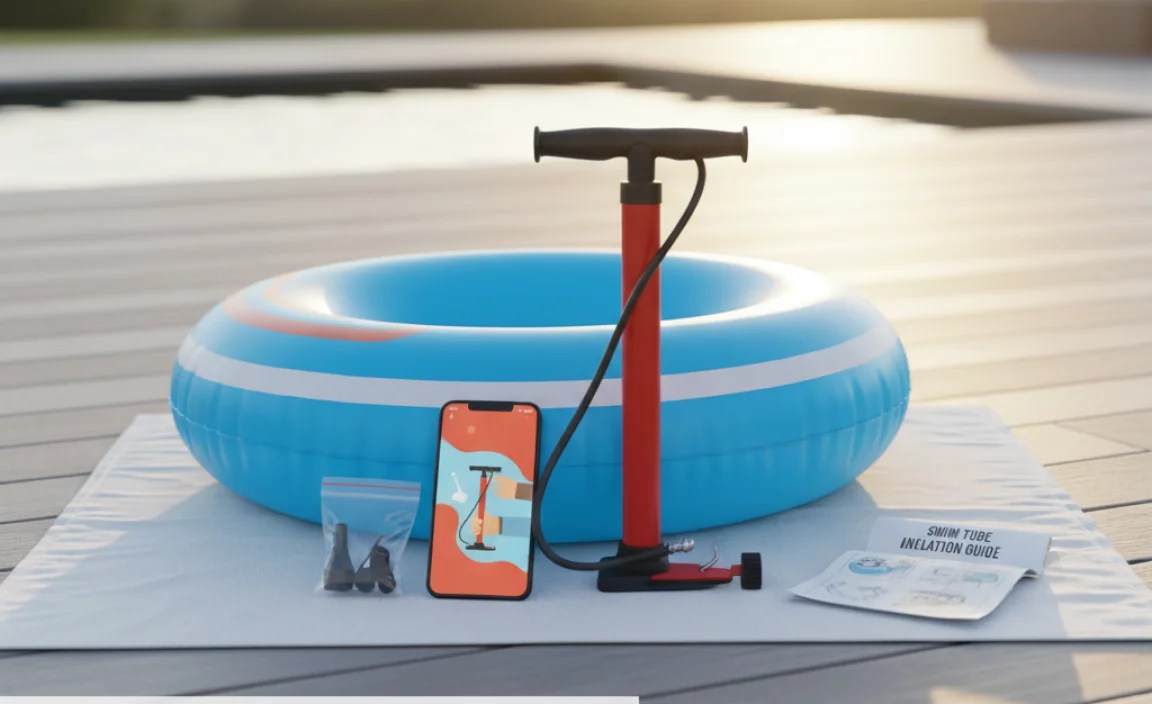
Before you start, gather these essential items:
- Swimming Tube: The inflatable you want to fill.
- Cycle Pump: A standard bike pump, either floor or hand pump, will work.
- Adapter (Cone-Shaped or Universal): This is crucial for creating a tight seal. Most swimming tube valves are larger than bike tire valves.
- Scissors or Knife (Optional): To trim the adapter if needed for a better fit.
Step-by-Step Guide: Inflating Your Swimming Tube

Follow these simple steps to inflate your swimming tube using your cycle pump:
Step 1: Identify the Valve Type
Examine the valve on your swimming tube. Most commonly, you’ll find one of these types:
- Boston Valve: A two-part valve with a larger opening for quick inflation and deflation.
- Stem Valve: A simpler, one-piece valve, often with a smaller opening.
- Pinch Valve: You need to pinch the base of the valve to allow air to flow in or out.
Step 2: Choose the Right Adapter
The key to successful inflation is using the correct adapter. Here’s how to select one:
- Cone-Shaped Adapter: These rubber adapters are tapered, allowing you to fit them snugly into various valve sizes.
- Universal Adapter: These often come with multiple attachments to fit different valves.
Tip: Many cycle pumps come with adapter sets. Check your pump accessories before purchasing a new adapter.
Step 3: Prepare the Adapter
Sometimes, the adapter needs a little modification to fit perfectly. Here’s what to do:
- Test the Fit: Try inserting the adapter into the swimming tube’s valve. It should fit snugly but not be forced.
- Trim if Necessary: If the adapter is too large, carefully trim the end with scissors or a knife to create a better fit. Cut small amounts at a time to avoid making the opening too wide.
Step 4: Connect the Adapter to the Pump
Attach the adapter to the cycle pump:
- Threaded Connection: If your pump has a threaded nozzle, screw the adapter onto it securely.
- Lever Lock: If your pump uses a lever lock, insert the adapter and then close the lever to create a tight seal.
Step 5: Insert the Adapter into the Valve
Now, connect the pump to the swimming tube:
- Boston Valve or Stem Valve: Firmly insert the adapter into the valve opening. Ensure a snug fit to prevent air leakage.
- Pinch Valve: Pinch the base of the valve open and hold it while inserting the adapter. Maintain the pinch to allow airflow.
Step 6: Begin Pumping
Start pumping air into the swimming tube:
- Steady Pumping: Use smooth, consistent strokes on the pump.
- Monitor Inflation: Check the tube’s firmness frequently. You want it to be firm but not overinflated. Overinflation can cause the tube to burst, especially in hot weather.
Step 7: Remove the Adapter and Seal the Valve
Once the tube is sufficiently inflated:
- Quick Removal: Quickly remove the adapter from the valve to minimize air loss.
- Secure the Valve: Close the valve tightly. For Boston valves, replace both parts of the valve cap. For stem valves, ensure the valve cap is screwed on securely. For pinch valves, simply release the pinch.
Troubleshooting Tips
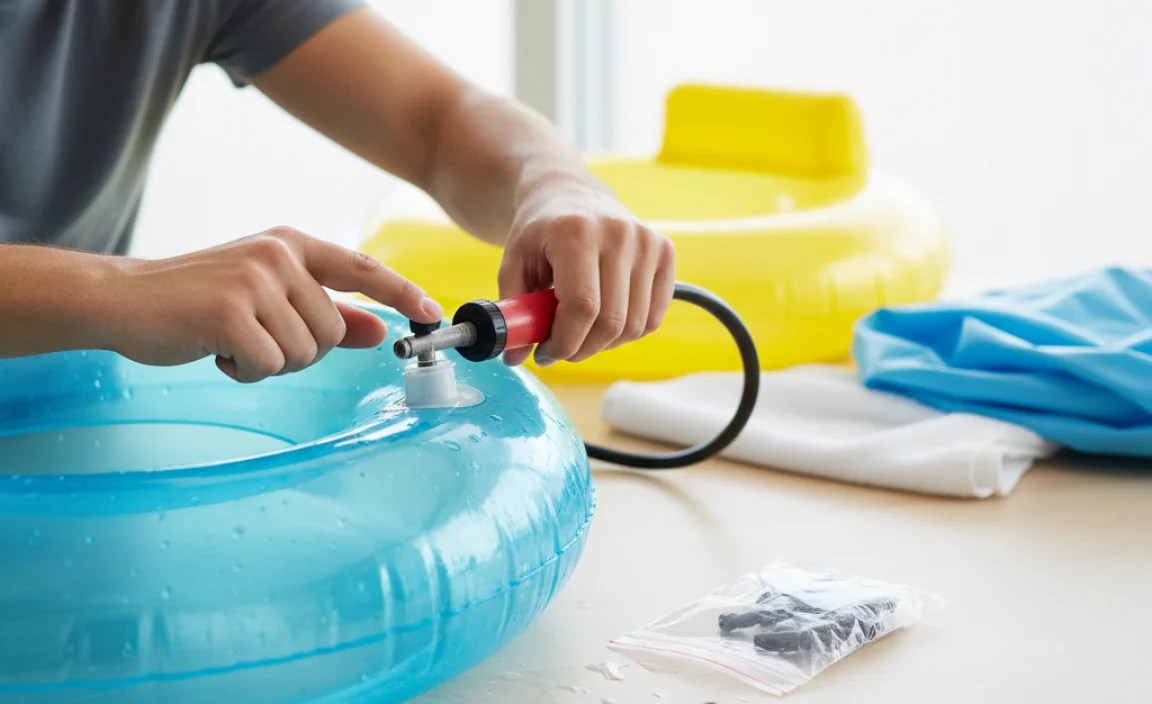
Encountering problems? Here are some common issues and solutions:
- Air Leaking:
- Problem: Air escapes around the adapter.
- Solution: Ensure the adapter is properly sized and securely fitted. Try a different adapter or add tape to create a tighter seal.
- Pump Not Pumping:
- Problem: The pump isn’t building pressure.
- Solution: Check the pump’s internal seals and ensure the hose is properly connected. Make sure the pump is set to inflate, not deflate.
- Valve Not Sealing:
- Problem: Air leaks from the valve after inflation.
- Solution: Ensure the valve cap is tightly secured. If the valve is damaged, you may need to replace the swimming tube.
Choosing the Right Cycle Pump
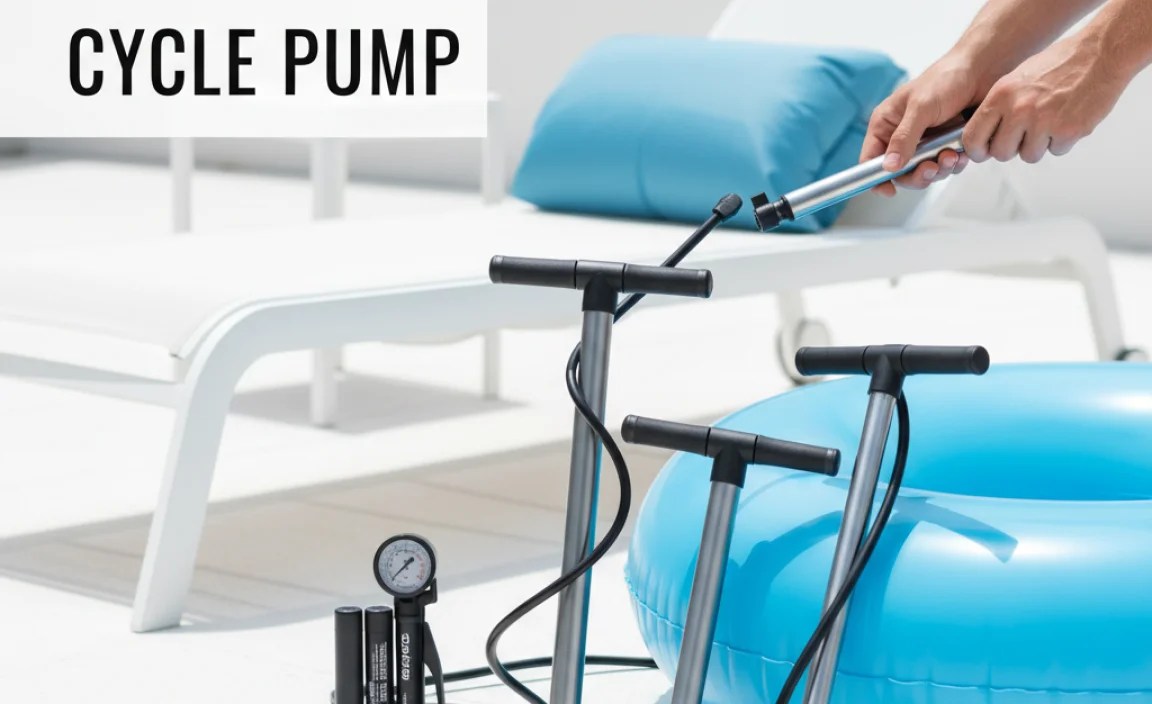
If you’re looking to upgrade your cycle pump, consider these factors:
- Type:
- Floor Pump: Offers greater pumping power and stability. Ideal for home use.
- Hand Pump: Portable and lightweight, perfect for on-the-go inflation.
- Pressure Gauge: A built-in gauge helps you monitor inflation accurately.
- Adapter Compatibility: Choose a pump that comes with multiple adapters or is compatible with universal adapters.
Here’s a quick comparison of floor and hand pumps:
| Feature | Floor Pump | Hand Pump |
|---|---|---|
| Pumping Power | High | Moderate |
| Portability | Low | High |
| Stability | High | Low |
| Ease of Use | High | Moderate |
| Best For | Home use, quick inflation | On-the-go, emergency inflation |
Safety Tips
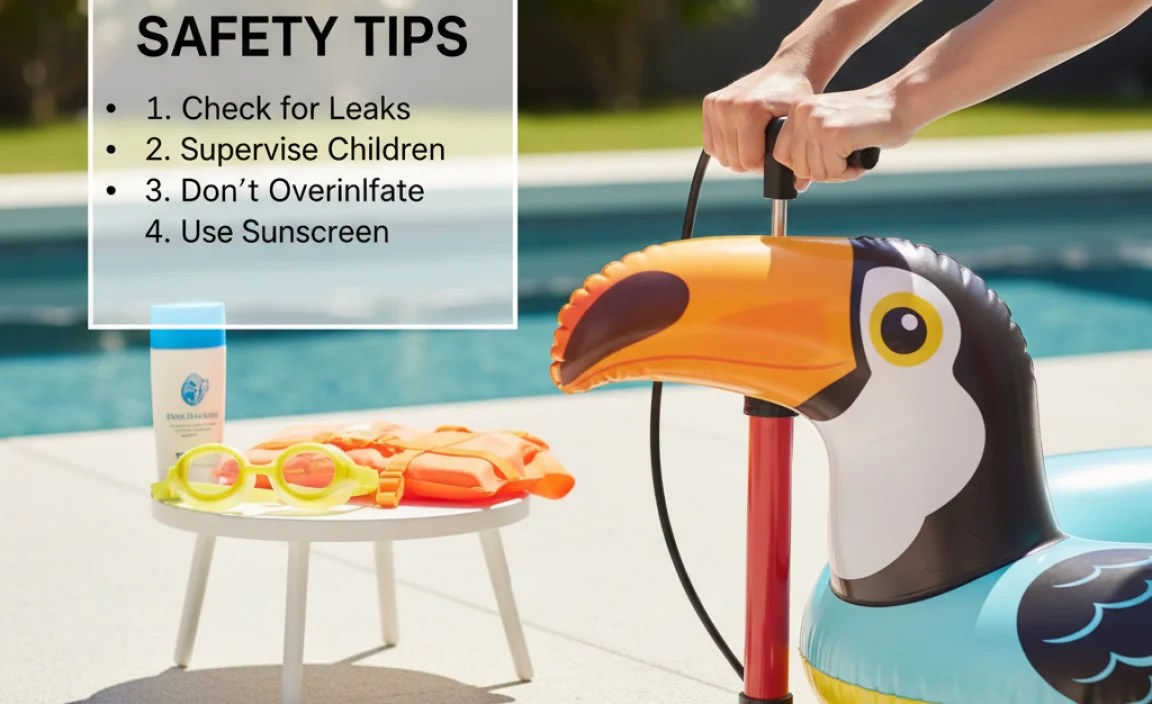
Keep these safety tips in mind while inflating your swimming tube:
- Avoid Overinflation: Overinflating can cause the tube to burst, especially in hot weather. Inflate until firm, but not rock-hard.
- Check for Leaks: Before using the tube, check for any leaks. Submerge it in water and look for bubbles.
- Supervise Children: Always supervise children when they are using swimming tubes.
- Use in Safe Areas: Only use swimming tubes in designated swimming areas and avoid strong currents or deep water if you are not a strong swimmer.
Alternatives to Cycle Pumps
If you don’t have a cycle pump, here are some alternative options:
- Electric Air Pump: These pumps are designed for inflating inflatable items quickly and easily.
- Air Compressor: If you have an air compressor, you can use it with the appropriate adapter.
- Manual Bellows Pump: These pumps are foot-operated and can inflate items with a bit more effort.
FAQ: Common Questions About Inflating Swimming Tubes
Here are some frequently asked questions about inflating swimming tubes:
- Can I use any cycle pump to inflate a swimming tube?
- Most cycle pumps can be used, but you’ll likely need an adapter to fit the tube’s valve. Floor pumps generally provide more power and stability than hand pumps.
- What type of adapter do I need?
- A cone-shaped adapter or a universal adapter is typically required. These adapters create a tight seal between the pump nozzle and the tube’s valve.
- How do I know if I’ve overinflated the swimming tube?
- The tube should be firm but not rock-hard. Overinflation can cause the tube to burst, especially in hot weather. If it feels too tight, release some air.
- What if I don’t have an adapter?
- You can purchase adapters at most sporting goods stores or online. Alternatively, try using a makeshift adapter, like a piece of rubber tubing, but ensure it creates a secure seal.
- Can I use an electric air pump for car tires to inflate a swimming tube?
- Yes, but you’ll still need an adapter to fit the tube’s valve. Be cautious not to overinflate, as car tire pumps are powerful.
- What should I do if my swimming tube has a slow leak?
- Locate the leak by submerging the tube in water and looking for bubbles. Patch the leak with a vinyl repair kit, following the kit’s instructions.
- Is it safe to use a swimming tube in a lake or ocean?
- Use swimming tubes only in designated swimming areas and avoid strong currents or deep water if you are not a strong swimmer. Always supervise children when they are using swimming tubes.
Conclusion
Inflating a swimming tube with a cycle pump is a simple and effective way to get ready for some water fun. By following these steps and tips, you can easily inflate your tube and enjoy your time at the pool or beach. Remember to choose the right adapter, avoid overinflation, and always prioritize safety. With a little preparation, you can ensure a relaxing and enjoyable experience. Now, grab your pump, your tube, and get ready to make a splash!
“`


