
How Often Should Your Pump Cycle for an Accumulator?

Quick Summary: The ideal pump cycle for an accumulator tank is typically between 30 to 60 minutes under normal water usage. This means your pump shouldn’t turn on more often than every half hour to hour. Shorter cycles can indicate issues like a water leak, a failing accumulator, or an incorrectly sized system. Proper cycling ensures efficient pump operation and prolongs its lifespan.
Hey there, fellow cyclists and DIY enthusiasts! Raymond Ammons here, from BicyclePumper.com. Ever wondered how often your pump should kick on when you’ve got an accumulator tank in the mix? It’s a common head-scratcher. Too frequent, and you’re wearing out your pump. Not frequent enough, and you might not have the water pressure you need. Figuring this out can save you a ton of headaches and extend the life of your equipment. So, let’s dive into how to get that sweet spot of pump cycling, ensuring you get the most out of your system. I’ll walk you through the steps to check your system and fine-tune it for optimal performance. Let’s get started!
Understanding Accumulator Tanks

Before we get into the nitty-gritty of pump cycles, let’s make sure we’re all on the same page about what an accumulator tank actually does.
What is an Accumulator Tank?
An accumulator tank, also known as a pressure tank, is a water storage container that’s connected to your water pump system. Think of it as a buffer between your pump and your water fixtures. It stores water under pressure, so when you turn on a tap or shower, you’re drawing water from the tank first, rather than immediately kicking on the pump. This reduces the number of times your pump has to start and stop, which extends its lifespan and provides more consistent water pressure.
Why Use an Accumulator Tank?
There are several key benefits to using an accumulator tank:
- Extends Pump Life: By reducing the number of pump cycles, you reduce wear and tear on the pump motor.
- Conserves Energy: Fewer pump starts mean less energy consumption.
- Maintains Consistent Water Pressure: The tank provides a steady supply of water, minimizing pressure fluctuations.
- Reduces Water Hammer: Helps absorb pressure spikes, preventing damage to pipes.
Factors Affecting Pump Cycle Frequency
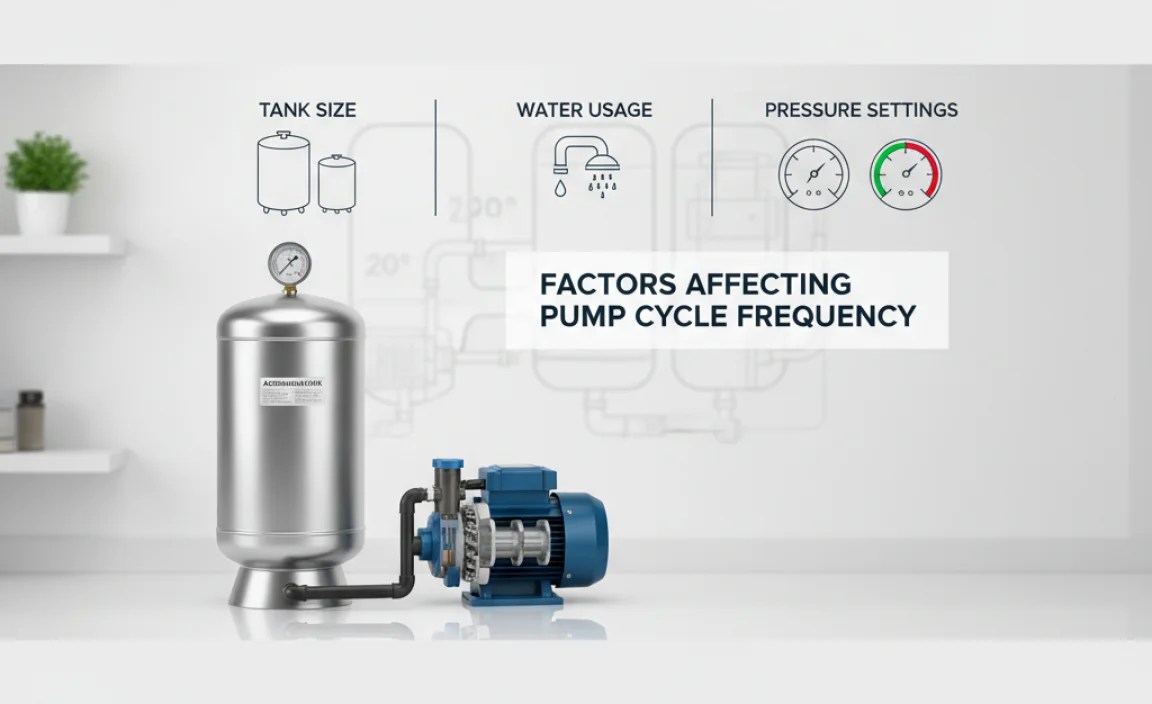
Several factors can influence how often your pump cycles. Understanding these can help you diagnose and correct any issues.
Tank Size
The size of your accumulator tank plays a significant role. A larger tank stores more water, meaning the pump will cycle less frequently. Smaller tanks will cause the pump to cycle more often.
Water Usage
The amount of water your household or system uses directly impacts pump cycling. Higher water usage means more frequent pump cycles. Leaks, even small ones, can also cause the pump to cycle more than it should.
Pressure Settings
The pressure switch settings on your pump control when the pump turns on and off. Incorrect settings can lead to short cycling (pump turning on and off rapidly) or insufficient water pressure.
Air Charge
Accumulator tanks use a cushion of compressed air to maintain pressure. Over time, this air can leak out, reducing the tank’s effectiveness and causing the pump to cycle more frequently. Maintaining the correct air charge is crucial.
Determining the Ideal Pump Cycle Frequency
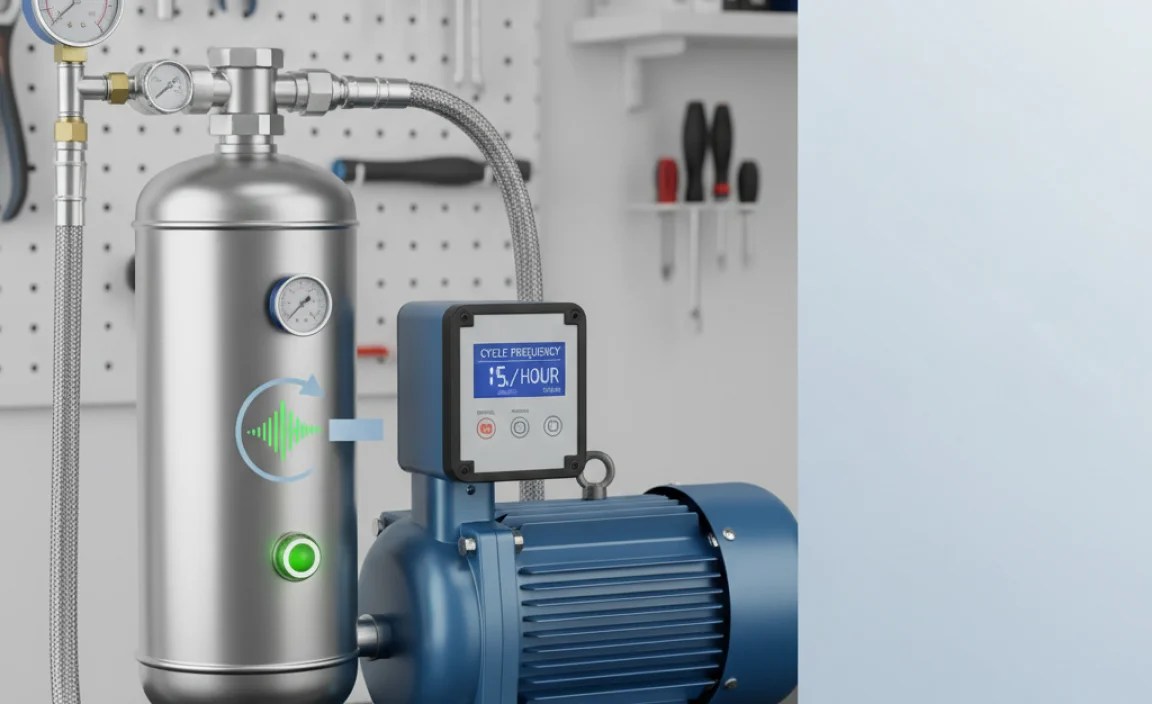
So, how often *should* your pump be cycling? Here’s a breakdown to help you figure it out.
The General Rule
As a general rule, your pump should cycle between 30 to 60 minutes under normal water usage conditions. This means that from the time your pump starts, it should run long enough to refill the tank, and then it shouldn’t need to kick on again for at least half an hour, and ideally closer to a full hour.
Calculating Acceptable Cycle Time
To get a more precise idea, you can perform a simple test:
- Turn off all water sources: Make sure no taps are running, and appliances like washing machines and dishwashers are not in use.
- Monitor the pump: Observe how long it takes for the pump to turn on after it has shut off.
- Record the time: Note the duration between pump cycles.
- Repeat: Do this several times to get an average cycle time.
If your pump is cycling much more frequently than every 30 minutes, there’s likely an issue that needs addressing. Let’s troubleshoot.
Troubleshooting Common Issues
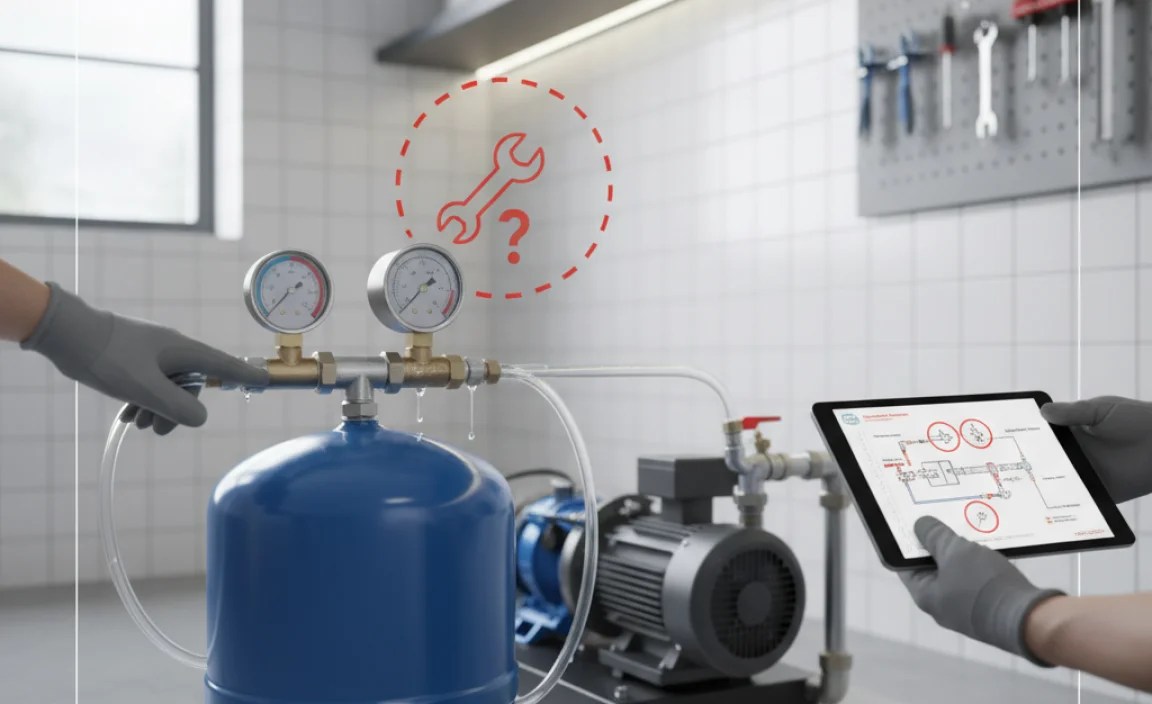
If your pump is cycling too frequently or not frequently enough, here’s how to diagnose and fix the problem.
1. Check for Leaks
Leaks are a common culprit for frequent pump cycling. Even a small, slow leak can cause the pressure in the tank to drop, triggering the pump to turn on more often.
- Inspect pipes and fittings: Look for any signs of water around joints and connections.
- Check faucets and toilets: Ensure there are no drips or running toilets.
- Examine the tank: Look for leaks around the tank itself, especially at seams and connections.
Solution: Repair any leaks you find by tightening fittings, replacing worn washers, or patching damaged pipes.
2. Verify Air Charge in the Tank
The air charge in your accumulator tank is essential for proper operation. If the air pressure is too low, the tank won’t store water effectively, causing the pump to cycle more often.
- Turn off the pump: Disconnect power to the pump.
- Drain the tank: Open a faucet to relieve water pressure and drain the tank completely.
- Check the air pressure: Use a tire pressure gauge to check the air pressure at the Schrader valve (usually located on top of the tank). The pressure should be about 2 PSI below the pump’s cut-in pressure (the pressure at which the pump turns on). For example, if your pump turns on at 40 PSI, the air pressure should be around 38 PSI.
- Adjust the air pressure: If the pressure is too low, use an air compressor to add air. If it’s too high, release some air.
- Recharge the system: Close the faucet and turn the pump back on to refill the tank.
3. Adjust Pressure Switch Settings
The pressure switch controls the pressure range within which the pump operates. Incorrect settings can lead to short cycling or insufficient water pressure.
- Locate the pressure switch: This is usually a small box near the pump with wires connected to it.
- Adjust the range: Most pressure switches have adjustable screws or nuts. Turning the range screw adjusts both the cut-in and cut-out pressure. Turning the differential screw adjusts the difference between the cut-in and cut-out pressure.
- Consult the manual: Refer to your pump’s manual for the recommended pressure settings.
- Test and fine-tune: After making adjustments, monitor the pump’s cycling and water pressure to ensure they are within the desired range.
Warning: Always disconnect power to the pump before adjusting the pressure switch to avoid electrical shock.
4. Check Tank Size
If your tank is too small for your water usage, the pump will cycle more frequently. Consider upgrading to a larger tank.
Here’s a general guideline for tank sizing based on household size:
| Household Size | Recommended Tank Size (Gallons) |
|---|---|
| 1-2 people | 20-40 |
| 3-4 people | 40-60 |
| 5+ people | 60-80+ |
Keep in mind that these are just guidelines. High water usage (e.g., frequent lawn watering, multiple showers running simultaneously) may require a larger tank.
5. Inspect the Check Valve
The check valve prevents water from flowing back into the well or water source when the pump is off. A faulty check valve can cause the pressure in the tank to drop, leading to frequent cycling.
- Locate the check valve: This is usually located near the pump or at the well.
- Inspect for damage: Look for signs of corrosion or wear.
- Test the valve: If possible, remove the valve and check if it allows water to flow in both directions. It should only allow flow in one direction.
Solution: Replace the check valve if it’s faulty.
Maintaining Your Accumulator Tank System

Regular maintenance can prevent many of the issues that cause frequent pump cycling. Here are some tips to keep your system in top shape:
- Check the air charge: Check the air pressure in the tank every 3-6 months and adjust as needed.
- Inspect for leaks: Regularly inspect pipes, fittings, and the tank itself for leaks.
- Flush the tank: Periodically flush the tank to remove sediment and debris that can accumulate over time.
- Monitor pump cycles: Pay attention to how often your pump is cycling and investigate any changes in frequency.
Advanced Tips for Optimizing Pump Performance
Ready to take your pump system to the next level? Here are some advanced tips to optimize performance and efficiency.
Variable Frequency Drives (VFDs)
A Variable Frequency Drive (VFD) controls the speed of the pump motor, allowing it to deliver water at a constant pressure. This eliminates the need for an accumulator tank in some cases and can significantly reduce energy consumption. VFDs adjust the motor speed based on water demand, providing only the necessary amount of water and pressure. Learn more about VFDs from reputable sources like Engineering ToolBox.
Two-Pump Systems
For high-demand applications, consider using a two-pump system. One pump handles normal water usage, while the second pump kicks in during peak demand. This can extend the lifespan of both pumps and provide more reliable water pressure.
Consider a Cycle Stop Valve
A cycle stop valve can help maintain constant pressure by matching the pump output to the water demand. This reduces pump cycling and can improve overall system efficiency. These valves are particularly useful in systems with long pipe runs or variable water demands.
Common Mistakes to Avoid
Here are some common mistakes people make when dealing with accumulator tanks and pump systems:
- Ignoring leaks: Even small leaks can lead to significant water loss and frequent pump cycling. Address leaks promptly.
- Neglecting air charge: Failing to maintain the correct air charge is one of the most common causes of pump cycling issues.
- Oversizing or Undersizing the Tank: Ensure your tank is appropriately sized for your water usage.
- Improper pressure settings: Incorrect pressure switch settings can lead to short cycling and other problems.
- DIY without research: Always consult the pump’s manual and do thorough research before attempting any repairs or adjustments.
Frequently Asked Questions (FAQ)
1. What is short cycling, and why is it bad?
Short cycling is when your pump turns on and off very rapidly, often within a few minutes. It’s bad because it puts excessive wear and tear on the pump motor, shortening its lifespan and increasing energy consumption.
2. How do I know if my accumulator tank is waterlogged?
A waterlogged tank has lost its air charge and is filled with water. Signs include frequent pump cycling, low water pressure, and water coming out of the air valve when pressed.
3. Can I use any air compressor to charge my accumulator tank?
Yes, you can use a standard air compressor, like the kind you’d use for tires. Just make sure the compressor is clean and free of contaminants that could damage the tank.
4. What should I do if my pump is constantly running?
If your pump is constantly running, it could indicate a major leak, a problem with the pressure switch, or a failing pump. Turn off the pump and investigate the cause immediately to prevent further damage.
5. How often should I replace my accumulator tank?
The lifespan of an accumulator tank varies depending on the quality of the tank and water conditions. Generally, you can expect a tank to last 10-15 years. Inspect the tank regularly for signs of corrosion or damage and replace it as needed.
6. Can I install an accumulator tank myself?
Yes, if you’re comfortable with basic plumbing and electrical work, you can install an accumulator tank yourself. However, if you’re unsure or uncomfortable, it’s best to hire a qualified plumber or electrician.
7. Where can I find the correct pressure settings for my pump?
The correct pressure settings for your pump are usually listed in the pump’s manual or on a label attached to the pump or pressure switch. If you can’t find this information, consult the pump manufacturer’s website or contact their customer support.
Conclusion
Getting your pump cycle just right is crucial for the longevity and efficiency of your water system. Remember, aiming for a cycle time of 30 to 60 minutes under normal usage is a great starting point. By understanding the factors that affect pump cycling, troubleshooting common issues, and maintaining your system regularly, you can ensure consistent water pressure and extend the life of your pump. So, grab your tools, do some investigating, and fine-tune your system. You’ll be amazed at the difference it makes. Happy cycling (both on your bike and with your pump)!
“`


