
Is the Biological Pump the Same as Carbon Cycle? Powerful Answer

Quick Summary: No, the biological pump isn’t the same as the carbon cycle, but it’s a critical part of it. The carbon cycle is the overall process of carbon moving through the Earth’s systems, including the atmosphere, oceans, land, and living things. The biological pump is the ocean’s way of capturing carbon dioxide from the atmosphere and transporting it to the deep ocean, where it can be stored for long periods. Think of the biological pump as one of the key players in the much larger carbon cycle team.
Hey there, fellow cyclists! Have you ever wondered how the Earth keeps its carbon levels in check? It’s a big topic, and sometimes it can feel a bit overwhelming. You might have heard terms like “carbon cycle” and “biological pump” floating around and wondered if they’re the same thing. It’s a common question, and understanding the difference is key to grasping how our planet manages carbon. Don’t worry, we’ll break it down into simple, easy-to-understand terms. By the end of this article, you’ll have a solid grasp of how these two processes work together to influence our environment. Let’s dive in and unravel the mystery!
Understanding the Carbon Cycle
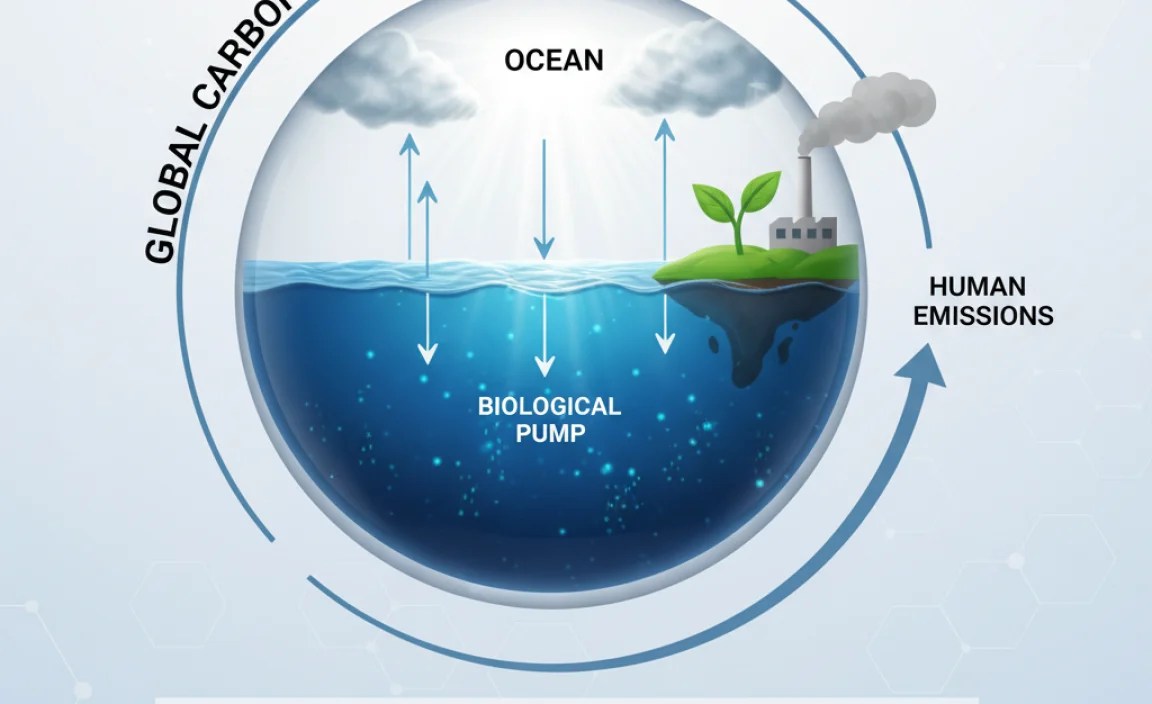
The carbon cycle is like a giant, continuous loop that moves carbon atoms between the Earth’s atmosphere, oceans, land, and living organisms. Carbon is the backbone of life, and it’s constantly being exchanged and recycled through various processes. Let’s take a closer look at the key components of this cycle.
What is the Carbon Cycle?
The carbon cycle is the biogeochemical cycle by which carbon is exchanged among the biosphere, pedosphere, geosphere, hydrosphere, and atmosphere of the Earth. It’s essential for regulating Earth’s climate and supporting life. Think of it as a complex network of pathways that carbon atoms take as they move from one place to another. This movement happens through different processes, which we’ll explore next.
Key Processes in the Carbon Cycle
The carbon cycle involves several key processes that keep carbon moving. Here are some of the most important ones:
- Photosynthesis: Plants and algae absorb carbon dioxide (CO2) from the atmosphere and use it to create energy, releasing oxygen as a byproduct.
- Respiration: Animals and plants breathe in oxygen and release CO2 back into the atmosphere.
- Decomposition: When plants and animals die, decomposers (like bacteria and fungi) break down their organic matter, releasing carbon back into the soil and atmosphere.
- Combustion: Burning fossil fuels (coal, oil, and natural gas) releases large amounts of CO2 into the atmosphere.
- Ocean Exchange: The ocean absorbs CO2 from the atmosphere, and it also releases CO2 back into the atmosphere.
- Sedimentation: Over long periods, carbon can be stored in sediments, such as limestone and fossil fuels.
These processes work together to maintain a balance of carbon in the Earth’s systems. However, human activities, such as burning fossil fuels and deforestation, have disrupted this balance, leading to an increase in atmospheric CO2 and climate change.
Where Carbon is Stored
Carbon is stored in various reservoirs, each holding different amounts of carbon. These reservoirs include:
- Atmosphere: Carbon dioxide (CO2) is a major greenhouse gas in the atmosphere.
- Oceans: The oceans absorb a significant amount of CO2 from the atmosphere.
- Land: Soil, forests, and vegetation store carbon.
- Fossil Fuels: Coal, oil, and natural gas are formed from the remains of ancient plants and animals and store vast amounts of carbon.
- Sedimentary Rocks: Limestone and other sedimentary rocks contain carbon that has been stored for millions of years.
The distribution of carbon among these reservoirs is constantly changing due to natural processes and human activities. Understanding these reservoirs and how carbon moves between them is crucial for managing climate change.
Delving into the Biological Pump
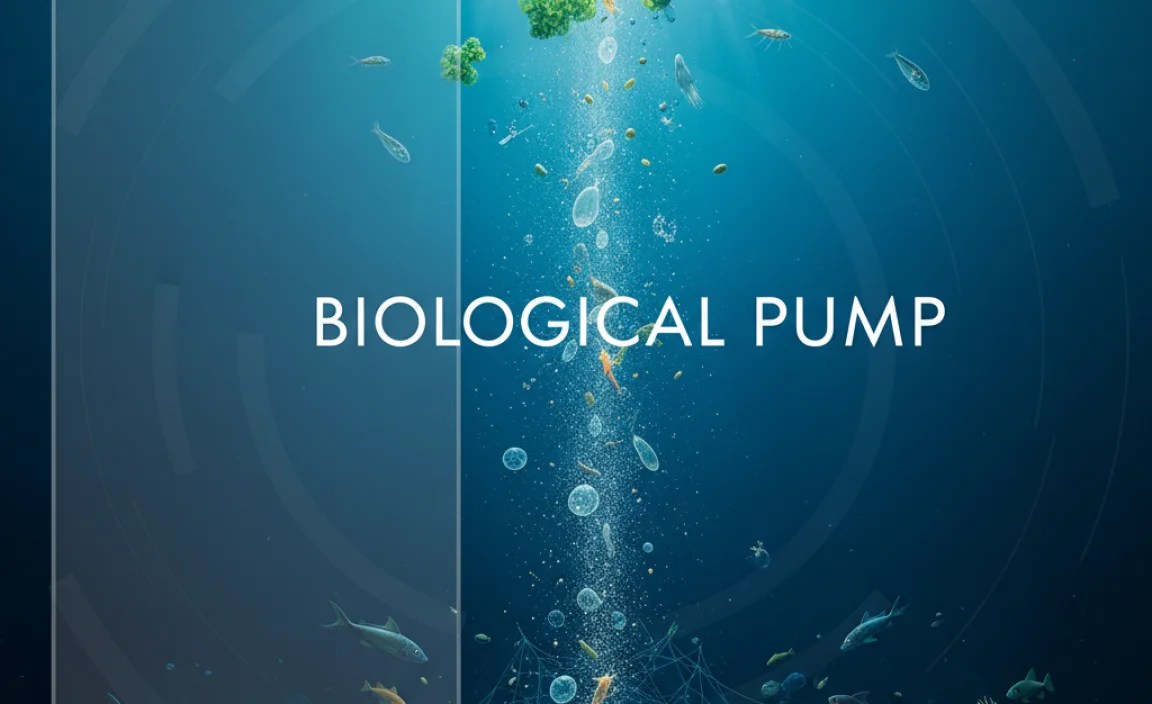
Now that we have a good understanding of the carbon cycle, let’s zoom in on one of its key components: the biological pump. This process plays a vital role in how the ocean captures and stores carbon.
What is the Biological Pump?
The biological pump, also known as the marine biological carbon pump, is the process by which carbon dioxide from the atmosphere is transferred to the deep ocean through biological processes. It’s a critical mechanism for removing CO2 from the surface waters and atmosphere and storing it in the deep ocean for extended periods. This helps regulate the Earth’s climate by reducing the amount of CO2 in the atmosphere.
How the Biological Pump Works
The biological pump involves several steps. Here’s a breakdown of how it works:
- Photosynthesis by Phytoplankton: Phytoplankton, microscopic marine plants, absorb CO2 from the surface waters through photosynthesis. Like plants on land, they use CO2 to grow and produce energy.
- Consumption by Zooplankton: Zooplankton, tiny marine animals, eat phytoplankton. This transfers the carbon from the phytoplankton to the zooplankton.
- Formation of Marine Snow: When phytoplankton and zooplankton die, their remains, along with fecal matter and other organic debris, clump together to form larger particles called “marine snow.”
- Sinking of Marine Snow: Marine snow sinks from the surface waters to the deep ocean. As it sinks, some of it is consumed by other organisms, but a significant portion reaches the ocean floor.
- Sequestration in Deep Ocean Sediments: The carbon in the marine snow that reaches the ocean floor is buried in sediments. Over long periods, this carbon can be stored in the deep ocean, effectively removing it from the atmosphere.
This process efficiently transports carbon from the surface waters to the deep ocean, where it can be stored for centuries or even millennia.
Factors Affecting the Biological Pump
Several factors can influence the efficiency of the biological pump. These include:
- Nutrient Availability: Phytoplankton need nutrients like nitrogen, phosphorus, and iron to grow. The availability of these nutrients can limit phytoplankton growth and, therefore, the amount of CO2 that can be absorbed.
- Sunlight: Phytoplankton need sunlight for photosynthesis. The amount of sunlight that penetrates the water can affect phytoplankton growth.
- Water Temperature: Water temperature can affect the metabolic rates of phytoplankton and zooplankton, influencing the rate at which carbon is processed.
- Ocean Circulation: Ocean currents and mixing can affect the distribution of nutrients and phytoplankton, as well as the sinking of marine snow.
- Ocean Acidification: Increased CO2 levels in the ocean can lead to ocean acidification, which can affect the growth and survival of phytoplankton and zooplankton.
Changes in these factors can have significant impacts on the efficiency of the biological pump and the amount of carbon that is stored in the deep ocean.
Biological Pump vs. Carbon Cycle: Key Differences
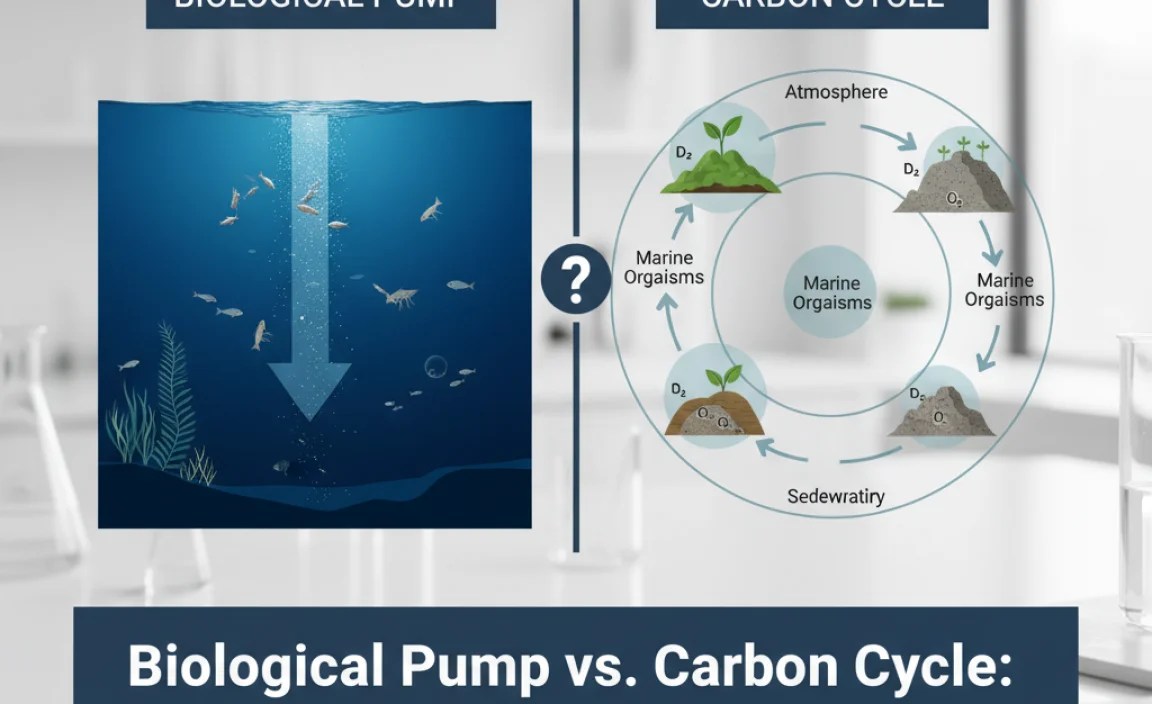
Now that we’ve looked at both the carbon cycle and the biological pump, let’s highlight the key differences between them.
Scope and Scale
The carbon cycle is a global process that encompasses all the ways carbon moves through the Earth’s systems. It includes the atmosphere, oceans, land, and living organisms. The biological pump, on the other hand, is a specific process that occurs in the ocean. It’s a subset of the carbon cycle, focusing on the transfer of carbon from the surface waters to the deep ocean.
Processes Involved
The carbon cycle involves a wide range of processes, including photosynthesis, respiration, decomposition, combustion, ocean exchange, and sedimentation. The biological pump is more specific, focusing on photosynthesis by phytoplankton, consumption by zooplankton, formation of marine snow, and sinking of carbon to the deep ocean.
Reservoirs
The carbon cycle involves multiple carbon reservoirs, including the atmosphere, oceans, land, fossil fuels, and sedimentary rocks. The biological pump primarily focuses on the transfer of carbon from the atmosphere to the surface ocean and then to the deep ocean sediments.
Timescales
The carbon cycle operates on various timescales, from short-term processes like photosynthesis and respiration to long-term processes like sedimentation and fossil fuel formation. The biological pump also operates on different timescales, from the daily cycles of phytoplankton growth to the long-term storage of carbon in deep ocean sediments.
Summary Table
Here’s a table summarizing the key differences between the biological pump and the carbon cycle:
| Feature | Carbon Cycle | Biological Pump |
|---|---|---|
| Scope | Global | Ocean-specific |
| Processes | Photosynthesis, respiration, decomposition, combustion, ocean exchange, sedimentation | Photosynthesis by phytoplankton, consumption by zooplankton, formation of marine snow, sinking to deep ocean |
| Reservoirs | Atmosphere, oceans, land, fossil fuels, sedimentary rocks | Atmosphere, surface ocean, deep ocean sediments |
| Timescales | Short-term to long-term | Daily to long-term |
The Interconnectedness of the Biological Pump and the Carbon Cycle

While the biological pump and the carbon cycle are distinct processes, they are also closely interconnected. The biological pump is an integral part of the larger carbon cycle, contributing significantly to the overall movement and storage of carbon on Earth. Understanding this interconnectedness is crucial for understanding how the Earth’s climate is regulated.
How the Biological Pump Influences the Carbon Cycle
The biological pump plays a crucial role in influencing the carbon cycle in several ways:
- CO2 Removal from the Atmosphere: By absorbing CO2 from the atmosphere through photosynthesis, the biological pump helps reduce the concentration of CO2 in the atmosphere, mitigating climate change.
- Carbon Storage in the Deep Ocean: The biological pump transports carbon to the deep ocean, where it can be stored for long periods. This helps prevent the carbon from re-entering the atmosphere and contributing to global warming.
- Nutrient Cycling: The biological pump also plays a role in nutrient cycling in the ocean. As marine snow sinks, it carries nutrients from the surface waters to the deep ocean, where they can be used by other organisms.
- Regulation of Ocean Chemistry: The biological pump affects the chemistry of the ocean, including its pH and oxygen levels. These changes can have significant impacts on marine ecosystems.
Impact of Climate Change on the Biological Pump and the Carbon Cycle
Climate change is already having significant impacts on both the biological pump and the carbon cycle. These impacts include:
- Ocean Warming: Warmer ocean temperatures can affect the metabolic rates of phytoplankton and zooplankton, potentially reducing the efficiency of the biological pump.
- Ocean Acidification: Increased CO2 levels in the ocean can lead to ocean acidification, which can harm phytoplankton and zooplankton and reduce their ability to absorb CO2.
- Changes in Nutrient Availability: Climate change can alter ocean currents and mixing patterns, affecting the distribution of nutrients and potentially limiting phytoplankton growth.
- Melting Ice: Melting glaciers and sea ice can add freshwater to the ocean, which can affect ocean salinity and stratification, impacting the biological pump.
These changes can have far-reaching consequences for the Earth’s climate and marine ecosystems. It’s essential to understand these impacts and take steps to mitigate climate change to protect the biological pump and the carbon cycle.
Why This Matters
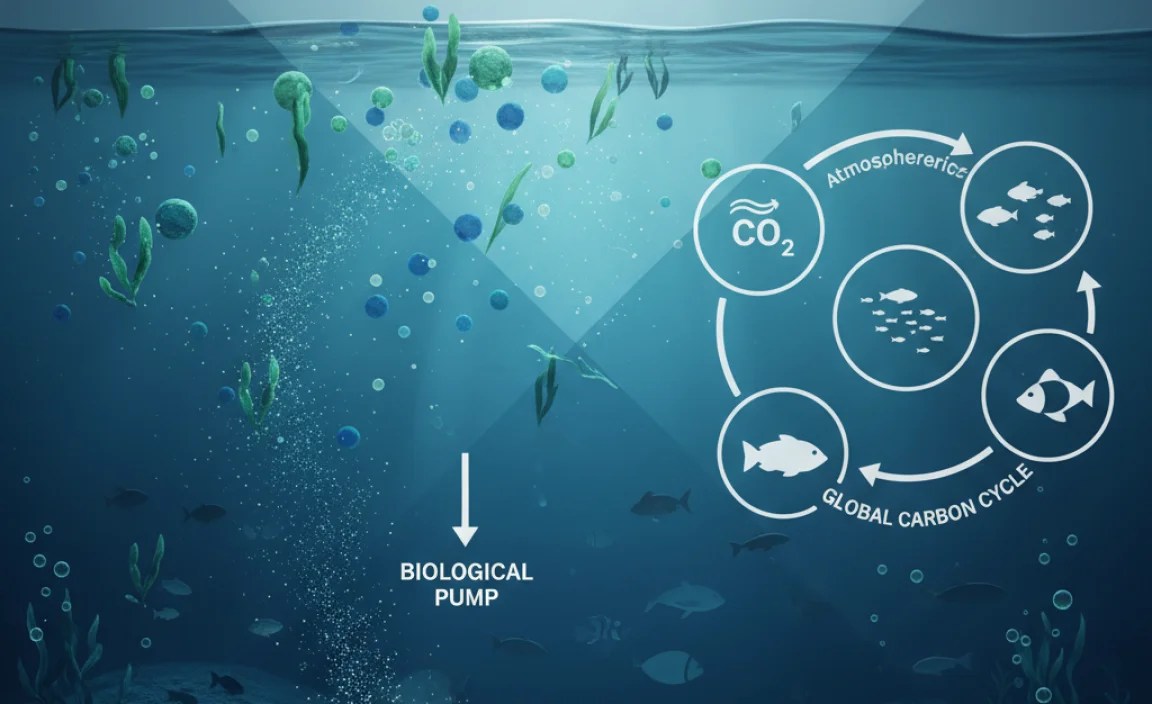
Understanding the carbon cycle and the biological pump is crucial for several reasons. First, it helps us grasp how the Earth’s climate is regulated and how human activities are affecting it. By understanding these processes, we can better predict the impacts of climate change and develop strategies to mitigate them.
Second, understanding the biological pump is essential for managing marine resources. The health of marine ecosystems depends on the efficient cycling of carbon and nutrients. By understanding how the biological pump works, we can better protect these ecosystems and ensure their long-term sustainability.
Finally, understanding the carbon cycle and the biological pump can inspire us to take action to reduce our carbon footprint and protect the environment. By making informed choices about our energy consumption, transportation, and lifestyle, we can all contribute to a more sustainable future.
FAQ
1. What is carbon sequestration?
Carbon sequestration is the process of capturing and storing atmospheric carbon dioxide. The biological pump is a natural form of carbon sequestration in the ocean.
2. How do humans affect the carbon cycle?
Humans primarily affect the carbon cycle by burning fossil fuels, which releases large amounts of CO2 into the atmosphere. Deforestation and changes in land use also impact the carbon cycle.
3. What is marine snow made of?
Marine snow is made of dead phytoplankton, zooplankton, fecal matter, and other organic debris that clump together and sink to the ocean floor.
4. Why is the ocean important for the carbon cycle?
The ocean is a major carbon sink, absorbing CO2 from the atmosphere and storing it in deep waters and sediments. It plays a crucial role in regulating the Earth’s climate.
5. What can I do to help reduce my carbon footprint?
You can reduce your carbon footprint by using energy-efficient appliances, driving less, eating less meat, and supporting sustainable products and practices.
6. How does deforestation affect the carbon cycle?
Deforestation reduces the amount of carbon stored in trees and soil. When trees are burned or decompose, they release CO2 into the atmosphere, contributing to climate change.
7. What is ocean acidification, and why is it a problem?
Ocean acidification is the decrease in the pH of the ocean caused by the absorption of CO2 from the atmosphere. It can harm marine organisms, especially those with shells or skeletons made of calcium carbonate.
Conclusion
So, to recap, the biological pump isn’t the entire carbon cycle, but it’s a super important part of it. It’s the ocean’s clever way of grabbing carbon dioxide from the air and locking it away deep down. Understanding how these two processes work together helps us see the bigger picture of how our planet manages carbon. The carbon cycle is like the whole team, while the biological pump is one of its star players, working hard to keep things in balance. Now, you’ve got a solid understanding of this crucial aspect of our planet’s health. Keep exploring, keep learning, and let’s all do our part to protect our environment!
“`


