
How to Make an Air Pump at Home for Your Bike

Quick Summary: Building a simple bike pump at home is easier than you think! You can make a basic pump using a plastic bottle, a balloon, some tubing, and a few other household items. This DIY pump can help you inflate your tires in a pinch, ensuring you’re never stranded with a flat. Follow our step-by-step guide for a simple and effective solution.
Ever found yourself with a flat tire and no pump in sight? It’s a cyclist’s worst nightmare! Store-bought bike pumps are great, but sometimes you need a quick fix. That’s where a homemade air pump comes in handy. With a few simple materials you probably already have around the house, you can create a functional pump to inflate your tires and get back on the road. This guide will show you exactly how to do it, step by step. Get ready to unleash your inner MacGyver and keep those tires inflated!
What You’ll Need to Build Your DIY Bike Pump

Before we dive into the building process, let’s gather all the necessary materials. This project is designed to be simple and use items you likely have lying around. Here’s what you’ll need:
- A sturdy plastic bottle (like a 2-liter soda bottle)
- A balloon
- Flexible tubing (aquarium tubing works well)
- A valve stem (from an old inner tube or a replacement valve)
- Duct tape or strong adhesive tape
- Scissors or a utility knife
- A drill or sharp object for making holes
Step-by-Step Guide: Building Your Homemade Bike Pump

Now that you have all your materials, let’s get started on building your DIY bike pump. Follow these steps carefully to ensure a secure and functional pump.
Step 1: Prepare the Plastic Bottle
First, you need to modify the plastic bottle to serve as the pump’s main chamber. This involves creating a hole for the tubing and ensuring the bottle is airtight.
- Clean the Bottle: Make sure the plastic bottle is clean and dry. Remove any labels or residue.
- Drill a Hole: Near the bottom of the bottle, drill a hole slightly smaller than the diameter of your flexible tubing. The fit should be snug to prevent air leakage.
Step 2: Attach the Tubing
Next, you’ll attach the flexible tubing to the bottle. This tubing will serve as the outlet for the air being pumped into your tire.
- Insert the Tubing: Push one end of the flexible tubing through the hole you drilled in the bottle.
- Seal the Tubing: Use duct tape or strong adhesive tape to seal around the tubing where it enters the bottle. Make sure the seal is airtight to prevent air from escaping.
Step 3: Prepare the Balloon
The balloon will act as a one-way valve, allowing air to enter the bottle but preventing it from escaping back out.
- Cut the Balloon: Cut the neck off the balloon, leaving the main body intact.
- Attach to Bottle Opening: Stretch the cut end of the balloon over the opening of the plastic bottle. Ensure it covers the opening completely.
- Secure the Balloon: Use duct tape to secure the balloon to the bottle opening. The tape should create an airtight seal around the entire opening.
Step 4: Attach the Valve Stem
Now, you’ll attach the valve stem to the other end of the flexible tubing. This is the part that will connect to your bike tire’s valve.
- Insert Tubing into Valve Stem: Insert the open end of the flexible tubing into the valve stem.
- Secure the Connection: Use duct tape or a small hose clamp to secure the tubing to the valve stem. Ensure this connection is also airtight.
Step 5: Test Your Homemade Pump
Finally, it’s time to test your DIY bike pump. Follow these steps to ensure it’s working correctly.
- Connect to Tire Valve: Attach the valve stem to your bike tire’s valve.
- Pump Air: Squeeze the plastic bottle repeatedly. The balloon should inflate inside the bottle as you squeeze, and air should flow into the tire.
- Check for Leaks: Listen for any air leaks around the connections. If you hear leaks, reinforce the seals with more duct tape.
Troubleshooting Your DIY Bike Pump
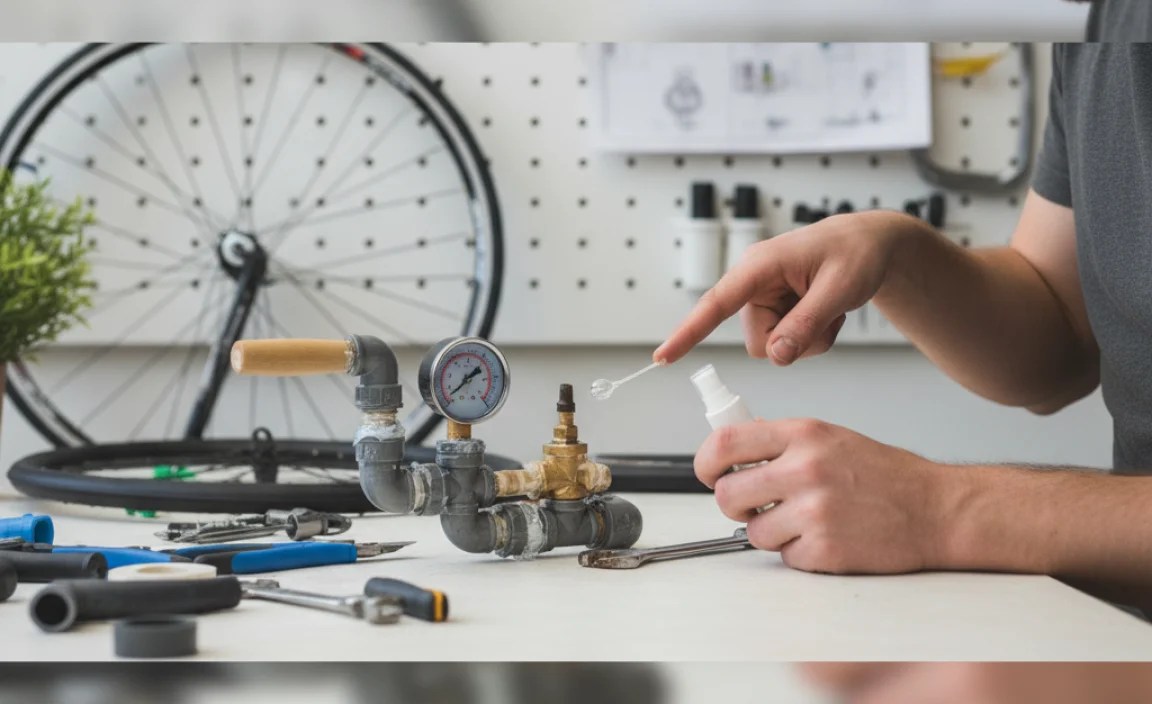
Sometimes, things don’t go exactly as planned. Here are some common issues you might encounter and how to fix them:
- Air Leaks: The most common issue is air leaking from the connections. Use more duct tape to reinforce the seals around the tubing, balloon, and valve stem.
- Balloon Not Inflating: If the balloon isn’t inflating inside the bottle, check that the balloon is properly sealed to the bottle opening and that there are no holes in the balloon.
- Low Airflow: If the pump isn’t pushing enough air into the tire, make sure the tubing isn’t kinked or blocked. Also, ensure the valve stem is properly connected to the tire valve.
Improving Your DIY Bike Pump
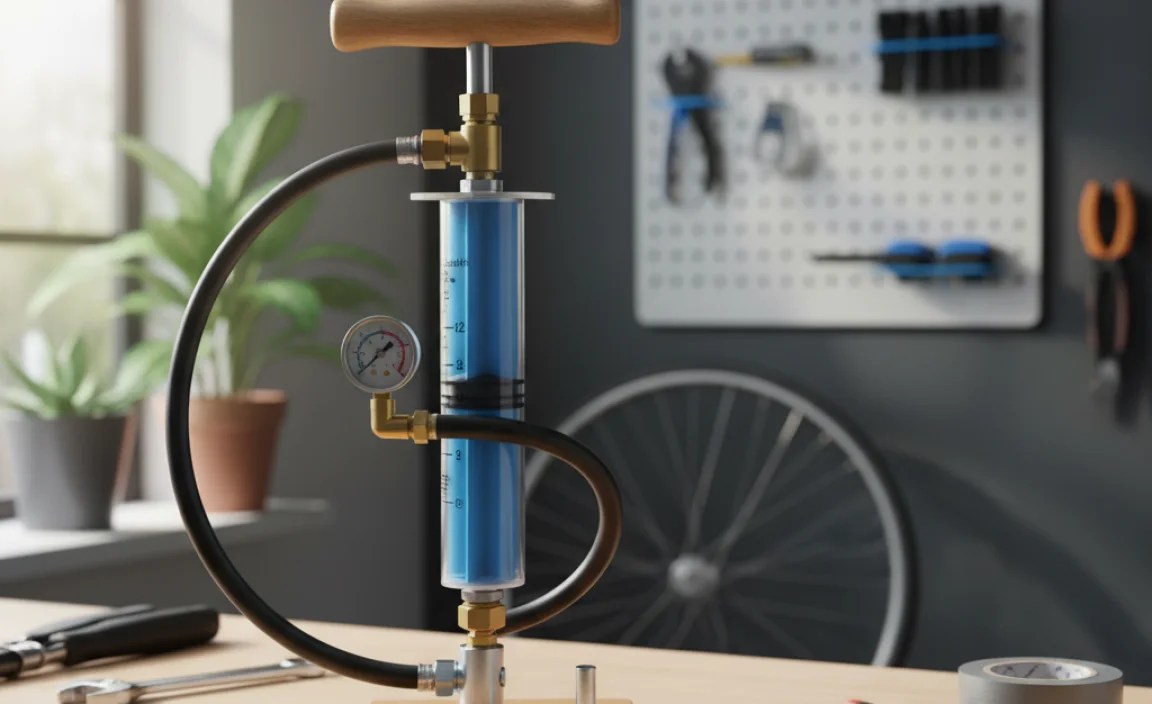
Want to make your homemade pump even better? Here are some ideas for improvements:
- Use a Sturdier Bottle: A thicker plastic bottle will be more durable and provide better pumping action.
- Add a Handle: Attach a handle to the bottle for easier squeezing. A piece of wood or plastic can be glued or taped to the bottle.
- Incorporate a Pressure Gauge: If you’re feeling ambitious, you could try to incorporate a small pressure gauge to monitor the tire pressure.
Pros and Cons of a Homemade Bike Pump

Before relying solely on your DIY creation, it’s important to understand the advantages and disadvantages compared to a store-bought pump.
Pros:
- Cost-Effective: Uses readily available materials, saving you money.
- Emergency Solution: A great temporary fix when you don’t have a regular pump.
- Educational: A fun and engaging project that teaches basic mechanics.
- Portable: Lightweight and easy to carry in a backpack.
Cons:
- Less Efficient: Requires more effort to inflate tires compared to a commercial pump.
- Less Durable: Made from basic materials, it won’t last as long as a store-bought pump.
- Inaccurate Pressure: Difficult to achieve precise tire pressure without a gauge.
- Time Consuming: Takes time and effort to build, especially for beginners.
When to Use a Professional Bike Pump
While a DIY pump is a handy temporary solution, it’s essential to recognize when a professional bike pump is necessary. Here are situations where a store-bought pump is the better choice:
- Regular Bike Maintenance: For everyday tire inflation and maintenance, a reliable floor pump with a pressure gauge is essential.
- Achieving Precise Tire Pressure: Road bikes and high-performance tires require specific pressures for optimal performance and safety.
- Inflating High-Pressure Tires: DIY pumps may struggle to reach the high pressures required for some road bike tires.
- Tubeless Tire Setup: Seating tubeless tires often requires a high-volume pump or a compressor.
Essential Tools for Bike Maintenance
Maintaining your bike properly requires more than just a pump. Here are some other essential tools every cyclist should have:
- Multi-Tool: A compact tool with various Allen wrenches, screwdrivers, and other useful functions.
- Tire Levers: Used to safely remove tires from the rims.
- Patch Kit: For repairing punctured inner tubes on the go.
- Chain Lube: Keeps your chain running smoothly and prevents rust.
- Adjustable Wrench: Useful for tightening bolts and adjusting components.
Understanding Bike Tire Valves
Bike tires use two main types of valves: Schrader and Presta. Understanding the differences is crucial for proper inflation.
Schrader Valves
Schrader valves are the same type used on car tires. They are wider and sturdier, making them easier to inflate with standard air compressors. They are commonly found on mountain bikes, hybrid bikes, and children’s bikes.
Presta Valves
Presta valves are narrower and longer than Schrader valves. They are typically found on road bikes and high-performance bikes. Presta valves require unscrewing a small nut at the top before inflating and offer more precise pressure control.
Here’s a simple table summarizing the key differences:
| Feature | Schrader Valve | Presta Valve |
|---|---|---|
| Width | Wider | Narrower |
| Commonly Found On | Mountain bikes, hybrid bikes | Road bikes, high-performance bikes |
| Inflation | Easier with standard compressors | Requires unscrewing a nut |
| Pressure Control | Less precise | More precise |
Maintaining Your Bike Tires
Proper tire maintenance is essential for a safe and enjoyable ride. Here are some tips to keep your tires in good condition:
- Check Tire Pressure Regularly: Use a pressure gauge to ensure your tires are inflated to the recommended pressure (usually printed on the tire sidewall).
- Inspect for Wear and Tear: Look for cuts, bulges, or excessive wear on the tire tread and sidewalls.
- Clean Your Tires: Remove dirt and debris from your tires to prevent punctures.
- Store Your Bike Properly: Avoid storing your bike in direct sunlight or extreme temperatures, which can damage the tires.
Safety Tips for Cyclists
Cycling is a great way to stay active and enjoy the outdoors, but it’s important to prioritize safety. Here are some essential safety tips:
- Wear a Helmet: Always wear a properly fitted helmet to protect your head in case of a fall.
- Use Lights and Reflectors: Make sure your bike is equipped with lights and reflectors, especially if you ride at night or in low-light conditions. The National Highway Traffic Safety Administration (NHTSA) provides helpful guidelines on bicycle safety equipment.
- Follow Traffic Laws: Obey all traffic laws, signals, and signs.
- Be Visible: Wear bright clothing to make yourself more visible to drivers.
- Ride Defensively: Be aware of your surroundings and anticipate potential hazards.
FAQ: Making a Bike Pump at Home
Can I use any type of plastic bottle?
A sturdy plastic bottle, like a 2-liter soda bottle, works best. Thinner bottles may collapse under pressure.
What if I don’t have a valve stem?
You can purchase a replacement valve stem at most bike shops or online retailers. You can also salvage one from an old inner tube.
How much pressure can this DIY pump generate?
A homemade pump typically generates lower pressure compared to a store-bought pump. It’s best for topping off tires or providing a temporary fix.
Can I use this pump for tubeless tires?
While possible, it may not provide the high volume of air needed to seat tubeless tires. A dedicated tubeless inflator is recommended.
Is it safe to use a homemade pump?
Yes, if constructed properly and used with caution. Always check for leaks and ensure all connections are secure.
How long will a homemade pump last?
Due to the materials used, a homemade pump is not as durable as a commercial pump. It’s best used as a temporary solution.
What other DIY bike repairs can I do?
You can also try fixing a flat tire with a patch kit, adjusting your brakes, or lubricating your chain at home with simple tools.
Conclusion
Building a homemade air pump for your bike is a fun and practical project. While it may not replace a professional-grade pump for everyday use, it’s an excellent solution for emergencies and a great way to learn about basic mechanics. By following these simple steps, you can create a functional pump that gets you back on the road in a pinch. Remember to prioritize safety and consider investing in a reliable store-bought pump for regular maintenance and optimal performance. Happy cycling!
“`


