
How Long Should a Well Pump Cycle? A Simple Guide

Quick Summary: A typical well pump cycle should last between 1 to 3 minutes. Shorter cycles can indicate problems like a waterlogged pressure tank, a leak in the system, or a pump that’s too powerful for your well. Longer cycles might mean your well isn’t recovering quickly enough or the pump is struggling. Monitoring your pump’s cycle time helps you catch issues early and avoid costly repairs.
Is your well pump turning on and off too often? Or maybe it seems to run forever? You’re not alone! Many homeowners with well water face the same head-scratching questions. Figuring out the right cycle time for your well pump is key to keeping your water flowing and preventing expensive repairs. It can be frustrating when things aren’t working as they should, but don’t worry – we’ll walk you through everything you need to know.
In this guide, we’ll break down the ideal cycle time for a well pump, what can cause it to go wrong, and how to troubleshoot common issues. We’ll also cover some simple maintenance tips to keep your system running smoothly for years to come. Let’s dive in and get your well pump working like a charm!
Understanding Well Pump Basics
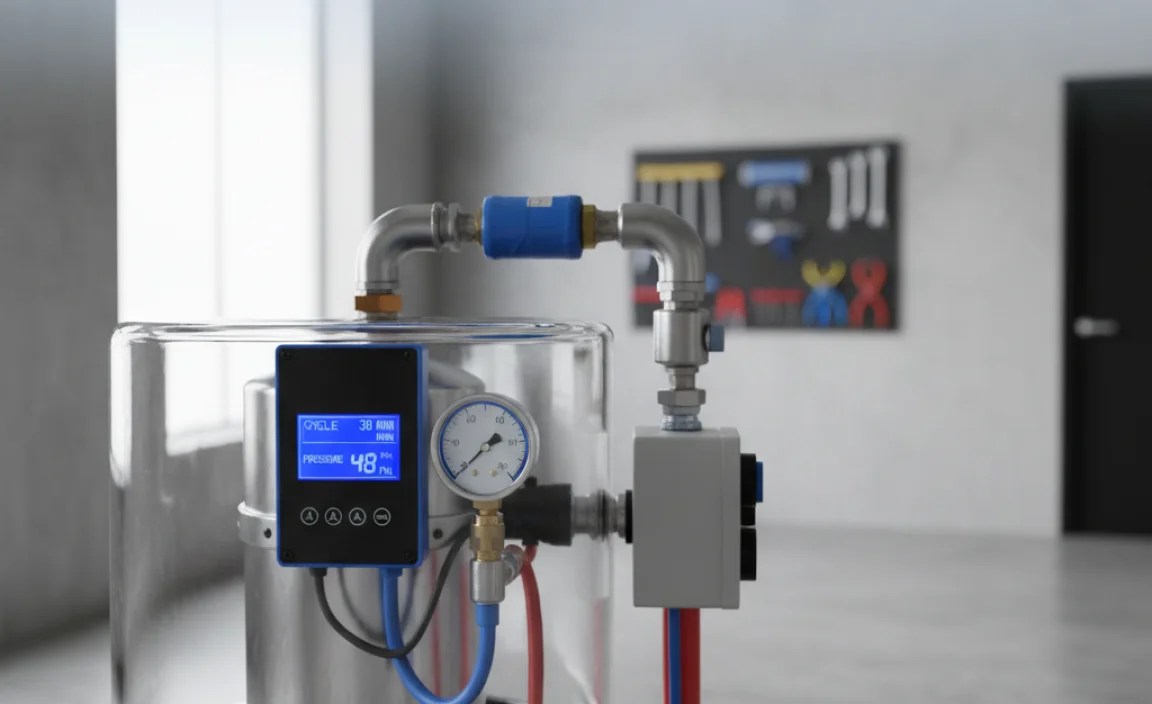
Before we get into cycle times, let’s quickly review how a typical residential well system works. This will help you understand why cycle times matter and what factors influence them.
Components of a Well System
A typical well system includes these key parts:
- Well: The hole drilled into the ground that accesses the groundwater.
- Submersible Pump: Located inside the well, this pump pushes water up to your home.
- Pressure Tank: A storage tank that holds water under pressure, providing on-demand water supply.
- Pressure Switch: This switch senses the water pressure in the tank and turns the pump on and off to maintain a set pressure range (e.g., 40-60 PSI).
- Piping: Connects the well, pump, tank, and your home’s plumbing.
The Pumping Cycle Explained
Here’s how the cycle works:
- When you use water in your home, the pressure in the pressure tank drops.
- When the pressure drops to the “cut-in” pressure (e.g., 40 PSI), the pressure switch turns the pump on.
- The pump fills the pressure tank until it reaches the “cut-out” pressure (e.g., 60 PSI).
- The pressure switch then turns the pump off.
- You use the water stored in the pressure tank until the pressure drops again, restarting the cycle.
The length of time the pump runs to refill the tank is the “cycle time.
Ideal Well Pump Cycle Time
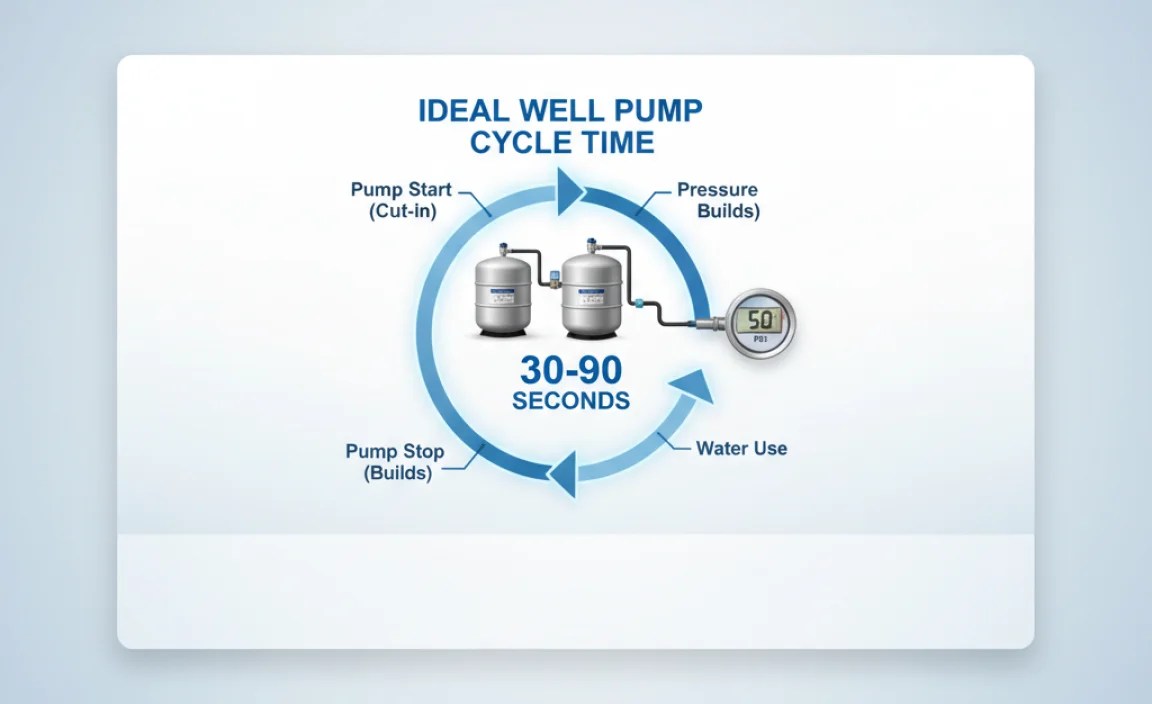
So, how long *should* a well pump cycle? The answer depends on a few factors, but here’s a general guideline:
A typical well pump cycle should last between 1 and 3 minutes.
This means the pump runs for 1 to 3 minutes to refill the pressure tank after the pressure drops to the cut-in point. This range allows for efficient water delivery without overworking the pump or stressing the well.
Factors Affecting Cycle Time
Keep in mind that several factors can influence the ideal cycle time for your system:
- Pressure Tank Size: Larger tanks store more water, leading to longer cycles.
- Pump Size (GPM): A higher-capacity pump will fill the tank faster, resulting in shorter cycles (if the tank is small).
- Water Usage: Frequent or high water usage will cause more frequent cycles.
- Well Recovery Rate: If the well can’t replenish water quickly enough, the pump may run longer or cycle more frequently.
- Pressure Switch Settings: Different cut-in and cut-out pressure settings will affect how long the pump runs.
Troubleshooting Short Cycling

If your well pump is turning on and off rapidly (short cycling), it’s a sign of a problem. Short cycling puts extra stress on the pump motor and can significantly shorten its lifespan. Let’s look at some common causes and how to fix them.
Common Causes of Short Cycling
- Waterlogged Pressure Tank: This is the most common cause. The air cushion in the tank is gone, so the pump cycles on and off very quickly.
- Leak in the System: A leak in the piping, fittings, or even a leaky toilet can cause the pressure to drop rapidly, triggering short cycles.
- Incorrect Pressure Switch Settings: If the cut-in and cut-out pressures are set too close together, the pump will cycle frequently.
- Pump Too Powerful: A pump with a very high flow rate (GPM) for the well’s recovery rate can cause short cycling.
- Faulty Check Valve: A bad check valve near the pump can allow water to flow back into the well, causing pressure loss.
Step-by-Step Troubleshooting
Here’s a step-by-step approach to diagnose and fix short cycling:
- Check the Pressure Tank:
- Turn off the pump at the breaker.
- Locate the Schrader valve (like a tire valve) on top of the tank.
- Press the valve stem. If water comes out, the tank is waterlogged and needs to be replaced or have its air bladder recharged (depending on the tank type).
- Inspect for Leaks:
- Check all visible piping and fittings for leaks.
- Listen for running water in toilets or other fixtures.
- Consider a pressure test by a plumber to find hidden leaks.
- Verify Pressure Switch Settings:
- Locate the pressure switch (usually near the pressure tank).
- Remove the cover and check the cut-in and cut-out pressure settings.
- Adjust the settings if necessary, following the manufacturer’s instructions. A typical range is 20 PSI difference (e.g., 40-60 PSI).
- Check the Check Valve:
- This is more involved and may require a well service professional.
- The check valve prevents backflow into the well. If it’s faulty, it can cause pressure loss.
Table: Troubleshooting Short Cycling
| Problem | Possible Cause | Solution |
|---|---|---|
| Short Cycling | Waterlogged Pressure Tank | Replace or recharge the pressure tank |
| Short Cycling | Leak in System | Find and repair the leak |
| Short Cycling | Incorrect Pressure Switch Settings | Adjust the cut-in/cut-out pressure |
| Short Cycling | Faulty Check Valve | Replace the check valve |
Troubleshooting Long Cycling

On the other hand, if your well pump runs for excessively long periods, it’s also a cause for concern. Long cycling can overheat the pump motor and lead to premature failure. Let’s examine the common causes and solutions.
Common Causes of Long Cycling
- Low Well Recovery Rate: The well isn’t replenishing water quickly enough to keep up with demand.
- Clogged Well Screen or Pump Intake: Debris can restrict water flow into the pump.
- Worn Pump: An aging pump may lose efficiency and take longer to fill the tank.
- Undersized Pump: The pump may be too small for your home’s water demands.
Step-by-Step Troubleshooting
- Assess Well Recovery Rate:
- Monitor how quickly the well refills after heavy water use.
- If the well takes a very long time to recover, it may indicate a low yield.
- Consult a well drilling professional to assess the well’s capacity.
- Check for Obstructions:
- This usually requires a well service professional.
- They can inspect the well screen and pump intake for clogs or debris.
- Evaluate Pump Performance:
- Monitor the pump’s pressure and flow rate.
- If the pump is delivering significantly less water than its rated capacity, it may be wearing out.
- Consider Pump Upgrade:
- If the pump is undersized for your home’s needs, consider upgrading to a larger capacity pump.
- Consult with a well professional to determine the appropriate pump size.
Table: Troubleshooting Long Cycling
| Problem | Possible Cause | Solution |
|---|---|---|
| Long Cycling | Low Well Recovery Rate | Conserve water, consider well deepening or hydrofracturing |
| Long Cycling | Clogged Well Screen/Intake | Professional well cleaning |
| Long Cycling | Worn Pump | Replace the pump |
| Long Cycling | Undersized Pump | Upgrade to a larger pump |
Preventative Maintenance Tips
Regular maintenance can help prevent cycling problems and extend the life of your well pump system.
- Regularly Check the Pressure Tank: Test the air pressure in the tank annually. A loss of air pressure is a common issue.
- Monitor Water Quality: Test your water regularly for contaminants. According to the EPA, regular water testing can help ensure you and your family are drinking safe water.
- Inspect for Leaks: Periodically check all visible piping and fittings for leaks.
- Consider a Well Inspection: Have a professional well inspection every few years to assess the condition of the well, pump, and other components.
- Install a Sediment Filter: A sediment filter can prevent debris from clogging the pump and well screen.
Cost Considerations for Well Pump Repairs
Understanding the potential costs associated with well pump repairs can help you budget and make informed decisions. Here’s a breakdown of common repair costs:
- Pressure Tank Replacement: $300 – $800 (including labor)
- Pressure Switch Replacement: $50 – $200 (including labor)
- Pump Replacement: $800 – $2,500 (including labor), depending on the pump type and depth of the well.
- Well Cleaning: $300 – $1,000
- Leak Repair: $100 – $500 (depending on the location and complexity of the leak)
These are just estimates, and the actual cost can vary depending on your location, the complexity of the repair, and the contractor you choose. Always get multiple quotes before proceeding with any major repairs.
When to Call a Professional
While some well pump issues can be resolved with DIY troubleshooting, there are times when it’s best to call a qualified well service professional. Consider calling a pro if:
- You’re not comfortable working with electrical components.
- You suspect a problem with the well itself (e.g., low yield, contamination).
- You’re unable to diagnose the problem after following the troubleshooting steps.
- The pump is located deep in the well, requiring specialized equipment to access.
A qualified well service professional has the knowledge, experience, and equipment to diagnose and repair well pump problems safely and effectively.
FAQ: Well Pump Cycle Time
How do I know if my well pump is short cycling?
If your pump turns on and off rapidly (more than 6-8 times per hour) for short bursts, it’s likely short cycling. You might also notice flickering lights or pressure fluctuations in your water.
What happens if my well pump short cycles for too long?
Short cycling puts excessive wear and tear on the pump motor, leading to premature failure and potentially costly repairs. It can also damage other components of your well system.
Can a leaky toilet cause short cycling?
Yes, a leaky toilet (or any other leak in your plumbing) can cause a drop in water pressure, triggering the pump to turn on more frequently and potentially leading to short cycling. Fix the leak promptly.
How do I test my pressure tank?
Turn off the pump, locate the Schrader valve on the tank, and press the valve stem. If water comes out, the tank is likely waterlogged and needs attention.
What’s the ideal pressure setting for my well pump?
A common pressure setting is a 20 PSI difference, such as 40-60 PSI. Check your pump and tank manufacturer’s recommendations for the best setting for your system.
How often should I have my well inspected?
It’s generally recommended to have your well inspected by a professional every 1-3 years, or more frequently if you notice any changes in water quality or pump performance.
Can I adjust the pressure switch myself?
Yes, you can adjust the pressure switch, but proceed with caution. Follow the manufacturer’s instructions carefully, and be sure to turn off the power to the pump before making any adjustments.
Conclusion
Understanding how long your well pump should cycle is a key part of maintaining a healthy and efficient water system. By knowing the typical cycle time and being able to recognize the signs of short or long cycling, you can catch potential problems early and prevent costly repairs. Regular maintenance, such as checking the pressure tank and inspecting for leaks, can also go a long way in extending the life of your pump.
Remember, when in doubt, don’t hesitate to call a qualified well service professional. They can diagnose and repair complex issues, ensuring that your well system provides you with a reliable source of clean water for years to come. With a little knowledge and proactive care, you can keep your well pump cycling smoothly and your water flowing freely!
“`


