
How to Make Hand Pump from Plastic Bottle: Easy Guide

Making a hand pump from a plastic bottle is easier than you might think! This simple project lets you create a functional pump using everyday materials. It’s a fun way to learn about basic physics and create a useful tool for inflating small items.
Ever been stuck without a pump for your bike tire or pool float? It can be frustrating, especially when you’re in a pinch. The good news is you don’t always need fancy equipment. With a plastic bottle and a few common items, you can whip up a makeshift hand pump. This guide walks you through each step, so you can create your own handy tool in no time. Get ready to turn trash into treasure!
Materials You’ll Need
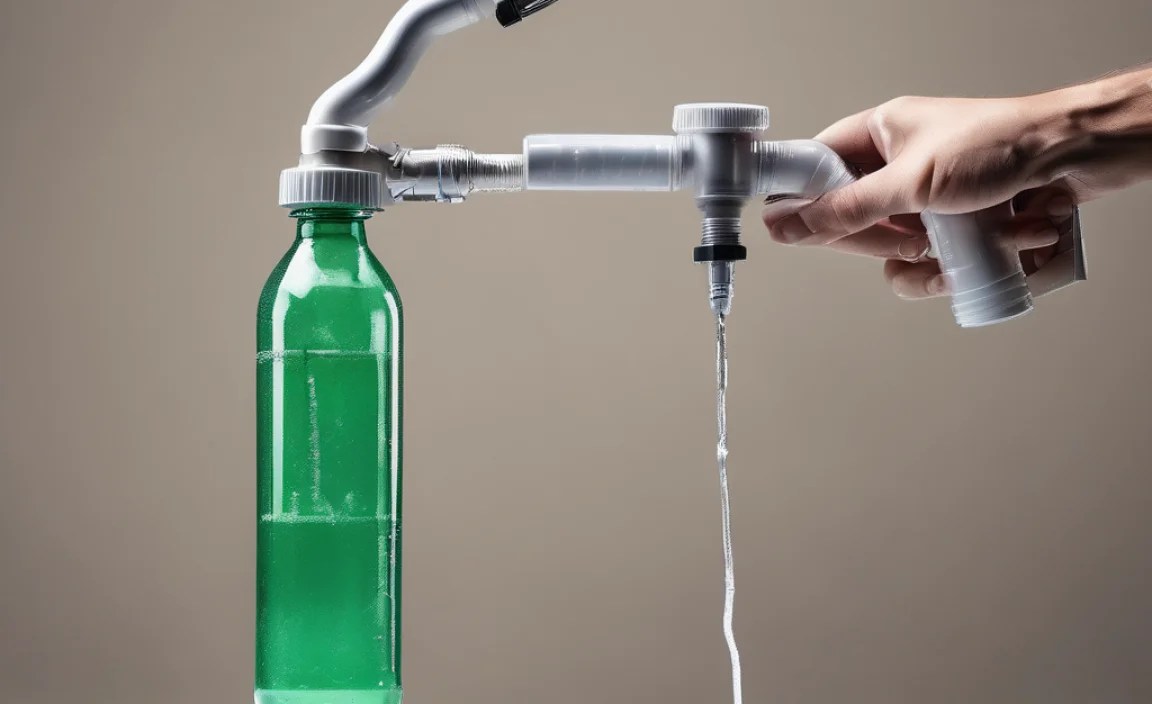
Before you start, gather these simple materials. You probably have most of them lying around the house.
- Plastic bottle: A sturdy, empty plastic bottle (500ml or larger) works best.
- Balloon: A regular balloon will act as the pump’s diaphragm.
- Straws: Two straws, preferably flexible ones.
- Tape: Strong tape like duct tape or electrical tape.
- Scissors or knife: For cutting the bottle and straws. Be careful!
- Hot glue gun (optional): For a more secure seal.
- Adapter (optional): A small nozzle or adapter to fit the item you want to inflate (like a bike tire valve).
Step-by-Step Guide to Building Your Hand Pump

Follow these steps carefully to build your plastic bottle hand pump. Each step is designed to be easy to follow, even if you’re not a DIY expert.
Step 1: Preparing the Plastic Bottle
Start by cleaning and drying your plastic bottle. Make sure it’s completely empty.
- Cut the bottle: Cut the bottom off the plastic bottle. You want to create an open cylinder. A utility knife or sturdy scissors will work.
- Smooth the edges: Use tape to cover the cut edge. This prevents sharp edges and makes the pump safer to handle.
Step 2: Assembling the Pump Mechanism
This step involves creating the core of your pump using the balloon and straws.
- Prepare the balloon: Cut the neck off the balloon. Stretch the balloon over the open end of the bottle (the end you didn’t cut).
- Secure the balloon: Use tape to tightly secure the balloon to the bottle. Make sure there are no air leaks.
- Create the valve: Take one straw and cut a small slit near one end. This will act as a one-way valve.
- Attach the valve straw: Tape the straw with the slit inside the bottle, near the balloon. The slit should face the inside of the bottle.
Step 3: Adding the Output Nozzle
Now, you’ll add the second straw, which will serve as the output nozzle for the air.
- Create an opening: Make a small hole in the bottle cap. The hole should be just big enough for the second straw to fit through.
- Insert the straw: Push the second straw through the hole in the bottle cap. This straw should extend out of the cap.
- Seal the opening: Use hot glue or tape to seal around the straw where it enters the cap. This prevents air from escaping.
- Attach the cap: Screw the cap back onto the bottle.
Step 4: Testing and Improving Your Pump
It’s time to test your hand pump and make any necessary adjustments.
- Test the pump: Hold the bottle and repeatedly push and pull the balloon. Air should come out of the output straw.
- Check for leaks: Listen for air leaks around the balloon, straws, and bottle cap. Seal any leaks with more tape or hot glue.
- Add an adapter (optional): If you need to inflate something specific (like a bike tire), attach a small nozzle or adapter to the end of the output straw.
Tips for a Better Hand Pump
Here are some tips to improve the performance and durability of your DIY hand pump.
- Use a strong bottle: A thicker plastic bottle will hold up better to repeated use.
- Seal thoroughly: Make sure all connections are airtight. Leaks will reduce the pump’s efficiency.
- Experiment with straw placement: Adjusting the position of the straws can improve airflow.
- Consider a dual-action design: Add a second balloon on the other end of the bottle to create a pump that pushes air on both the push and pull strokes.
- Reinforce the balloon: Add a layer of tape over the balloon to protect it from tearing.
Troubleshooting Common Issues
Sometimes, things don’t go as planned. Here’s how to troubleshoot common problems.
| Problem | Possible Solution |
|---|---|
| No air coming out | Check for leaks, ensure the valve straw is correctly positioned, and make sure the balloon is properly sealed. |
| Weak airflow | Seal all connections more thoroughly, use a stronger bottle, and adjust the straw positions. |
| Balloon keeps tearing | Reinforce the balloon with tape or use a thicker balloon. |
| Straw keeps falling out | Use hot glue for a more secure bond, or try a different type of adhesive. |
Advantages and Disadvantages

Like any DIY project, there are pros and cons to consider.
Advantages
- Cost-effective: Uses readily available and inexpensive materials.
- Educational: A fun way to learn about basic physics and engineering.
- Portable: Lightweight and easy to carry around.
- Recycling: Repurposes a plastic bottle, reducing waste.
- Emergency use: A handy solution when you don’t have a regular pump.
Disadvantages
- Durability: Not as durable as a commercially made pump.
- Efficiency: Requires more effort to inflate items.
- Limited use: Best for small items and low-pressure inflation.
- Maintenance: May require occasional repairs or adjustments.
Alternative DIY Pump Ideas
If you’re feeling adventurous, here are some other DIY pump ideas to try.
- Syringe pump: Use a large syringe as the main pumping mechanism.
- Foot pump: Build a pump that you operate with your foot for more power.
- Bicycle pump from scrap parts: Use old bike parts to create a functional pump.
Safety Precautions
Safety is important when building and using your DIY hand pump.
- Use caution with sharp tools: Be careful when using scissors or knives to cut the bottle and straws.
- Protect your eyes: Wear safety glasses when cutting or using hot glue.
- Supervise children: This project is best done by adults or with adult supervision.
- Avoid over-inflation: Be careful not to over-inflate items, as this can cause them to burst.
- Use in a well-ventilated area: If using hot glue, work in a well-ventilated area to avoid inhaling fumes.
How This Compares to Commercial Bike Pumps
While a DIY plastic bottle pump is a fun project, it’s essential to understand how it stacks up against commercial bike pumps. Here’s a comparison based on key factors:
| Feature | DIY Plastic Bottle Pump | Commercial Bike Pump |
|---|---|---|
| Durability | Low; prone to wear and tear, especially the balloon and seals. | High; built with durable materials like metal and reinforced plastics. |
| Efficiency | Low; requires more strokes to inflate, less air volume per stroke. | High; designed for quick and efficient inflation with minimal effort. |
| Pressure Capacity | Low; suitable for low-pressure inflation only (e.g., small inflatables). | High; can handle high-pressure inflation needed for bike tires (road, mountain, etc.). |
| Cost | Very low; uses recycled or inexpensive materials. | Moderate to high; prices vary based on features and brand. |
| Portability | High; lightweight and easy to carry, but bulky. | Variable; some are compact and portable (mini-pumps), others are larger floor pumps. |
| Ease of Use | Moderate; requires some DIY skills to assemble and may need adjustments. | High; designed for user-friendly operation with secure valve attachments. |
| Versatility | Low; limited to basic inflation tasks. | High; can inflate various types of tires, balls, and inflatables with different valve types. |
| Lifespan | Short; needs frequent repairs or replacement. | Long; with proper maintenance, can last for many years. |
When to Use a Commercial Bike Pump:
- Regular Cycling: If you cycle frequently, a reliable commercial pump is essential.
- High-Pressure Needs: Road bikes and some mountain bikes require high pressure that a DIY pump can’t provide.
- Reliability: For guaranteed performance and durability, a commercial pump is the better choice.
When a DIY Pump is Sufficient:
- Emergency Situations: As a temporary fix when a commercial pump isn’t available.
- Low-Pressure Needs: For inflating items like pool floats, toys, or air mattresses.
- Educational Projects: A fun and educational activity to learn about basic mechanics and recycling.
FAQ
Can I use any type of plastic bottle?
Yes, but a thicker, sturdier bottle will work best. Avoid thin, flimsy bottles that can easily collapse.
What if the balloon keeps popping?
Try using a thicker balloon or reinforcing it with tape. Make sure there are no sharp edges on the bottle that could puncture the balloon.
How can I make the pump more powerful?
Ensure all connections are airtight and use a larger bottle. You can also try adding a second balloon to create a dual-action pump.
What can I use as an adapter for inflating bike tires?
You can find small adapters at most hardware stores or online. Look for adapters that fit standard bike tire valves (Presta or Schrader).
Is this pump suitable for inflating car tires?
No, this pump is not powerful enough to inflate car tires. Car tires require much higher pressure than this pump can provide.
How do I prevent air leaks?
Use plenty of tape or hot glue to seal all connections. Check for leaks by listening for hissing sounds when you operate the pump.
Can I use this pump to inflate a basketball?
Yes, but you’ll need an adapter with a needle. These are commonly available at sporting goods stores.
Conclusion
Building a hand pump from a plastic bottle is a fun and educational project. While it may not replace a commercial pump for serious tasks like inflating bike tires to high pressure, it’s a handy tool for small inflatables and a great way to learn about basic physics. With a few simple materials and a little effort, you can create a functional pump that’s both cost-effective and environmentally friendly. So next time you’re in a pinch, remember this guide and put those empty plastic bottles to good use!


