
Cycle Pump Air Compressor: The Easy Inflation Secret

Have you ever tried to ride a bike with flat tires? It is not fun. You need air in your tires. A cycle pump air compressor can help. It makes riding much easier.
Do you know how these pumps work? They push air into your bike tires. This makes them firm and ready to ride. Let’s learn more about these handy tools. They keep our bikes rolling smoothly.
Key Takeaways
- A cycle pump air compressor quickly inflates tires, saving you time and effort.
- Different types exist, including hand pumps, floor pumps, and electric compressors.
- Consider tire pressure, valve type, and portability when choosing a pump.
- Regularly check and maintain your pump to ensure it works properly.
- Using the right pump keeps your bike tires at the perfect pressure for a safe ride.
What Is a Cycle Pump Air Compressor?

A cycle pump air compressor is a tool. It helps you put air into your bike tires. It is like a mini air station for your bicycle. Some pumps are small and you use your hands. Others are bigger and stand on the floor. Some even use electricity! These pumps make it easy to keep your tires full of air. This is important for a good ride. When your tires have the right amount of air, your bike rolls faster. It also makes it easier to steer. Plus, it helps prevent flat tires. A good pump is a must-have for any bike owner. It keeps your bike in top shape. You can ride safely and have more fun. It is a small tool with a big impact on your biking adventures.
- Pumps add air to bike tires.
- They help prevent flat tires.
- Different types are available.
- Some pumps are small and portable.
- Others are larger and more powerful.
- Electric pumps make it even easier.
Choosing the right cycle pump air compressor depends on your needs. If you ride your bike a lot, a floor pump might be best. It is easy to use and fills tires quickly. For taking on rides, a small hand pump works well. It fits in your bag and is ready when you need it. Electric pumps are great for people who want the easiest option. They do all the work for you. No matter what you choose, make sure it works with your bike’s valves. Some bikes use Schrader valves, like car tires. Others use Presta valves, which are thinner. Getting the right pump makes inflating your tires a breeze. It keeps you riding smoothly and safely.
Fun Fact or Stat: The first bicycle air pump was invented in the late 1800s. It was much bigger and harder to use than the pumps we have today!
Why Do I Need a Bike Pump?
Have you ever wondered why your bike tires lose air over time? It is because tires have tiny holes. Air slowly leaks out through these holes. This is why you need to add air regularly. A bike pump helps you do this easily. Without a pump, your tires would go flat. Riding on flat tires is hard work. It can also damage your bike. A good pump keeps your tires at the right pressure. This makes riding easier and safer. It also helps your tires last longer. So, a bike pump is not just a nice thing to have. It is a must-have for any bike owner. It keeps your bike in good shape and ready to ride.
Hand Pumps vs. Floor Pumps
Imagine you are going on a long bike ride. Suddenly, your tire goes flat. A hand pump would be perfect then. Hand pumps are small and easy to carry. They are great for fixing flats on the go. Floor pumps are bigger and stay at home. They are faster and easier to use. Floor pumps often have a gauge. This shows you how much air is in your tire. Both types of pumps have their own uses. It depends on what you need. If you want something portable, get a hand pump. If you want something powerful for home use, get a floor pump. Some riders even have both!
Electric Cycle Pumps Are Awesome
Have you ever seen a small machine fill a tire with air all by itself? That is an electric cycle pump! These pumps use electricity to push air into your tires. You do not have to pump by hand. This makes it super easy to inflate your tires. Electric pumps are great for people who have trouble using hand pumps. They are also good for inflating lots of tires quickly. Some electric pumps are small and portable. You can take them with you on rides. Others are bigger and stay in your garage. No matter what size, they make inflating tires a breeze. They save you time and energy. Plus, they are fun to use!
Different Types of Cycle Air Compressors

There are many types of cycle air compressors. Each type has its own special features. Hand pumps are small and light. You can carry them in your backpack. Floor pumps are bigger and have a foot rest. They make it easier to pump air. CO2 inflators use small cartridges of air. They fill tires very fast. Electric pumps plug into a wall or car. They do all the work for you. Some pumps have gauges to show the air pressure. Others have different nozzles for different valves. Knowing about these types helps you choose the best pump. Think about where you will use it. Consider how much effort you want to put in. Then pick the perfect pump for your needs. This makes bike maintenance much easier.
- Hand pumps are small and portable.
- Floor pumps are easier to use.
- CO2 inflators are very fast.
- Electric pumps need no effort.
- Some pumps have pressure gauges.
- Nozzles fit different valves.
Choosing the right type of cycle air compressor can make a big difference. If you often get flat tires on rides, a hand pump or CO2 inflator is ideal. They let you quickly fix the problem and keep going. For home use, a floor pump is a great choice. It is stable and lets you inflate tires to the perfect pressure. Electric pumps are perfect for those who want convenience. They are also helpful for people with weaker arms. No matter what you pick, make sure it works with your bike’s valve type. Schrader and Presta valves need different nozzles. With the right pump, you can always keep your tires properly inflated. This ensures a safe and smooth ride.
Fun Fact or Stat: Some professional cyclists use CO2 inflators during races. This lets them quickly fix flat tires and get back in the race!
CO2 Inflators for Quick Fixes
Imagine you are racing your bike. Suddenly, you get a flat tire. You need to fix it fast! That is where CO2 inflators come in. These small devices use cartridges of compressed carbon dioxide. They fill your tire with air in seconds. They are small and easy to carry. Many racers use them to get back in the race quickly. But be careful! CO2 can make your tire pressure change. It is important to check it after inflating. CO2 inflators are great for emergencies. They help you get back on the road fast. Just remember to use them safely and check your tire pressure.
Floor Pumps for Home Use
Have you ever seen a tall bike pump in someone’s garage? That is probably a floor pump. Floor pumps are designed for home use. They are bigger and more stable than hand pumps. They have a foot rest to help you pump. They also have a gauge that shows the air pressure. This lets you inflate your tires to the perfect level. Floor pumps are great for regular bike maintenance. They make it easy to keep your tires properly inflated. This helps you ride smoothly and safely. If you want a reliable pump for home use, a floor pump is a great choice.
Electric Pumps for Easy Inflation
Imagine a world where you do not have to pump your bike tires by hand. That world exists with electric pumps! These pumps use electricity to inflate your tires. You simply attach the pump to your tire valve and turn it on. The pump does all the work for you. Electric pumps are great for people who have trouble using hand pumps. They are also good for inflating lots of tires quickly. Some electric pumps are small and portable. You can take them with you on rides. Others are bigger and stay in your garage. No matter what size, they make inflating tires a breeze. They save you time and energy.
How to Choose the Right Cycle Pump?

Choosing the right cycle pump can be tricky. Think about what you need it for. Do you need a pump for home use? Or do you need one for taking on rides? Consider the size and weight. A small hand pump is good for carrying. A floor pump is better for home. Check the type of valve on your bike. Some bikes use Schrader valves. Others use Presta valves. Make sure the pump fits your valve type. Look for a pump with a pressure gauge. This helps you inflate your tires to the right pressure. Read reviews to see what other people think. A good pump will make your rides safer and more fun. It is worth taking the time to choose the right one.
- Think about where you will use it.
- Consider the size and weight.
- Check your bike’s valve type.
- Look for a pressure gauge.
- Read reviews from other riders.
- Choose a reliable brand.
When picking a cycle pump air compressor, think about your budget too. Some pumps are cheap, but they might not last long. Others are more expensive, but they are more reliable. Consider how often you will use the pump. If you ride your bike every day, it is worth investing in a good one. Also, think about the features that are important to you. Do you want a pump with a built-in gauge? Do you need one that can inflate both Schrader and Presta valves? Some pumps also come with extra tools, like tire levers. These can be helpful for fixing flats. By considering all these factors, you can find the perfect pump for your needs. This will keep your tires properly inflated and your rides smooth.
Fun Fact or Stat: A properly inflated tire can make you ride up to 10% faster and reduces the risk of punctures!
Consider Your Bike’s Valve Type
Do you know what kind of valves your bike tires have? There are two main types: Schrader and Presta. Schrader valves are like the ones on car tires. They are wider and have a spring-loaded pin. Presta valves are thinner and have a nut on the end. You need to unscrew the nut before inflating. Some pumps work with both types of valves. Others only work with one. Make sure your pump fits your bike’s valve type. Using the wrong pump can damage the valve. It can also make it hard to inflate your tire. Check your valves before buying a pump. This will save you time and frustration.
Think About Portability
Imagine you are miles from home when your tire goes flat. You need a pump that you can take with you. That is where portability comes in. Small hand pumps are easy to carry in your backpack. Some even attach to your bike frame. CO2 inflators are also very portable. They are small and lightweight. Floor pumps are not portable. They are too big to carry on rides. Think about where you will be riding. If you ride far from home, get a portable pump. This will help you fix flats on the go. It will also give you peace of mind.
Read Customer Reviews
Have you ever bought something online without reading reviews? It can be risky! Reviews tell you what other people think about a product. They can help you avoid buying something bad. The same is true for bike pumps. Read reviews before you buy a pump. See what other riders say about it. Do they like it? Is it easy to use? Does it last a long time? Reviews can give you valuable information. They can help you make the right choice. Look for pumps with lots of positive reviews. This is a good sign that it is a quality product. It is always smart to learn from others’ experiences.
Maintaining Your Cycle Pump Air Compressor
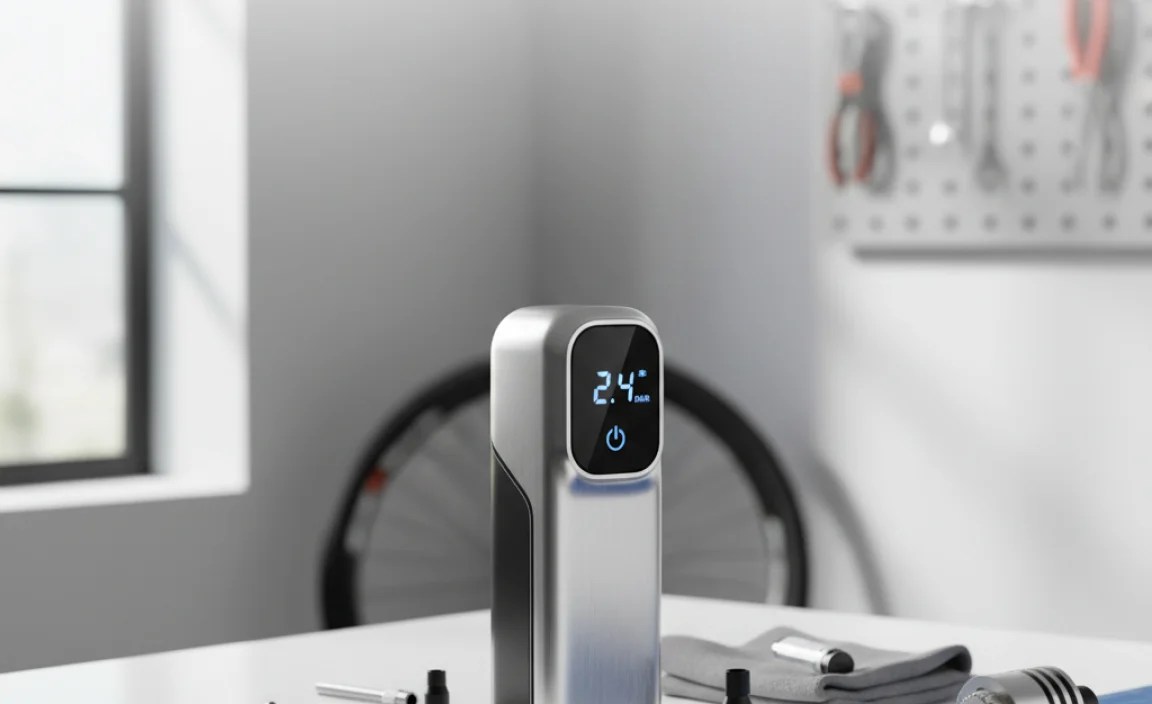
Taking care of your cycle pump air compressor is important. It helps it last longer and work better. Keep your pump clean. Wipe it down with a cloth after each use. Store it in a dry place. This prevents rust and damage. Check the hose for cracks or leaks. Replace it if needed. Make sure the nozzle is clean. Dirt can clog it and make it hard to inflate tires. If your pump has a gauge, check it regularly. Make sure it is accurate. A well-maintained pump will always be ready when you need it. It will also save you money in the long run. By taking a few simple steps, you can keep your pump in top condition.
- Keep the pump clean and dry.
- Check the hose for damage.
- Clean the nozzle regularly.
- Check the pressure gauge.
- Lubricate moving parts.
- Store it properly.
One of the most important things you can do is to lubricate the moving parts. This keeps the pump working smoothly. Use a light oil or silicone spray. Apply it to the piston and other moving parts. This will help prevent wear and tear. Also, make sure to store your pump properly. Do not leave it outside in the sun or rain. This can damage the pump and shorten its lifespan. Instead, store it in a garage or shed. A little bit of care can go a long way. By following these tips, you can keep your cycle pump air compressor working like new for years to come. This will save you money and ensure that you always have a reliable pump when you need it.
Fun Fact or Stat: Regular maintenance can extend the life of your bike pump by up to 5 years!
Cleaning Your Pump
Have you ever noticed dirt and grime on your bike pump? This can make it hard to use. Cleaning your pump is easy. Just wipe it down with a damp cloth. Use a mild soap if needed. Pay attention to the nozzle. This is where dirt often builds up. Use a small brush to clean it. Make sure the pump is completely dry before storing it. A clean pump will work better and last longer. It will also look nicer in your garage. Taking a few minutes to clean your pump is worth the effort. It keeps your bike equipment in top shape.
Checking the Hose
Imagine you are pumping up your tire, and the hose suddenly bursts. That would be frustrating! Checking your pump’s hose is important. Look for cracks or leaks. If you see any damage, replace the hose. A damaged hose will not inflate your tires properly. It can also be dangerous. A new hose is cheap and easy to install. It is better to replace it than to risk a flat tire. Make sure the hose is securely attached to the pump. This will prevent air from leaking out. A good hose is essential for a reliable pump.
Storing Your Pump Properly
Where do you keep your bike pump? Leaving it outside in the sun and rain is not a good idea. This can damage the pump and shorten its life. Store your pump in a dry place. A garage or shed is ideal. This will protect it from the elements. Hang the pump on a hook if possible. This keeps it off the ground and prevents damage. Make sure the hose is not kinked or bent. This can cause it to crack. Proper storage is key to keeping your pump in good condition. It will also make it easier to find when you need it. A little bit of care goes a long way.
Understanding Tire Pressure

Understanding tire pressure is very important. It affects how your bike rides. Too little air, and your tires will be soft. This makes it harder to pedal. Too much air, and your tires will be hard. This can make the ride bumpy. The right tire pressure makes your bike roll smoothly. It also helps prevent flat tires. You can find the recommended tire pressure on the side of your tire. It is usually written in PSI (pounds per square inch). Use a pump with a gauge to check the pressure. Add air until it reaches the recommended level. Checking your tire pressure regularly will make your rides safer and more fun.
| Tire Type | Recommended PSI | Benefits |
|---|---|---|
| Road Bike | 80-130 PSI | Faster rolling, less resistance |
| Mountain Bike | 25-35 PSI | Better grip, more comfort |
| Hybrid Bike | 50-70 PSI | Good balance of speed and comfort |
| Kids’ Bike | 30-50 PSI | Easy rolling, safe riding |
A cycle pump air compressor with a gauge helps you get the perfect tire pressure. The gauge shows you exactly how much air is in your tire. This prevents you from over- or under-inflating. Over-inflating can cause your tire to explode. Under-inflating can cause a flat tire. It is important to check the gauge regularly. Make sure it is accurate. Some gauges are digital, and some are analog. Digital gauges are usually more accurate. Analog gauges are easier to read. Choose the type that you prefer. No matter what type you choose, make sure to use it correctly. This will keep your tires properly inflated and your rides safe.
Fun Fact or Stat: Tire pressure can change with the weather. Colder weather lowers tire pressure, while warmer weather increases it!
Finding the Right PSI
Have you ever wondered what those numbers on your tire mean? Those numbers tell you the recommended tire pressure. It is usually written as a range, like 30-50 PSI. PSI stands for pounds per square inch. It is a measure of air pressure. The right PSI depends on your tire type and riding style. Road bikes need higher pressure than mountain bikes. Lighter riders can use lower pressure. Heavier riders need higher pressure. Experiment to find the PSI that works best for you. A good starting point is the middle of the recommended range.
Using a Pressure Gauge
Imagine you are trying to bake a cake without measuring the ingredients. It would be hard to get it right! The same is true for inflating your tires. You need a pressure gauge to measure the air pressure. A gauge tells you exactly how much air is in your tire. This prevents you from over- or under-inflating. Attach the gauge to your tire valve. Read the number on the gauge. Add or release air until you reach the desired pressure. A gauge is an essential tool for any bike owner. It helps you keep your tires properly inflated.
The Impact of Correct Pressure
Have you ever ridden a bike with flat tires? It is hard work! The right tire pressure makes a big difference. When your tires are properly inflated, your bike rolls faster. It is also easier to steer. You are less likely to get a flat tire. Correct tire pressure also improves your comfort. A bumpy ride can be tiring. Properly inflated tires absorb some of the bumps. This makes the ride smoother. So, taking the time to check your tire pressure is worth it. It will make your rides more enjoyable and safer.
Cycle Pump Air Compressor Safety Tips
Using a cycle pump air compressor is usually safe. But it is important to follow some safety tips. Always wear safety glasses when inflating tires. This protects your eyes from flying debris. Be careful not to over-inflate your tires. This can cause them to explode. Check the recommended tire pressure on the side of the tire. Never leave a pump unattended while it is running. Keep the pump away from water and other liquids. Do not use a damaged pump. This can be dangerous. Read the instructions before using the pump. Following these tips will help you stay safe while inflating your tires.
- Wear safety glasses.
- Do not over-inflate tires.
- Check tire pressure often.
- Never leave the pump running unattended.
- Keep the pump away from water.
- Read the instructions carefully.
When using a cycle pump air compressor, make sure you are in a well-ventilated area. This is especially important when using electric pumps. Electric pumps can produce fumes that can be harmful if inhaled. Also, be careful not to pinch your fingers or hands while using the pump. Keep your fingers away from the moving parts. If you are using a CO2 inflator, be careful not to freeze your fingers. The CO2 cartridge can get very cold. Wear gloves to protect your hands. By following these safety tips, you can avoid accidents and injuries. This will make inflating your tires a safe and easy process.
Fun Fact or Stat: Tire explosions can happen when tires are over-inflated on hot days. The heat increases the air pressure inside the tire!
Wearing Safety Glasses
Imagine something flying into your eye while you are pumping your tire. That would be painful! Wearing safety glasses protects your eyes from flying debris. Small pieces of rubber or metal can come off the tire or pump. Safety glasses prevent these from getting into your eyes. They are cheap and easy to wear. Just put them on before you start pumping. Take them off when you are finished. Safety glasses are a simple way to protect your vision. It is always better to be safe than sorry.
Avoiding Over-Inflation
Have you ever seen a tire explode? It is loud and dangerous! Over-inflating your tires can cause them to explode. This is why it is important to check the tire pressure. Use a pump with a gauge. Add air slowly and carefully. Stop when you reach the recommended pressure. Do not exceed the maximum pressure listed on the tire. Over-inflating can also make your ride uncomfortable. The tires will be too hard and bumpy. Avoiding over-inflation is important for safety and comfort.
Keeping the Pump Dry
Water and electricity do not mix! If you are using an electric pump, keep it away from water. Water can damage the pump and cause it to malfunction. It can also give you an electric shock. Never use an electric pump in the rain. If the pump gets wet, unplug it immediately. Let it dry completely before using it again. Even hand pumps should be kept dry. Water can cause rust and corrosion. This can make the pump hard to use. Keeping your pump dry is important for safety and longevity.
Troubleshooting Common Cycle Pump Issues
Sometimes, your cycle pump might not work as expected. This can be frustrating. But don’t worry, most problems are easy to fix. If your pump is not inflating the tire, check the valve connection. Make sure it is tight and secure. If air is leaking, the hose might be damaged. Replace the hose if needed. If the pump is hard to use, lubricate the moving parts. This will make it easier to pump. If the gauge is not working, it might need to be replaced. Always read the instructions before using the pump. This can help you avoid common problems. With a little bit of troubleshooting, you can keep your pump working smoothly.
- Check the valve connection.
- Inspect the hose for leaks.
- Lubricate moving parts.
- Replace the pressure gauge if needed.
- Read the instructions carefully.
- Clean the pump regularly.
One common issue with a cycle pump air compressor is a clogged nozzle. Dirt and debris can build up over time. This can prevent air from flowing properly. To clean the nozzle, use a small brush or a needle. Gently remove any dirt or debris. Another common issue is a loose valve core. The valve core is the small part inside the valve that lets air in and out. If it is loose, air will leak out. To tighten the valve core, use a valve core tool. These tools are inexpensive and easy to use. By addressing these common issues, you can keep your pump in good working order. This will save you time and frustration in the long run.
Fun Fact or Stat: A clogged valve can reduce the efficiency of your bike pump by as much as 50%!
Pump Not Inflating
Imagine you are trying to pump up your tire, but no air is going in. What could be wrong? First, check the valve connection. Make sure it is tight and secure. The pump head should be firmly attached to the valve. If it is loose, air will leak out. Second, check the pump’s piston. The piston is the part that pushes air through the pump. If it is damaged, the pump will not work. Third, check the tire valve itself. It might be clogged or damaged. If none of these things work, the pump might need to be repaired or replaced.
Air Leaking
Have you ever heard a hissing sound while pumping your tire? That means air is leaking. Air leaks can be caused by several things. The most common cause is a loose valve connection. Make sure the pump head is firmly attached to the valve. Another cause is a damaged hose. Look for cracks or holes in the hose. Replace the hose if needed. A third cause is a damaged tire valve. If the valve is bent or broken, it will leak air. You might need to replace the entire tire.
Hard to Use Pump
Is your bike pump hard to push? This could be because the moving parts are not lubricated. The piston needs to be oiled regularly. Use a light oil or silicone spray. Apply it to the piston and other moving parts. This will make the pump easier to use. Another cause could be dirt and debris inside the pump. Clean the pump regularly to remove any dirt. If the pump is still hard to use, it might be time to replace it. A new pump will be much easier to use.
Summary
A cycle pump air compressor is a tool that helps you inflate your bike tires. There are different types of pumps. Hand pumps are small and portable. Floor pumps are easier to use at home. Electric pumps do all the work for you. Choosing the right pump depends on your needs. Consider your bike’s valve type. Think about portability and ease of use. Maintaining your pump is important. Keep it clean and lubricated. Check the hose and gauge regularly. Understanding tire pressure is also important. Use a pump with a gauge to get the right pressure. Follow safety tips to avoid accidents. With the right pump and proper care, you can keep your tires properly inflated.
Conclusion
Keeping your bike tires properly inflated is key. It makes riding safer and more fun. A good cycle pump air compressor is a must-have for any bike owner. Choose the right pump for your needs. Take care of it and use it safely. With the right pump, you can enjoy smooth and comfortable rides for years to come. So, get yourself a good pump and hit the road!
Frequently Asked Questions
Question No 1: Why is a cycle pump air compressor important for bike owners?
Answer: A cycle pump air compressor is super important for bike owners. It helps you keep your bike tires inflated to the right pressure. This makes your rides safer and more fun. Under-inflated tires can make it hard to pedal and can even lead to flat tires. Over-inflated tires can make the ride bumpy and uncomfortable. A good pump helps you maintain the perfect tire pressure. It ensures a smooth and efficient ride every time. Plus, it is a lot easier than trying to pump up your tires with a manual pump!
Question No 2: What are the different types of cycle pump air compressors available?
Answer: There are several types of cycle pump air compressors to choose from. Hand pumps are small and portable, perfect for taking on rides. Floor pumps are larger and more stable, ideal for home use. Electric pumps are the easiest to use, as they do all the work for you. CO2 inflators are very fast, but they use disposable cartridges. Each type has its own advantages and disadvantages. Consider your needs and preferences when choosing a pump. A portable pump is great for emergencies on the road, while a floor pump is better for regular maintenance at home.
Question No 3: How do I choose the right cycle pump air compressor for my bike?
Answer: Choosing the right cycle pump air compressor depends on a few factors. First, consider your bike’s valve type. Some bikes use Schrader valves, while others use Presta valves. Make sure the pump is compatible with your valve type. Second, think about portability. If you want to take the pump with you on rides, choose a small and lightweight model. Third, consider the ease of use. Electric pumps are the easiest to use, but they require a power source. Finally, read reviews from other riders to see what they recommend. This will help you make an informed decision.
Question No 4: How often should I check my bike tire pressure?
Answer: It is a good idea to check your bike tire pressure before every ride. This ensures that your tires are properly inflated. It makes your ride safer and more efficient. Tire pressure can change over time. It can be affected by temperature and other factors. Checking it regularly will help you avoid problems. If you notice that your tires are losing air quickly, there might be a leak. You should inspect the tires and valves for damage. Maintaining the correct tire pressure is a simple way to improve your biking experience.
Question No 5: What is the recommended tire pressure for my bike tires?
Answer: The recommended tire pressure for your bike tires depends on several factors. These include the type of tire, the size of the tire, and your weight. You can usually find the recommended tire pressure on the sidewall of the tire. It is usually written as a range, such as 30-50 PSI. PSI stands for pounds per square inch. Use a cycle pump air compressor with a gauge to check the pressure. Add or release air until you reach the recommended level. Experiment to find the pressure that works best for you. A good starting point is the middle of the recommended range.
Question No 6: How do I maintain my cycle pump air compressor to keep it working properly?
Answer: Maintaining your cycle pump air compressor is easy. It will help it last longer and work better. Keep the pump clean and dry. Wipe it down with a cloth after each use. Store it in a dry place. This prevents rust and damage. Check the hose for cracks or leaks. Replace it if needed. Make sure the nozzle is clean. Dirt can clog it and make it hard to inflate tires. If your pump has a gauge, check it regularly. Make sure it is accurate. A well-maintained pump will always be ready when you need it.


