
How to Decide Shock Pump Max PSI Rating? Smart Guide

Have you ever wondered how much air to put in your bike tires? What about the shocks? Getting it right is super important. Too much air can be dangerous. Too little air makes riding hard. Knowing how to decide shock pump max psi rating keeps you safe and makes biking fun.
Key Takeaways
- Always check the manufacturer’s guidelines for your specific bike and shocks.
- Start with the recommended PSI and adjust based on your weight and riding style.
- Use a quality shock pump with a gauge to accurately measure and adjust air pressure.
- Regularly inspect your shocks for leaks or damage to maintain proper performance.
- Understanding how to decide shock pump max psi rating ensures optimal suspension and safety.
Understanding Shock Pump PSI Ratings


When you get a new bike, the shocks need air. This air pressure is measured in PSI. But how do you know how much air to put in? The shock pump has a maximum PSI rating. This is the highest amount of pressure the pump can handle. It is very important to know this number. You don’t want to break your pump. More importantly, you don’t want to damage your shocks. Using the right amount of air ensures your ride is smooth. It also helps your bike last longer. So, understanding shock pump PSI is key for every biker.
- Check the bike’s manual for suggested PSI.
- Look for a sticker on the shocks themselves.
- Consider your weight when setting PSI.
- Adjust PSI based on the type of riding you do.
- Always use a shock pump with a clear gauge.
Think of it like blowing up a balloon. If you blow too much, it pops! The same thing can happen with your bike shocks. Putting too much air in can damage them. This can be dangerous while riding. The shock pump’s max PSI rating is there for a reason. It helps you stay within safe limits. Always start with a lower PSI and slowly add more. Check the pressure often as you go. This way, you can find the perfect balance for a smooth and safe ride. It is all about understanding how to decide shock pump max psi rating.
Fun Fact or Stat: Most mountain bike shocks operate between 50 and 300 PSI, depending on the rider’s weight and the bike’s design.
Why Max PSI Matters
Imagine you are filling a glass of water. If you pour too fast, it spills. The same thing happens with PSI. Exceeding the max PSI can damage the shock. This damage might not be visible right away. But over time, it can cause the shock to fail. This could lead to a crash while riding. Always respect the max PSI rating. It’s like a speed limit for your shocks. Staying within the limit keeps you safe and your bike in good shape. Understanding how to decide shock pump max psi rating is the same as understanding the speed limit.
Finding the Right Starting PSI
Finding the right starting PSI is like finding the right shoe size. You wouldn’t buy shoes without trying them on, right? Similarly, don’t just guess the PSI for your shocks. Start by checking the bike’s manual. It usually has a chart based on rider weight. This chart gives you a good starting point. From there, you can make small adjustments. Add or release air in small increments. Test the bike after each adjustment. This helps you find the perfect PSI for your riding style and comfort.
What Happens If You Overinflate?
Overinflating your shocks is like overfilling your tires on a car. The ride becomes harsh and bumpy. You lose traction and control. With bike shocks, overinflation can also cause damage. The seals inside the shock can break. This leads to air leaks. A leaking shock won’t perform well. It might even need to be replaced. Avoid this by paying close attention to the PSI. Never exceed the maximum rating on the pump or the shock itself.
Reading Your Bike’s Shock Specifications

Every bike is different. Just like how every person is different. Your bike’s shocks have specific needs. These needs are listed in the bike’s specifications. These specs tell you important things. They tell you the recommended PSI range. They also tell you the maximum PSI. This information is crucial for setting up your shocks correctly. Ignoring these specs is like ignoring a doctor’s advice. It can lead to problems down the road. Always read and understand your bike’s shock specifications.
- Find the bike’s manual or look online.
- Check for stickers on the shocks themselves.
- Note the recommended PSI range.
- Identify the maximum PSI for the shocks.
- Understand what type of shocks your bike has.
- Consider the travel of the suspension.
Imagine your bike is a race car. The shocks are like the suspension. The suspension needs to be set up perfectly for the track. The same is true for your bike. Reading the shock specifications helps you dial in the perfect setup. This setup will give you the best performance and comfort. Don’t skip this step. It’s one of the most important parts of setting up your bike. Understanding how to decide shock pump max psi rating begins with reading the bike’s specifications.
Fun Fact or Stat: Full suspension bikes often have different PSI requirements for the front and rear shocks.
Finding the Right Manual
Losing your bike’s manual is like losing the instructions to a new toy. Don’t worry! You can usually find it online. Most bike manufacturers have websites. These websites have manuals for all their bikes. Just search for your bike’s model number. The manual will have all the information you need. This includes the shock specifications. You can also ask your local bike shop for help. They might have a copy of the manual or know where to find it.
Understanding Shock Types
There are different types of shocks. Some use air, and some use coil springs. Air shocks are common on mountain bikes. They are lightweight and adjustable. Coil shocks use a metal spring. They are often used on downhill bikes. Knowing what type of shock you have is important. Air shocks require a shock pump. Coil shocks do not. Each type has its own set of specifications. Understanding the differences helps you maintain your bike properly.
Deciphering PSI Ranges
The PSI range is like a range of acceptable temperatures. It gives you some wiggle room. You don’t have to be exactly on one number. The range tells you the lowest and highest PSI that is safe for your shocks. Start in the middle of the range. Then, adjust up or down based on your weight and riding style. This helps you find the perfect PSI for your needs. Remember, the range is there to guide you, not to limit you.
Using a Shock Pump Correctly
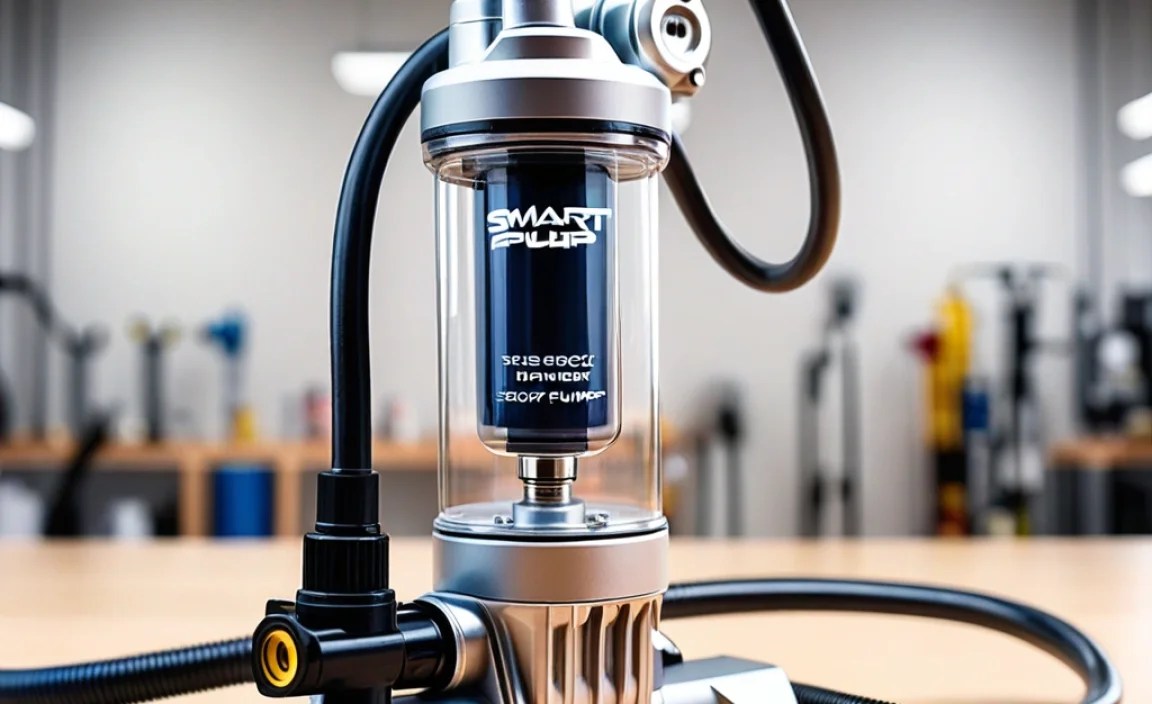
A shock pump is a special tool. It’s not like a regular tire pump. Shock pumps are designed to deliver small amounts of air. They also have a gauge to measure PSI accurately. Using a shock pump correctly is essential. It ensures you get the right amount of air in your shocks. This helps you avoid overinflation or underinflation. A good shock pump is an investment. It will help you keep your bike running smoothly for years to come.
- Attach the pump head securely to the shock valve.
- Pump slowly and steadily.
- Watch the gauge carefully.
- Avoid overpumping.
- Release small amounts of air if needed.
- Disconnect the pump carefully to avoid air loss.
Think of a shock pump as a precision instrument. It’s like a measuring cup in the kitchen. You wouldn’t bake a cake without measuring the ingredients, right? Similarly, you shouldn’t adjust your shocks without a shock pump. The gauge on the pump is your guide. It tells you exactly how much air is in the shock. This helps you make precise adjustments. This precision is key to getting the best performance from your bike. It’s all about how to decide shock pump max psi rating.
Fun Fact or Stat: Shock pumps often have a “no-loss” valve, which minimizes air loss when disconnecting.
Attaching the Pump Head
Attaching the pump head correctly is like plugging in a phone charger. You need to make sure it’s snug and secure. A loose connection will leak air. This makes it hard to get an accurate reading. It also wastes your effort. Push the pump head firmly onto the shock valve. Make sure it clicks into place. Some pumps have a lever to lock the head in place. Use this lever to ensure a tight seal.
Reading the Gauge Accurately
Reading the gauge on the shock pump is like reading a speedometer in a car. It tells you how fast you’re going. The gauge on the shock pump tells you how much air is in the shock. Look at the gauge straight on. Don’t look at it from an angle. This can distort the reading. Pay attention to the units. Most gauges show PSI. Some may also show bar. Make sure you understand which unit you’re reading.
Releasing Air Carefully
Sometimes, you might put too much air in the shock. That’s okay! Shock pumps have a release valve. This valve allows you to let out small amounts of air. Press the release valve gently. Watch the gauge as you release air. Release air in small bursts. This gives you more control. Avoid releasing too much air at once. It’s easier to add air than to take it away.
Adjusting PSI Based on Rider Weight

Your weight affects how your bike performs. A heavier rider needs more air in the shocks. A lighter rider needs less air. Adjusting PSI based on your weight is crucial. It ensures the suspension works properly. This gives you a comfortable and controlled ride. Think of it like setting the volume on a radio. You adjust it based on how loud you want it to be. Similarly, you adjust PSI based on your weight.
- Find a PSI chart based on rider weight.
- Start with the recommended PSI for your weight.
- Add air if the suspension feels too soft.
- Release air if the suspension feels too stiff.
- Make small adjustments and test the bike.
Imagine two people riding the same bike. One person weighs 100 pounds. The other weighs 200 pounds. The heavier person will compress the suspension more. This means the suspension will bottom out more easily. To compensate, the heavier person needs more air in the shocks. This provides more support. The lighter person needs less air. This allows the suspension to move more freely. It’s all about finding the right balance. Understanding how to decide shock pump max psi rating is about understanding your weight.
Fun Fact or Stat: Some bike manufacturers provide online calculators to help you determine the correct PSI based on your weight and bike model.
Finding a Weight-Based PSI Chart
Many bike manufacturers provide PSI charts. These charts are based on rider weight. Look in your bike’s manual. You can also find these charts online. Search for your bike’s model and “PSI chart.” These charts give you a good starting point. Remember, they are just a guide. You may still need to make adjustments based on your personal preferences.
Testing the Suspension
Testing the suspension is like testing the temperature of a shower. You don’t want it to be too hot or too cold. You want it to be just right. After adjusting the PSI, test the suspension. Push down on the handlebars and seat. See how the suspension feels. Does it feel too soft? Does it feel too stiff? Adjust the PSI accordingly. Keep testing until you find the perfect balance.
Making Small Adjustments
Making small adjustments is key. Don’t make big changes all at once. Add or release air in small increments. A few PSI can make a big difference. Test the bike after each adjustment. This helps you fine-tune the suspension. It’s like adjusting the volume on a stereo. Small changes can have a big impact on the sound.
Adjusting PSI for Different Riding Styles

The way you ride your bike also affects the PSI you need. Different riding styles require different suspension setups. If you’re riding on smooth trails, you might want a higher PSI. This will make the bike feel more efficient. If you’re riding on rough trails, you might want a lower PSI. This will make the bike feel more comfortable. Adjusting PSI for different riding styles is like choosing the right gear for a sport. You wouldn’t wear skis to play basketball, right?
- Increase PSI for smoother trails.
- Decrease PSI for rougher trails.
- Consider the amount of travel you’re using.
- Adjust PSI based on your personal preferences.
- Experiment to find the best setup for each type of riding.
Imagine you’re driving a car on different roads. On a smooth highway, you can drive fast. On a bumpy dirt road, you need to slow down. The same is true for your bike. On smooth trails, you want the suspension to be firm. This allows you to pedal efficiently. On rough trails, you want the suspension to be soft. This absorbs the bumps and keeps you comfortable. This is how to decide shock pump max psi rating for different conditions.
Fun Fact or Stat: Professional mountain bikers often adjust their suspension PSI before each race, depending on the course conditions.
Riding on Smooth Trails
When riding on smooth trails, you want the suspension to be efficient. This means you don’t want it to absorb too much of your energy. Increase the PSI in your shocks. This will make the suspension firmer. The bike will feel more responsive. You’ll be able to pedal faster and climb hills more easily. It’s like inflating your tires more for a road bike.
Riding on Rough Trails
When riding on rough trails, you want the suspension to be comfortable. This means you want it to absorb the bumps and vibrations. Decrease the PSI in your shocks. This will make the suspension softer. The bike will feel more forgiving. You’ll be able to ride over obstacles more easily. It’s like deflating your tires slightly for a smoother ride in a car.
Considering Suspension Travel
Suspension travel is the amount the suspension can move. Bikes with more travel are designed for rougher trails. Bikes with less travel are designed for smoother trails. Consider the amount of travel you’re using. If you’re using all the travel, you might need more PSI. If you’re not using much travel, you might need less PSI. It’s like choosing the right tool for the job.
Troubleshooting Common Shock Problems
Sometimes, things go wrong. Your shocks might start leaking air. They might feel too soft or too stiff. Troubleshooting these problems is part of owning a bike. Knowing how to fix common shock issues can save you time and money. It can also keep you safe on the trails. Think of it like knowing how to change a flat tire on a car. It’s a valuable skill.
| Problem | Possible Cause | Solution |
|---|---|---|
| Shock leaking air | Damaged seals | Replace seals or take to a bike shop |
| Shock feels too soft | Low PSI | Add more air with a shock pump |
| Shock feels too stiff | High PSI | Release air with a shock pump |
| Shock makes noises | Dry bushings or pivots | Lubricate bushings and pivots |
| Shock not compressing | Air lock or blockage | Take to a bike shop for service |
Imagine your bike is like a garden. You need to take care of it to keep it healthy. If you see a problem, you need to address it. The same is true for your shocks. If they’re leaking air, you need to fix the leak. If they’re feeling too soft, you need to add air. Ignoring these problems can make them worse. It’s all about being proactive. This is part of how to decide shock pump max psi rating maintenance.
Fun Fact or Stat: Regularly cleaning and lubricating your shocks can extend their lifespan and improve their performance.
Identifying Air Leaks
Air leaks are a common problem with air shocks. You might hear a hissing sound. You might see bubbles forming around the seals. To find the leak, spray soapy water on the shock. Look for bubbles forming. This will show you where the air is escaping. Once you find the leak, you can try to fix it. Sometimes, tightening a bolt will solve the problem. Other times, you might need to replace the seals.
Addressing Soft or Stiff Suspension
A soft suspension feels bouncy. It might bottom out easily. Add more air to increase the PSI. A stiff suspension feels harsh. It doesn’t absorb bumps well. Release air to decrease the PSI. Make small adjustments and test the bike. Keep adjusting until you find the right balance. Remember to stay within the recommended range.
Dealing with Noises
Noises are often a sign of a problem. Squeaking or creaking sounds can indicate dry bushings. These are the parts that allow the suspension to move smoothly. Lubricate the bushings with a bike-specific lubricant. This will usually quiet the noises. If the noises persist, there might be a more serious problem. Take the bike to a shop for service.
Summary
Getting the PSI right in your bike’s shocks is very important. It affects how well your bike rides and how safe you are. Always read your bike’s manual to find the recommended PSI range. Use a good shock pump to add or release air. Adjust the PSI based on your weight and how you ride. Check the shocks often for any problems. Knowing how to decide shock pump max psi rating keeps your bike working well.
Remember, safety comes first. Never exceed the maximum PSI rating on your pump or shocks. Start with a lower PSI and slowly add more. Test the bike after each adjustment. This way, you can find the perfect setting for your needs. With a little practice, you’ll become a shock PSI expert!
Conclusion
Setting the right PSI in your bike’s shocks is key. It makes riding fun and safe. Always check your bike’s manual for the right PSI range. Use a good shock pump to make small changes. Adjust the PSI for your weight and riding style. Check your shocks often for problems. Knowing how to decide shock pump max psi rating makes you a better rider. Now you can enjoy smooth rides on any trail!
Frequently Asked Questions
Question No 1: What is PSI and why is it important for bike shocks?
Answer: PSI stands for pounds per square inch. It measures air pressure. It’s super important for bike shocks because it affects how well they work. Too much PSI makes the ride bumpy. Too little PSI makes the bike saggy. The right PSI gives you a smooth and controlled ride. Checking your PSI regularly helps keep your bike in good shape.
Question No 2: How do I find the right PSI for my bike shocks?
Answer: The best place to start is your bike’s manual. It usually has a chart based on your weight. This chart tells you the recommended PSI range. You can also find this information online. Search for your bike’s model and “PSI chart.” Remember, this is just a starting point. You might need to make adjustments based on your personal preferences. Knowing how to decide shock pump max psi rating begins with finding the right starting point.
Question No 3: What happens if I put too much air in my bike shocks?
Answer: Putting too much air in your bike shocks is not good. It can make the ride harsh and bumpy. It can also damage the shocks. The seals inside the shock can break. This leads to air leaks. A leaking shock won’t perform well. It might even need to be replaced. Always stay within the recommended PSI range. Never exceed the maximum rating.
Question No 4: How often should I check the PSI in my bike shocks?
Answer: You should check the PSI in your bike shocks regularly. At least once a month. You should also check it before every ride if you’re doing something extreme. Air can leak out over time. This affects how well the shocks work. Keeping the PSI at the right level ensures a smooth and safe ride. Regular checks are part of knowing how to decide shock pump max psi rating.
Question No 5: Can I use a regular tire pump to inflate my bike shocks?
Answer: No, you should not use a regular tire pump. Regular tire pumps deliver too much air too quickly. This can easily overinflate your shocks. You need a special shock pump. Shock pumps deliver small amounts of air. They also have a gauge to measure PSI accurately. This helps you avoid overinflation. A shock pump is an important tool for maintaining your bike.
Question No 6: What do I do if my bike shocks are leaking air?
Answer: If your bike shocks are leaking air, you need to fix the leak. First, try tightening any bolts around the seals. Sometimes, this will solve the problem. If the leak persists, you might need to replace the seals. You can do this yourself if you’re comfortable. Or, you can take the bike to a shop. A leaking shock won’t perform well. Fixing it will restore your bike’s performance. This will help with how to decide shock pump max psi rating.


