
How to Use Shock Pump in Hot Weather: Easy Guide

Do you love riding your bike? Do you ever wonder how to use a shock pump? It’s important to know, especially in hot weather. Imagine your bike’s suspension feeling too soft on a sunny day. That’s when a shock pump comes to the rescue! Let’s learn how to use shock pump in hot weather to keep your rides smooth.
A shock pump helps you add air to your bike’s suspension. This makes your ride safer and more fun. We will show you how to use it the right way when it’s hot outside.
Key Takeaways
- Always check your bike’s air pressure before and after each ride.
- Use a quality shock pump with an accurate gauge for precise adjustments.
- Adjust your shock pressure based on temperature changes for optimal performance.
- Release air slowly and carefully to prevent over-deflation when using a shock pump.
- Knowing how to use shock pump in hot weather ensures consistent suspension performance.
Understanding Your Bike’s Suspension

Your bike’s suspension is like a spring system. It helps absorb bumps and keep your tires on the ground. This gives you better control and a smoother ride. The suspension is filled with air. You can adjust the air pressure to match your weight and riding style. When the weather gets hot, the air inside the suspension expands. This can make the suspension feel stiffer. That’s why understanding how to use shock pump in hot weather is important. You might need to let some air out to keep your ride comfortable. Always check your bike’s manual for the recommended air pressure. Too much or too little air can affect your bike’s performance. Learning about your suspension helps you have more fun on your bike.
- Suspension absorbs bumps.
- Air pressure affects ride quality.
- Hot weather changes air pressure.
- Check your bike’s manual.
- Adjust for weight and style.
Knowing your bike’s suspension is key to a good ride. Think of it like inflating a basketball. Too much air, and it’s hard and bouncy. Not enough air, and it’s flat and difficult to dribble. The same idea applies to your bike’s suspension. Getting the right air pressure makes all the difference. A shock pump is a special tool for adding or removing air. Make sure you use the right one for your bike. Some pumps are for forks, and others are for shocks. Remember to always be careful when adjusting air pressure. Small changes can make a big difference. Understanding how to use shock pump in hot weather means you can keep your bike feeling great, no matter the temperature.
Fun Fact or Stat: Did you know that professional mountain bikers adjust their suspension multiple times during a single race to account for changing track conditions and temperature?
Why Suspension Matters
Have you ever ridden a bike with no suspension? It can be a bumpy and uncomfortable ride! Suspension makes a big difference. It helps you stay in control when you hit bumps and rocks. Good suspension also helps you ride faster. It keeps your tires on the ground so you can pedal efficiently. Imagine trying to ride down a bumpy hill without suspension. You would bounce all over the place! Suspension absorbs the bumps and keeps you stable. This is why mountain bikes have suspension. It helps them handle rough terrain. Even some road bikes have suspension now. They make the ride smoother on rough roads. Remember, suspension is your friend when you want a comfortable and controlled ride.
Air Pressure and Your Ride
Air pressure is super important for your bike’s suspension. Too much air, and your ride will be stiff and uncomfortable. You will feel every bump. Too little air, and your suspension will bottom out. This means it will use all its travel and hit the end. The right air pressure depends on your weight and riding style. Heavier riders need more air pressure. Riders who like to jump and do tricks also need more air. Lighter riders need less air pressure. And riders who prefer smooth trails need less air. The best way to find the right air pressure is to experiment. Start with the recommended pressure in your bike’s manual. Then, adjust it up or down until you find what feels best. Always use a shock pump to make small adjustments.
Hot Weather Effects
Hot weather can really change your bike’s suspension. When the temperature goes up, the air inside your suspension expands. This means the pressure increases. Your suspension will feel stiffer. It might not absorb bumps as well. This can make your ride uncomfortable. That’s why it’s important to check your air pressure in hot weather. You might need to let some air out. This will keep your suspension feeling good. On the other hand, cold weather can decrease the air pressure. This will make your suspension feel softer. So, you might need to add some air. Always adjust your suspension to match the weather conditions. This will help you have a smooth and comfortable ride, no matter the temperature.
Tools Needed: The Right Shock Pump
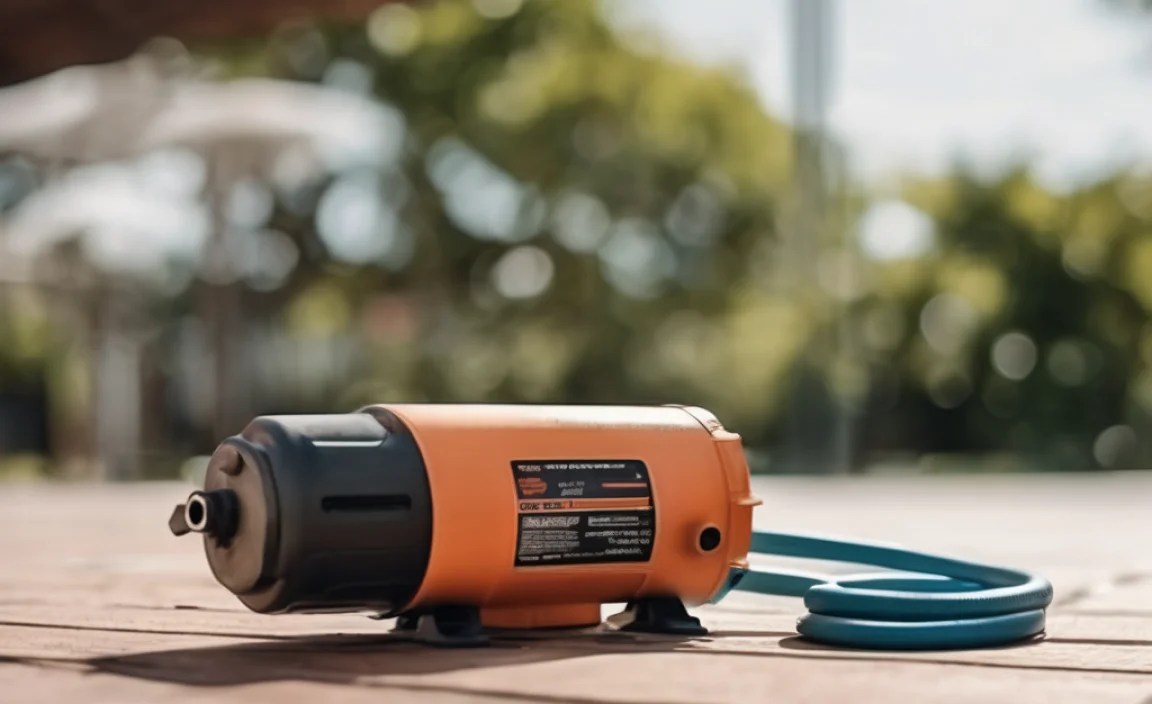
Having the right tools makes any job easier. When it comes to adjusting your bike’s suspension, a shock pump is essential. A good shock pump has a few key features. First, it has a precise gauge. This helps you add or remove air accurately. Second, it has a special valve. This valve prevents air from escaping when you disconnect the pump. Third, it’s durable. You want a pump that will last for many years. There are many different shock pumps available. Some are small and portable. Others are larger and more powerful. Choose one that fits your needs and budget. Remember, a good shock pump is an investment in your bike’s performance. Knowing how to use shock pump in hot weather is useless if you don’t have the right tools.
- Precise gauge is important.
- Special valve prevents air loss.
- Durability ensures long life.
- Choose the right size pump.
- Invest in quality tools.
Think of a shock pump like a tire pressure gauge for your car. You wouldn’t want to use a broken or inaccurate gauge, right? The same applies to your bike’s suspension. A good shock pump ensures you get the right air pressure every time. This is especially important in hot weather. The air pressure can change quickly, so you need to be able to make small adjustments. Look for a pump with a micro-adjust button. This lets you release small amounts of air at a time. This helps you fine-tune your suspension. Also, make sure the pump is compatible with your bike’s suspension. Some pumps only work with certain types of forks or shocks. With the right tools and knowledge, you’ll be able to conquer how to use shock pump in hot weather.
Fun Fact or Stat: Some high-end shock pumps have digital gauges that display air pressure with incredible accuracy, down to fractions of a PSI!
Gauge Accuracy: Why It Matters
Why is gauge accuracy so important? Imagine trying to bake a cake without measuring your ingredients. It probably wouldn’t turn out very well! The same goes for your bike’s suspension. If your gauge isn’t accurate, you won’t know the real air pressure. This can lead to a harsh ride or a suspension that bottoms out. An accurate gauge ensures you get the right air pressure every time. This will improve your bike’s performance. It will also make your ride more comfortable. Look for a shock pump with a clear and easy-to-read gauge. Digital gauges are often more accurate than analog gauges. But even analog gauges can be accurate if they are well-made. Investing in a good shock pump with an accurate gauge is worth it.
Valve Types and Compatibility
Valve types can be confusing. There are different types of valves on bike suspensions. Some use Schrader valves, like the ones on car tires. Others use Presta valves, which are narrower and have a locking nut. Make sure your shock pump is compatible with your bike’s valves. Most shock pumps come with adapters for both Schrader and Presta valves. But it’s always good to double-check. Using the wrong type of pump can damage the valve. This can cause air leaks. Always read the instructions on your shock pump. This will help you use it correctly. If you’re not sure which type of valve your bike has, ask your local bike shop. They can help you choose the right pump and adapter.
Pump Size and Portability
Pump size and portability are important considerations. Do you want a pump that you can take with you on rides? Or do you prefer a larger pump for home use? Smaller pumps are easier to carry in your backpack. But they might take longer to inflate your suspension. Larger pumps are more powerful. But they are not as easy to transport. Think about how you will use your shock pump. If you only adjust your suspension at home, a larger pump might be fine. But if you want to make adjustments on the trail, a smaller pump is better. Some pumps even come with a carrying case. This makes them even easier to take with you. Choose a pump that fits your needs and riding style.
Step-by-Step: How to Use a Shock Pump

Using a shock pump might seem tricky at first. But it’s actually quite simple. First, find the valve on your bike’s suspension. It’s usually covered with a small cap. Remove the cap and set it aside. Next, attach the shock pump to the valve. Make sure it’s securely connected. Then, start pumping. Watch the gauge on the pump. Add air until you reach the desired pressure. Check your bike’s manual for the recommended pressure. Once you’ve reached the correct pressure, carefully remove the pump. Be careful not to let any air out. Replace the valve cap. That’s it! You’ve successfully adjusted your bike’s suspension. With practice, you’ll become a pro at how to use shock pump in hot weather.
- Find the valve on suspension.
- Attach the shock pump securely.
- Pump to the correct pressure.
- Remove pump carefully.
- Replace the valve cap.
Imagine you’re inflating a balloon. You attach the pump, add air, and then quickly remove the pump to tie the knot. Using a shock pump is similar, but with a few extra steps. The key is to be gentle and precise. Don’t force anything. If the pump doesn’t seem to be attaching correctly, stop and check the valve. Make sure you’re using the right adapter. Also, be careful not to over-inflate the suspension. Too much air can damage it. Always check the pressure gauge frequently as you pump. Remember, small adjustments can make a big difference. By following these steps, you’ll be able to master how to use shock pump in hot weather and keep your bike’s suspension in top condition. You’ll be ready to tackle any trail with confidence.
Fun Fact or Stat: The pressure in a bike’s suspension can increase by as much as 5-10 PSI on a hot day, which is why regular adjustments are crucial!
Finding the Suspension Valve
Finding the suspension valve is the first step. It’s usually located on the fork or shock. Look for a small cap that covers the valve. The cap protects the valve from dirt and debris. Some bikes have the valve hidden under a rubber cover. Peel back the cover to reveal the valve. The valve looks similar to a tire valve. It has a small pin in the center. This pin needs to be pressed to release air. Be careful not to damage the valve when removing the cap. If the cap is stuck, try using a small tool to gently pry it off. Once you’ve found the valve, you’re ready to attach the shock pump. Make sure the pump is compatible with the valve type.
Attaching the Pump Correctly
Attaching the pump correctly is crucial. If you don’t attach it properly, air will leak out. This will make it difficult to get an accurate reading. Start by lining up the pump head with the valve. Push the pump head onto the valve until it clicks into place. Some pumps have a lever that you need to flip to secure the connection. Make sure the lever is in the correct position. Once the pump is attached, check for leaks. Listen for a hissing sound. If you hear a hiss, the connection is not tight enough. Try adjusting the pump head until the leak stops. A secure connection is essential for accurate air pressure adjustments.
Reading the Pressure Gauge
Reading the pressure gauge is essential for adjusting your suspension. The gauge tells you how much air is in your suspension. Most gauges show pressure in PSI (pounds per square inch). Some gauges also show pressure in BAR. Look at your bike’s manual to find the recommended air pressure. The manual will tell you the correct PSI for your weight and riding style. When you pump air into the suspension, the needle on the gauge will move. Stop pumping when the needle reaches the desired pressure. Be careful not to over-inflate the suspension. Too much air can damage it. Always check the gauge carefully before and after each ride.
Adjusting for Hot Weather Conditions

Hot weather can significantly affect your bike’s suspension. As the temperature rises, the air inside your suspension expands. This increases the pressure. Your suspension will feel stiffer. It might not absorb bumps as well. To compensate for this, you might need to let some air out. This will keep your suspension feeling good. Start by checking your air pressure on a cool day. Then, check it again on a hot day. You’ll likely see a difference. Use a shock pump to make small adjustments. Release air slowly and carefully. Remember, a little adjustment can go a long way. Knowing how to use shock pump in hot weather ensures your ride remains comfortable and controlled.
- Hot weather increases pressure.
- Suspension feels stiffer.
- Release air to compensate.
- Adjust slowly and carefully.
- Check pressure on cool days.
Think of it like this: imagine a basketball left in the sun. The air inside expands, making the ball feel harder. The same thing happens to your bike’s suspension. Hot weather can make it feel too firm. To counteract this, you need to release some air. A shock pump is the perfect tool for this. It allows you to make small, precise adjustments. Before you head out for a ride on a hot day, take a few minutes to check your suspension. Use your shock pump to release a small amount of air. Then, go for a short test ride. See how the suspension feels. Adjust as needed until you find the sweet spot. This will ensure a comfortable and controlled ride, no matter the temperature. Understanding how to use shock pump in hot weather is key to enjoying your time on the trails.
Fun Fact or Stat: Air pressure in bike tires and suspension can change by about 1 PSI for every 10-degree Fahrenheit change in temperature.
Checking Air Pressure in Hot Weather
Checking air pressure in hot weather is a must. The sun can heat up your bike quickly. This will cause the air pressure in your suspension to increase. Use your shock pump to check the pressure before each ride. Compare the pressure to what it was on a cooler day. If the pressure is higher, release some air. Release it in small increments. Check the pressure after each adjustment. This will help you avoid over-deflating the suspension. Remember, it’s better to be slightly under-inflated than over-inflated. An over-inflated suspension will feel harsh and uncomfortable. A slightly under-inflated suspension will be more forgiving. Regular checks will keep your suspension performing well.
Releasing Air Gradually
Releasing air gradually is important. Don’t just open the valve and let all the air out! This can damage your suspension. Instead, use your shock pump to release small amounts of air. Most shock pumps have a bleed valve. This valve allows you to release air slowly and carefully. Press the bleed valve for a second or two. Then, check the pressure gauge. Repeat this process until you reach the desired pressure. This will help you avoid over-deflating the suspension. It will also give you more control over the adjustment process. Remember, small adjustments can make a big difference. So, take your time and be patient.
Finding the Right Balance
Finding the right balance is the goal. The perfect air pressure will depend on your weight, riding style, and the trail conditions. Experiment with different air pressures to find what works best for you. Start with the recommended pressure in your bike’s manual. Then, adjust it up or down until you find the sweet spot. Pay attention to how your suspension feels on the trail. Does it absorb bumps well? Does it bottom out easily? Use this information to guide your adjustments. Remember, there is no one-size-fits-all solution. What works for one rider might not work for another. So, take the time to find what works best for you. With practice, you’ll become a suspension tuning expert.
Safety Tips When Using a Shock Pump
Safety is always important, especially when working with tools and equipment. When using a shock pump, there are a few safety tips to keep in mind. First, always wear eye protection. This will protect your eyes from flying debris. Second, be careful not to over-inflate the suspension. This can damage it. Check the pressure gauge frequently and never exceed the recommended pressure. Third, never use a damaged shock pump. A damaged pump can be dangerous. It might leak air or even explode. Fourth, always store your shock pump in a safe place. Keep it out of reach of children. Following these safety tips will help you avoid accidents and injuries. Enjoy how to use shock pump in hot weather safely.
- Wear eye protection always.
- Avoid over-inflating suspension.
- Never use a damaged pump.
- Store pump in a safe place.
- Read the pump’s instructions.
Imagine you’re working with power tools. You wouldn’t use them without knowing how to use them safely, right? The same applies to a shock pump. Although it might seem simple, there are still some precautions to take. Always read the instructions before using the pump. This will help you understand how it works and how to use it safely. Also, be aware of your surroundings. Make sure you have enough space to work. Avoid using the pump in crowded areas. And never point the pump at anyone. By following these safety tips, you can ensure a safe and enjoyable experience. Knowing how to use shock pump in hot weather is great, but doing it safely is even better. Remember, safety first!
Fun Fact or Stat: Over-inflating a bike’s suspension can lead to a blowout, which can be as loud as a small firecracker!
Protecting Your Eyes
Protecting your eyes is crucial. Debris can fly out when you’re working with air pressure. This debris can damage your eyes. Wear safety glasses or goggles to protect your eyes. Make sure the glasses fit snugly. They should cover your eyes completely. If you wear prescription glasses, wear them under your safety glasses. This will ensure that you can see clearly. Always inspect your safety glasses before using them. Make sure they are clean and undamaged. Replace them if they are scratched or broken. Protecting your eyes is a simple but important step.
Avoiding Over-Inflation
Avoiding over-inflation is essential for the health of your suspension. Over-inflating can damage the seals and other components. This can lead to costly repairs. Always check the recommended pressure in your bike’s manual. Never exceed this pressure. Use a shock pump with an accurate gauge. This will help you avoid over-inflating. When you reach the desired pressure, stop pumping. Don’t try to add just a little bit more. It’s better to be slightly under-inflated than over-inflated. If you accidentally over-inflate, release some air immediately. Over-inflation can cause serious damage.
Storing the Pump Properly
Storing the pump properly will help it last longer. Keep the pump in a clean, dry place. Avoid storing it in direct sunlight. Sunlight can damage the seals and other components. Store the pump in a carrying case if possible. This will protect it from dust and dirt. Before storing the pump, release any remaining air. This will prevent the seals from drying out. Inspect the pump regularly for damage. Replace any worn or damaged parts. Proper storage will extend the life of your shock pump.
Troubleshooting Common Issues
Sometimes, things don’t go as planned. When using a shock pump, you might encounter some common issues. One issue is air leaking from the valve. This usually means the pump isn’t attached properly. Try reattaching the pump and making sure it’s secure. Another issue is the gauge not reading correctly. This could be a sign that the pump is damaged. Try using a different pump to see if the problem persists. A third issue is difficulty pumping air. This could mean the pump is clogged. Try cleaning the pump with a soft cloth. If you’re still having trouble, consult your local bike shop. They can help you diagnose and fix the problem. Don’t let these issues discourage you from mastering how to use shock pump in hot weather.
- Air leaks from the valve.
- Gauge doesn’t read correctly.
- Difficulty pumping air.
- Pump is clogged.
- Consult bike shop if needed.
Imagine you’re trying to start a car, but it just won’t turn over. You might check the battery, the fuel, and the spark plugs. Troubleshooting a shock pump is similar. You need to look for the obvious problems first. Is the pump attached correctly? Is the gauge working? Is the pump clogged? If you can’t find the problem, don’t be afraid to ask for help. Your local bike shop is a great resource. They have experienced mechanics who can diagnose and fix any issue. Remember, everyone encounters problems sometimes. The key is to stay calm and persistent. With a little troubleshooting, you’ll be back on the trails in no time. Learning how to use shock pump in hot weather includes learning how to fix it.
Fun Fact or Stat: A common reason for shock pump failure is dirt and grime getting into the pump’s internal seals, which can be prevented with regular cleaning!
Air Leaks and Solutions
Air leaks and solutions are important to know. Air leaks can prevent you from getting an accurate pressure reading. They can also make it difficult to inflate your suspension. Check the connection between the pump and the valve. Make sure it’s tight and secure. If the connection is loose, air will leak out. Try reattaching the pump and tightening the connection. If the leak persists, check the valve. The valve might be damaged or dirty. Clean the valve with a soft cloth. If the valve is damaged, you might need to replace it. Air leaks can be frustrating, but they are usually easy to fix.
Gauge Reading Problems
Gauge reading problems can be tricky. If the gauge isn’t reading correctly, you won’t know the true air pressure. This can lead to over-inflation or under-inflation. Check the gauge for damage. Make sure the needle moves freely. If the needle is stuck, the gauge is probably broken. Try using a different shock pump to see if the problem persists. If the other pump works fine, the original pump is the problem. You might need to replace the gauge or the entire pump. Accurate gauge readings are essential for proper suspension tuning.
Pump Resistance Issues
Pump resistance issues can make it hard to inflate your suspension. If the pump is difficult to push, it might be clogged. Try cleaning the pump with a soft cloth. Remove any dirt or debris that might be blocking the airflow. If the pump is still difficult to push, it might need lubrication. Apply a small amount of lubricant to the pump’s moving parts. Be careful not to use too much lubricant. Too much lubricant can attract dirt and grime. If the pump is still not working properly, it might need to be repaired or replaced. Regular maintenance can prevent pump resistance issues.
Advanced Suspension Tuning Tips
Once you’ve mastered the basics, you can move on to advanced suspension tuning tips. These tips will help you fine-tune your suspension for optimal performance. One tip is to adjust the rebound damping. Rebound damping controls how quickly the suspension returns to its original position. Another tip is to adjust the compression damping. Compression damping controls how much the suspension compresses when you hit a bump. Experiment with different settings to find what works best for you. Remember, advanced tuning takes time and practice. Don’t be afraid to try new things and see what happens. Learning how to use shock pump in hot weather is just the beginning of your suspension journey.
| Parameter | Effect | Adjustment | Considerations |
|---|---|---|---|
| Air Pressure | Controls overall stiffness | Increase for stiffness, decrease for softness | Monitor for bottoming out |
| Rebound Damping | Controls return speed | Faster for small bumps, slower for big hits | Avoid “packing up” |
| Compression Damping | Controls compression resistance | More for bigger hits, less for small bumps | Balance with rebound |
| Volume Spacers | Affects end-stroke progression | Add for more bottom-out resistance | Remove for more linear feel |
Think of your bike’s suspension like a musical instrument. You can’t just pick it up and play it perfectly right away. You need to practice and experiment to find the right settings. Advanced suspension tuning is like learning to play a complicated song. It takes time, patience, and a good ear. Don’t be afraid to make mistakes. Every mistake is a learning opportunity. And don’t be afraid to ask for help. There are many resources available online and at your local bike shop. With dedication and practice, you’ll be able to dial in your suspension like a pro. Understanding how to use shock pump in hot weather is a gateway to deeper suspension knowledge.
Fun Fact or Stat: Professional suspension tuners often use data acquisition systems to precisely measure suspension performance during races and training runs!
Adjusting Rebound Damping
Adjusting rebound damping can improve your bike’s handling. Rebound damping controls how quickly the suspension returns to its original position after compressing. Too little rebound damping can cause the suspension to bounce back too quickly. This can make the bike feel unstable. Too much rebound damping can cause the suspension to pack up. This means it doesn’t have time to return to its original position before hitting the next bump. Experiment with different settings to find what works best for you. Start with the recommended setting in your bike’s manual. Then, adjust it up or down until you find the sweet spot. Rebound damping is a crucial part of suspension tuning.
Setting Compression Damping
Setting compression damping affects how your suspension handles bumps. Compression damping controls how much the suspension compresses when you hit a bump. Too little compression damping can cause the suspension to bottom out easily. This means it uses all its travel and hits the end. Too much compression damping can make the suspension feel harsh and unresponsive. Experiment with different settings to find what works best for you. Start with the recommended setting in your bike’s manual. Then, adjust it up or down until you find the sweet spot. Compression damping is another important aspect of suspension tuning.
Using Volume Spacers
Using volume spacers can change the feel of your suspension. Volume spacers are small plastic pieces that you can add or remove from your suspension. Adding volume spacers makes the suspension more progressive. This means it becomes stiffer towards the end of its travel. This can help prevent bottoming out. Removing volume spacers makes the suspension more linear. This means it compresses at a more consistent rate throughout its travel. Experiment with different numbers of volume spacers to find what works best for you. Volume spacers are a great way to fine-tune your suspension for different riding styles and terrain.
Summary
Using a shock pump is essential for maintaining your bike’s suspension. It allows you to adjust the air pressure to match your weight, riding style, and the weather conditions. In hot weather, the air inside your suspension expands, increasing the pressure. This can make your suspension feel stiffer. To compensate, you need to release some air. Always use a shock pump with an accurate gauge. This will help you avoid over-inflating or under-inflating the suspension. Remember to check your air pressure before each ride, especially in hot weather. Learning how to use shock pump in hot weather is a skill that will improve your riding experience. With practice, you’ll become a suspension tuning expert.
Conclusion
Knowing how to use a shock pump is key to a comfortable ride. It’s especially important in hot weather. Air pressure changes with temperature. Adjusting your suspension helps you handle any trail. A shock pump is your tool for this. Use it safely and check your bike often. Have fun riding!
Frequently Asked Questions
Question No 1: What is a shock pump and why do I need one?
Answer: A shock pump is a special type of pump designed for adjusting the air pressure in your bike’s suspension. Regular tire pumps don’t work because they can’t deliver the precise pressures needed for suspension systems. You need a shock pump to fine-tune your suspension to match your weight, riding style, and the terrain you’ll be riding on. Without a shock pump, your suspension might be too stiff or too soft, leading to an uncomfortable and less efficient ride. Knowing how to use shock pump in hot weather is also essential, as temperature changes can affect air pressure, requiring adjustments for optimal performance.
Question No 2: How often should I check and adjust my bike’s suspension?
Answer: You should check your bike’s suspension before each ride. This ensures that the air pressure is correct for the current conditions. Small adjustments can make a big difference in your comfort and control. Pay special attention to temperature changes. Hot weather can increase the air pressure, while cold weather can decrease it. Adjusting your suspension regularly will help you get the most out of your bike. It will also extend the life of your suspension components. Learning how to use shock pump in hot weather means checking frequently.
Question No 3: What happens if I over-inflate my bike’s suspension?
Answer: Over-inflating your bike’s suspension can cause several problems. First, it can make the ride feel harsh and uncomfortable. The suspension won’t be able to absorb bumps as effectively. Second, it can put excessive stress on the suspension components. This can lead to damage and premature wear. In extreme cases, over-inflation can even cause the suspension to explode. Always check the recommended pressure in your bike’s manual. Use a shock pump with an accurate gauge. Release air slowly and carefully. Avoiding over-inflation is essential for the safety and longevity of your suspension. How to use shock pump in hot weather includes understanding the risks of over-inflation.
Question No 4: Can I use a regular tire pump to inflate my bike’s suspension?
Answer: No, you should not use a regular tire pump to inflate your bike’s suspension. Regular tire pumps are designed for high-volume, low-pressure applications. Suspension systems require low-volume, high-pressure. A regular tire pump will not be able to deliver the precise pressures needed for suspension. It can also damage the delicate seals and components inside the suspension. Always use a shock pump. Shock pumps are designed specifically for suspension systems. They provide the necessary pressure and control. Plus, knowing how to use shock pump in hot weather will make it easier.
Question No 5: How does hot weather affect my bike’s suspension and what should I do?
Answer: Hot weather can significantly affect your bike’s suspension. When the temperature rises, the air inside the suspension expands. This increases the pressure. Your suspension will feel stiffer. It might not absorb bumps as well. To compensate, you need to release some air. Use your shock pump to release small amounts of air. Check the pressure after each adjustment. The goal is to maintain the same suspension feel as you would have in cooler conditions. Learning how to use shock pump in hot weather is crucial for maintaining optimal performance and comfort during summer rides.
Question No 6: Where can I find the recommended air pressure for my bike’s suspension?
Answer: The recommended air pressure for your bike’s suspension can usually be found in your bike’s owner’s manual. The manual will provide a chart or table that lists the recommended pressure based on your weight and riding style. You can also find this information on the manufacturer’s website. Some suspension forks and shocks have a sticker with the recommended pressure range. If you’re unsure, consult your local bike shop. They can help you find the correct pressure for your suspension. Knowing how to use shock pump in hot weather requires knowing the right pressure.


