
What Controls the Defrost Cycle on a Heat Pump? A Simple Guide

Quick Summary: The defrost cycle on a heat pump is mainly controlled by a combination of sensors, a control board, and a timer. These components monitor the outdoor coil temperature and operating time to detect ice buildup. When ice is detected, the system reverses the flow of refrigerant to heat the coil and melt the ice. This process ensures your heat pump operates efficiently in cold weather.
Is your heat pump struggling to keep your home warm in the winter? One common culprit is ice buildup on the outdoor coil. Don’t worry, your heat pump has a built-in defrost cycle to handle this. But what tells it when to kick in? Understanding the components that control the defrost cycle will help you troubleshoot issues and keep your system running smoothly. This guide breaks down the process in simple terms, so you can understand how your heat pump keeps your home comfortable all winter long. Let’s dive in!
Understanding the Heat Pump Defrost Cycle

Heat pumps are designed to both heat and cool your home. In the winter, they extract heat from the outside air and transfer it indoors. However, when the outdoor temperature drops below freezing, moisture in the air can freeze on the outdoor coil. This ice buildup reduces the heat pump’s efficiency and can eventually damage the system. That’s where the defrost cycle comes in.
The defrost cycle temporarily reverses the heat pump’s operation. It runs the system in “cooling mode” for a short period, sending hot refrigerant to the outdoor coil to melt the ice. While this is happening, auxiliary heat (usually electric resistance heat) is activated inside your home to prevent you from feeling a blast of cold air. Once the ice is melted, the heat pump returns to its normal heating operation.
Key Components Controlling the Defrost Cycle
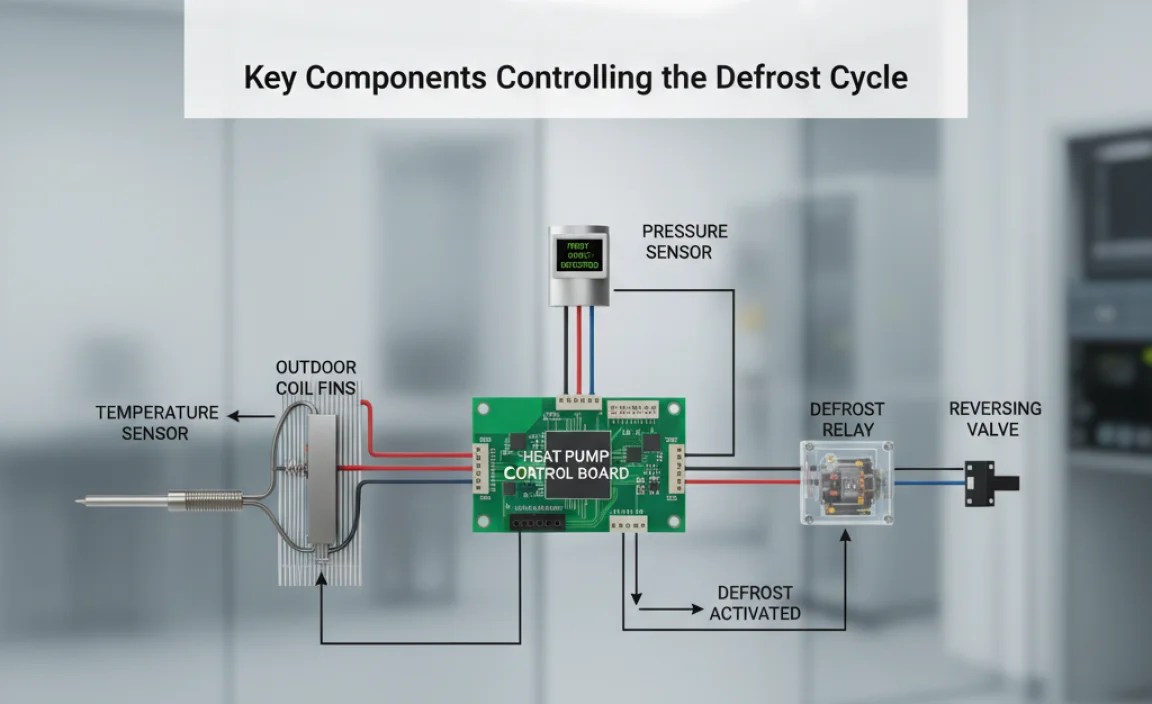
Several components work together to manage the defrost cycle. Here’s a breakdown of the most important ones:
- Defrost Timer: This is one of the oldest methods. The defrost timer initiates a defrost cycle at predetermined intervals, regardless of whether ice is actually present. This is less efficient than more modern methods but is still found in some older heat pumps.
- Temperature Sensor (Thermistor): A temperature sensor, usually a thermistor, is located on the outdoor coil. It monitors the coil temperature and sends this information to the control board. When the coil temperature drops below a certain threshold (typically around 32°F or 0°C), it signals that ice formation is likely.
- Control Board: The control board is the brain of the heat pump. It receives signals from the temperature sensor, pressure switch, and timer (if equipped). Based on this information, it decides when to initiate and terminate the defrost cycle.
- Pressure Switch: Some heat pumps use a pressure switch to detect ice buildup. Ice restricts airflow across the coil, which lowers the air pressure. The pressure switch senses this drop in pressure and signals the control board.
- Defrost Relay: This electrical switch is controlled by the control board. When the control board initiates a defrost cycle, it energizes the defrost relay, which then reverses the flow of refrigerant by activating the reversing valve.
- Reversing Valve: The reversing valve is a key component that changes the direction of refrigerant flow. In heating mode, it directs the refrigerant to the indoor coil. During the defrost cycle, it redirects the refrigerant to the outdoor coil to melt the ice.
How the Defrost Cycle is Triggered

The defrost cycle is not triggered by just one factor. Instead, it’s a combination of inputs that the control board uses to make its decision. Here’s a typical scenario:
- Temperature Drop: The temperature sensor on the outdoor coil detects that the coil temperature has dropped below a preset threshold (e.g., 32°F).
- Time Interval: The control board also considers the amount of time the heat pump has been running in heating mode since the last defrost cycle. This prevents the system from defrosting too frequently, which would waste energy.
- Pressure Drop (If Applicable): If the system has a pressure switch, it monitors the air pressure across the coil. A significant drop in pressure further indicates ice buildup.
- Control Board Decision: Based on these inputs, the control board determines if a defrost cycle is necessary. If all conditions are met (low coil temperature, sufficient run time, and low pressure), it initiates the defrost cycle.
The Defrost Cycle Process: A Step-by-Step Explanation

Once the control board decides to initiate a defrost cycle, here’s what happens:
- Reversing Valve Activation: The control board energizes the defrost relay, which activates the reversing valve. This valve switches the flow of refrigerant, essentially putting the heat pump into cooling mode.
- Hot Refrigerant to Outdoor Coil: Hot, high-pressure refrigerant is now directed to the outdoor coil. This heats the coil and melts the ice. You might notice steam rising from the unit during this process – that’s perfectly normal.
- Auxiliary Heat Activation: To prevent a cold draft inside your home, the control board also activates auxiliary heat (usually electric resistance heat). This supplements the reduced heating capacity during the defrost cycle.
- Defrost Termination: The defrost cycle continues until one of two things happens:
- Temperature Threshold: The temperature sensor on the outdoor coil detects that the coil temperature has risen above a certain threshold (e.g., 45°F). This indicates that the ice has melted.
- Maximum Time Limit: As a safety measure, the control board also has a maximum time limit for the defrost cycle (e.g., 10 minutes). If the temperature threshold isn’t reached within this time, the defrost cycle will terminate automatically. This prevents the system from running in defrost mode for too long, which would waste energy and potentially damage the compressor.
- Return to Normal Operation: Once the defrost cycle is complete, the reversing valve switches back to its normal position, and the heat pump returns to heating mode. The auxiliary heat is deactivated, and the system resumes extracting heat from the outside air.
Common Issues with the Defrost Cycle
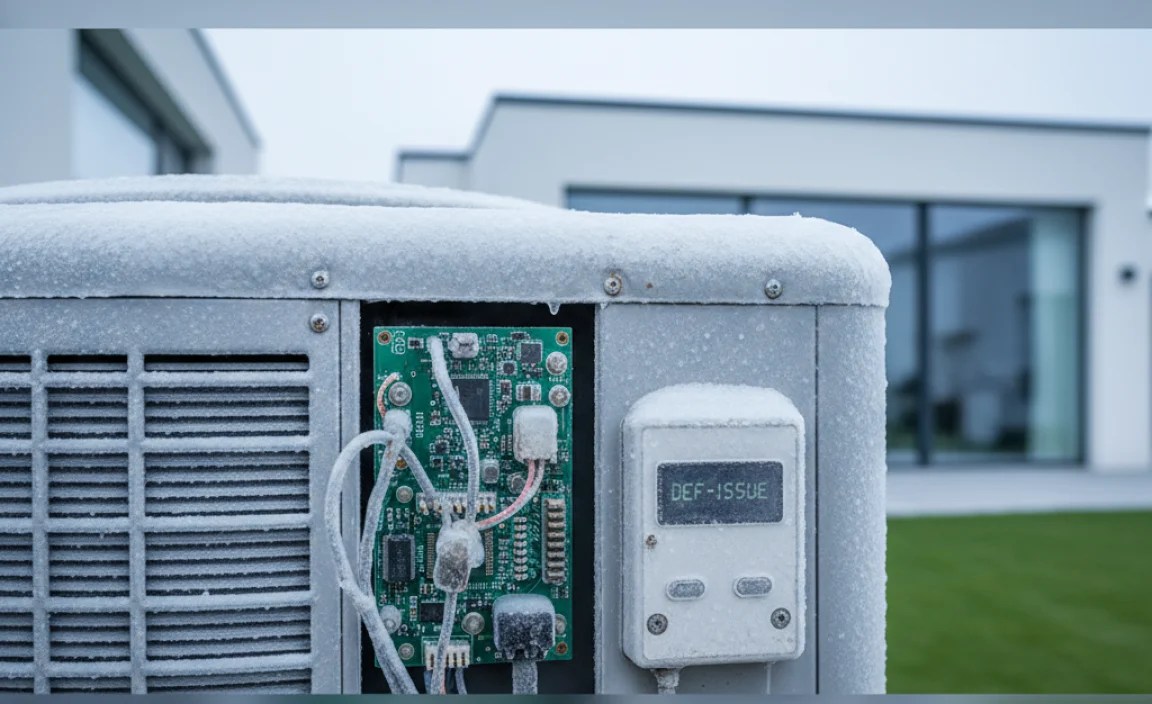
Sometimes, the defrost cycle can malfunction, leading to problems with your heat pump. Here are some common issues:
- Defrost Cycle Not Activating: If the defrost cycle isn’t activating, ice can build up on the outdoor coil, reducing the heat pump’s efficiency and potentially causing damage. This could be due to a faulty temperature sensor, a malfunctioning control board, or a problem with the defrost timer (if equipped).
- Defrost Cycle Activating Too Frequently: If the defrost cycle is activating too often, it can waste energy and reduce heating comfort. This could be caused by a faulty temperature sensor, a misconfigured control board, or a problem with the defrost timer.
- Defrost Cycle Not Terminating: If the defrost cycle doesn’t terminate, the heat pump will continue to run in cooling mode, sending cold air into your home. This could be due to a faulty temperature sensor, a malfunctioning control board, or a stuck reversing valve.
- Ice Buildup Despite Defrost Cycle: If you notice ice buildup on the outdoor coil even though the defrost cycle is running, it could indicate a problem with the refrigerant charge, a malfunctioning reversing valve, or restricted airflow across the coil.
Troubleshooting the Defrost Cycle
If you suspect a problem with your heat pump’s defrost cycle, here are some troubleshooting steps you can take:
- Check the Outdoor Coil: Visually inspect the outdoor coil for ice buildup. If there’s a significant amount of ice, it could indicate a problem with the defrost cycle.
- Listen to the Heat Pump: Pay attention to the sounds the heat pump is making. If you hear unusual noises, such as loud clicking or buzzing, it could indicate a problem with the reversing valve or other components.
- Check the Airflow: Ensure that there is adequate airflow around the outdoor unit. Clear away any leaves, snow, or other debris that could be blocking the airflow.
- Inspect the Temperature Sensor: If you’re comfortable working with electrical components, you can use a multimeter to test the temperature sensor. Consult your heat pump’s service manual for instructions on how to do this.
- Consult a Professional: If you’re not comfortable troubleshooting the defrost cycle yourself, it’s best to consult a qualified HVAC technician. They have the tools and expertise to diagnose and repair any problems with your heat pump.
Defrost Cycle Components: A Detailed Overview
Here’s a table summarizing the key components involved in the defrost cycle:
| Component | Function | Potential Issues |
|---|---|---|
| Defrost Timer | Initiates defrost cycles at set intervals. | Inaccurate timing, failure to initiate. |
| Temperature Sensor (Thermistor) | Measures outdoor coil temperature. | Inaccurate readings, complete failure. |
| Control Board | Manages the defrost cycle based on sensor inputs. | Malfunctioning relays, software errors. |
| Pressure Switch | Detects pressure drop due to ice buildup. | False readings, failure to activate. |
| Defrost Relay | Activates the reversing valve. | Sticking or failure to energize. |
| Reversing Valve | Changes the direction of refrigerant flow. | Sticking, leaking, or complete failure. |
Tips for Maintaining Your Heat Pump’s Defrost Cycle
Here are some tips to keep your heat pump’s defrost cycle running smoothly:
- Regularly Inspect the Outdoor Unit: Check the outdoor unit for ice buildup, debris, and other potential problems.
- Keep the Area Around the Unit Clear: Ensure that there is adequate airflow around the outdoor unit by clearing away any leaves, snow, or other obstructions.
- Schedule Regular Maintenance: Have your heat pump professionally inspected and maintained at least once a year. A qualified HVAC technician can identify and address any potential problems before they become major issues.
- Change Air Filters Regularly: A dirty air filter can restrict airflow and reduce the heat pump’s efficiency, which can put extra strain on the defrost cycle.
Advanced Defrost Control Strategies
Modern heat pumps are integrating smarter defrost control strategies to enhance efficiency and reduce unnecessary defrost cycles. Here are a few advancements:
- Demand Defrost: Instead of relying solely on timers or temperature thresholds, demand defrost systems use sophisticated algorithms to analyze various parameters like outdoor temperature, humidity, coil temperature, and operating time to accurately determine when a defrost cycle is truly needed.
- Adaptive Defrost: Adaptive defrost systems learn from past defrost cycles to optimize future defrosting. They adjust the defrost frequency and duration based on historical data, ensuring that the system only defrosts when necessary and for the shortest possible time.
- Smart Home Integration: Some heat pumps can be integrated with smart home systems, allowing homeowners to monitor the defrost cycle and receive alerts if any issues are detected. This integration enables proactive maintenance and can help prevent costly repairs.
Defrost Cycle and Energy Efficiency
While the defrost cycle is essential for maintaining the performance of your heat pump in cold weather, it can also impact energy efficiency. During the defrost cycle, the heat pump temporarily switches to cooling mode, which requires energy. Additionally, the auxiliary heat that is activated during the defrost cycle consumes electricity.
To minimize the energy impact of the defrost cycle, it’s important to ensure that your heat pump is properly maintained and that the defrost cycle is functioning correctly. Avoid setting your thermostat too high, which can cause the heat pump to run continuously and increase the frequency of defrost cycles. Also, consider upgrading to a more efficient heat pump with advanced defrost control strategies.
FAQ About Heat Pump Defrost Cycles
Here are some frequently asked questions about heat pump defrost cycles:
- Why does my heat pump go into defrost mode so often?
- Frequent defrost cycles can be caused by low outdoor temperatures, high humidity, a dirty outdoor coil, or a malfunctioning temperature sensor. If it happens too often, consult an HVAC technician.
- Is it normal to see steam coming from my heat pump during the winter?
- Yes, it’s normal to see steam or a white cloud during the defrost cycle. This is simply the ice melting and evaporating.
- How long should a defrost cycle last?
- A typical defrost cycle lasts between 5 and 15 minutes. If your defrost cycle is significantly longer or shorter, it could indicate a problem.
- Can I manually start a defrost cycle?
- Some heat pumps have a manual defrost option. Check your owner’s manual for instructions. However, it’s generally best to let the system defrost automatically.
- What should I do if my heat pump is frozen solid?
- If your heat pump is completely frozen over, turn it off and call a qualified HVAC technician. Do not attempt to manually remove the ice, as this could damage the unit.
- Will a heat pump work in very cold weather?
- Heat pumps are most efficient in moderate climates. In extremely cold weather (below freezing), their efficiency decreases. Many modern heat pumps are designed to operate effectively in colder temperatures, but they may require auxiliary heat to maintain comfortable temperatures.
- How do I know if my heat pump’s defrost cycle is working correctly?
- You should observe the heat pump entering defrost mode periodically when the outdoor temperature is near or below freezing. You’ll notice steam, the fan may stop, and then it will return to normal operation. If you don’t observe these signs, it may indicate a problem.
Conclusion
Understanding what controls the defrost cycle on your heat pump can help you keep your system running efficiently and avoid costly repairs. By knowing the key components, how the cycle is triggered, and common issues to watch out for, you can troubleshoot problems and maintain your heat pump effectively. Regular maintenance, prompt repairs, and awareness of your system’s operation are key to ensuring your heat pump keeps your home comfortable all winter long. Now you’re equipped with the knowledge to ensure your heat pump weathers the winter with ease!
“`


